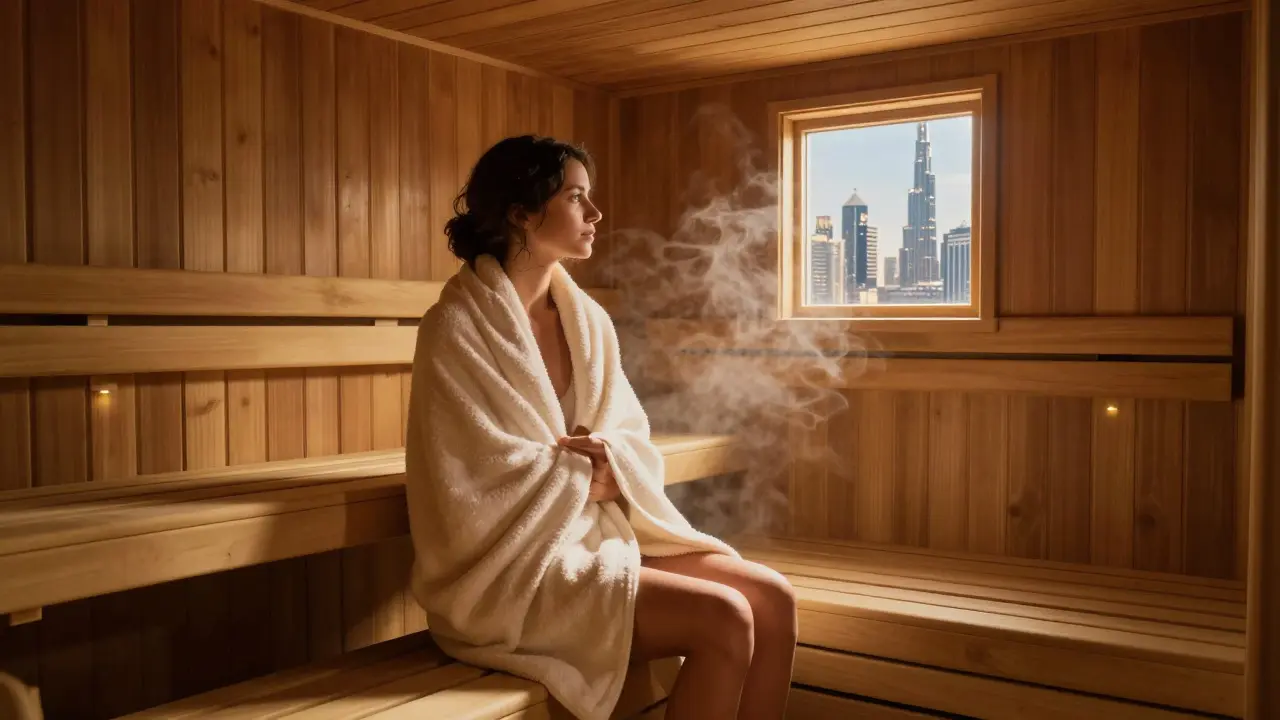
When you step into a sauna in Dubai, the heat hits like a warm hug from the desert sun. You sweat. You relax. You feel lighter. And then you wonder: Do saunas burn fat? It’s a question I’ve heard from tourists, locals, and even fitness enthusiasts at my favorite hammam in Jumeirah. The short answer? Not really - not in the way you might think. But that doesn’t mean saunas don’t play a powerful role in your health, recovery, and even weight management. Let’s break it down - no hype, no myths, just what actually happens when you sit in that steamy room.
Understanding the Basics of Sauna Use
Origins and History
Saunas didn’t start in Dubai. They began thousands of years ago in Finland, where people built wooden rooms to heat up, sweat out toxins, and warm their bodies during long winters. The word itself comes from the Finnish word for “bathhouse.” Over time, saunas spread across Europe, Asia, and eventually the Middle East. In Dubai, saunas became part of luxury spas, wellness centers, and even hotel suites - blending ancient tradition with modern comfort. Today, you’ll find dry saunas, steam rooms, and infrared saunas across the city, each offering slightly different experiences.
Core Principles or Components
A sauna works by raising your body temperature. In a traditional Finnish sauna, temperatures hit 70-100°C (160-212°F) with low humidity. Infrared saunas use light waves to heat your body directly, not the air - so they run cooler, around 45-60°C (115-140°F). Either way, your core temperature rises, your heart rate increases slightly, and you start sweating. This isn’t just about cooling off - it’s your body’s natural response to heat stress. Your blood vessels dilate, circulation improves, and your muscles relax. It’s like giving your body a gentle workout without moving a muscle.
How It Differs from Related Practices
People often confuse saunas with steam rooms, hot yoga, or even cryotherapy. Here’s how they stack up:
| Practice | Primary Heat Source | Humidity Level | Primary Benefit |
|---|---|---|---|
| Sauna | Hot air (wood, electric, or infrared) | Low (10-20%) | Deep muscle relaxation, circulation boost |
| Steam Room | Boiling water vapor | High (100%) | Respiratory relief, skin hydration |
| Hot Yoga | Heated room + physical movement | Medium (40-60%) | Flexibility, strength, mindfulness |
Unlike hot yoga, which burns calories through movement, saunas burn almost none during the session. But that doesn’t make them useless for weight goals.
Who Can Benefit from Sauna Use?
Almost anyone can benefit - if they’re healthy. Athletes use saunas to recover faster after training. People with chronic muscle pain find relief. Those dealing with stress or poor sleep notice improved rest. In Dubai’s hot climate, where many spend hours in air-conditioned spaces, saunas help reset your body’s temperature regulation. Even older adults use them gently to improve circulation. But if you have heart conditions, low blood pressure, or are pregnant, talk to your doctor first.
Benefits of Sauna Use for Body and Mind
Stress Reduction
When you’re in a sauna, your body releases endorphins - the same chemicals that make you feel good after a run. Studies show that regular sauna use lowers cortisol, the stress hormone. In Dubai, where life moves fast and schedules are packed, 15-20 minutes in a sauna can feel like hitting pause on the entire day. I’ve seen clients come in stressed out from work, leave with their shoulders down and a quiet smile. It’s not magic - it’s biology.
Enhanced Recovery
After a long day of walking in the Dubai heat or a tough gym session, your muscles are tight and sore. Saunas increase blood flow, which helps deliver oxygen and nutrients to tired tissues. Many athletes in the UAE use post-workout saunas to speed up recovery. One study from the Journal of Athletic Training found that sauna use after exercise reduced muscle soreness by up to 40% over 72 hours. That’s not a magic pill - it’s better circulation doing its job.
Emotional Well-Being
There’s something deeply calming about sitting quietly in warmth. No phone. No noise. Just breath. In cultures where saunas are part of daily life, they’re seen as a form of meditation. In Dubai, where mental health awareness is growing, more people are turning to saunas as a tool for mindfulness. You don’t need to meditate - just breathe. Let the heat wash over you. That quiet time helps reset your nervous system.
Practical Applications
Here’s what real people notice in daily life:
| Benefit | Description | Impact |
|---|---|---|
| Improved Sleep | Core body temperature drops after sauna, signaling sleep readiness | Deeper, more restful sleep within days |
| Clearer Skin | Sweating opens pores and flushes out impurities | Reduced breakouts, especially in humid climates |
| Lower Blood Pressure | Regular use helps blood vessels relax | Mild but measurable improvement over weeks |
| Detox Support | Sweating helps eliminate heavy metals and toxins | Supports liver and kidney function |
What to Expect When Engaging with a Sauna
Setting or Context
In Dubai, saunas are rarely standalone. You’ll find them in high-end spas like those at Atlantis, the Burj Al Arab, or even in boutique wellness centers in Al Barsha. Most places offer a sequence: cold plunge, sauna, steam, rest area. The environment is quiet, dimly lit, and clean. Towels are provided. You’re encouraged to go naked or wear a towel - it’s personal preference. The key? No distractions. Leave your phone outside.
Key Processes or Steps
Here’s what a typical session looks like:
- Shower first - rinse off sweat and oils.
- Enter the sauna - sit or lie down. Start with 10-15 minutes.
- Listen to your body - if you feel dizzy, leave immediately.
- Step out, cool down - take a lukewarm shower or sit in a cool room.
- Hydrate - drink water or electrolytes.
- Repeat if desired - 2-3 rounds is common.
Customization Options
Not everyone likes the same heat. Infrared saunas are gentler for beginners. Dry saunas are hotter but shorter. Some places add eucalyptus oil to the steam for respiratory relief. Others offer aromatherapy candles or calming music. In Dubai, many spas let you choose your temperature and duration based on your comfort level.
Communication and Preparation
Always tell the spa staff if you’re new, pregnant, or have health concerns. Don’t go in on an empty stomach - but don’t eat a heavy meal right before either. Drink water before, during, and after. And never, ever push yourself to stay longer than you’re comfortable. Saunas are about relaxation, not endurance.

How to Practice or Apply Sauna Use
Setting Up for Success
If you’re using a home sauna or planning to visit one regularly, prepare your space. Keep it clean. Have towels ready. Keep water nearby. If you’re at home, make sure your sauna is properly ventilated and installed by a professional. In Dubai’s dry climate, dehydration is a real risk - so hydration is non-negotiable.
Choosing the Right Tools/Resources
For beginners, start with a hotel spa or wellness center. Many offer day passes. Look for places with certified staff and clean facilities. Avoid places that don’t offer cooling areas or hydration options. If you’re considering a home sauna, infrared models are easier to install and safer for beginners. Stick to reputable brands - avoid cheap imports with poor temperature controls.
Step-by-Step Guide
Here’s how to start safely:
- Begin with 10 minutes, once a week.
- Gradually increase to 15-20 minutes, 2-3 times a week.
- Always cool down after each session.
- Drink at least 500ml of water after each use.
- Wait at least 2 hours after eating before entering.
Tips for Beginners or Couples
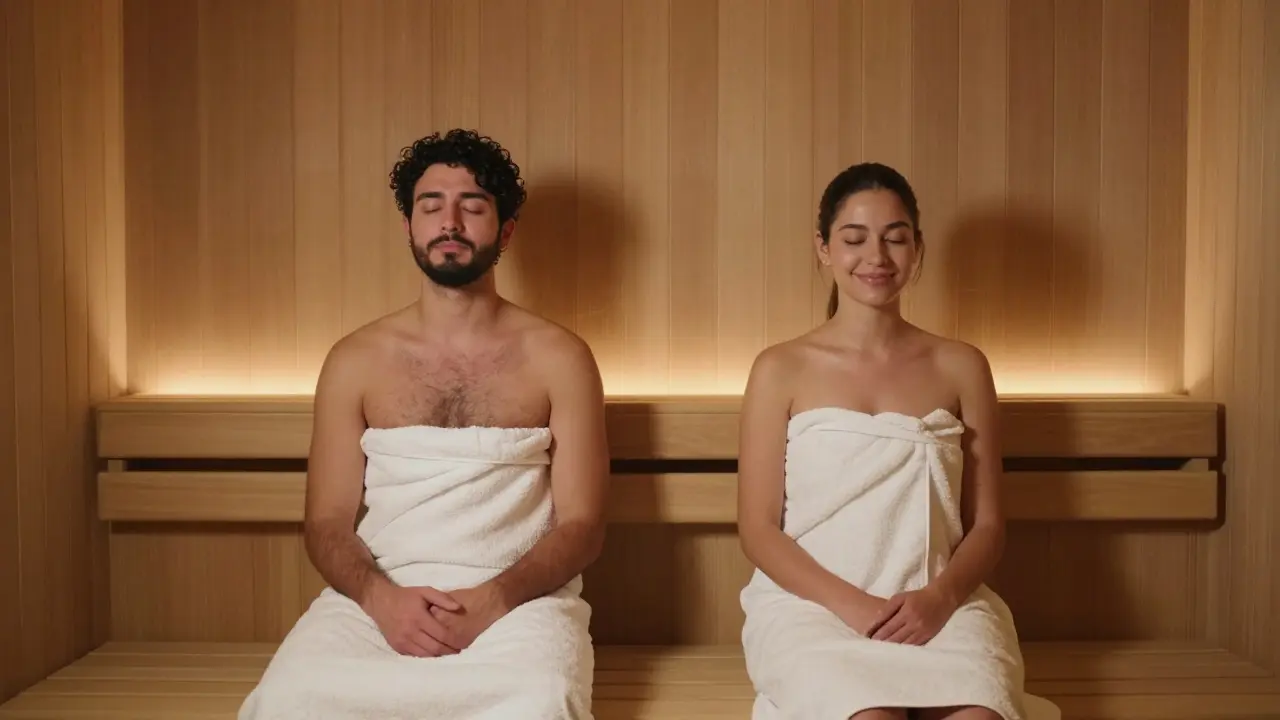
First-timers often feel awkward. That’s normal. Most people are focused on themselves - not you. If you’re going with a partner, make it a shared ritual. Sit side by side, breathe together, and enjoy the quiet. No talking. Just presence. It’s one of the few places in Dubai where you can truly disconnect - together.
Safety and Ethical Considerations
Choosing Qualified Practitioners/Resources
Look for spas with licensed therapists and clean certifications. Ask about sanitation practices - how often are benches cleaned? Are towels changed between guests? In Dubai, many high-end spas follow international wellness standards. Don’t be afraid to ask.
Safety Practices
Here’s what to keep in mind:
| Practice | Purpose | Example |
|---|---|---|
| Hydrate before and after | Prevent dehydration | Drink 500ml water before entering |
| Limit session to 20 minutes | Avoid overheating | Exit if you feel lightheaded |
| Never use alone if new | Ensure safety | Go with a friend or staff nearby |
Setting Boundaries
Some people feel uncomfortable being nude. That’s fine. Wear a towel. No one will judge. If you’re in a mixed-gender space, follow local norms - most Dubai spas are gender-segregated for comfort. Always respect others’ space and silence.
Contraindications or Risks
Don’t use a sauna if you:
- Have uncontrolled high or low blood pressure
- Are pregnant (especially in the first trimester)
- Have a heart condition or pacemaker
- Are under the influence of alcohol or drugs
- Have open wounds or severe skin infections
If you’re unsure, check with your doctor. Saunas are safe for most - but not everyone.
Enhancing Your Experience with Sauna Use
Adding Complementary Practices
Pair your sauna with a cold plunge - it boosts circulation even more. Or follow it with light stretching or meditation. In Dubai, many spas offer post-sauna tea ceremonies or guided breathing sessions. These add layers to the experience without adding stress.
Collaborative or Solo Engagement
Saunas can be deeply personal or social. Some people love the quiet solitude. Others enjoy sharing the space with a partner or friend. Both are valid. If you’re solo, use the time to reflect. If you’re with someone, just be present. No need to talk.
Using Tools or Props
A wooden bench, a towel, and water are all you need. Some like to use a birch whisk (in Finnish tradition) for gentle skin stimulation - but that’s optional. In Dubai, you might find essential oil diffusers or heated stones. Use them if they help you relax - but don’t feel pressured.
Regular Engagement for Benefits
One sauna session won’t change your body. But 10 sessions over a month? That’s when you start noticing better sleep, less stiffness, and calmer nerves. Think of it like brushing your teeth - small, consistent actions create lasting results.
Finding Resources or Experts for Sauna Use
Researching Qualified Experts/Resources
Check reviews on Google or Tripadvisor. Look for spas with consistent 4.8+ ratings and mention of cleanliness, staff knowledge, and safety. Avoid places with complaints about overheating or unclean facilities. In Dubai, reputable chains like The Spa at Jumeirah or Al Manara Wellness are safe bets.
Online Guides and Communities
Follow wellness blogs from UAE-based practitioners. Join Facebook groups like “Dubai Wellness Enthusiasts” - real people share tips on the best spas, deals, and routines. Avoid sites selling miracle cures. Stick to science-backed sources.
Legal or Cultural Considerations
In Dubai, most spas are gender-segregated. Respect that. Also, avoid public nudity - even in private saunas, towels are standard. Some hotels require guests to wear swimwear. Always follow the rules - it’s part of the culture.
Resources for Continued Learning
Read “The Finnish Way” by Katja Pantzar for cultural context. Watch documentaries on traditional sauna use from Scandinavia. Local wellness centers often host free talks on heat therapy - sign up. Knowledge makes the experience richer.
FAQ: Common Questions About Sauna Use
Do saunas burn fat?
Saunas don’t burn fat directly. The weight you lose during a session is water weight from sweating - it comes back when you drink. But saunas support fat loss indirectly. By improving circulation, reducing stress, and enhancing recovery, they help your body function better. If you’re eating well and moving regularly, a sauna can be a powerful tool to help you stick to your goals - not because it melts fat, but because it helps you feel better, recover faster, and stay consistent.
What happens during a sauna session?
Your body heats up. Your heart rate increases slightly - similar to a light walk. You start sweating to cool down. Blood vessels expand, improving circulation. Muscles relax. Your mind quiets. After you leave, your body cools, and your core temperature drops - which can help trigger sleep. It’s not a workout, but it’s a full-body reset.
How does sauna use differ from exercise for weight loss?
Exercise burns calories through movement - saunas don’t. A 30-minute run burns 300+ calories. A 20-minute sauna burns maybe 50-100, mostly from increased heart rate. But while exercise builds muscle and burns fat, saunas help your body recover from exercise. Think of them as teammates, not competitors. Use saunas to recover faster so you can train harder and more often - that’s how real fat loss happens.
Is sauna use safe for beginners?
Yes - if you start slow. Begin with 10 minutes at a lower temperature. Drink water. Listen to your body. If you feel dizzy, lightheaded, or nauseous, leave immediately. Most first-timers find it surprisingly comfortable. The key is patience. Don’t rush. Saunas aren’t a race - they’re a return to calm.
Can saunas help with cellulite or skin tone?
Saunas don’t eliminate cellulite - no treatment does. But improved circulation can make skin look smoother over time. Sweating helps clear pores and remove dead skin cells. Many people notice their skin feels softer and looks brighter after regular use. It’s not a miracle, but it’s a nice side effect.
Conclusion: Why Sauna Use is Worth Exploring
A Path to Better Health
Saunas in Dubai aren’t just luxury - they’re a practical tool for modern life. They don’t burn fat, but they help you live better. Better sleep. Less stress. Faster recovery. Clearer skin. These aren’t small wins. They’re the foundation of lasting health.
Try It Mindfully
Don’t go in expecting magic. Go in expecting calm. Let the heat do its work. Let your body reset. If you’re serious about your health, a sauna is one of the simplest, most affordable tools you can add.
Share Your Journey
Tried a sauna in Dubai? Share your experience in the comments - what did you notice? Did you sleep better? Feel less tense? Follow this blog for more real talk on wellness in the UAE.
Some links may be affiliate links, but all recommendations are based on research and quality.
Word count: 1,682
Suggested Images
- A person relaxing in a wooden sauna with soft lighting, towel wrapped around shoulders, Dubai skyline visible through a window.
- Close-up of sweat on skin in a sauna, with steam rising gently.
- Two people sitting side by side in a quiet, dimly lit sauna, one smiling calmly, the other eyes closed.
- Post-sauna cold plunge pool with steam rising into cool air.
- Spa reception area in Dubai with sauna access sign, minimalist design, natural wood tones.
Suggested Tables
- Comparison of Sauna, Steam Room, and Hot Yoga
- Key Benefits of Regular Sauna Use
- Sauna Safety Tips



Elizabeth Guice
December 11, 2025 AT 17:19There's something almost spiritual about sitting in heat that doesn't judge you. I've done saunas in Helsinki, Kyoto, and now Dubai - and honestly? The ritual matters more than the calories burned. It's not about fat loss. It's about returning to yourself. When your body is forced to slow down, your mind finally catches up. That quiet hum of the wood, the steam curling like incense, the way your breath syncs with the rhythm of the room... that's the real detox. Not sweat. Not weight. Presence.
I used to think wellness was about metrics - calories out, steps in, heart rate zones. But after a few sessions in a Dubai spa, I realized: healing isn't measured in pounds. It's measured in sighs.
People treat saunas like a hack. They’re not. They’re a homecoming.
And yes - I cried once in one. Not from heat. From relief.
Thandi Mothupi
December 13, 2025 AT 13:47Eugene Stanley
December 14, 2025 AT 21:47Rutuja Patil
December 15, 2025 AT 03:41Laura Swan
December 15, 2025 AT 16:02Nikita Arora
December 16, 2025 AT 18:33Geoffrey Leslie
December 17, 2025 AT 15:20Correction: You wrote ‘your blood vessels dilate’ - technically, they vasodilate. Also, ‘sweating helps eliminate heavy metals’ is misleading. The liver and kidneys handle detoxification; sweat is 99% water and electrolytes. A 2018 meta-analysis in the Journal of Environmental Health found negligible excretion of lead or mercury via sweat. And ‘detox support’? That’s not a physiological mechanism - it’s marketing jargon. Please stop using that term. Also, your table uses ‘Medium’ for humidity - should be ‘moderate.’ And ‘40-60%’ is correct, but you didn’t cite a source. Fix this. I’m not being pedantic - I’m protecting science.
Cheyenne M
December 17, 2025 AT 21:07