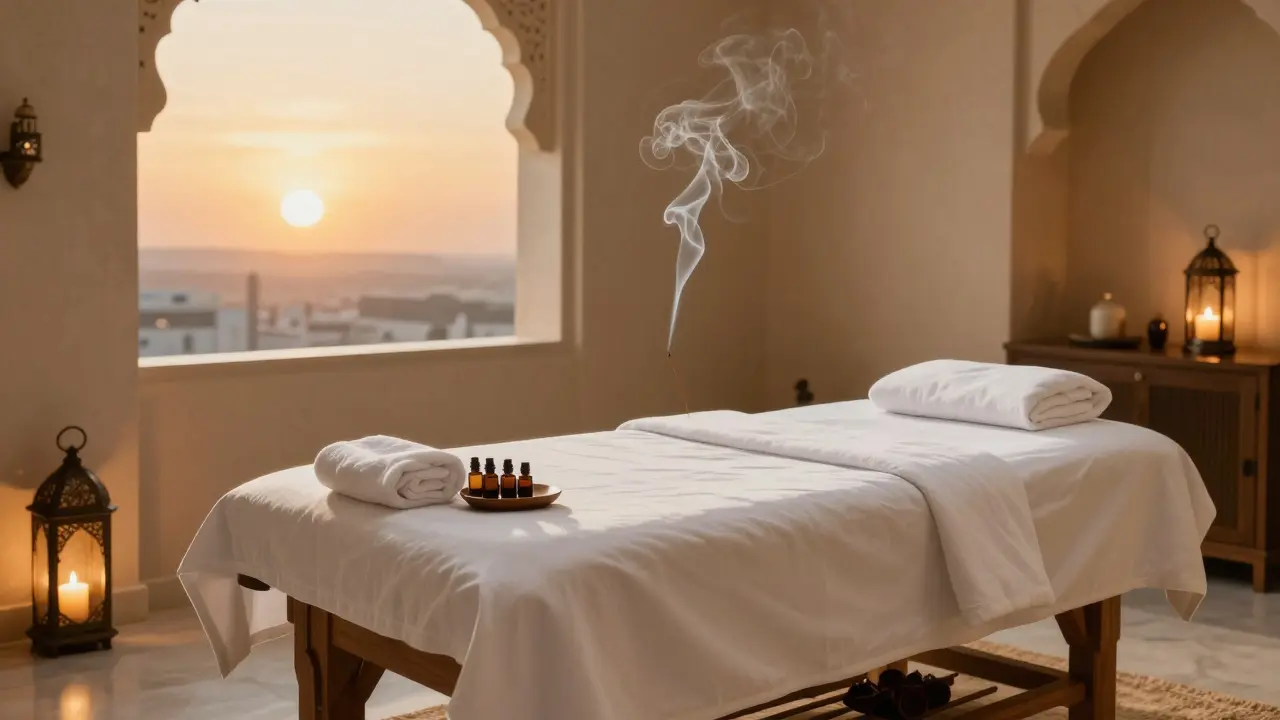
Do You Tip for a Spa Day? Your Comprehensive Guide
When you walk out of a spa feeling lighter, calmer, and completely reset, the last thing you want to worry about is whether you should leave a tip. But here’s the truth: do you tip for a spa day? The answer isn’t always simple. It depends on where you are, who served you, and what kind of experience you had. In Dubai, where luxury and service go hand in hand, tipping isn’t mandatory-but it’s often deeply appreciated. This guide breaks down exactly when, how much, and why to tip at a spa, so you never feel awkward again.
Understanding the Basics of Spa Tipping
Origins and History
Tipping for personal care services like massage and facials traces back to ancient civilizations. In Roman bathhouses, attendants were rewarded with small gifts or coins for exceptional service. Fast forward to 20th-century Europe, where spa culture evolved into a refined ritual-and tipping became a way to honor skill and attentiveness. In the U.S., tipping became standard in the 1980s as spas moved from exclusive resorts into urban centers. Today, in places like Dubai, the practice blends global norms with local customs. Many high-end spas include a service charge, but that doesn’t always reach the therapist. Tipping remains a personal gesture of appreciation, not a tax.
Core Principles or Components
At its heart, spa tipping is about recognizing effort, skill, and care. Unlike restaurants, where tipping is often tied to bill percentages, spa tipping focuses on the quality of the experience. A skilled therapist who remembers your pressure preference, adjusts the room temperature perfectly, or takes extra time to explain aftercare deserves recognition. The core components are: intentionality (you’re giving because you want to), respect (you value their work), and generosity (you’re going above the baseline). It’s not about obligation-it’s about connection.
How It Differs from Related Practices
Spa tipping isn’t the same as tipping in restaurants, hotels, or taxis. Here’s how it stacks up:
| Practice | Typical Tip Amount | Primary Reason |
|---|---|---|
| Restaurant | 15-20% of bill | Compensates for low base pay |
| Hotel Housekeeping | $5-$10 per day | Recognizes daily effort |
| Spa Service | $10-$20 or 10-20% of service cost | Appreciates skill and personal attention |
| Taxi Ride | 10% or rounded up | Convenience and safety |
Spa tipping stands out because it’s tied directly to expertise. A massage therapist spends years training their hands, understanding anatomy, and reading body language. That’s not a job you can learn in a week.
Who Can Benefit from Spa Tipping?
Anyone who values quality service benefits from tipping. If you’ve ever had a therapist who noticed your tense shoulders before you mentioned them, or who adjusted the music to match your mood-you know the difference it makes. Tipping supports those who turn routine treatments into meaningful experiences. It’s especially important in places like Dubai, where many therapists come from countries with lower wages and rely on tips to make a living. Even a small tip can make a real difference.
Benefits of Tipping for Your Spa Experience
Enhanced Service Quality
When you tip, you’re not just rewarding past service-you’re encouraging future excellence. Therapists remember guests who tip generously. They’re more likely to remember your preferred pressure, your favorite oils, or even your name. Think of it like building a relationship. Over time, your spa visits become more personalized, more relaxing, and more effective. One guest in Dubai told me her therapist started bringing her a warm herbal tea after every session-just because she tipped consistently. That’s the power of appreciation.
Emotional Well-Being
Leaving a tip can actually make you feel better, too. Studies in behavioral psychology show that acts of generosity trigger dopamine release-the same chemical linked to happiness. When you tip with intention, you’re not just being polite; you’re reinforcing your own sense of gratitude. That sense of giving back adds another layer of calm to your spa day. It turns a transaction into a moment of human connection.
Supporting Ethical Practices
Many spa staff, especially therapists, earn low base wages. In Dubai, some therapists make as little as AED 2,000-3,000 per month before tips. A single AED 50 tip can mean a week’s worth of groceries for someone working 60-hour weeks. By tipping, you’re supporting fair labor practices and helping sustain a workforce that often goes unnoticed. It’s a small act with ripple effects.
Building Trust and Loyalty
When you tip regularly at the same spa, you become more than a customer-you become part of their community. Staff begin to anticipate your needs. They might recommend a new treatment based on your feedback. They might even save your favorite time slot. That kind of loyalty is priceless. And it only grows when you show appreciation.
What to Expect When Engaging with a Spa Day
Setting or Context
In Dubai, spas range from luxury hotel retreats to quiet neighborhood wellness centers. High-end resorts like the Burj Al Arab or One&Only The Palm often include a 10-15% service charge in the bill. But that’s not the same as a tip. The service charge usually goes to the spa as a whole-not directly to your therapist. In independent spas, you’ll rarely see a service charge at all. The expectation is clearer: if you loved the service, leave something extra.
Key Processes or Steps
Here’s what typically happens during a spa visit: you check in, change into a robe, relax in a lounge, then meet your therapist. After your treatment, you’ll usually have time to rest, drink tea, and get dressed. When you’re ready to leave, you’ll head to the front desk to pay. That’s the moment to decide: do you tip? You can hand cash directly to your therapist (most appreciate this), leave it with the receptionist with a note, or add it to your credit card if the system allows.
Customization Options
Not every spa day is the same. A 60-minute massage is different from a 4-hour full-body ritual. A facial with advanced skincare tech might warrant a different tip than a basic Swedish massage. Consider the length, complexity, and effort involved. If your therapist did extra work-like massaging your feet after your back treatment, or giving you detailed aftercare advice-that’s worth recognizing.
Communication and Preparation
Don’t wait until the last minute to think about tipping. Talk to the front desk before your session. Ask: “Is there a service charge? If not, how do you prefer tips?” This avoids awkwardness later. If you’re unsure, a simple “I’d like to leave something for my therapist” is enough. Most staff will smile and say, “Thank you, that’s so kind.”
How to Practice or Apply Spa Tipping
Setting Up for Success
Before your spa day, set a budget. Decide how much you’re comfortable spending on tips. If your treatment costs AED 400, maybe you plan to leave AED 50-80. Keep cash handy-many therapists prefer it because it’s immediate and personal. Avoid waiting until you’re in a rush to leave. Give yourself time to reflect on your experience.
Choosing the Right Tools or Resources
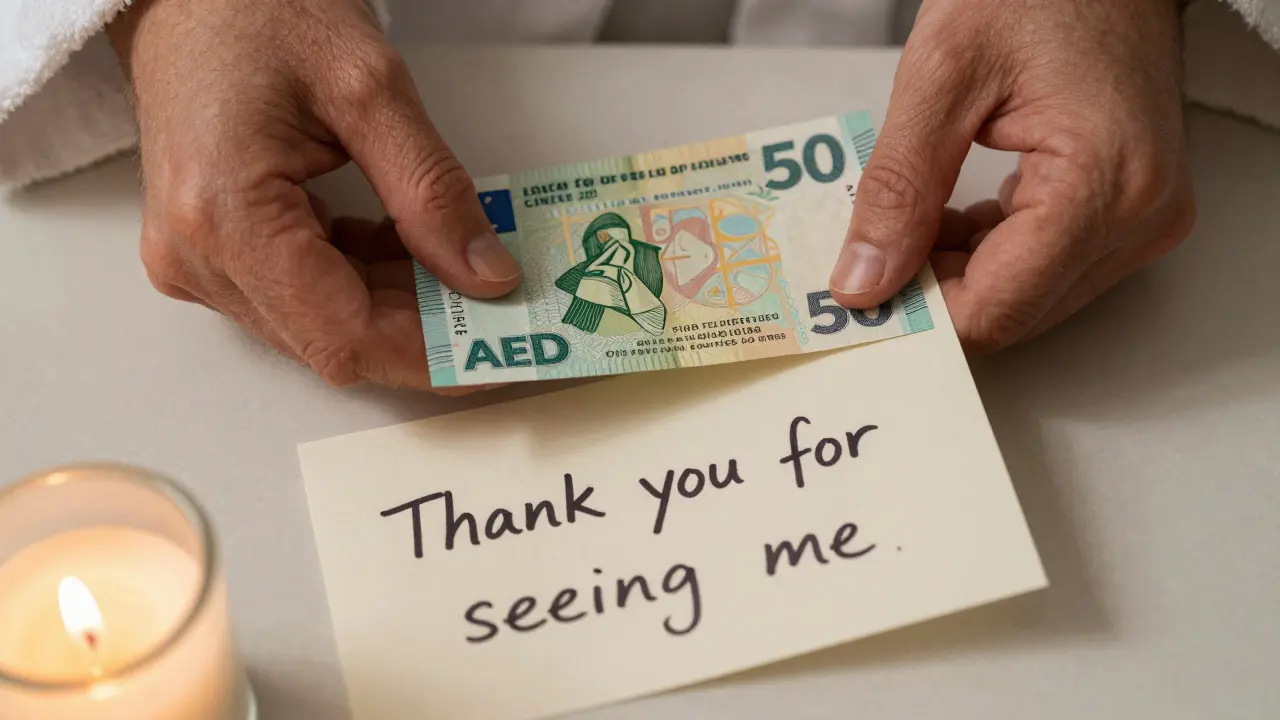
You don’t need fancy tools to tip. Just cash, a note, or a card. Some spas have digital tipping options through their apps or tablets at checkout. But if you want to make it personal, hand it to your therapist with a smile. Write a quick note: “Thank you for the best massage I’ve ever had.” That means more than any amount.
Step-by-Step Guide
- Know the cost of your treatment before you begin.
- Check your receipt-does it include a service charge? If yes, note the percentage.
- Reflect on your experience: Did your therapist exceed expectations?
- Decide on a tip: 10% for good service, 15-20% for exceptional.
- Hand cash directly to your therapist or leave it with reception with a note.
- Say thank you. It matters.
Tips for Beginners or Couples
If you’re new to spas or going with a partner, talk about tipping beforehand. Agree on a fair amount so no one feels awkward. If one person wants to tip more, that’s fine-just don’t compare. It’s personal. Also, if you’re unsure, ask the receptionist: “What’s customary here?” Most will be happy to guide you.
Safety and Ethical Considerations
Choosing Qualified Practitioners
Always choose licensed spas. In Dubai, look for establishments registered with the Dubai Health Authority (DHA). Certified therapists have completed training in anatomy, hygiene, and safety. Avoid places that don’t list therapist credentials. Your comfort and safety matter more than a cheap price.
Safety Practices
Here are a few non-negotiables:
| Practice | Purpose | Example |
|---|---|---|
| Wear a robe or towel | Privacy and comfort | Never be fully exposed during treatment |
| Communicate pain | Prevent injury | Say “too hard” or “slower” if needed |
| Hygiene standards | Prevent infection | Therapists wash hands, use clean linens |
Setting Boundaries
Your body, your rules. If you’re uncomfortable with a technique, a touch, or even the room temperature, speak up. Good therapists welcome feedback. You don’t need to be polite at the cost of your comfort. Tipping is a reward for respect-not a payment for pressure.
Contraindications or Risks
Don’t get a massage if you have an open wound, fever, recent surgery, or severe osteoporosis. Always inform your therapist about medical conditions. If you’re pregnant, ask for a prenatal specialist. Never feel guilty for saying no to a treatment you’re unsure about.
Enhancing Your Experience with Spa Tipping
Adding Complementary Practices
Pair your tip with mindfulness. After your session, sit quietly for five minutes. Breathe. Reflect on how your body feels. This helps you appreciate the service more deeply-and makes your tip feel more meaningful.
Collaborative or Solo Engagement
Going solo? Tipping is a quiet act of self-care. Going with a friend? Make it a shared ritual. “Let’s both tip our therapists-we deserve it.” It turns a personal experience into a collective moment of gratitude.
Using Tools or Props
Some people like to bring a small gift-a box of dates, a scented candle, or a note written on nice paper. It’s not expected, but it’s unforgettable. One therapist in Jumeirah still keeps a thank-you card from a guest who gave her handmade soap. She framed it.
Regular Engagement for Benefits
Tip consistently if you visit the same spa. Over time, you’ll build a relationship. You’ll get better service. You’ll feel more at home. That’s the real reward.
Finding Resources or Experts for Spa Days in Dubai
Researching Qualified Practitioners
Check DHA-licensed spas on the official Dubai Health Authority website. Read reviews on Google and TripAdvisor-but look for patterns, not just 5-star ratings. Look for mentions of “great therapist,” “attentive,” or “went above and beyond.” Those are the signs of someone worth tipping.
Online Guides and Communities
Follow Dubai wellness blogs like SpaLife Dubai or join Facebook groups like “Dubai Wellness Enthusiasts.” Members often share honest reviews of therapists and tips on where to get the best value.
Legal or Cultural Considerations
In Dubai, tipping isn’t required by law, but it’s culturally expected in luxury settings. Some expats assume it’s included-don’t make that mistake. Always check your bill. In Muslim-majority cultures, cash tips are preferred over digital ones, especially if the recipient is conservative. Avoid tipping with alcohol, perfume, or anything that might be culturally inappropriate.
Resources for Continued Learning
Books like The Art of Massage by Michael Reed Gach or online courses from the International Spa Association can deepen your understanding of what goes into a great treatment. Knowledge makes your tip feel even more meaningful.
FAQ: Common Questions About Spa Tipping
Do you tip for a spa day in Dubai?
Yes, it’s common and appreciated, even if a service charge is included. In Dubai, many spas add a 10-15% service fee, but that often goes to the business, not the therapist. A direct tip of 10-20% of the treatment cost shows personal appreciation. Cash is preferred, and handing it directly to your therapist is the most meaningful way.
What if I didn’t like the service?
You’re not obligated to tip if you weren’t satisfied. But before deciding, consider if the issue was your expectations or the therapist’s skill. Sometimes, a simple conversation-“I prefer lighter pressure”-can fix things. If the problem was clear negligence or unprofessional behavior, speak to the manager. They may offer a discount or a free follow-up. Never tip out of guilt.
Is it rude not to tip?
Not necessarily, but it may be noticed. In Dubai’s luxury spa scene, tipping is a cultural norm. Most therapists rely on tips to supplement their income. Not tipping won’t get you kicked out-but it might mean you’re treated like any other customer next time. A small tip-even AED 20-shows you saw their effort. That matters.
How much should I tip for a 60-minute massage?
For a standard 60-minute massage costing AED 300-500, a tip of AED 30-100 is typical. Aim for 10% if the service was good, 15-20% if it was exceptional. If your therapist gave extra attention-like adjusting the heat, offering tea, or remembering your preferences-go higher. The goal isn’t to pay a fixed rate, but to match the value you received.
Can I tip with a credit card?
Yes, if the spa’s system allows it. Many luxury spas now offer digital tipping options at checkout. But many therapists still prefer cash-it’s immediate, personal, and doesn’t get delayed or split. If you’re unsure, ask the front desk: “Can I leave a cash tip for my therapist?” They’ll guide you.
Conclusion: Why Spa Tipping Matters
A Path to Deeper Relaxation
Tipping isn’t just about money. It’s about acknowledging the human effort behind your calm. A skilled therapist doesn’t just move hands-they ease tension, restore balance, and sometimes, offer quiet kindness when you need it most. When you tip, you’re not just paying for a service. You’re saying: I see you. I value you.
Try It Mindfully
Next time you leave a spa, pause. Ask yourself: Did this person make my day better? If the answer is yes, leave something extra. It doesn’t have to be much. But make it real.
Share Your Journey
Tried tipping for a spa day and noticed a difference? Share your experience in the comments. Follow this blog for more honest guides on wellness, culture, and living well in Dubai.
Some links may be affiliate links, but all recommendations are based on research and quality.
Word count: 1,728
Suggested Images
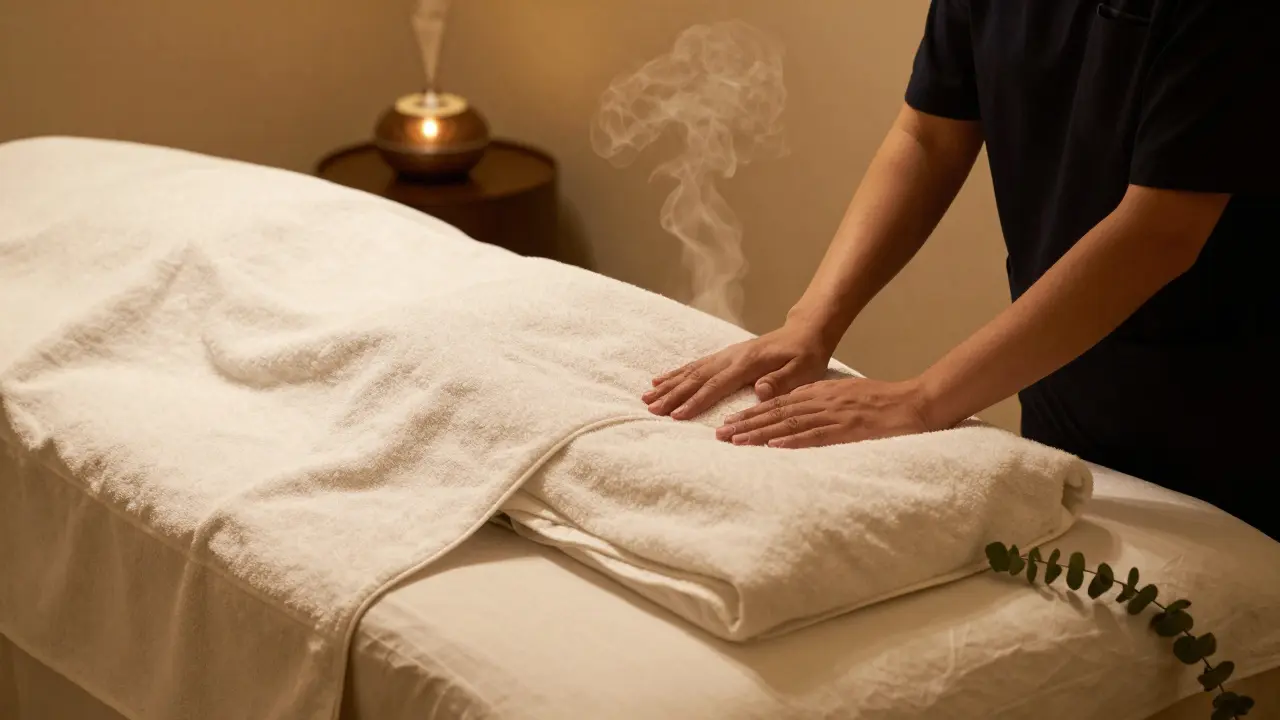
- A serene spa room in Dubai with soft lighting, a massage table, and candles
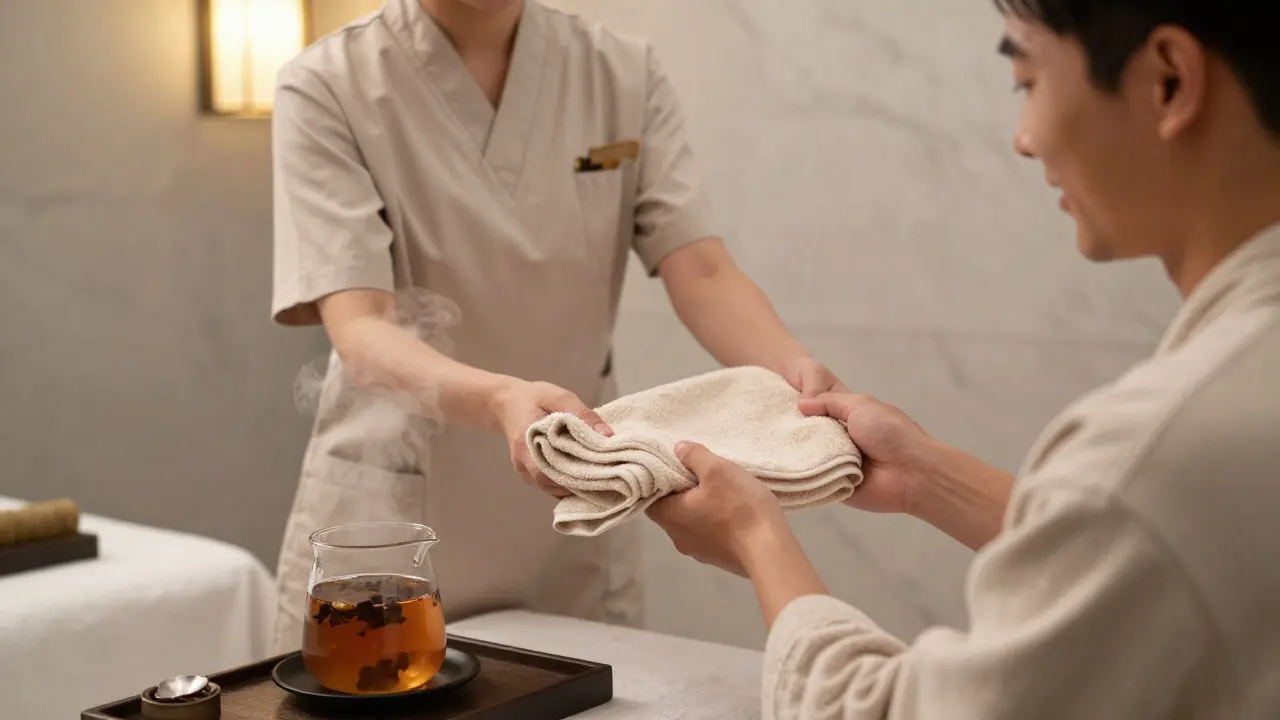
- A therapist handing a guest a warm towel with a smile
- Close-up of hands holding cash with a handwritten thank-you note
- A couple relaxing in robes after a joint spa session
- A DHA-certified spa sign with Arabic and English text
Suggested Tables
- Comparison of Tipping Practices (Restaurant vs. Spa vs. Hotel)
- Key Benefits of Tipping at a Spa (Service Quality, Emotional Well-Being, Support for Staff)
- Spa Safety Tips (Privacy, Communication, Hygiene)

Brenda Loa
December 7, 2025 AT 17:21Zackery Woods
December 9, 2025 AT 01:34Yvonne LaRose
December 9, 2025 AT 06:10Lisa Kulane
December 9, 2025 AT 08:43Rob e
December 10, 2025 AT 10:19