Walking into a wellness center often brings a mix of relaxation and nervousness. Many people wonder about the boundaries of their treatment before they even lie down on the table. Specifically, the question lingers: Does a full body massage include your bottom? The short answer is nuanced, but understanding the distinction between therapeutic necessity and personal preference is key to having a stress-free experience.
In the context of professional massage therapy, especially here in Dubai where service standards are exceptionally high, "full body" generally implies the entire back, including the upper, middle, and lower regions. While many treatments extend to the hamstring attachments near the glutes, direct contact depends heavily on your communication with the therapist. Knowing what is standard helps you feel more confident when booking your next appointment.
Decoding the Full Body Definition
To understand what you are paying for, we need to look at how therapists define coverage. A standard session usually focuses on the back, shoulders, neck, arms, and legs. The lower back connects directly to the pelvic floor and the gluteal muscles. When a therapist works on your hamstrings (the backs of your thighs), their strokes often stop just below the curve of the buttock.
The concept of Swedish Massage, commonly offered in luxury spas, relies on long strokes to improve circulation. It typically includes light gluteal work for muscle release but avoids explicit pressure on the central seat unless specifically requested. For deeper work targeting chronic pain, the approach shifts slightly towards specific anatomical triggers rather than broad surface area.
It is helpful to visualize the body as a map. Most therapists will work along the iliac crest-the bony ridge of your pelvis. They may apply oil to the upper outer thigh and the lower spine. However, direct pressure on the glutes is usually reserved for cases where the client requests help with sciatic pain or lower back stiffness. Without prior discussion, a conservative therapist will keep their hands on the legs and the upper back, leaving the seated area covered by the sheet.
Cultural Nuances in Dubai Spas
When exploring options for massage dubai, you encounter a unique blend of global hospitality and local customs. Dubai adheres to strict regulations regarding modesty and public conduct, which extends to wellness facilities. Licensed spas in the UAE operate under rigorous health codes that mandate professional conduct.
This regulatory environment ensures that every interaction is documented and monitored. Unlike unregulated venues in some other parts of the world, reputable establishments here prioritize therapeutic outcomes over ambiguity. Therapists are trained to respect cultural sensitivities while delivering medical-grade care. If you are a guest visiting from abroad, you might notice that mixed-gender areas exist in hotels, but the protocols remain tight.
You can expect separate changing rooms or private suites. The presence of a male or female therapist is strictly segregated unless the facility explicitly states otherwise. Understanding this structure removes much of the anxiety surrounding physical boundaries. Your safety and privacy are legally protected by the Dubai Municipality’s Health Department standards.
The Mechanics of Professional Touch
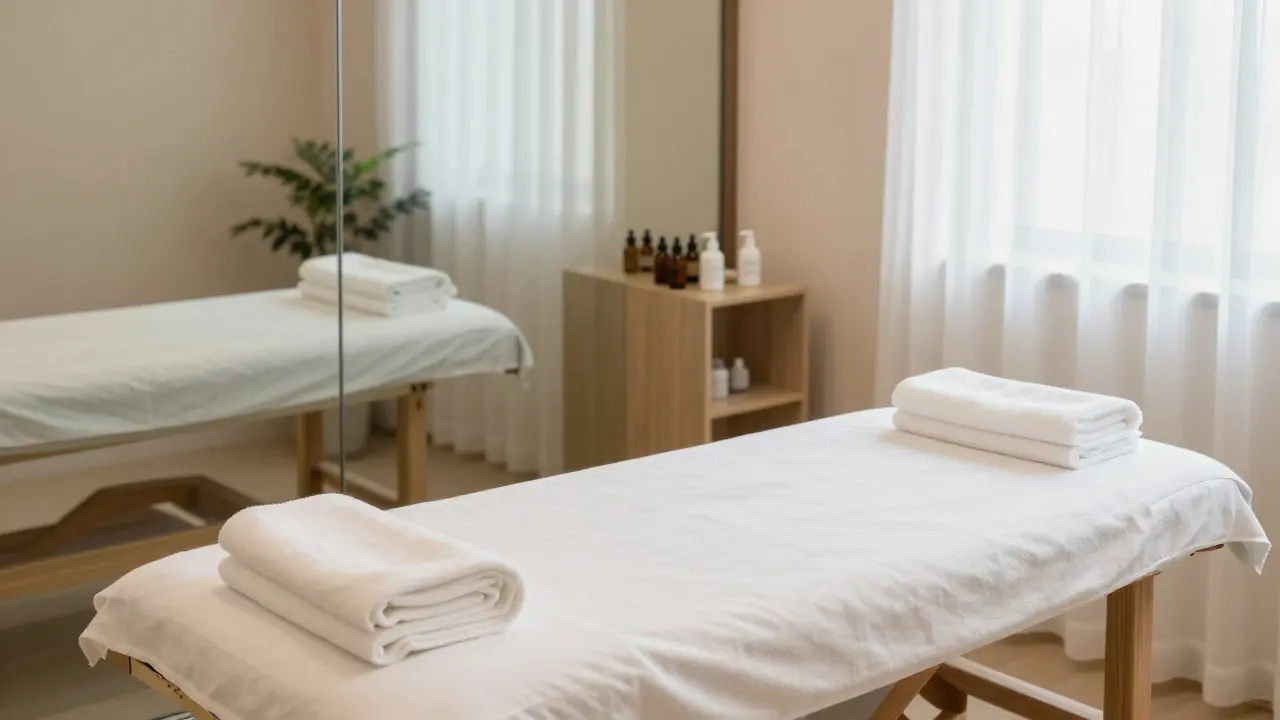
Professionalism in a spa setting is defined by draping and technique. Draping refers to the use of towels or sheets to cover parts of the body not being worked on at that moment. This isn't just about modesty; it creates warmth and reduces friction on the skin.
| Treatment Area | Typical Access | Client Decision |
|---|---|---|
| Upper Back & Shoulders | Always Exposed | No Choice Needed |
| Legs (Front & Back) | Exposed Individually | Standard Inclusion |
| Glutes / Hips | Optional | Requires Confirmation |
| Feet & Calves | Exposure Varies | Discuss Preferences |
Draping is critical when moving between zones. A skilled practitioner will never pull a sheet off entirely; instead, they move the fabric to uncover one limb at a time. This method maintains temperature regulation. It also signals respect for the body's vulnerability. If you feel exposed or uncomfortable, a brief pause to readjust the towel is perfectly acceptable.
Why the Posterior Chain Matters
From a physiological standpoint, ignoring the gluteal region completely can limit the effectiveness of a back massage. These muscles attach firmly to the pelvis and femur. Tightness here often mimics knee or hip issues. Working through these points releases stored tension that contributes to lower back pain.
Therapists look for trigger points-knots in the muscle that refer pain elsewhere. By releasing the attachment points on the sit bones or hips, they improve posture and gait. This doesn't mean invasive manipulation. It involves firm, targeted pressure near the edge of the muscle belly. Think of it as tuning the engine rather than polishing the dashboard. The goal is mechanical function, not general sensation.
If you suffer from sedentary pain, sitting for hours weakens these muscles. Neglecting them leads to poor spinal alignment. Integrating this area into your routine might prevent future injury. However, it remains optional based on your comfort level.
Setting Your Boundaries with Confidence
Communication is the best tool you have before lying down. There is no shame in stating your preferences. You can simply say, "I would prefer not to have that area touched." Most professionals welcome clear directives. It saves time and ensures you stay relaxed.
- Mention your concern during the intake interview before the massage begins.
- Ask specifically which areas will be accessed during the procedure.
- Confirm how the sheet will be moved during leg work.
- Reiterate boundaries if you feel unsure mid-session.
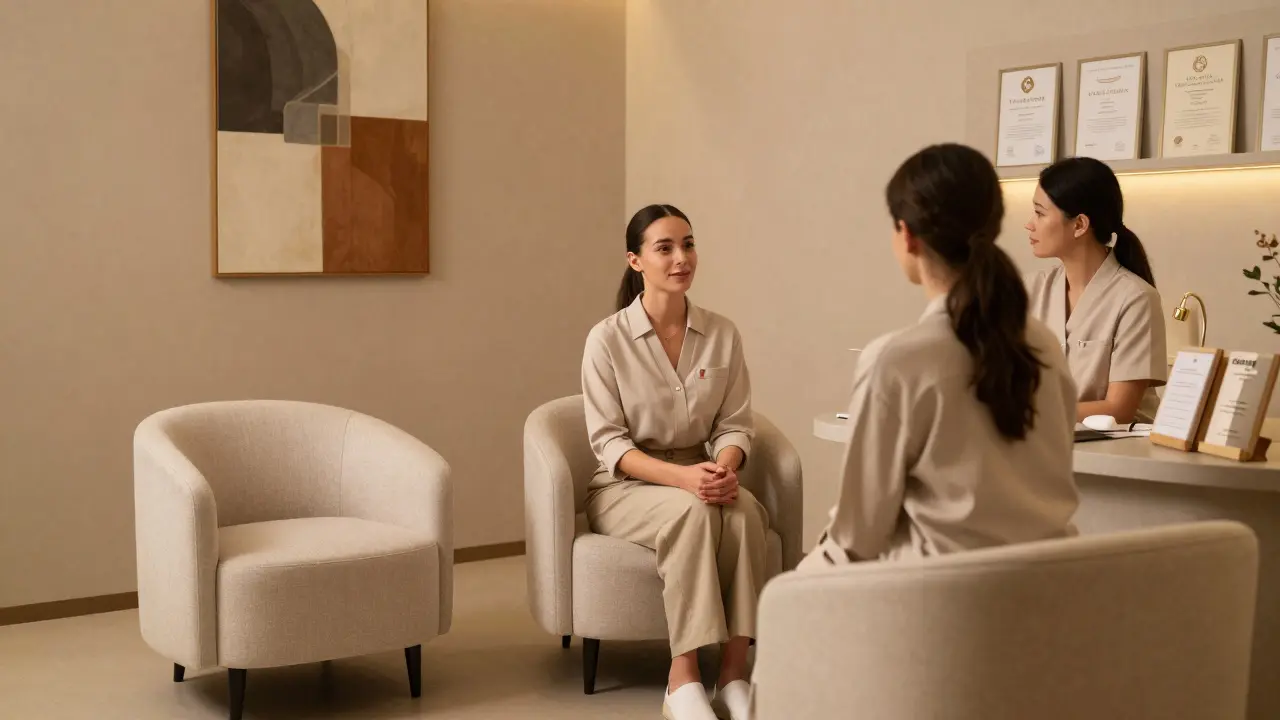
This dialogue sets the stage for trust. Therapists are trained to adapt quickly to feedback. Remember, you are the client, not the subject. Your satisfaction comes from feeling safe. If the staff makes you feel awkward, ask for a manager. Top-tier clinics prioritize guest comfort above all else.
Safety and Ethical Considerations
Hygiene is non-negotiable. Hands must be washed before touching clients. Sheets should be fresh for every guest. In a regulated market, infection control protocols are standard. Always verify that the establishment is licensed. Unlicensed operators may cut corners on sterilization, increasing risks for skin infections or cross-contamination.
Ethical practice demands that consent is ongoing. A "yes" at the start does not grant blanket permission for everything. If something doesn't feel right, you have the right to stop immediately. Trust your instincts. Real pain should feel like "good hurt," whereas sharp, unexpected discomfort signals a problem.
Finding Resources for Reliable Care
Research matters. Read reviews focusing on professionalism rather than just atmosphere. Look for keywords like "respectful," "professional," and "licensed." Avoid places that promise ambiguous services. In Dubai, legitimate providers display certifications prominently. You can also check for membership with recognized bodies like the Association of Reflexologists or similar regional groups.
Don't hesitate to call ahead. Asking, "What exactly does your full body package include?" gives you the answers without stepping foot on site. Reputable managers handle these questions daily with grace. They understand that transparency builds loyalty. Choosing a clinic that values clarity is a great first step toward relaxation.
Is a full body massage guaranteed to include the glutes?
No, it is not automatic. While therapists often treat nearby muscles like the hamstrings, direct gluteal work is usually restricted to the edges of the muscle group unless specifically discussed and agreed upon during the consultation.
How do I request specific exclusions politely?
State your preference clearly before undressing. Phrases like "Please skip the lower back connection to the hips" are standard. Professional therapists appreciate this as it allows them to focus on your approved areas.
What is the typical duration of a full body session?
A comprehensive session typically lasts 60 minutes, sometimes extending to 90 minutes depending on the depth of pressure applied. The remaining time accounts for setup and cleanup, allowing for proper breathing room.
Are there cultural rules I should know in Dubai?
Yes, modesty is valued. Facilities maintain strict separation between genders. Ensure you book a therapist of your preferred gender if you are uncomfortable. Also, licensed centers adhere to strict hygiene laws to protect guests.
Can I bring my own oils or products?
Most clinics prefer using their own certified products to manage allergies and liability. However, asking ahead of time might allow for accommodation if you have sensitive skin requirements.