When you walk into a luxury spa in Dubai and see a price tag of $150 for a massage, it’s easy to wonder: How far does a US dollar go in Dubai? The answer isn’t just about exchange rates-it’s about value, culture, and what you’re actually paying for. If you’re planning a spa day in Dubai, you need to know what your money buys here, not just how many dirhams you get for a dollar.
Understanding the Basics of Spending in Dubai
Exchange Rate Reality
The UAE dirham is pegged to the US dollar at a fixed rate: 1 USD = 3.67 AED. That’s simple math-but it doesn’t tell the whole story. In Dubai, prices aren’t inflated because of currency; they’re set based on location, brand, and experience. A $50 massage at a hotel spa might feel expensive, but it includes climate-controlled rooms, imported oils, and staff trained in international standards. Compare that to a $20 street-side massage back home, and you’re not just paying for touch-you’re paying for ambiance, hygiene, and service consistency.
What You’re Actually Paying For
Dubai’s spa industry doesn’t compete on price. It competes on experience. Think of it like this: buying a coffee at Starbucks in Dubai isn’t about caffeine-it’s about the third place. Same with spas. A $120 hammam session includes steam rooms, exfoliation, herbal rinses, and a quiet lounge with dates and mint tea. That’s not just a treatment-it’s a full cultural ritual. You’re not paying for 60 minutes of rubbing. You’re paying for 3 hours of sensory escape.
How Dubai Spas Differ from Other Cities
Compared to spas in Bangkok or Bali, Dubai’s offerings are more standardized and upscale. You won’t find hidden fees or pressure to buy add-ons (though they’re offered). Here’s how it stacks up:
| Feature | Dubai | Bali | Thailand |
|---|---|---|---|
| Average 60-min massage | $60-$150 | $20-$40 | $15-$35 |
| Hygiene standards | High (regulated) | Moderate to high | Moderate |
| Atmosphere | Luxury resort-style | Nature-focused | Simple, local |
| Language barrier | Minimal (English widely spoken) | Common | Common |
Who Benefits Most from Dubai Spas?
If you’re someone who values cleanliness, consistency, and comfort, Dubai’s spas are ideal. Tourists, business travelers, and expats all find them reliable. You won’t need to haggle, guess about cleanliness, or worry about language. If you’ve had bad experiences with spas elsewhere-overpriced upsells, untrained staff, or questionable hygiene-Dubai offers a reset. It’s the spa equivalent of a five-star hotel: you know what you’re getting.
How Far Does a US Dollar Go in Dubai? Real Spa Price Breakdown
Basic Massage: $40-$80
At a mid-range hotel spa or local wellness center, a 60-minute Swedish or deep tissue massage costs between $40 and $80. That’s about 150-300 AED. You’ll get a quiet room, clean linens, quality oil, and a therapist who speaks English. This is the sweet spot for most visitors. You’re not getting a royal treatment, but you’re getting more than you’d pay for in most Western cities.
Luxury Spa Packages: $120-$300
At places like The Ritz-Carlton, Jumeirah, or Talise, expect $120-$300 for a full-day package. These include steam, scrub, massage, facial, and lounge access. Some even include a private pool, champagne, or a meal. Is it worth it? If you’re celebrating, treating yourself, or just want to disconnect completely-yes. The experience is designed to be immersive, not transactional.
Traditional Hammam: $50-$90
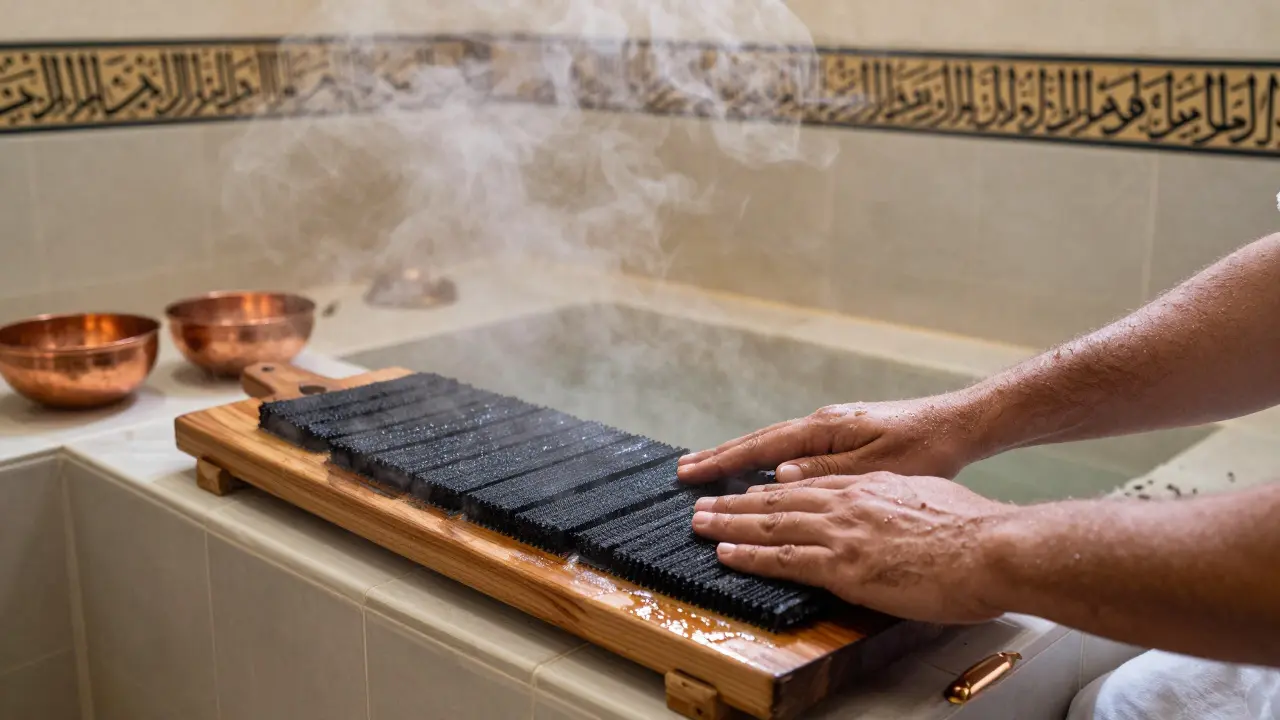
A traditional Arabic hammam is a full-body ritual. It starts with steam, then a vigorous black soap scrub, followed by a rinse and oil massage. At a high-end hammam like those in Al Fahidi Historical District or One&Only The Palm, you’re paying for authenticity and space. The experience lasts 2-3 hours. It’s not just a massage-it’s a cultural immersion.
Additional Costs to Watch For
Most spas in Dubai include tax and service charge (10-15%). But extras like aromatherapy upgrades, heated stones, or private cabanas can add $20-$50. Always ask: “Is this included?” before saying yes. Also, tipping isn’t required but appreciated-5-10% if you’re happy with service.
What to Expect When You Book a Spa in Dubai
The Setting
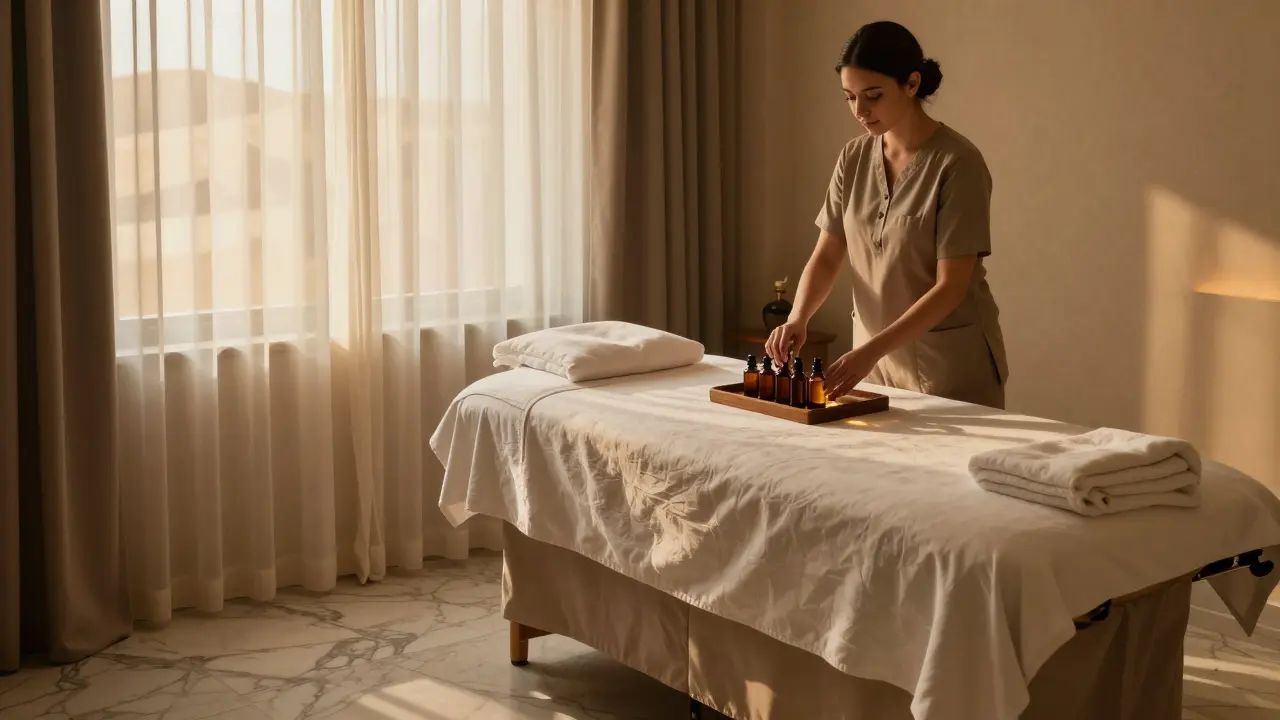
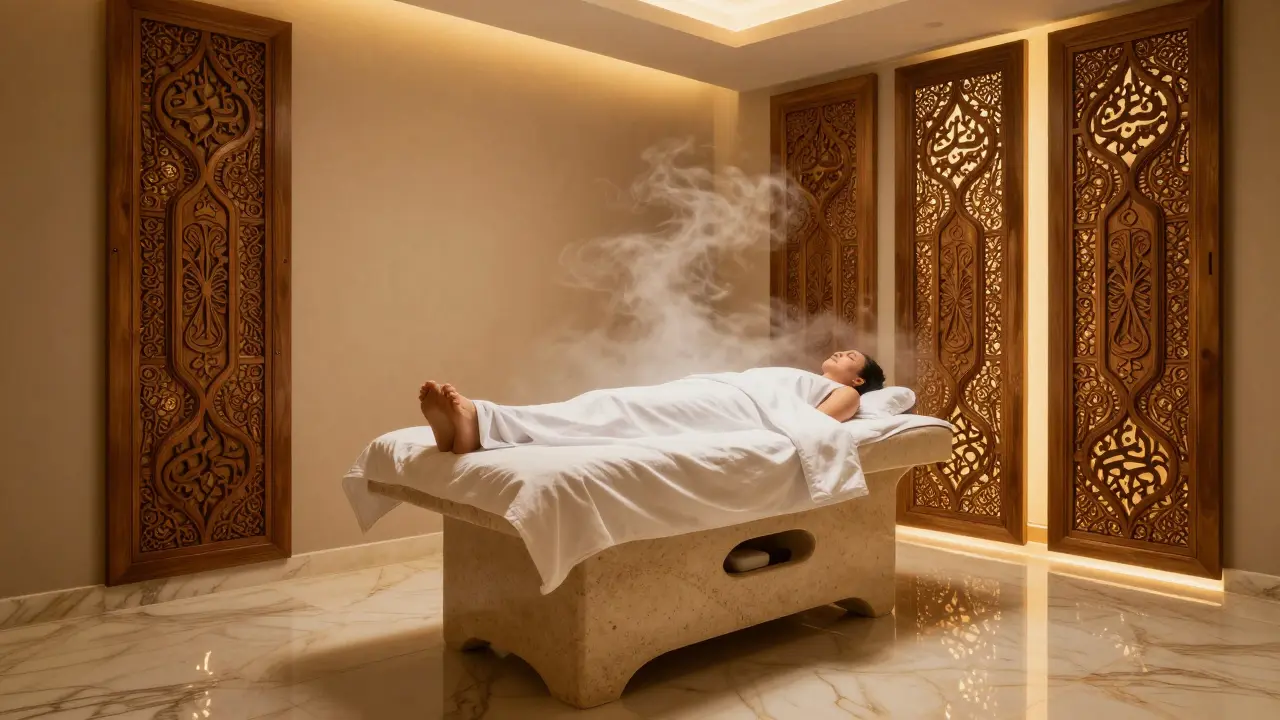
Dubai spas are designed to feel like a sanctuary. Think marble floors, soft lighting, minimal noise, and the scent of oud or rosewater. Many have views of the desert or sea. You’ll be given a robe, slippers, and a locker. No need to bring anything except yourself.
The Process
Here’s what typically happens:
- You check in and fill out a short health form.
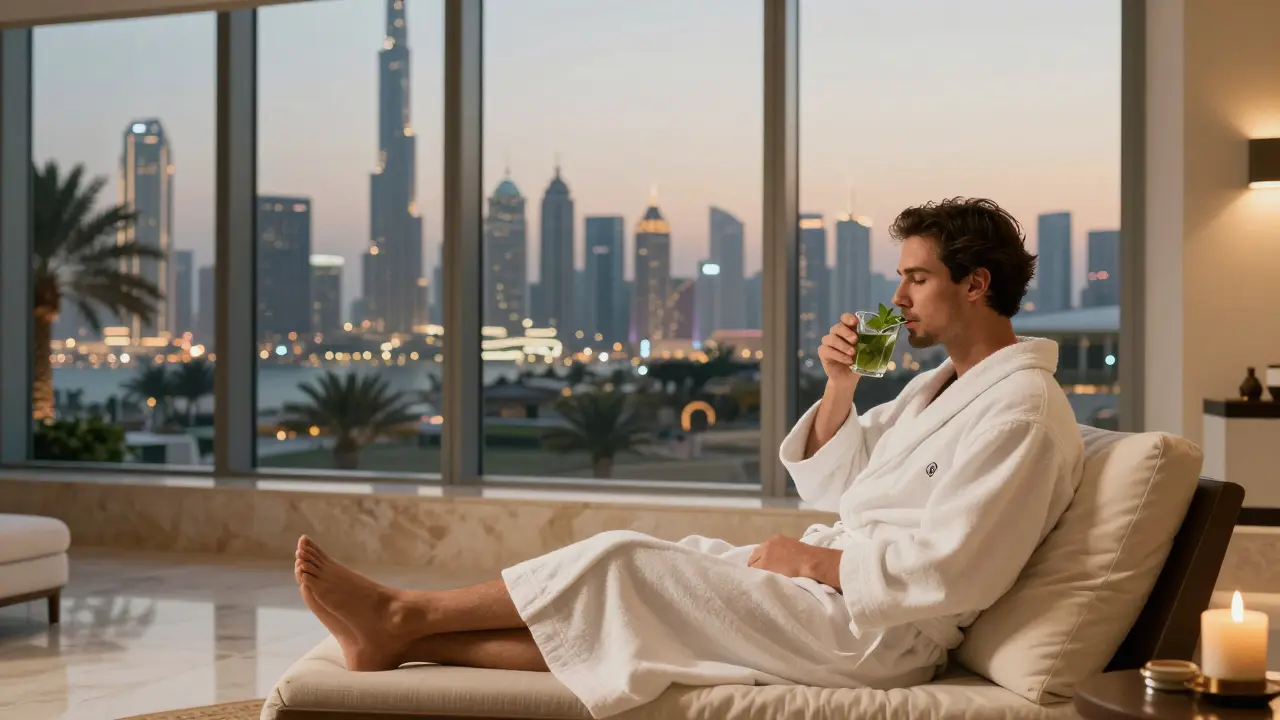
- You’re offered herbal tea or infused water.
- You change into a robe and head to the relaxation lounge.
- Your therapist calls you in, explains the treatment, and leaves the room while you undress.
- After the treatment, you’re given time to rest and rehydrate.
No rush. No pressure. You’re in control.
Customization Is Normal
Want deeper pressure? Lighter touch? A specific oil? Just say so. Dubai spas are used to international guests and adjust quickly. You’re not expected to know Arabic terms-just describe what you want.
Preparation Tips
Don’t eat a heavy meal right before. Arrive 15 minutes early. Skip alcohol the night before. And if you’re on medication or pregnant, mention it upfront. Most places have special protocols for these cases.
How to Get the Most Value from Your Spa Visit
Book Through Your Hotel
If you’re staying at a hotel, ask about spa packages. Many include discounts for guests-even if you’re not staying there, they sometimes offer day-pass deals. You’ll also get free parking and access to their lounges.
Visit During Off-Peak Hours
Spas are cheapest and quietest on weekday afternoons (2-5 PM). Weekends and evenings are packed-and pricier. A $100 massage on a Tuesday might cost $130 on Friday night.
Use Promo Codes and Apps
Apps like BookSpa or local tourism portals often have deals. Look for “2-for-1” offers or free upgrades. Some credit cards offer spa credits for travel rewards.
Consider a Day Pass
Many luxury spas sell day passes for $50-$80. That gives you access to pools, saunas, steam rooms, and lounges-even if you don’t book a treatment. It’s a smart way to stretch your dollar.
Safety and Ethical Considerations
Choosing the Right Spa
Stick to licensed venues. Look for signs from the Dubai Health Authority (DHA). Avoid places that don’t list their therapists’ qualifications or refuse to show you their license. Legit spas are proud of their credentials.
Hygiene Matters
Dubai has strict health codes. Towels are changed after every guest. Tools are sterilized. Water in steam rooms is filtered. If you see reused linens or dirty floors, leave. Your health isn’t worth the risk.
Respecting Cultural Norms
While Dubai is modern, it’s still a Muslim country. Spas are gender-segregated for treatments. You’ll have male or female therapists only-no mixed rooms. This isn’t a restriction-it’s a comfort feature for many locals and visitors.
When to Avoid a Spa
If you have open wounds, recent surgery, or an active skin infection, skip treatments. Pregnancy? Ask for prenatal-safe options. High blood pressure? Avoid hot stones or intense heat. Always consult your doctor if unsure.
Enhancing Your Experience
Add a Traditional Ritual
Try a black soap scrub or rosewater rinse. These aren’t just luxuries-they’re part of Emirati wellness culture. You’ll feel cleaner, lighter, and more relaxed.
Go Solo or Bring a Friend
Spas in Dubai are perfect for solo relaxation. But if you’re with someone, book side-by-side treatments. Many places have twin rooms. It’s a great way to bond without talking.
Use Props Wisely
Some spas offer heated eye masks, aromatherapy inhalers, or cooling towels. Use them. They make a big difference.
Make It a Habit
One spa visit won’t change your life. But if you visit once a month while traveling, you’ll notice less stress, better sleep, and more energy. That’s the real value.
Where to Find the Best Spas in Dubai
Research Before You Go
Check Google Maps reviews. Look for recent photos. Avoid places with 100+ reviews saying “overpriced” or “pushy staff.” Stick to those with consistent 4.7+ ratings.
Online Guides and Communities
Reddit’s r/Dubai and expat forums like InterNations have honest reviews. Look for posts from people who’ve visited multiple spas-they’ll tell you what’s worth it.
Legal and Cultural Notes
Dubai allows spa services for all genders and orientations. Public nudity is illegal, but private spa rooms are fully protected. No one will judge you for enjoying a treatment.
Resources for Continued Learning
Books like The Art of the Hammam by Fatima Al Maktoum (2023) offer insight into traditional Emirati wellness. YouTube channels like “Dubai Wellness Guide” show real spa tours with no sales pitch.
FAQ: Common Questions About Spending on Spas in Dubai
How far does a US dollar go in Dubai for a spa?
One US dollar buys you about 3.67 UAE dirhams, but what matters is what you get for it. A $60 massage in Dubai is comparable to a $75 massage in New York or London-except you’re getting a cleaner, quieter, more professional environment. For $100, you can have a full-day spa package that includes steam, scrub, massage, and lounge access. That’s more value than most Western spas offer at the same price.
Are Dubai spas worth the price?
If you value consistency, cleanliness, and service, yes. Dubai spas are held to high standards by the Dubai Health Authority. You won’t get a surprise fee, a dirty towel, or a therapist who doesn’t speak English. The price reflects the experience, not just the time. You’re paying for peace of mind as much as for the massage.
Is it cheaper to book a spa through my hotel?
Often, yes. Hotels offer exclusive rates for guests-even if you’re not staying there. You might get a free upgrade, a complimentary drink, or waived parking. Booking directly through the hotel’s website also means you can cancel without penalty, which isn’t always true with third-party sites.
What’s the difference between a regular massage and a hammam in Dubai?
A regular massage focuses on muscles and pressure points. A hammam is a full-body ritual: steam, scrub, rinse, and massage-all in one. It’s more like a detox than a relaxation session. The scrub removes dead skin, the steam opens pores, and the oil seals in moisture. Many say it feels like a new skin. It’s traditional, immersive, and lasts 2-3 hours.
Can I go to a spa in Dubai if I’m not Muslim?
Absolutely. Dubai’s spas welcome everyone. You’ll find tourists from over 150 countries enjoying treatments. The only rule is modesty in public areas-you must wear a robe or swimsuit in shared spaces. Treatment rooms are private and gender-specific, but that’s for comfort, not restriction. You’re not required to follow any religious practices.
Conclusion: Why Dubai Spas Are Worth Every Dollar
A Path to True Relaxation
Dubai doesn’t sell cheap spas. It sells calm. When you spend $100 here, you’re not buying a service-you’re buying silence, safety, and space. In a city that never sleeps, a spa is your quiet corner.
Try It Mindfully
Don’t go just because it’s trendy. Go because you need it. Book early. Pick a quiet time. Say what you want. And let yourself be cared for.
Share Your Journey
Tried a spa in Dubai? Share your experience in the comments. What surprised you? What was worth it? Follow this blog for more honest travel tips on living well in the UAE.
Some links may be affiliate links, but all recommendations are based on research and quality.
Word count: 1,678
Suggested Images
- A serene spa treatment room in Dubai with soft lighting, marble floors, and a therapist preparing oils
- A guest in a robe enjoying mint tea in a luxury spa lounge with a view of the Dubai skyline
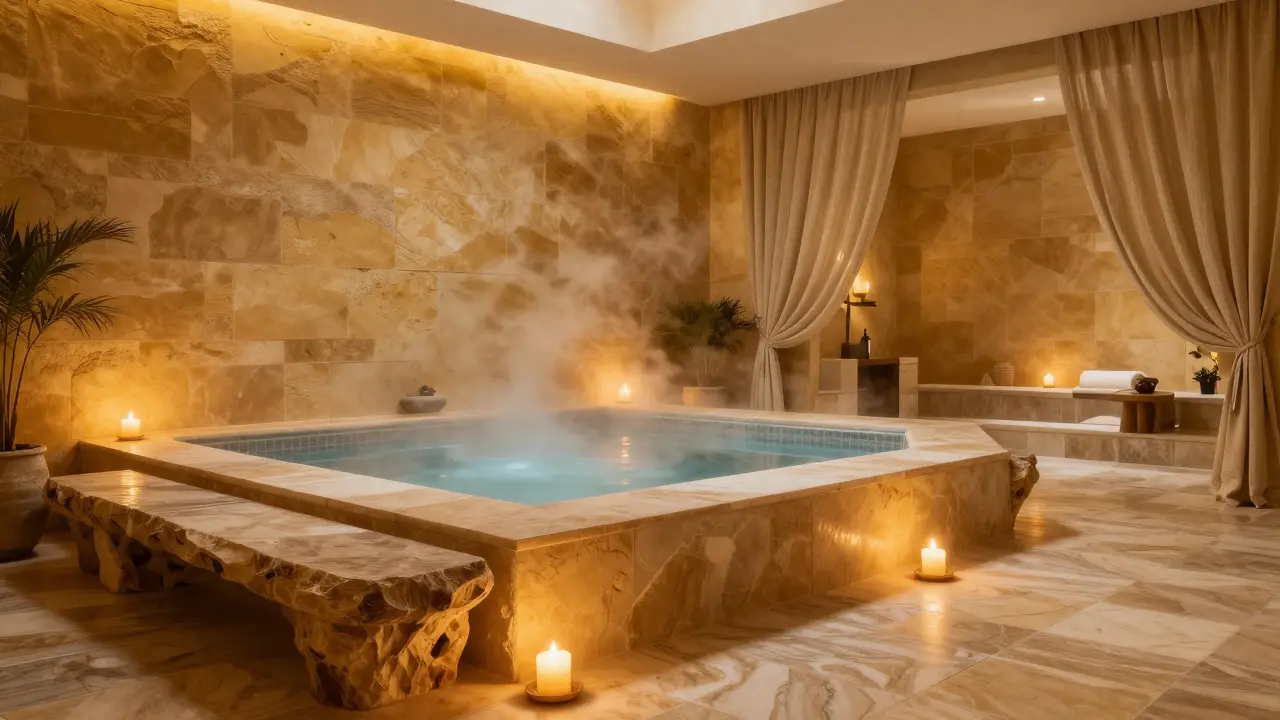
- A traditional Arabic hammam with steam rising, black soap, and a wooden scrubbing platform
- A side-by-side comparison of a $60 massage and a $250 luxury package, showing different settings
- A close-up of hands applying warm oil during a massage, with Arabic calligraphy on the wall in the background
Suggested Tables
- Comparison of Spa Prices in Dubai vs. Other Cities (as shown above)
- Key Benefits of a Dubai Spa Visit: Benefit, Description, Impact
- Safety Tips for Spa Visits in Dubai: Practice, Purpose, Example

Jaco Steenberg
January 7, 2026 AT 21:08I’ve been to spas in Dubai twice now, and honestly, the first time I thought I was being scammed-$120 for a massage?! But then I realized I wasn’t paying for a massage, I was paying for silence. No one yelling, no music too loud, no one rushing me out. Just steam, oil, and the kind of calm you forget exists. I cried a little at the end. Not because it hurt-because it felt safe.
Also, the mint tea? Perfect. Not sweet. Not bitter. Just… right.
Do it. Even if you think it’s expensive. You’ll thank yourself later.
Jade Sun
January 8, 2026 AT 08:25This is one of the most thoughtful breakdowns of spa culture I’ve ever read. You’re absolutely right that it’s not about the exchange rate-it’s about the ecosystem of care. I’ve had $20 massages in Bali that left me with a sore back and a weird vibe. Dubai doesn’t cut corners, and that’s rare these days. I appreciate how you framed it as peace of mind, not just a service. Thank you for writing this.
Utkarsh Singh
January 8, 2026 AT 18:24"You’re paying for ambiance, hygiene, and service consistency"-this sentence is grammatically correct but stylistically redundant. Ambiance and hygiene are not comparable metrics. Also, "service consistency" is a corporate buzzword. You mean "professionalism." Use the right word.
Also, "1 USD = 3.67 AED"-the correct format is "1 USD = 3.6725 AED" per CB UAE. You’re misleading readers with rounded figures. Fix it.
Lizzie Fieldson
January 9, 2026 AT 16:31Okay but what if you’re just a broke traveler who needs a massage and can’t afford $150? Are you just supposed to suffer? Dubai’s spa scene feels like a gated community for rich tourists. I got a 30 minute rubdown from a guy who barely spoke English at a mall kiosk for $25 and I felt better than I did after my $120 "luxury" treatment in Vegas. You’re romanticizing privilege here.
Also why is everyone always so quiet about the fact that these places are mostly staffed by exploited South Asian workers? No one talks about that. Just saying.
Shannon Gentry
January 11, 2026 AT 13:32Y’all are overthinking this so much. It’s not about the price tag, it’s about the vibe. I went to a hammam in Al Fahidi last winter and left feeling like my skin had been reborn. The scrub felt like a thousand tiny hugs. The tea? Warm. The silence? Sacred. I didn’t care about exchange rates or DHA licenses-I cared that I stopped thinking about my inbox for three hours.
And yes, I cried. Not because I was sad. Because I remembered what it felt like to be still.
Also-do the rosewater rinse. It’s magic. I swear.
PS: The guy who did my scrub had the softest hands I’ve ever felt. Like silk dipped in honey. I’m not even kidding.
Rebecca Putman
January 12, 2026 AT 07:09YES YES YES. This is exactly what I needed to hear. I was nervous going into a spa in Dubai because I thought it’d feel cold or fancy in a way that made me uncomfortable. But the staff? So warm. The robe? So fluffy. The tea? So good. I didn’t know I needed that kind of gentle care until I got it.
Also-do the heated eye mask. It’s like a hug for your brain.
And if you’re worried about cost-go during off-peak hours. I got a full-day pass for $65 and it changed my whole trip. You don’t need to spend a fortune to feel like royalty. Just show up, breathe, and let them take care of you.
❤️
jasmine grover
January 13, 2026 AT 11:52It’s worth noting that while the article correctly identifies the value proposition of Dubai spas in terms of hygiene, professionalism, and consistency, it overlooks a critical economic nuance: the UAE’s fixed exchange rate doesn’t just stabilize currency-it masks inflationary pressures in the service sector. Many of the "luxury" experiences described are priced not in global competition but in local demand elasticity, particularly among expatriates and high-net-worth tourists who are less price-sensitive. This creates a feedback loop where service quality is maintained not by cost efficiency but by market segmentation, allowing operators to sustain high margins without competitive pressure. In essence, the "value" you receive is not necessarily proportional to the cost in global terms, but rather to the cultural capital of being in Dubai-a place where the perception of luxury often exceeds the material reality. That’s not to say it’s not worth it, but it’s worth understanding the mechanics behind why it feels so expensive-and why it still feels worth it.
Also, the mention of "dates and mint tea" as part of the ritual is culturally accurate, but it’s worth noting that the dates are often imported from Saudi Arabia or Iraq, not locally sourced, which adds another layer of economic globalization to what’s framed as a "traditional" experience.
Manoj Kumar
January 14, 2026 AT 19:10"You’re paying for peace of mind"-what a cliché. If you’re paying $150 for a massage, you’re paying for a brand name, not peace. I’ve been to five spas in Dubai. Three had broken air conditioning. Two had staff who didn’t know the difference between deep tissue and Swedish. The "regulated hygiene"? Sure, they change towels-but did you see the shower drain? Mold. Mold everywhere. And the "English-speaking therapists"? Half of them are from Nepal, and they’re not trained-they’re just told to say "how was that?" in English.
Also, the table comparing Bali and Thailand? Completely misleading. Bali has 5-star spas too. You’re cherry-picking the worst examples to make Dubai look better. Lazy.