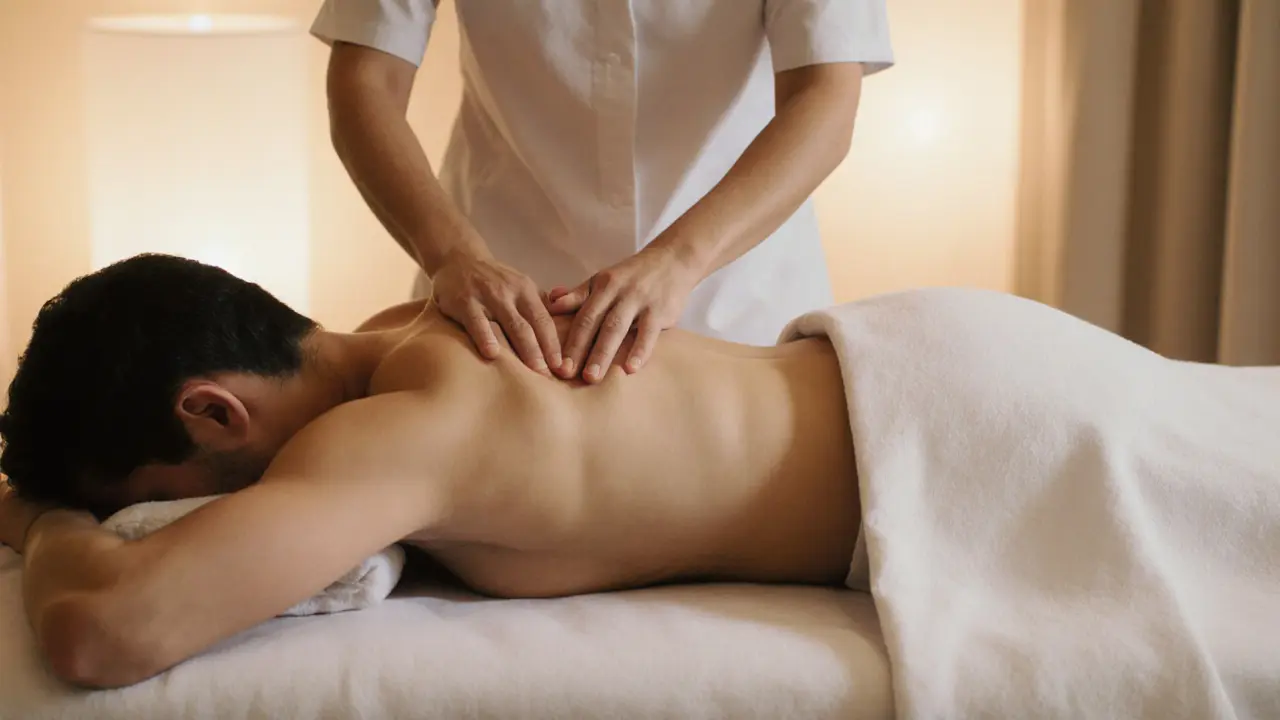
If you've been sitting at a desk all day or recovering from a tough workout, you might be wondering about deep tissue massage. It's one of those treatments people talk about in hushed tones-as either the ultimate relief or the "worst pain" they ever experienced. The reality isn't black and white; it sits comfortably somewhere in between. While this therapy does involve firm pressure, the goal isn't to hurt you, but to release chronic muscle tension. Think of it less like breaking your muscles and more like gently untangling a knot in a rope. You won't walk away bruised or incapacitated, but you might feel some temporary soreness, similar to a good gym session.
How Painful Is Deep Tissue Massage?
The short answer depends largely on your tolerance and the skill of the therapist. Many clients describe the sensation as a "good hurt"-intense pressure that feels relieving rather than damaging. Unlike a standard massage where strokes glide over the surface, deep tissue techniques dig deeper into the connective tissue layers. This means you will likely feel the therapist working on specific problem areas, which can trigger discomfort. However, a skilled practitioner knows how to communicate with you during the session to keep the pressure within your comfort zone. If you tell them something hurts sharply, they should adjust immediately. Pain is subjective; what feels unbearable to one person feels perfect to another.
| Feature | Deep Tissue Massage | Swedish Massage |
|---|---|---|
| Pressure Level | High / Firm | Light to Medium |
| Target Area | Deep Connective Tissue (Fascia) | Surface Muscles |
| Pain Potential | Moderate Intensity | Low to None |
| Best For | Chronic Pain, Knots | Relaxation, Stress Relief |
Understanding the Basics of Deep Tissue Massage
Origins and History
This therapy didn't just pop up overnight. It evolved from traditional bodywork practices used to treat sports injuries and chronic pain patterns. While exact origins are hard to pinpoint, modern therapeutic massage builds heavily on Western anatomical knowledge combined with Asian stretching techniques. Over the last century, physiotherapists and massage therapists began formalizing methods to target the fascia-the web-like connective tissue that surrounds our muscles. Understanding this history helps us appreciate that this isn't just a spa luxury; it's a clinical tool designed to fix movement issues.
Core Principles or Components
The heart of this treatment lies in friction and slow, gliding strokes applied perpendicular to the muscle fibers. The therapist uses their fingers, knuckles, or elbows to apply sustained pressure. The objective is to break down adhesions, which are bands of stiff tissue that form when muscles heal incorrectly after injury or strain. By physically manipulating these tissues, blood flow improves, and range of motion increases. The principle is simple: if you release the tension holding your muscles tight, your body can move freely again.
Who Can Benefit from Deep Tissue Massage?
You don't have to be an athlete to get value here. Anyone dealing with repetitive stress injuries-like neck pain from computer work or lower back stiffness from heavy lifting-can benefit significantly. It is also ideal for individuals suffering from chronic conditions like plantar fasciitis or sciatica. However, if you have extremely low pain tolerance or acute injuries, you might want to start with lighter therapies first. It’s about finding the balance between intense healing and your personal comfort threshold.
Benefits of Deep Tissue Massage for Body and Mind
Pain Reduction and Mobility
One of the most immediate benefits is the alleviation of chronic pain. By targeting the root cause of the tension rather than just symptoms, you can experience lasting relief. Studies indicate that consistent sessions improve joint flexibility and reduce muscle guarding. Imagine carrying a backpack that weighs 20 pounds everywhere you go; this therapy helps take that weight off. Your shoulders drop, your neck rotates more freely, and your posture naturally corrects itself because the underlying muscles aren't pulling you out of alignment.
Emotional Well-Being and Stress Relief
It’s not just physical. Chronic pain triggers the sympathetic nervous system-the fight or flight mode. When you undergo a therapeutic session, even a rigorous one, the body eventually shifts toward relaxation. As the physical hold loosens, mental stress tends to follow suit. While it's more intense than a relaxation massage, many report feeling calmer afterward because the constant background noise of pain is turned down. The endorphin release acts as a natural mood booster, helping you feel mentally clearer and less anxious.
| Benefit | Description | Impact |
|---|---|---|
| Pain Relief | Reduces chronic tension | Less daily discomfort |
| Injury Prevention | Balances muscle usage | Lower risk of future strain |
| Improved Sleep | Calm nervous system | Deeper rest cycles |
| Detoxification | Flushes lactic acid | Faster recovery times |
What to Expect When Engaging with Deep Tissue Massage
Setting or Context
You can find this service in various settings, from dedicated clinics and physiotherapy centers to luxury spas. The environment usually features dim lighting and quiet music, though it might feel more clinical than a relaxation room. Privacy is paramount, so expect a private room where you undress to your comfort level (usually down to underwear) and lie on a padded table. Professional draping ensures only the area being worked on is exposed at any time, maintaining dignity throughout the process.
Key Processes or Steps
A typical session starts with a consultation. The therapist will ask about your pain points, medical history, and recent activities. They will map out the areas needing attention. Once you are positioned face-down or face-up, they begin with warm-up strokes before moving into deeper work. The pace is slower than a standard massage. You might feel them pause on a specific knot for several minutes. Communication happens constantly-if the pressure changes, you give feedback. Afterward, hydration is crucial to help flush out metabolic waste released during the massage.
Customization Options
No two bodies are identical, and neither are massages. A good practitioner tailors the pressure and technique based on your response. You can request focusing on a single area, like the hamstrings, or cover the whole body. Some therapists combine myofascial release or trigger point therapy to address stubborn spots. This customization ensures the session matches your needs, whether it's preparing for a marathon or simply trying to sleep better at night.

How to Practice or Apply Self-Care
Setting Up for Success
While a therapist is best for the actual massage, you can maintain progress at home. A quiet, comfortable space free from distractions helps you focus on your body's signals. Having plenty of water nearby is essential, as hydration keeps muscles pliable. You don't need fancy equipment, but basic tools like foam rollers or massage balls can assist in releasing minor tension between professional sessions.
Choosing the Right Tools or Professionals
When booking, look for licensed massage therapists (LMTs) with specific training in orthopedic or clinical massage. Credentials matter. Read reviews that mention 'deep' or 'clinical' results to distinguish them from purely relaxing treatments. Ask about their experience with your specific condition beforehand. Using high-quality oils or lotions reduces friction, preventing skin irritation during the friction-based movements of this therapy.
Safety and Ethical Considerations
Choosing Qualified Practitioners
Always verify credentials. In many regions, therapists must pass exams and adhere to hygiene standards. An unqualified individual using deep pressure can actually worsen injuries or cause bruising and inflammation. Look for members of recognized associations like the AMTA (American Massage Therapy Association) or local equivalents, which ensure ongoing education and ethical practice guidelines.
Safety Practices and Hygiene
Hygiene is non-negotiable. The therapist should wash hands, use fresh linens, and sanitize tools between clients. You should feel free to discuss any health concerns openly. If you are pregnant or have osteoporosis, deep pressure near bones or sensitive areas requires extreme caution or should be avoided entirely. Always inform the therapist of current medications, especially blood thinners, as the increased circulation could affect bruising risks.
| Practice | Purpose | Example Action |
|---|---|---|
| Consultation | Risk Assessment | Tell therapist about past injuries |
| Consent | Comfort Boundary | Stop immediately if sharp pain occurs |
| Hydration | Recovery | Drink 2 liters of water post-session |
Enhancing Your Experience
Adding Complementary Practices
To extend the benefits, combine your massage with gentle stretching or yoga. This maintains the range of motion gained during the session. Heat application, like a warm bath with Epsom salts, helps relax muscles further and speeds up recovery. Mindfulness meditation can also amplify the relaxation response, making the overall experience holistic rather than purely physical.
Regular Engagement for Benefits
One session offers temporary relief, but a series provides long-term change. Think of it as maintenance for your car; regular checkups prevent big breakdowns. Schedule monthly or bi-weekly appointments depending on your lifestyle and activity levels. Consistency allows the connective tissue to adapt permanently rather than snapping back into old patterns of tension.

Finding Resources or Experts
Researching Qualified Experts
Start with reputable directories or referrals from your healthcare provider. Online reviews are helpful, but look for specific mentions of 'technique' and 'results'. Community forums can offer honest insights about local practitioners and their specialization styles. Don't hesitate to call a clinic and ask about their specific approach to deep tissue work before booking.
FAQ: Common Questions About Deep Tissue Massage
Is deep tissue massage supposed to hurt?
It should not feel like sharp or stabbing pain. Discomfort is normal when releasing tight knots, but the sensation should be manageable. If it becomes excruciating, communicate with your therapist to lower the pressure immediately.
What happens during a session?
The therapist uses slow, deliberate strokes to reach deeper muscle layers. They will apply firm pressure to break adhesions and stretch the connective tissue. Communication is key, allowing you to guide the intensity.
How does it differ from a Swedish massage?
Swedish massage focuses on relaxation with lighter strokes on the surface muscles. Deep tissue targets chronic tension in the deeper fascia layers, requiring firmer pressure and slower movements to resolve specific issues.
How often should I get this treatment?
Frequency depends on your goals. For acute issues, weekly sessions may be needed initially. For maintenance, once a month or every two weeks is typically sufficient to keep muscles balanced and healthy.
Is it safe for everyone?
It is not suitable for certain conditions like acute injuries, severe osteoporosis, or pregnancy without modifications. Always consult your doctor if you have serious health concerns before booking an intensive therapy session.
Conclusion: Why Deep Tissue Massage Is Worth Exploring
A Path to Physical Freedom
While the thought of a "painful" massage might sound intimidating, understanding the purpose removes the fear. You aren't walking into a torture chamber; you're entering a healing space dedicated to fixing your body mechanics. The potential for improved mobility and pain reduction far outweighs the brief moments of pressure during the session.
Try It Mindfully
Approach your first appointment with an open mind and clear communication lines. Trust the process, hydrate afterwards, and listen to your body's responses. With the right therapist, this therapy can become a cornerstone of your wellness routine.
Share Your Journey
Have you tried deep tissue work before? What was your experience like? Share your thoughts in the comments below to help others navigate their own path to better physical health!