Should I Use Soap After Body Scrub? The Truth About Post-Scrub Cleansing
When it comes to body scrub, most people know the basics: slather it on, rub it in, rinse off, feel smooth. But the real question no one talks about? Should you follow it up with soap? It’s not just about cleanliness-it’s about protecting your skin’s natural balance. Skip this step, and you might end up with dry, irritated skin. Use soap wrong, and you strip away everything the scrub was meant to help. Let’s cut through the noise and find out what actually works.
Understanding the Basics of Body Scrub
Origins and History
Body scrubs aren’t new. Ancient Egyptians used salt and olive oil to exfoliate. In India, turmeric and gram flour were common in traditional ubtan rituals. Arab cultures in the Gulf region, including here in Dubai, have long used natural ingredients like ground coffee, rosewater, and sea salt in post-bath rituals. These weren’t just beauty treatments-they were part of spiritual cleansing and daily hygiene. Today’s commercial scrubs are just modern versions of those same principles: removing dead skin, boosting circulation, and preparing skin for hydration.
Core Principles or Components
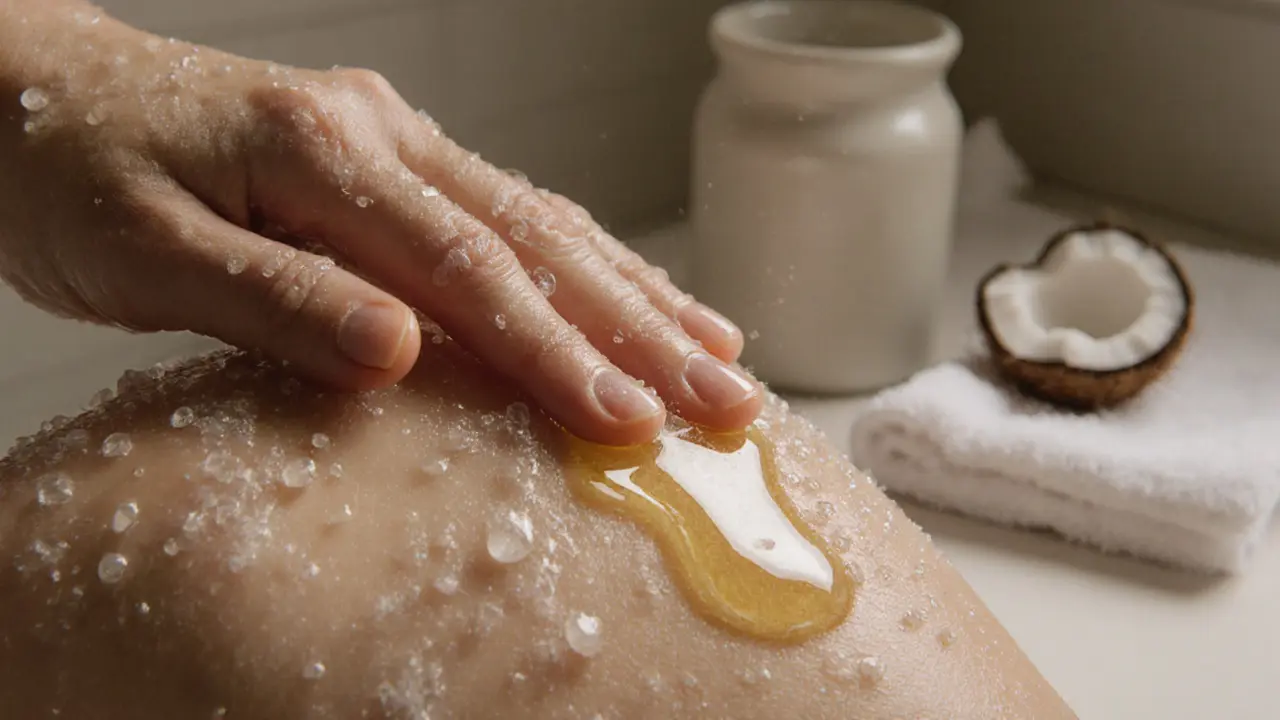
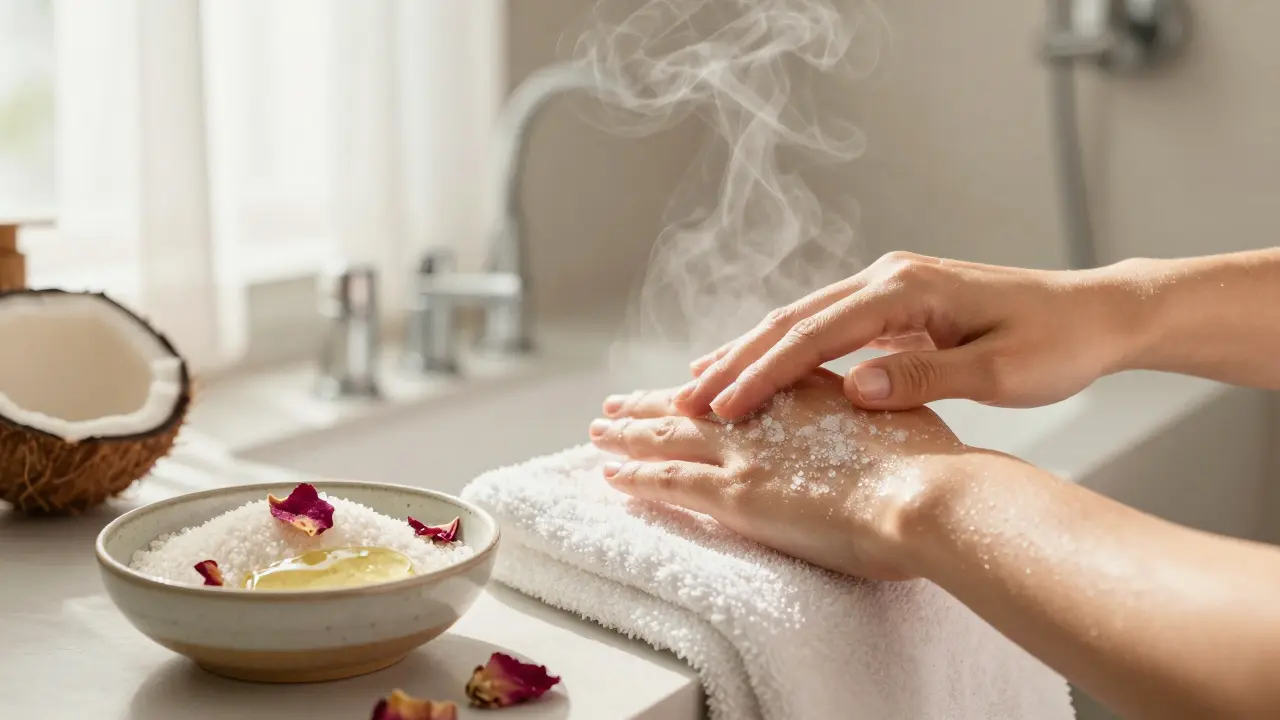
A good body scrub has two key parts: the exfoliant and the carrier. The exfoliant-salt, sugar, ground nuts, or even crushed apricot pits-physically sloughs off dead skin. The carrier-oil, butter, or gel-holds the particles and adds moisture. The goal isn’t to scrub until your skin glows red. It’s to gently remove the dull layer so your moisturizer can sink in deeper. Over-scrubbing damages the skin barrier, which is why timing and technique matter more than how hard you rub.
How It Differs from Related Practices
Body scrubs aren’t the same as chemical exfoliants or loofahs. Here’s how they stack up:
| Method | Key Feature | Primary Benefit |
|---|---|---|
| Body Scrub | Physical particles + oil base | Immediate smoothness, boosts circulation |
| Chemical Exfoliant (AHA/BHA) | Liquid acids dissolve dead cells | Deeper pore cleaning, reduces acne |
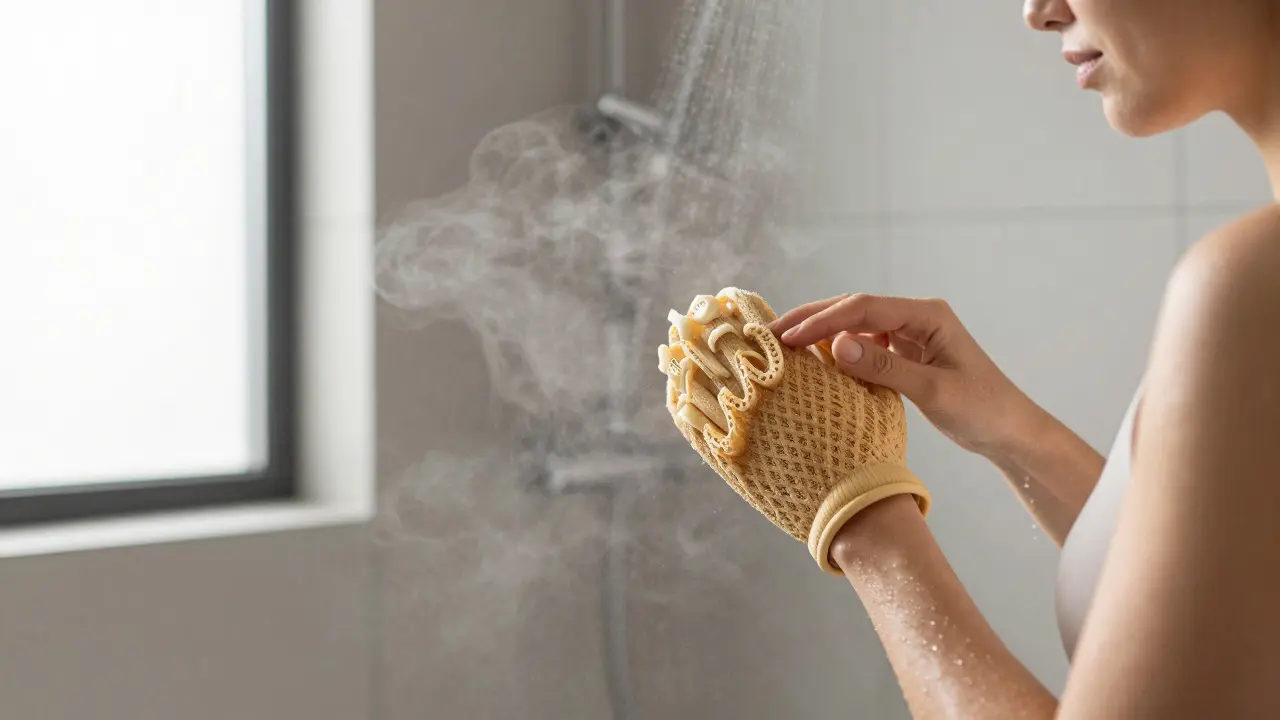
| Loofah or Washcloth | Passive friction during shower | Mild surface cleanup, no added moisture |
Who Can Benefit from Body Scrub?
Almost everyone. If you have dry, flaky skin-especially in Dubai’s dry climate-you’ll notice a big difference. Athletes use it to prevent ingrown hairs. People with keratosis pilaris (those tiny bumps on arms and thighs) find relief. Even those with oily skin benefit, because clogged pores often start with trapped dead skin. The key is matching the scrub’s texture to your skin type. Coarse salt scrubs? Better for feet or elbows. Fine sugar scrubs? Ideal for arms, legs, and torso.
Benefits of Body Scrub for Skin Health
Improved Skin Texture
After just one scrub, your skin feels noticeably softer. That’s because you’re removing the outer layer of dead cells that make skin look dull and feel rough. This isn’t just cosmetic-it helps your moisturizer absorb better. Think of it like painting a wall: you sand it first so the paint sticks. Same with skin. Regular exfoliation (1-2 times a week) keeps your texture even and bright.
Enhanced Circulation
The rubbing motion of a body scrub isn’t just mechanical-it’s stimulating. It increases blood flow to the skin’s surface, which brings oxygen and nutrients to skin cells. This helps with cell renewal and gives your skin a healthy, natural glow. It’s why many people feel energized after a scrub, not just smooth. In hot climates like Dubai, where sweat and pollution can clog pores, this boost in circulation helps your skin breathe better.
Moisture Retention
Dead skin cells act like a barrier, blocking lotions and oils from penetrating. By removing them, you let your skin soak up hydration. That’s why applying a body oil or cream right after rinsing makes such a difference. Skipping this step defeats the whole purpose of the scrub. Your skin doesn’t just need cleaning-it needs feeding.
Reduced Ingrown Hairs
If you shave or wax, dead skin can trap hairs beneath the surface. This leads to bumps and irritation. A weekly scrub helps lift those hairs free before they get stuck. Many dermatologists in the UAE recommend combining scrubbing with a gentle post-shave moisturizer to prevent razor burn and folliculitis.
What to Expect When Using Body Scrub
Setting or Context
You don’t need a spa to use a body scrub. A simple shower works fine. But timing matters. Use it after your skin has been wet for a few minutes-this softens the dead cells and makes them easier to remove. Avoid scrubbing on dry skin. That’s like sanding wood without wetting it first-it’s harsh and uneven. In Dubai’s dry heat, many people prefer evening scrubs to let skin recover overnight.
Key Processes or Steps
Here’s the standard routine: Wet skin. Apply scrub in circular motions, focusing on rough areas like elbows, knees, and heels. Avoid sensitive zones like the chest or face. Rinse thoroughly with lukewarm water. Pat dry-don’t rub. Then, moisturize immediately. That’s it. No extra steps needed… unless you’re asking about soap.
Customization Options
Not all scrubs are made equal. If your skin is sensitive, pick one with fine granules and soothing oils like almond or jojoba. If you’re dealing with dryness, choose one with shea butter or coconut oil. For a refreshing boost, try one with mint or citrus. You can even make your own: mix sugar with olive oil and a drop of lavender essential oil. Homemade scrubs last about two weeks if kept dry.
Communication and Preparation
If you’re getting a scrub at a spa, tell your therapist about any skin conditions-eczema, psoriasis, recent sunburn, or open cuts. They’ll adjust the pressure or skip certain areas. Even at home, listen to your skin. If it stings or turns red, stop. Exfoliation should feel good, not punishing.
Should You Use Soap After Body Scrub?
The Short Answer
No, you don’t need soap after a body scrub-unless your scrub is water-based and doesn’t contain oil. Most commercial scrubs already clean your skin. Adding soap afterward can strip away natural oils and leave your skin tight and dry. Think of your scrub as a full clean-and-nourish combo. Soap is just a cleaner. You’re double-cleaning, and your skin pays the price.
When Soap Might Help
There’s one exception: if you’re using a scrub with heavy oils-like coconut or castor oil-and you feel greasy afterward, a light rinse with a gentle, fragrance-free cleanser can help. But don’t lather up. Just use a tiny amount of soap on your hands, rinse quickly, and moisturize right away. This isn’t about getting clean-it’s about removing excess oil without stripping your skin.
What Happens When You Use Soap After
Your skin has a protective layer called the acid mantle. It’s slightly acidic and keeps bad bacteria out while holding in moisture. Soap, especially bar soap, is alkaline. It disrupts this layer. After scrubbing, your skin is already more vulnerable. Adding soap? You’re removing the natural oils your skin needs to repair itself. Result? Dryness, tightness, flaking-even breakouts. It’s like washing your hair with shampoo twice in a row. You’re not getting cleaner. You’re just drying it out.
What to Do Instead
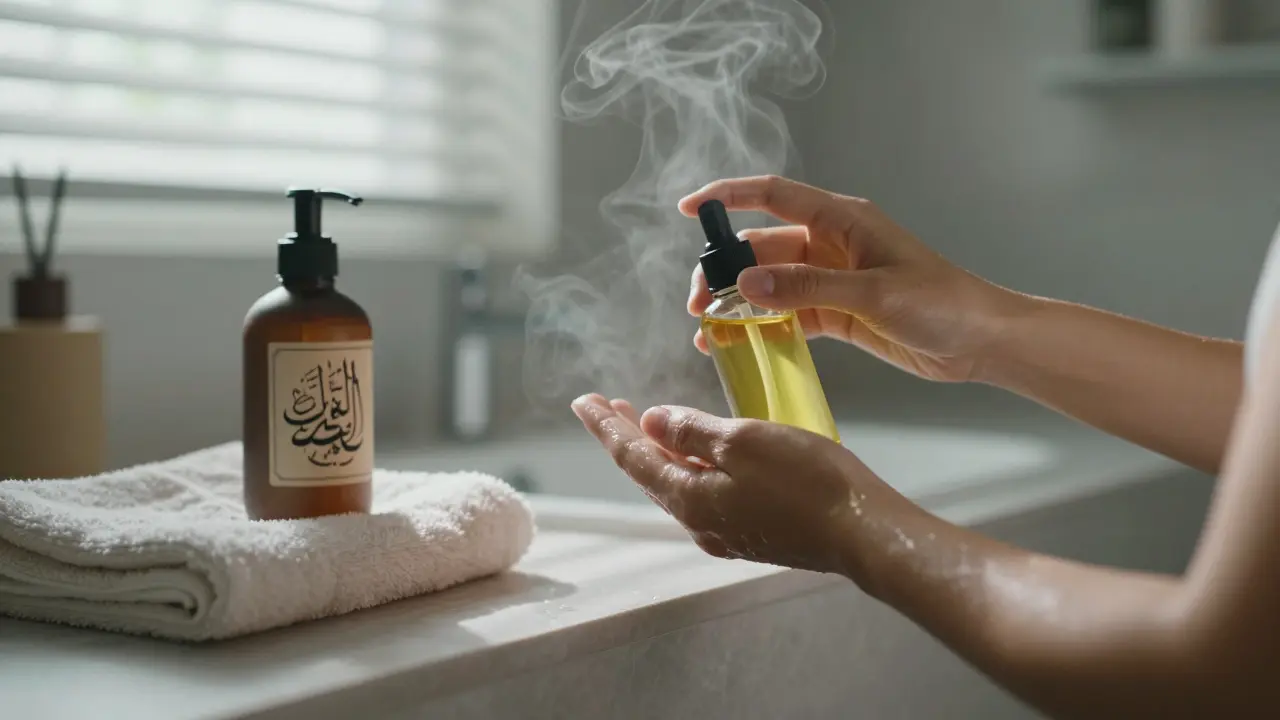
Rinse well with lukewarm water. Let the water wash away the scrub particles. Then, within 60 seconds of stepping out of the shower, apply a rich body oil or cream. This locks in moisture while your skin is still damp. In Dubai’s dry air, this step is non-negotiable. Look for ingredients like ceramides, hyaluronic acid, or squalane. They repair the barrier you just exfoliated.
Safety and Ethical Considerations
Choosing Qualified Products
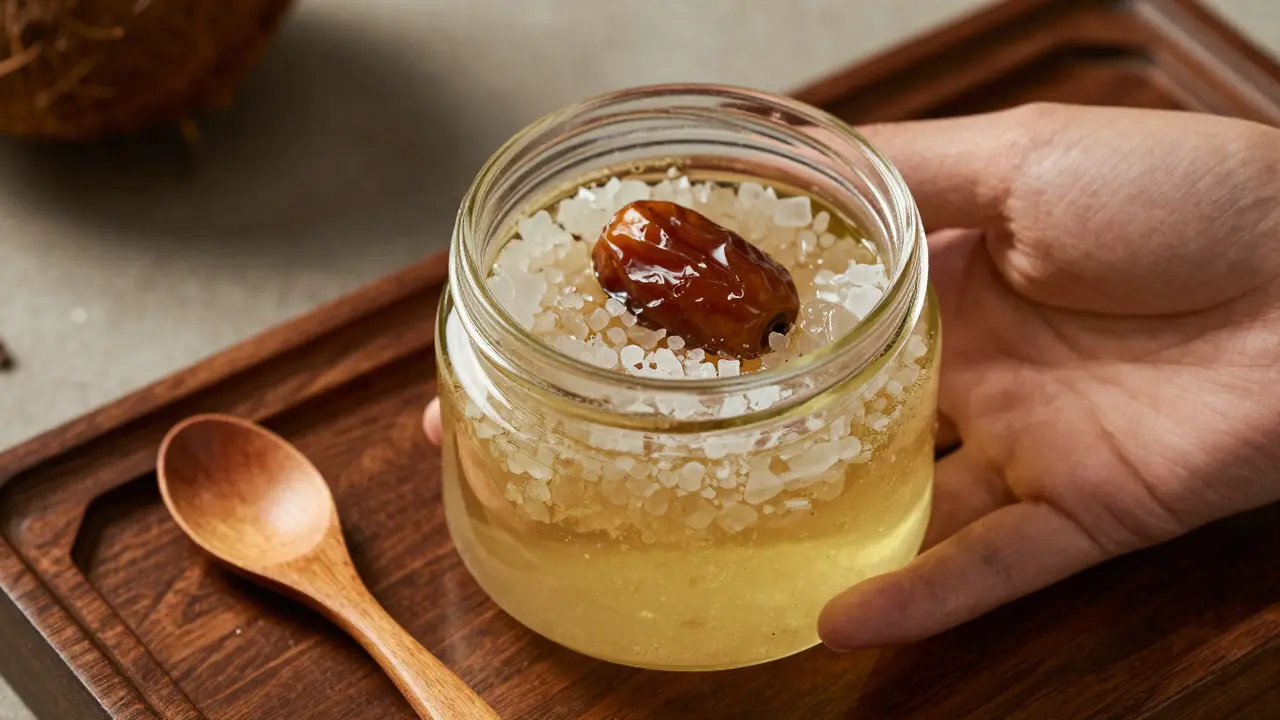
Not all scrubs are created equal. Avoid ones with microplastics (check for polyethylene or polypropylene on the label). These harm oceans and can irritate skin. Opt for natural exfoliants like sugar, salt, or ground nut shells. In Dubai, many local brands use dates, rose petals, or camel milk-ingredients that are gentle and culturally rooted. Stick to trusted brands or make your own.
Safety Practices
Here’s how to scrub safely:
| Practice | Purpose | Example |
|---|---|---|
| Don’t scrub daily | Prevent skin barrier damage | Limit to 1-2 times per week |
| Avoid scrubbing sunburned skin | Prevent irritation | Wait until skin heals |
| Use gentle pressure | Reduce micro-tears | Let particles do the work |
Setting Boundaries
Even at home, pay attention to how your skin feels. If it tingles, burns, or turns red, you’re overdoing it. Your skin isn’t a project to be fixed-it’s your body’s largest organ. Treat it with care.
Contraindications or Risks
Don’t use body scrubs if you have active acne, eczema flare-ups, open wounds, or recent laser treatments. If you’re on retinoids or other strong topical treatments, skip scrubs altogether. They can make your skin hypersensitive. Always patch-test new scrubs on a small area first.
Enhancing Your Experience with Body Scrub
Adding Complementary Practices
Pair your scrub with a hydrating body oil or a 5-minute dry brushing session before showering. Dry brushing stimulates lymph flow and boosts circulation. Or follow up with a cool mist spray and a few minutes of deep breathing. In Dubai’s heat, cooling your skin after exfoliation helps reduce redness and inflammation.
Collaborative or Solo Engagement
Scrubbing can be a solo ritual or a shared experience. Many couples in the UAE enjoy post-scrub massages with warm oils. It’s not just about skin-it’s about connection. Even if you’re alone, make it mindful. Turn off the phone. Light a candle. Let the scent of rose or amber fill the room.
Using Tools or Props
A loofah isn’t needed for scrubbing-it can actually make it harsher. Use your hands. They’re gentle, warm, and responsive. If you’re using a scrub with large granules, a soft silicone brush can help distribute it evenly without digging in.
Regular Engagement for Benefits
Consistency beats intensity. One scrub won’t transform your skin. But doing it once a week, followed by proper moisturizing, will. Over time, you’ll notice fewer bumps, smoother texture, and better absorption of your favorite lotions. It’s a small habit with big returns.
Finding Resources or Experts for Body Scrub
Researching Qualified Products
Look for brands that list natural ingredients and avoid parabens, sulfates, and synthetic fragrances. In Dubai, brands like Al Maha Spa, Al Khamis, and Desert Rose offer locally sourced scrubs made with dates, rosewater, and saffron. Check reviews from people with similar skin types.
Online Guides and Communities
Join UAE-based skincare groups on Facebook or Instagram. Many local dermatologists post tips on maintaining skin in arid climates. Look for content from board-certified professionals, not influencers selling products.
Legal or Cultural Considerations
Some traditional scrub ingredients-like camel milk or rosewater-are culturally significant. Respect their origins. Don’t treat them as trendy gimmicks. Many local spas source these ingredients ethically and support small producers. Choose brands that give back.
Resources for Continued Learning
Read The Skin Care Bible by Dr. Richard Weller. It’s not flashy, but it’s science-backed and practical. Watch videos from dermatologists at the American Academy of Dermatology for clear, no-nonsense advice.
FAQ: Common Questions About Body Scrub
Should I use soap after a body scrub?
Generally, no. Most body scrubs contain oils or moisturizers that cleanse and nourish. Adding soap afterward can strip your skin’s natural oils and disrupt its protective barrier. If your scrub feels greasy, rinse with lukewarm water and use a tiny amount of gentle cleanser only if needed. Always follow with a moisturizer to lock in hydration.
How often should I use a body scrub?
Once or twice a week is enough for most skin types. If you have sensitive or dry skin, stick to once a week. If you have very thick or calloused skin (like on your feet), you can go up to three times a week-but avoid using the same scrub on your face or chest. Always listen to your skin. If it feels tight or irritated, give it a break.
Can I use a body scrub if I have acne?
Only if your acne is mild and not inflamed. Avoid scrubbing over active breakouts, red bumps, or pustules. Physical scrubs can spread bacteria and worsen irritation. Instead, use a gentle chemical exfoliant with salicylic acid on affected areas, and reserve scrubs for non-acne-prone skin like legs and arms.
What’s the best time of day to use a body scrub?
Evening is ideal. Your skin repairs itself at night, and applying moisturizer right after a scrub helps it absorb better. Plus, in hot climates like Dubai, evening scrubbing avoids sun exposure, which can make freshly exfoliated skin more sensitive to UV damage. If you prefer morning scrubs, always follow with sunscreen on exposed areas.
Is body scrub safe for sensitive skin?
Yes, but choose carefully. Look for scrubs labeled "sensitive skin" or with fine, rounded granules like sugar or ground rice. Avoid citrus, mint, or strong fragrances. Test on your inner arm first. If it stings, don’t use it. Opt for soothing ingredients like oatmeal, aloe, or chamomile. Always moisturize immediately after rinsing.
Conclusion: Why Body Scrub is Worth Exploring
A Path to Healthier Skin
A body scrub isn’t a luxury-it’s a smart step in your skin care routine. It removes the dead skin that blocks moisture, boosts circulation, and leaves you feeling refreshed. In Dubai’s dry climate, it’s one of the easiest ways to keep your skin soft, smooth, and resilient.
Try It Mindfully
Start slow. Pick a gentle scrub. Use it once a week. Skip the soap. Moisturize right after. That’s all it takes. Your skin will thank you.
Share Your Journey
Tried a body scrub routine? Share your favorite recipe or brand in the comments. Follow this blog for more simple, science-backed skin care tips tailored for life in the Middle East.
Some links may be affiliate links, but all recommendations are based on research and quality.
Word count: 1,687
Suggested Visuals
- A woman gently scrubbing her arms in a sunlit bathroom with natural light, using a ceramic bowl of sugar scrub
- Close-up of a body scrub with coarse salt, coconut oil, and dried rose petals in a glass jar
- Before-and-after skin texture comparison (smooth vs. dull skin) with natural lighting
- A person applying body oil after a shower, with steam rising from the bathroom
- Traditional Emirati-style body scrub ingredients: dates, rosewater, and sea salt arranged on a wooden tray
Suggested Tables
- Comparison of Exfoliation Methods (already included)
- Body Scrub Safety Tips (already included)
- Key Benefits of Body Scrub: Benefit, Description, Impact (e.g., "Improved Texture" - "Removes dead skin cells" - "Softer, brighter skin within 1 week")