Body Parts to Avoid Massage: Safe Zones and Red Flags in Dubai Spas
When it comes to body parts to avoid massage, certain areas of the body are off-limits during professional therapy due to medical, legal, or ethical risks. Also known as contraindications for massage, these restrictions exist not to limit comfort—but to prevent harm. A licensed therapist in Dubai won’t touch your groin, breasts, inner thighs, or lower back if you’re pregnant without clear medical clearance. Why? Because these zones hold sensitive nerves, organs, or hormonal structures that can be damaged—or misinterpreted—if handled improperly.
Many people assume massage is just about pressure and relaxation, but it’s also about boundaries. In Dubai, where spa regulations are strict, therapists must follow UAE health codes that prohibit any contact with genitalia, nipples, or areas near the spine if there’s inflammation or injury. Even something as simple as a deep tissue stroke on the lower back can trigger contractions in pregnant clients or worsen sciatica. The same goes for the carotid artery in the neck—too much pressure there can cause dizziness, fainting, or worse. These aren’t myths. They’re backed by physical therapy guidelines and Dubai’s Department of Health standards.
It’s not just about what’s forbidden—it’s about what’s risky. If you’ve had recent surgery, a blood clot, or skin infections like eczema or open wounds, massage on or near those areas can spread infection or cause internal damage. Even if you feel fine, your body might be sending silent signals. That’s why professional spas in Dubai ask detailed health questions before every session. They’re not being nosy—they’re protecting you.
Some clients ask, "Can’t I just ask for a light touch?" But it’s not about pressure—it’s about location. A gentle stroke on the inner thigh might seem harmless, but it can trigger involuntary muscle responses or discomfort that’s hard to undo. Same with the abdomen: even a soft massage there can affect digestion, especially if you have IBS or are menstruating. And while some cultures have traditions around full-body rituals, Dubai’s licensed spas follow global safety standards—not local customs that blur professional lines.
What you’ll find in this collection are real, no-fluff guides from people who’ve been there. You’ll learn why Thai massage in Dubai never includes the chest, how full-body sessions handle the groin with zero contact, and what to do if a therapist crosses a line. We cover what happens after a hammam when your skin is too sensitive to touch, why you shouldn’t get a scrub right after waxing, and how to spot a spa that’s cutting corners. These aren’t opinions—they’re lessons from clients, therapists, and health experts who’ve seen what happens when boundaries are ignored.
Whether you’re new to spas in Dubai or you’ve been getting massages for years, knowing what not to do is just as important as knowing what to ask for. The right therapist will respect your limits before you even speak them. The wrong one? They’ll make you question why you ever walked in. This guide helps you tell the difference—and stay safe while you relax.
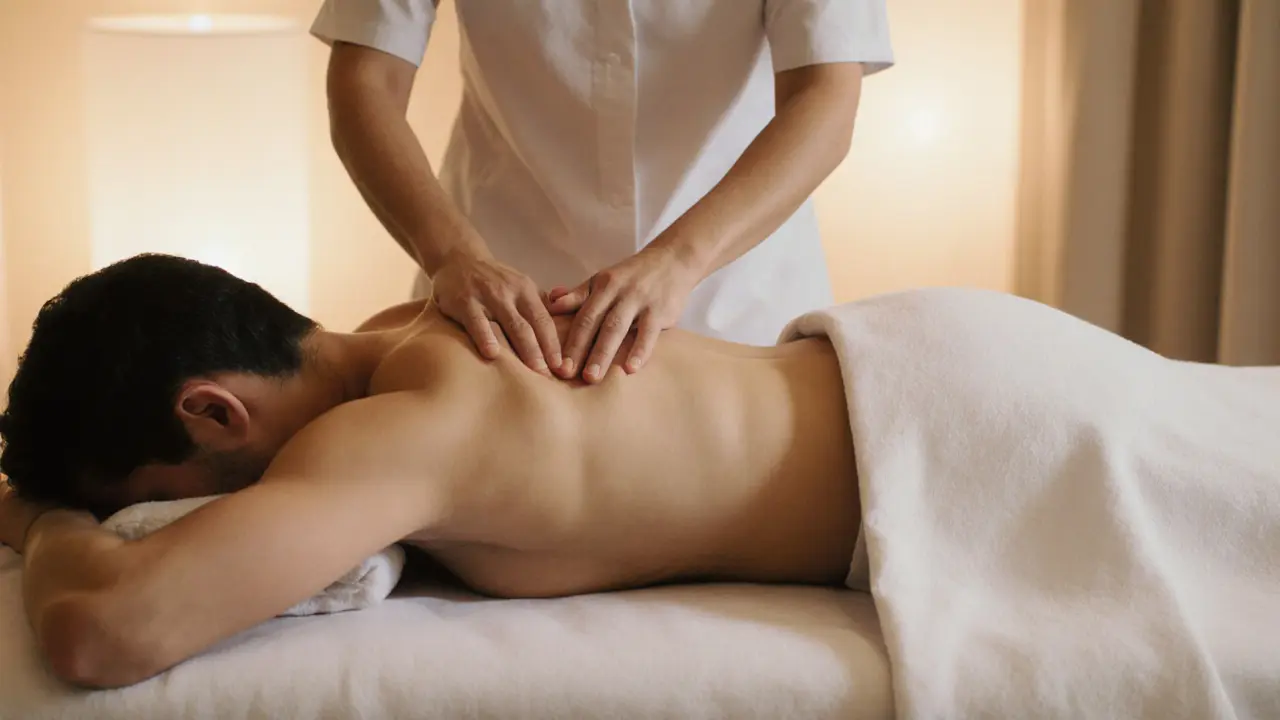
Learn which body parts should never be massaged with deep tissue techniques to avoid injury. A clear, expert guide to safe massage practices for chronic pain relief and recovery.