Body Scrub Disadvantages: What You Need to Know Before You Exfoliate
When you use a body scrub, a physical exfoliant designed to remove dead skin cells using granules or abrasives. Also known as physical exfoliator, it can make your skin feel softer and look brighter—but it’s not harmless. Too much of it, or using the wrong kind, can do more harm than good. Many people think scrubbing harder means better results, but that’s a myth. Skin isn’t meant to be scraped raw. In fact, over-exfoliating strips away your skin’s natural barrier, leaving it dry, red, and more sensitive to sun, pollution, and even bacteria.
One of the biggest over-exfoliation, the damage caused by scrubbing skin too often or too aggressively. Also known as skin barrier disruption, it leads to increased water loss, tightness, and flaking. happens when people scrub daily, thinking it keeps skin glowing. But your skin renews itself every 28 days. Scrubbing more than twice a week pushes it out of balance. You might see results at first, but soon your skin starts reacting: stinging, burning, or breaking out in tiny bumps. People with sensitive skin, eczema, or rosacea are especially at risk. Even a gentle scrub can trigger flare-ups if used too often.
Then there’s the skin irritation, inflammation or discomfort caused by physical or chemical trauma to the skin surface. Also known as contact dermatitis, it’s often mistaken for an allergic reaction.. Some scrubs contain microplastics, strong fragrances, or harsh salts that don’t just slough off dead skin—they irritate living skin too. You might not notice it right away, but over time, your skin becomes thinner and more reactive. A study from the Journal of Clinical and Aesthetic Dermatology found that 40% of people who used scrubs daily developed signs of chronic irritation within six weeks. And once that barrier is damaged, it takes weeks to heal—even if you stop scrubbing.
Another hidden problem? microtears, tiny, invisible cuts in the skin caused by abrasive particles. Also known as micro-abrasions, they’re silent damage that lets in bacteria and chemicals.. You can’t see them, but they’re there. And they make your skin more vulnerable to infections, acne, and even long-term pigmentation issues. If you’ve ever felt a sting after applying lotion after a scrub, that’s not your product—it’s your skin screaming because it’s compromised.
And let’s not forget the environmental side. Many scrubs use plastic beads that wash down drains and end up in oceans. Even natural scrubs with ground nut shells or salt can be too rough if not formulated right. The best body scrubs balance grit with gentleness—but most store-bought ones don’t. That’s why some dermatologists now recommend chemical exfoliants like AHAs or BHAs for daily use, because they dissolve dead cells without scratching.
So what’s the fix? It’s not about quitting scrubs entirely. It’s about using them wisely. Less frequency. Softer particles. No scrubbing on wet, sensitive, or sunburned skin. And always follow up with moisturizer. Your skin doesn’t need to be shiny to be healthy. Sometimes, the quietest care is the strongest.
Below, you’ll find real advice from people who’ve been there—what went wrong, what worked, and how to avoid the same mistakes. No fluff. Just what you need to know before your next scrub.
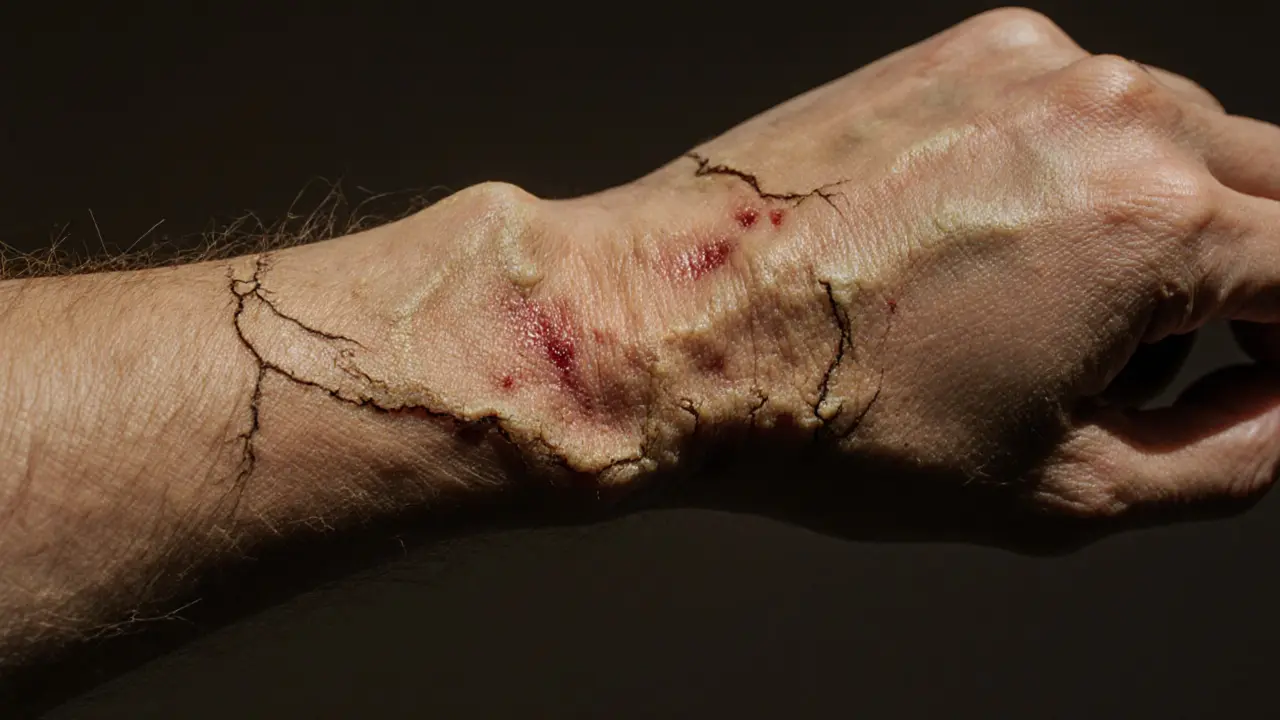
Body scrubs promise smooth skin, but overuse can cause microtears, irritation, and worsen conditions like eczema or acne. Learn the real risks and how to use them safely.