Cupping Effectiveness: What Really Works and What You Should Know
When you hear cupping, a therapy that uses suction cups on the skin to improve circulation and relieve muscle tension. Also known as hijama, it's been used for thousands of years across cultures—from ancient Egypt to traditional Chinese medicine—and today, it’s one of the most talked-about treatments in Dubai spas. But does it actually do what people claim? Is it just a trend, or is there real science behind the circular marks left on the skin? The answer isn’t simple, but it’s not magic either.
Cupping therapy, a hands-on technique where glass, silicone, or plastic cups create negative pressure on the skin is often used for muscle pain, stress relief, and even recovery after workouts. People in Dubai—athletes, office workers, and busy parents—try it because it feels good and leaves them looser. But the real benefits? Studies suggest it may help with local blood flow and reduce muscle stiffness, especially when combined with massage or heat. It’s not a cure-all, but for some, it’s a reliable tool in their wellness toolkit. And yes, those dark circles? They’re not bruises—they’re signs that blood has been drawn to the surface, which can trigger your body’s natural healing response.
Not everyone responds the same way. Some feel immediate relief after one session. Others need several. And then there are the side effects: mild bruising, temporary soreness, or even dizziness if you’re dehydrated. That’s why it’s crucial to know who should avoid it—people with bleeding disorders, pregnant women, or those on blood thinners. In Dubai, where luxury spas offer everything from gold facials to Thai body slides, cupping stands out because it’s simple, affordable, and doesn’t require fancy equipment. It’s the kind of treatment you can get after a long flight or before a big meeting, and walk out feeling lighter.
What you’ll find in the posts below isn’t a sales pitch. It’s real talk. From how cupping relates to lymphatic drainage and steam room use, to what happens when you combine it with other therapies, you’ll see how this ancient practice fits into modern wellness routines in the city. You’ll also learn what to ask your therapist, how to spot a professional, and why some people swear by it while others feel nothing at all. No fluff. Just what works, what doesn’t, and what you need to know before your next session.
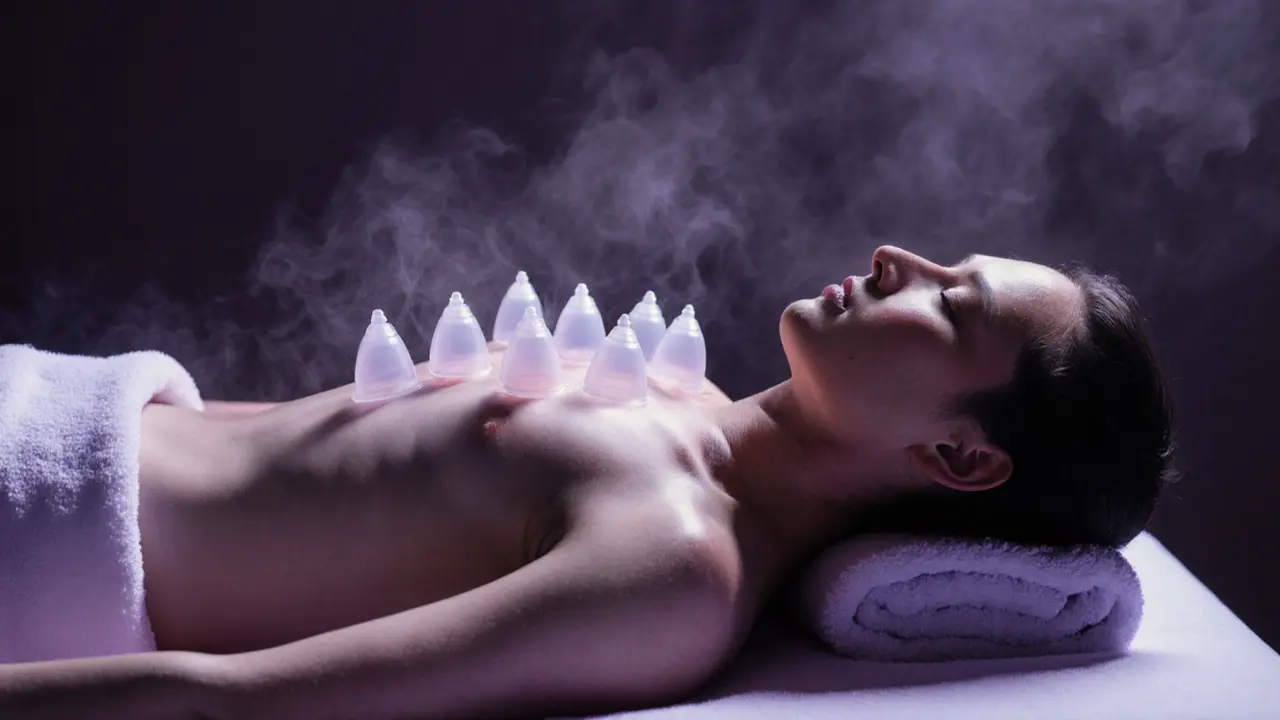
Learn the real signs that cupping therapy is working-beyond the marks on your skin. Discover how cupping reduces tension, improves movement, and supports relaxation based on practical experience and expert insight.