Cupping Signs: What They Mean and What to Expect
When you see dark circles on your back after a session, you’re looking at cupping signs, visible marks left by suction therapy used to improve circulation and relieve muscle tension. Also known as cupping marks, these aren’t bruises from injury—they’re a normal response to the negative pressure applied by glass, silicone, or plastic cups. In Dubai’s busy wellness scene, more people are trying cupping for pain, stress, or recovery—but few understand what the marks actually tell you.
Cupping signs vary in color and duration. Light pink or red marks usually fade in a day or two and suggest mild suction or healthy circulation. Dark purple or even black marks mean deeper stagnation was released—often seen in people with chronic muscle tightness or poor lymph flow. These can last up to two weeks. The location matters too: marks along the spine often relate to back tension, while those on the shoulders might point to stress buildup. This isn’t magic—it’s physiology. The suction pulls blood to the surface, increases local circulation, and helps flush out metabolic waste. That’s why you might feel looser, lighter, or even a little tired afterward.
Some think cupping signs are a sign of toxicity being "pulled out," but there’s no scientific proof of that. What’s real is the body’s reaction: minor inflammation, temporary capillary rupture, and increased blood flow. That’s why aftercare matters. Drink water. Avoid hot showers or saunas right after. Skip intense workouts for 24 hours. And don’t panic if the marks look scary—they’re not dangerous, just noticeable. In Dubai’s dry climate, your skin might feel tighter or drier after cupping, so moisturize gently. If the marks burn, itch, or don’t fade after three weeks, talk to your therapist.
These signs aren’t the goal—they’re a side effect. The real win is how you feel: less stiff, more relaxed, better able to breathe. That’s why cupping keeps showing up in Dubai spas alongside massages, hammams, and reflexology. You’ll find posts here that dig into what cupping really does to your muscles, how it connects to lymphatic flow, and why some people swear by it while others feel nothing. Whether you’re curious, skeptical, or already booked, this collection gives you the honest, no-fluff details you need to decide if it’s right for you.
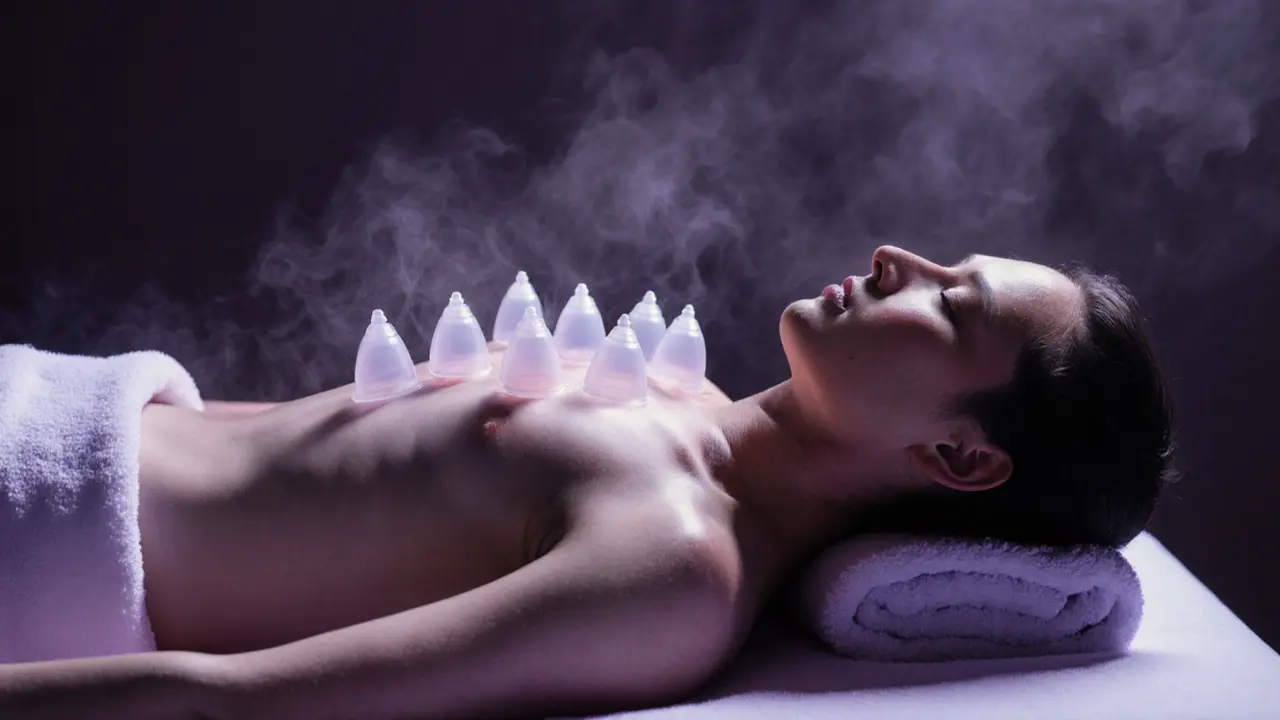
Learn the real signs that cupping therapy is working-beyond the marks on your skin. Discover how cupping reduces tension, improves movement, and supports relaxation based on practical experience and expert insight.