Dubai Spa Regulations: What You Need to Know Before Your Visit
When it comes to Dubai spa regulations, the legal and cultural rules governing wellness services in the UAE. Also known as UAE spa laws, these rules exist to protect both clients and providers in a city where tourism and tradition walk side by side. Unlike other global spa destinations, Dubai doesn’t just care about how relaxing your massage is—it cares about how it’s delivered. Every therapist must be licensed, every treatment room must be private, and no service can blur the line between wellness and something else. This isn’t about restriction—it’s about clarity. You want a real spa experience? Then you need to know what’s allowed.
One of the biggest things people get wrong is assuming all bodywork is the same. A Thai massage, a clothed, non-sensual therapy focused on pressure points and stretching. Also known as traditional Thai therapy, it’s widely available in Dubai and follows strict guidelines: no skin-to-skin contact beyond what’s necessary for therapeutic movement, and no intimate areas are ever touched. The same goes for body-to-body massage, a technique where the therapist uses their body to apply pressure. Also known as sensual massage, it’s not illegal—but only if offered by licensed spas that follow the UAE’s strict code of conduct. Many unlicensed places pretend to offer it. That’s where the risk starts. Dubai’s health authorities regularly inspect spas. If a place doesn’t display its license, if the staff won’t explain what’s included, or if you’re asked to pay extra for "special services," walk out. It’s not worth the trouble.
Gender preferences are another common question. Can you request a male or female therapist? Yes. But there are rules: mixed-gender sessions are only allowed if both parties consent and the spa is licensed for it. Female-to-male or male-to-female massage isn’t banned—it’s regulated. The same applies to what you wear. A Moroccan bath, a traditional steam and scrub ritual. Also known as hammam, it requires modesty: you’ll be given a towel or disposable wrap, and no nudity is permitted in public areas. Even in private rooms, the rules are clear. No towels? No service. No consent forms? No session. These aren’t just policies—they’re protections.
And it’s not just about massage. Steam rooms, saunas, and Vichy showers all fall under the same umbrella. Facilities must be cleaned daily, water temperatures monitored, and staff trained in hygiene. Over-exfoliation? Too many scrubs? These aren’t just skin issues—they’re safety concerns under Dubai’s health codes. The city doesn’t just want you relaxed—it wants you safe.
So if you’re planning a spa day in Dubai, don’t just pick the most Instagrammable place. Check for a valid license. Ask what’s included. Know your rights. The best treatments aren’t the most expensive ones—they’re the ones that follow the rules. Below, you’ll find real guides from people who’ve been there: what to wear, what to avoid, how to spot a fake spa, and why some treatments cost more than others. No fluff. Just facts that keep you protected—and truly relaxed.
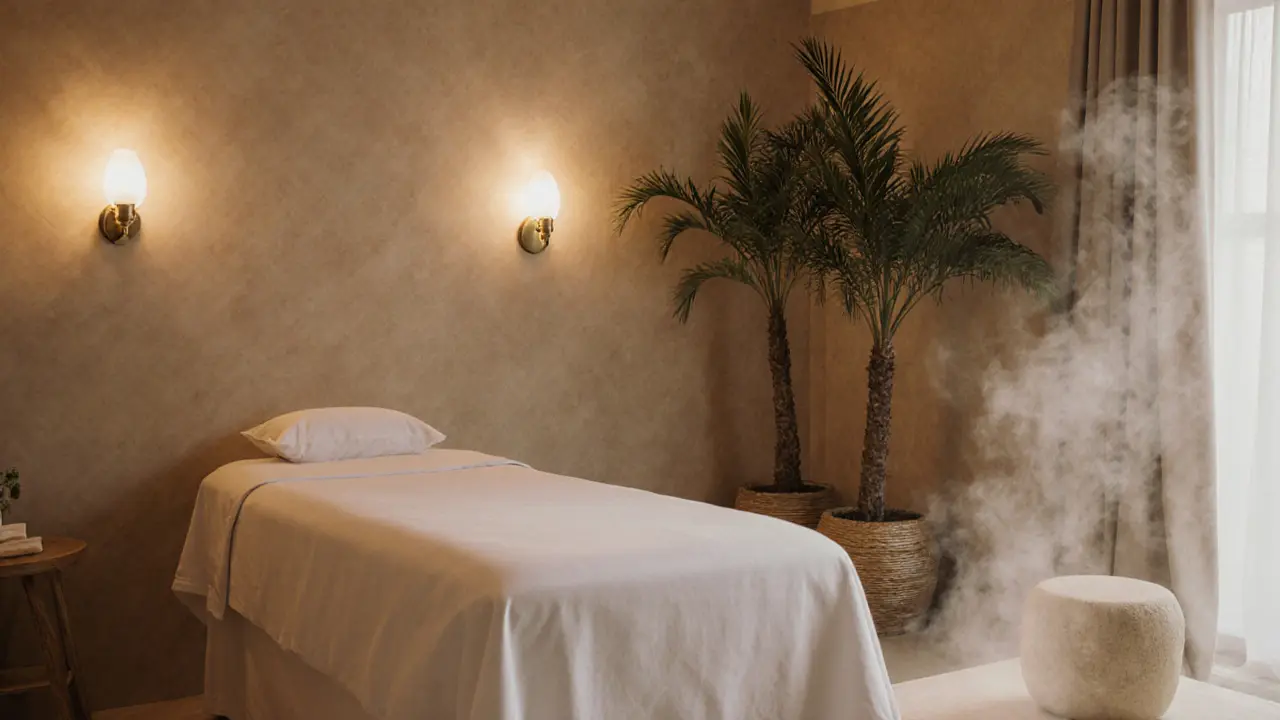
Is body massage legal in Dubai? Yes-but only in licensed spas. Learn where to find safe, professional massage services, what to avoid, and how to protect yourself in Dubai's strict wellness regulations.