Exfoliation Safety: How to Remove Dead Skin Without Irritating Your Skin
When it comes to exfoliation safety, the practice of removing dead skin cells without harming the skin barrier. Also known as skin resurfacing, it’s not just about glowing skin—it’s about protecting your skin’s natural defense system. Too much scrubbing, the wrong products, or doing it too often can strip your skin, trigger redness, or even cause long-term sensitivity. In Dubai’s dry, hot climate, where skin loses moisture fast, exfoliation needs to be smart—not aggressive.
Gentle exfoliation, a method that sloughs off dead cells without inflammation. Also known as chemical or physical exfoliation, it’s the key to healthy skin without the burn. Harsh scrubs with jagged particles? They’re outdated. Many people think more grit equals better results, but that’s not true. The real win comes from using fine granules, enzymatic formulas, or low-concentration acids like lactic or glycolic—especially on sensitive zones like the face, underarms, or private areas. And yes, that’s covered in posts like How to Remove Dead Skin Cells from Private Parts Safely and Effectively, which shows you how to treat delicate skin without triggering irritation.
Body scrub for sensitive areas, a targeted approach to exfoliating skin that’s naturally thinner and more reactive. Also known as gentle exfoliation for intimate skin, it’s not a luxury—it’s a necessity for anyone who wants to avoid rashes, ingrown hairs, or dark patches. Whether you’re getting a Moroccan hammam treatment or doing a DIY routine at home, the rules are the same: less pressure, cooler water, and never after shaving or sun exposure. In Dubai, where humidity swings and air conditioning dry out skin, timing matters. Exfoliating right after a steam room? That’s fine—your pores are open, and your skin is primed. Doing it right before heading into the desert heat? That’s asking for trouble.
Exfoliation safety isn’t about how often you do it—it’s about how well you do it. Most people think they need to scrub daily to stay smooth, but your skin renews itself every 28 days. Once or twice a week is enough for most skin types. Sensitive skin? Once a week. Oily skin? Maybe twice. And always follow up with hydration. A good moisturizer after exfoliation isn’t optional—it’s the shield your skin needs to recover.
You’ll find real advice in the posts below—not guesses, not marketing fluff. We cover what happens when you overdo it, which products to avoid, how to tell if your skin is reacting badly, and why some spa treatments in Dubai—like the royal hammam or Moroccan massage—are actually designed to exfoliate safely with natural oils and clay. No magic. No hype. Just what works, based on how real people’s skin responds in this city’s unique environment.
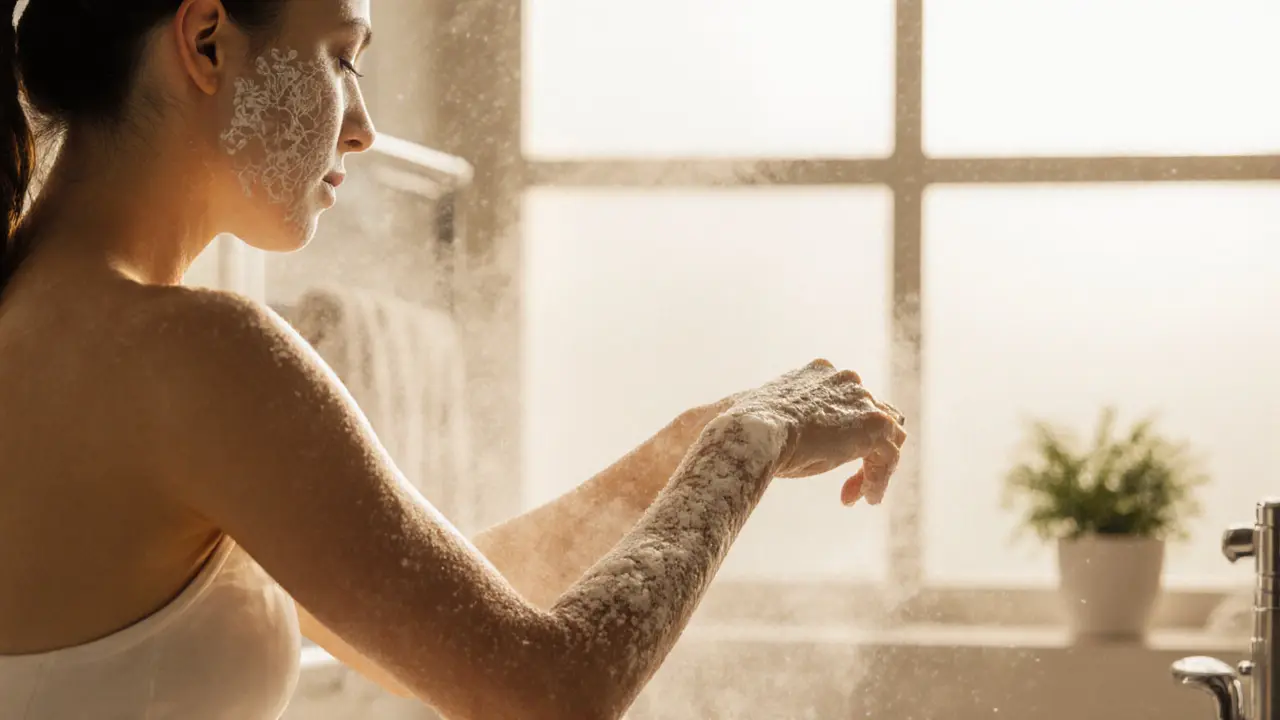
Learn what to avoid in a body scrub to prevent irritation, dryness, and skin damage. Get expert tips on safe exfoliation, ingredient red flags, and how to choose the right scrub for your skin type.