Husband Wash Wife in Islam – What It Means and How It’s Done
When looking at husband wash wife islam, the act of a husband respectfully washing his wife as part of marital intimacy and spiritual cleanliness in Islam. Also known as marital ablution, this practice ties directly to Islamic marital hygiene, the broader set of cleanliness rules governing spouses and the ritual prayers that surround everyday life. Understanding it means first getting a handle on two core rites: Wudu, the partial ablution required before prayer and Ghusl, the full‑body wash prescribed after major impurity. In short, the husband‑wash‑wife ritual encompasses spiritual purity, mutual respect, and the physical act of caring for one another.
Why the Practice Matters in Daily Life
The core idea behind husband wash wife islam is that physical cleanliness mirrors spiritual readiness. When a husband gently washes his wife, he isn’t just helping her feel fresh; he’s also enabling both partners to perform their prayers without barrier. This connection creates a semantic triple: Marital hygiene requires understanding of wudu and ghusl. Another triple follows: Wudu influences the timing of a husband‑wash‑wife session, because couples often perform the partial ablution together before the full wash. A third triple ties culture to law: Islamic marital etiquette shapes how the wash is performed, ensuring modesty and consent are central. By aligning daily routines with these rites, couples reinforce trust, celebrate intimacy, and keep their spiritual obligations on track.
Practically, the ritual starts with both partners performing wudu, washing hands, mouth, nose, face, arms, and feet. Once the partial ablution is complete, they move to ghusl if the situation demands a full cleanse—like after menstruation or sexual activity. The husband then offers to wash his wife, using lukewarm water, gentle strokes, and a modest veil if needed. Communication is key: asking permission, respecting comfort levels, and ensuring the environment is private. This mirrors another semantic link: Consent is a prerequisite for marital hygiene practices. The act also fosters emotional bonding; several couples report feeling more connected after sharing this intimate care routine. If you’re new to the practice, start slowly, focus on the intention (niyyah) of purity, and let the experience guide you.
Below you’ll find a curated set of articles that break down every aspect of this tradition. From step‑by‑step guides on performing wudu and ghusl, to deeper dives into the legal opinions of scholars, to practical tips on maintaining modesty and comfort during the wash, the collection covers the full spectrum. Whether you’re looking for the basic rules, cultural nuances, or ways to integrate the ritual into a modern lifestyle, the posts ahead will give you clear, actionable insights.
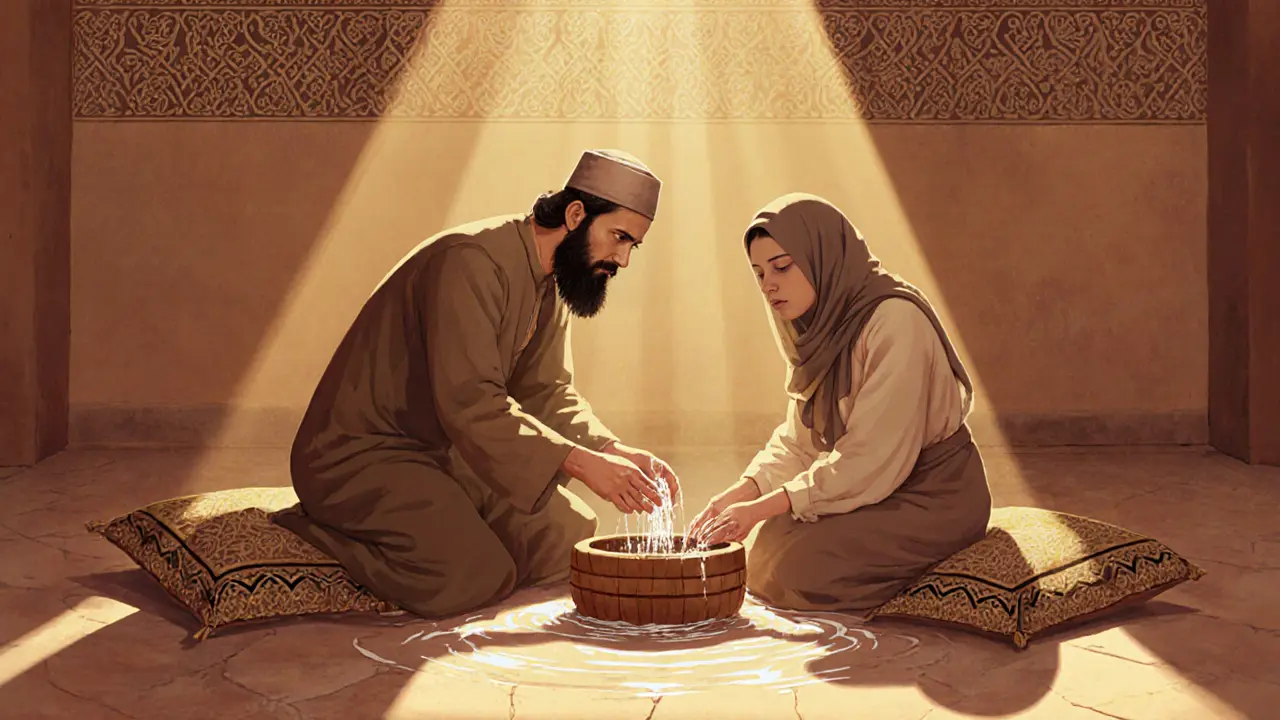
Explore Islamic rulings on a husband washing his wife's body, learn the proper etiquette, benefits, step‑by‑step guidance, and safety tips for Muslim couples.