Massage Contraindications: What You Must Avoid Before a Spa Session
When you think of massage, you probably imagine deep relaxation, melting tension, and glowing skin. But massage contraindications, conditions or situations where massage can do more harm than good. Also known as massage risks, these are the hidden rules that keep spa visits safe—not just for your body, but for your health. Skipping these can turn a soothing session into a medical emergency. It’s not about fear—it’s about knowing when to say no, or at least, when to talk to your therapist first.
Some massage contraindications, are obvious. If you have a fever, an open wound, or just got surgery, massage isn’t just a bad idea—it’s dangerous. But others are quieter. High blood pressure? It’s not always a hard stop, but deep pressure could spike it dangerously. Pregnancy? Certain techniques are fine, but others should be avoided, especially in the first trimester. Skin conditions like eczema or psoriasis? A rough scrub or hot stone could make it flare. Even something as simple as taking blood thinners means your therapist needs to know—light pressure can still cause bruising you won’t recover from quickly. And it’s not just about your body. If you’ve had a recent injury, a blood clot, or are undergoing chemotherapy, massage can interfere with healing or spread infection. In Dubai, where luxury spas are everywhere, it’s easy to assume all treatments are safe. But regulations don’t replace personal responsibility. The best therapists ask questions. You should answer them honestly.
Then there are the gray areas. What about if you’re on your period? Or just had a steam room? Or you’re feeling dizzy after a Moroccan bath? These aren’t always listed as hard contraindications, but they’re real risks. One post talks about what not to do after a hammam—skip the cold shower, don’t rush into the sun. Another warns that overdoing body scrubs can cause microtears. These aren’t random tips. They’re part of the same safety chain. Massage doesn’t happen in a vacuum. It’s connected to your shower habits, your skin care, your hydration, even what you wore to the spa. Everything ties together.
That’s why the posts below aren’t just about massage. They’re about the full picture: what you should wear, what you should avoid after, how to tell if a therapist is legit, and which conditions make certain treatments unsafe. You’ll find guides on Thai massage boundaries, steam room risks, and why body-to-body massage needs clear rules. You’ll learn what to ask before you lie down. You’ll see how Dubai’s spa laws protect you—or don’t. This isn’t a list of rules to scare you. It’s a toolkit to help you walk into any spa feeling informed, not confused.
Before your next session, ask yourself: Do I know what my body can handle? If you’re not sure, the answer isn’t to skip the massage—it’s to find out. The right therapist will welcome your questions. The right spa will make safety part of the experience. And the right you will walk out feeling better—not worse.
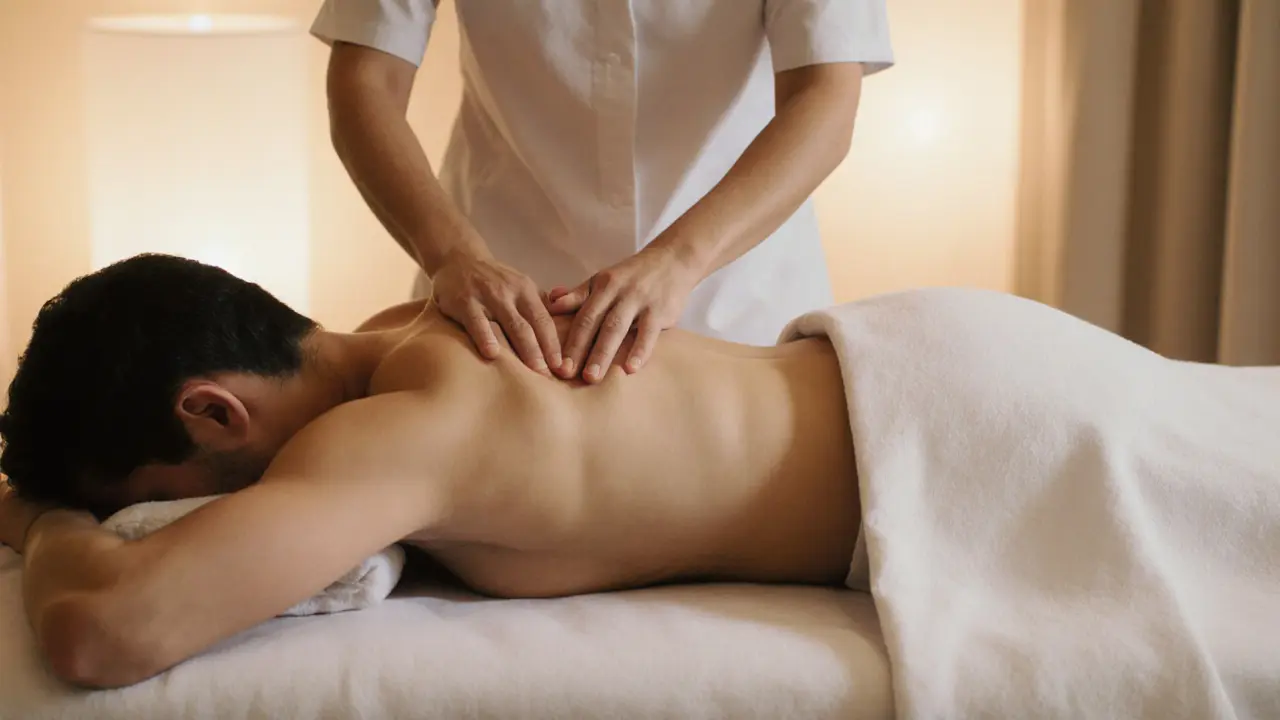
Learn which body parts should never be massaged with deep tissue techniques to avoid injury. A clear, expert guide to safe massage practices for chronic pain relief and recovery.