Post Hammam Routine: What to Do After a Moroccan Bath in Dubai
After a Moroccan bath, a traditional steam and exfoliation ritual originating from North Africa, often performed in a heated stone room with black soap and argan oil. Also known as a Hammam, it’s one of the most effective ways to deeply cleanse and rejuvenate skin in Dubai’s dry climate. But the real magic doesn’t end when you step out of the steam. What you do next — your post hammam routine, the sequence of steps taken immediately after a Hammam session to lock in benefits and prevent irritation — determines whether your skin glows or feels tight and dry.
A Hammam, a traditional steam bath used across the Middle East and North Africa for hygiene, detox, and relaxation strips away dead skin, opens pores, and flushes out toxins. But without proper aftercare, you lose those benefits fast. Many people skip hydration, rush into air conditioning, or scrub too soon after — all of which can undo hours of deep cleansing. Your skin is vulnerable right after a Hammam. It’s been exfoliated, soaked, and stripped of natural oils. That’s why a smart post hammam routine isn’t optional — it’s essential.
Here’s what actually works: drink water within 15 minutes to rehydrate from the inside. Apply a light, fragrance-free moisturizer while your skin is still damp — this seals in moisture better than waiting until you’re dry. Avoid hot showers or direct AC blasts for at least an hour. If you’re in Dubai, where temperatures swing wildly, this step alone can prevent redness and flaking. Some spas offer post-Hammam oil massages with argan or rosewater — if it’s included, take it. It’s not a luxury; it’s part of the ritual.
People often confuse a Moroccan bath with a sauna or steam room, but the difference matters. A Moroccan bath, a full-body ritual involving scrubbing with kessa gloves and black soap in a humid, tiled room is more intense than a regular steam. It removes layers of buildup, which means your skin needs time to recover. Skipping aftercare is like running a marathon and not drinking water afterward — you might feel fine at first, but your body pays for it later.
What you’ll find in the posts below are real, no-fluff guides on how to protect your skin after a Hammam, what to wear, when to shower, how to choose the right oils, and even what to avoid if you have sensitive skin or conditions like eczema. Whether you’re a first-timer in Dubai or a regular spa-goer, these posts cut through the noise and give you exactly what works — based on what locals and visitors actually experience in top spas across the city.
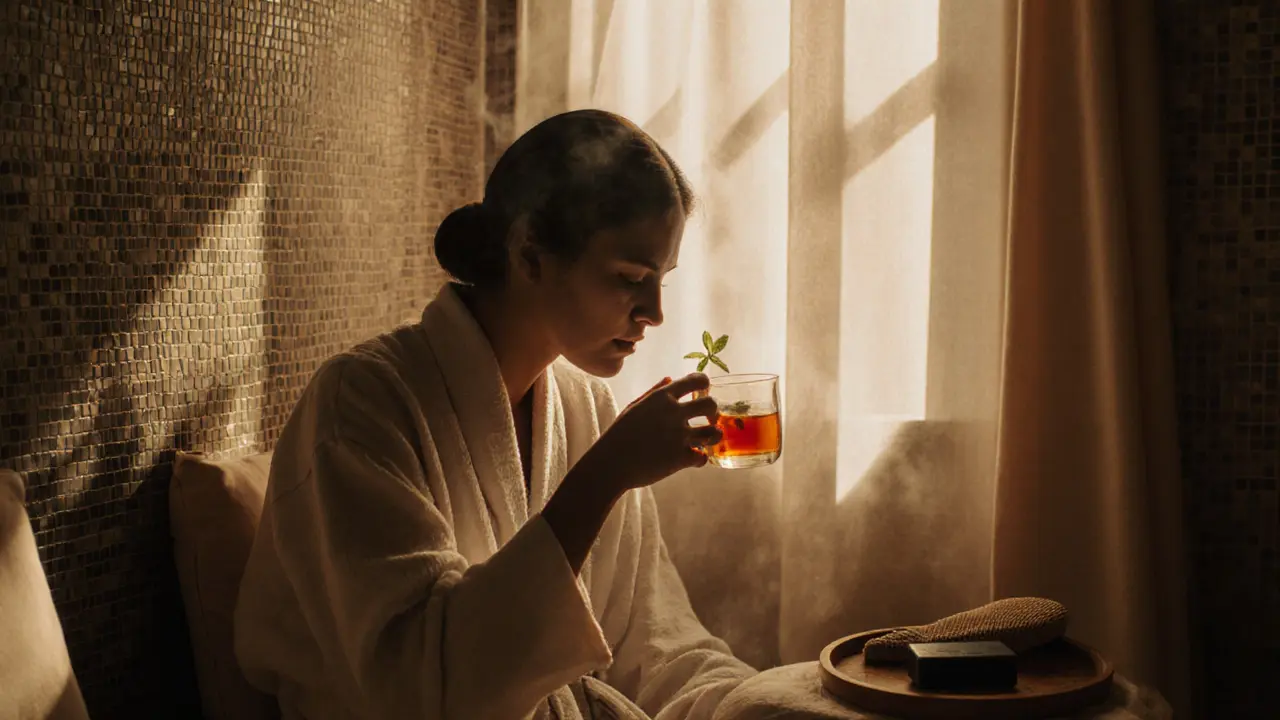
Learn what not to do after a hammam in Dubai to protect your skin and maximize relaxation. Avoid common mistakes like cold showers, perfume, and rushing back into the sun.