Sauna Contraindications: What You Must Know Before Using a Sauna in Dubai
When you step into a sauna, a heated room designed to induce sweating and promote relaxation. Also known as dry heat therapy, it’s a popular wellness tool in Dubai’s luxury spas—but it’s not safe for everyone. The heat puts real stress on your body, and if you have certain health conditions, that stress can turn dangerous. Many people assume saunas are universally good for you, but that’s a myth. The truth? There are clear sauna contraindications you can’t ignore.
One of the biggest risks is for people with heart problems. If you’ve had a heart attack, suffer from unstable angina, or have severe high blood pressure, the sudden rise in body temperature can force your heart to work too hard. A 2021 study in the European Journal of Preventive Cardiology found that sauna use triggered abnormal heart rhythms in patients with uncontrolled cardiovascular disease. That’s why doctors in Dubai’s private clinics often warn patients with pacemakers or arrhythmias to avoid saunas entirely. It’s not about being cautious—it’s about preventing emergency room visits.
Another major contraindication, a condition or factor that makes a treatment unsafe or inadvisable is pregnancy. Even though some pregnant women enjoy warm baths, the intense, dry heat of a sauna can raise your core temperature enough to affect fetal development, especially in the first trimester. The American College of Obstetricians and Gynecologists advises against sauna use during pregnancy—not because it’s always harmful, but because the risk isn’t worth it when safer alternatives exist.
Then there are medications. Diuretics, beta-blockers, and certain antidepressants can interfere with your body’s ability to regulate heat. If you’re on blood pressure meds, the sauna might drop your blood pressure too far, leading to dizziness or fainting. People with diabetes need to be extra careful too—heat can cause unpredictable swings in blood sugar. And if you’ve been drinking alcohol? Don’t even think about stepping in. Alcohol plus heat equals dehydration, confusion, and worse.
Some conditions you might not expect also matter. Recent surgery, open wounds, or skin infections like cellulitis mean your body is already under stress. Adding heat can spread infection or delay healing. People with multiple sclerosis often feel worse in high heat—this isn’t just discomfort, it’s a neurological reaction called Uhthoff’s phenomenon. Even if you feel fine, your nerves are reacting.
If you’ve had a stroke, kidney disease, or are on dialysis, your body can’t handle the fluid shifts caused by heavy sweating. Dehydration hits faster, and your kidneys can’t keep up. In Dubai’s dry heat, even a short session can drain you more than you realize. And kids under 16? Their temperature regulation systems aren’t fully developed. Saunas aren’t toys.
You don’t need to be a doctor to spot red flags. If you feel lightheaded, nauseous, or your heart is pounding hard during a session, get out. That’s your body screaming for help. Saunas are meant to relax you, not stress you out. And in a city like Dubai, where wellness is big business, some spas push heat treatments too hard. Always ask: Is this safe for me? Don’t assume the staff knows your medical history. Bring it up yourself.
The posts below cover real situations people face—what happens when someone with high blood pressure ignores the warnings, why a post-hammam sauna can backfire, and how to tell if your symptoms are normal or dangerous. You’ll find clear, no-fluff advice from people who’ve been there, and from professionals who’ve seen the consequences of skipping safety steps. This isn’t about fear. It’s about knowing your limits so you can enjoy the heat without risking your health.
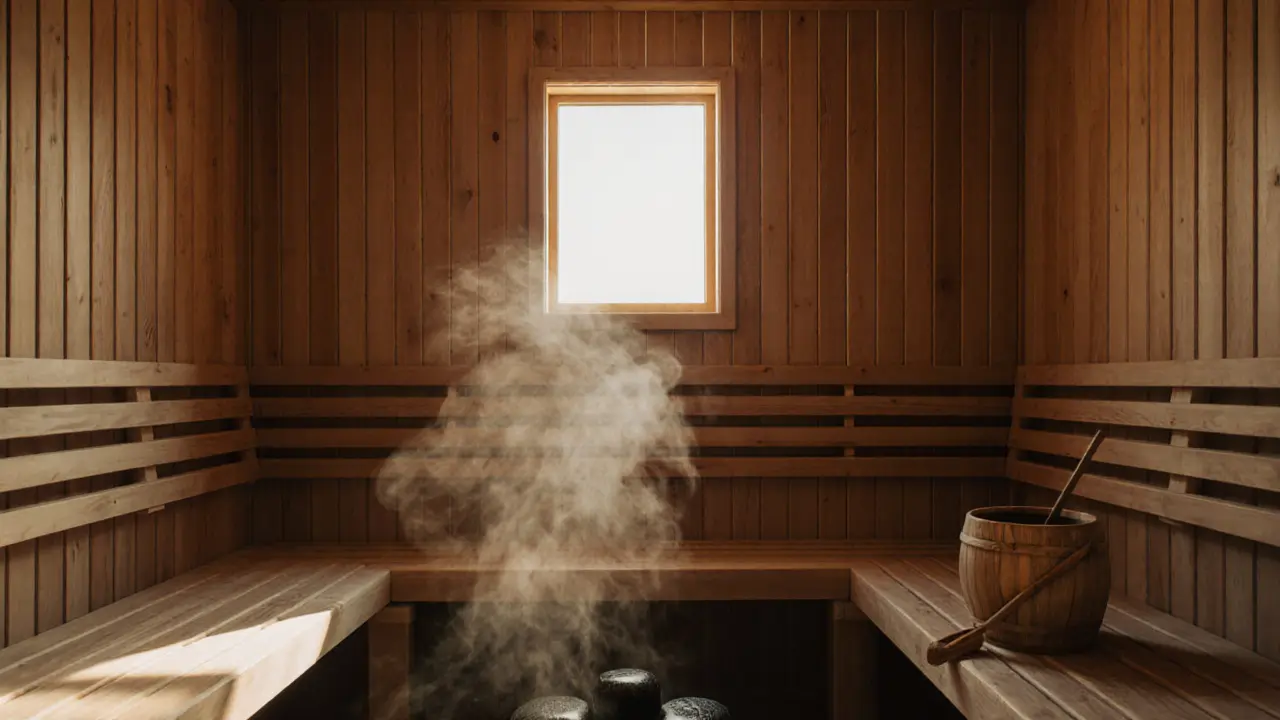
Not everyone should use a sauna. Learn who should avoid steam rooms and dry heat sessions for safety. Essential tips for heart conditions, pregnancy, and more.