Skin Damage from Scrubs: What You Need to Know Before Exfoliating
When you use a body scrub, a physical exfoliant designed to remove dead skin cells. Also known as skin scrub, it can leave your skin feeling smooth—if used correctly. But too much, too hard, or the wrong kind? That’s when skin damage from scrubs, visible irritation, redness, or long-term barrier breakdown caused by over-exfoliation starts showing up. It’s not just about being too aggressive—it’s about frequency, ingredient harshness, and your skin type. Many people think scrubbing more means better results, but your skin isn’t a surface to polish. It’s a living barrier that protects you from germs, pollution, and moisture loss. When you scrub too often or with rough particles, you’re not just removing dead cells—you’re tearing through healthy ones.
The skin barrier, the outermost layer of skin that holds in moisture and blocks irritants is thin, especially on the face, neck, and chest. Scrubs with walnut shells, salt, or large plastic beads can create micro-tears. These tiny wounds don’t always show up right away, but over time, they lead to dryness, sensitivity, and even breakouts. People with acne-prone or rosacea skin are especially at risk. Even if you’re not seeing redness, your skin might be under stress. Dermatologists often warn against daily scrubbing—most skin types only need exfoliation once or twice a week, if that. And if your skin stings after using a scrub? That’s not a sign it’s working. That’s your skin screaming for a break.
It’s not just about what you scrub with—it’s about how you use it. Rubbing too hard, using a scrub right after shaving, or following it with hot water and harsh cleansers? That’s a recipe for trouble. Some people think scrubbing before a massage or a hammam boosts results, but if your skin is already raw, you’re just making things worse. The exfoliation, the process of removing dead skin cells to reveal smoother skin you get from a gentle chemical exfoliant—like lactic or salicylic acid—often does more with less risk. But if you love the feel of a physical scrub, pick one with fine, rounded particles, use it lightly, and always follow with moisturizer. Your skin doesn’t need to glow aggressively. It just needs to be healthy.
What you’ll find in the posts below are real, practical guides on how to avoid common mistakes—like using the wrong scrub, scrubbing too often, or thinking more is better. You’ll see what dermatologists say about shower frequency and skin care routines, how to pick the right body scrubber, and why dry brushing might be a safer alternative for some. There’s also advice on what to wear in a spa, how to recover after treatments, and what to avoid if your skin is already sensitive. This isn’t about pushing you to scrub harder. It’s about helping you stop the damage—and start caring for your skin the right way.
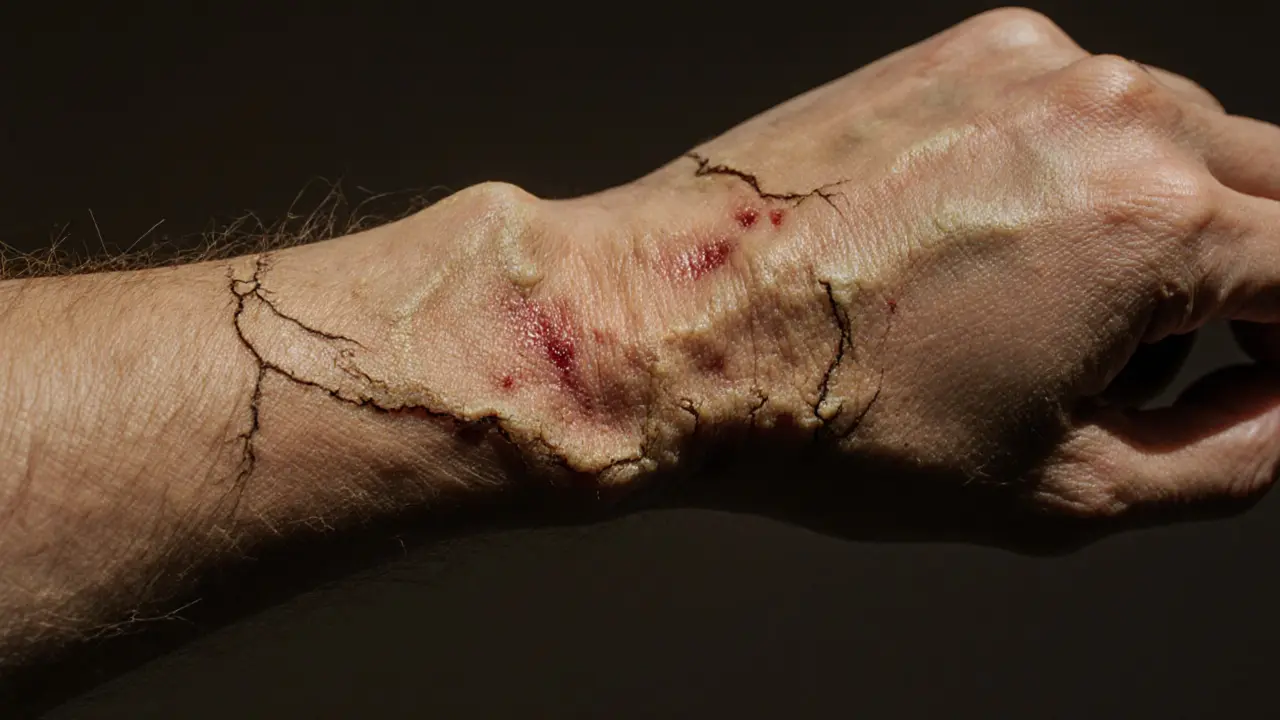
Body scrubs promise smooth skin, but overuse can cause microtears, irritation, and worsen conditions like eczema or acne. Learn the real risks and how to use them safely.