Steam Room Disadvantages: What You Need to Know Before You Step In
When you walk into a steam room, a heated, humid enclosure designed to induce sweating and relaxation. Also known as a Turkish bath, it's meant to soothe muscles and open up your airways. But for all the hype, steam room disadvantages are real—and often ignored. Not everyone should use one. If you have heart issues, low blood pressure, or are pregnant, the heat can push your body past its limits. It’s not just about feeling warm—it’s about how your body reacts under pressure.
One of the biggest steam room risks, the potential for overheating, dehydration, or fainting in high-heat environments is dehydration. You sweat more than you realize, and if you don’t drink water before and after, you can get dizzy, nauseous, or even pass out. People in Dubai, where the outside air is already dry, are especially at risk. The steam might feel refreshing, but it’s pulling moisture out of your skin and blood faster than you can replace it. And while some claim steam "detoxes" you, your liver and kidneys do that job—steam just makes you sweat more.
Then there’s the steam room contraindications, medical conditions or situations where steam room use is unsafe. If you’ve had a heart attack, have uncontrolled high blood pressure, or take medications that affect your temperature regulation, steam rooms can be dangerous. Even if you’re healthy, staying in too long—more than 15 to 20 minutes—can stress your cardiovascular system. And if you’re feeling unwell, sick, or hungover, don’t step in. Heat won’t fix it; it’ll make it worse.
Some people think steam opens pores and clears skin, but that’s not always true. If you have rosacea, eczema, or sensitive skin, the humidity can trigger redness, itching, or breakouts. And if the room isn’t cleaned regularly, bacteria and mold can grow in the damp corners—something that’s more common in high-traffic spas. You’re not just breathing in steam; you’re breathing in whatever’s floating in the air.
And let’s talk about timing. A quick 10-minute session might feel great, but if you’re going in after a workout, after drinking alcohol, or right before bed, you’re asking for trouble. Your body needs time to cool down. Jumping straight from steam to cold water? That shock can spike your blood pressure. It’s not a game—it’s physiology.
There’s a difference between relaxing and risking it. The steam room isn’t magic. It’s a tool. And like any tool, it has limits. The posts below break down exactly who should avoid it, what symptoms mean you’ve stayed too long, and how to use it safely—if you choose to at all. No myths. Just what you need to know before you step in.
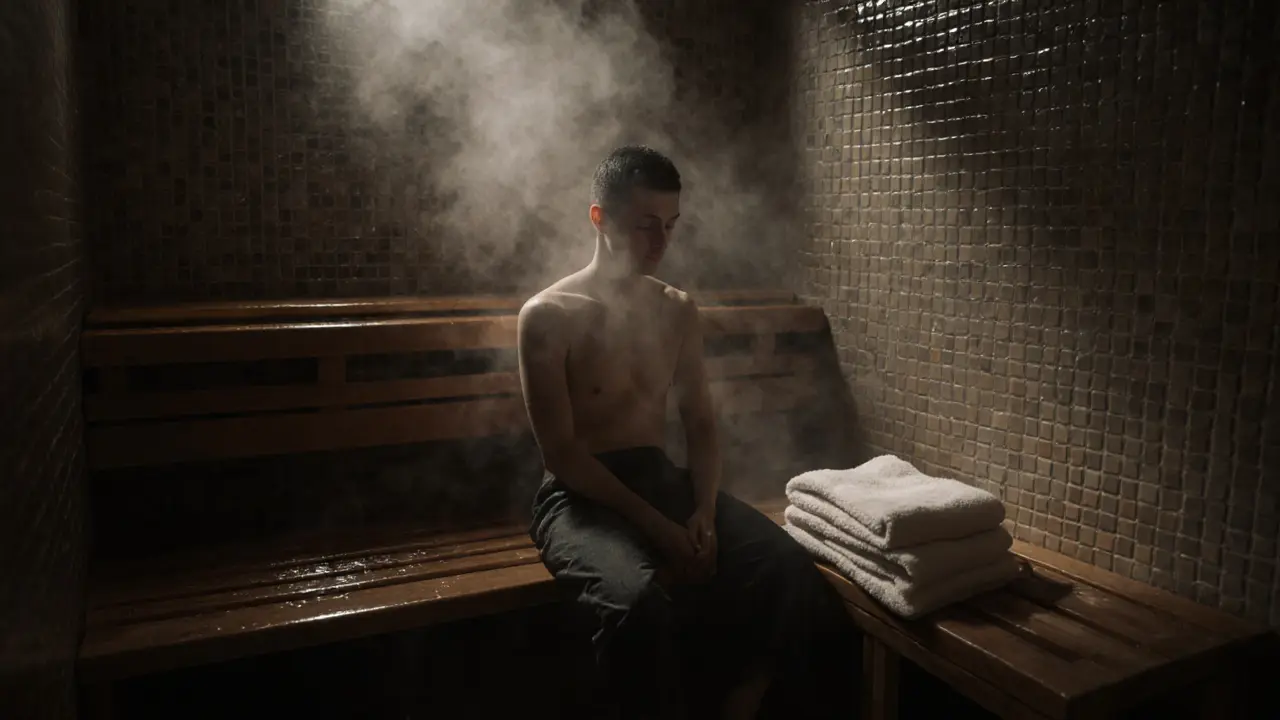
Steam rooms offer relaxation and skin benefits, but they come with real risks like dehydration, dizziness, and infection. Learn who should avoid them and how to use them safely.