Thai Massage Boundaries: What’s Allowed, What’s Not in Dubai Spas
When you think of Thai massage, a traditional therapeutic practice from Thailand that combines acupressure, assisted yoga postures, and deep stretching. Also known as Nuad Bo Rarn, it’s one of the most sought-after treatments in Dubai’s luxury spa scene. But here’s the thing: just because it’s popular doesn’t mean every place does it right. In Dubai, where wellness laws are strict and cultural expectations are high, Thai massage boundaries aren’t just about technique—they’re about legality, consent, and professionalism. Many tourists assume any spa offering "Thai massage" is the same, but the difference between a legitimate session and something questionable comes down to boundaries: where the therapist touches, how they dress, and whether they follow local regulations.
These boundaries aren’t arbitrary. They’re shaped by Dubai’s legal framework for massage therapy, which requires all practitioners to be licensed and sessions to remain strictly therapeutic. A professional Thai massage should never include intimate contact, nudity beyond what’s necessary for movement (like wearing shorts), or any form of sensual pressure. The massage therapy safety, the set of ethical and physical guidelines ensuring treatments remain non-exploitative and medically appropriate is enforced by the Dubai Health Authority. You’ll find this reflected in the way therapists position themselves—always maintaining a respectful distance, using clothed or draped body parts, and never initiating contact outside approved zones like the back, legs, arms, and shoulders. The professional massage ethics, the code of conduct that separates therapeutic touch from inappropriate behavior is non-negotiable. If a spa doesn’t clearly explain what’s included before you lie down, walk out. No reputable place in Dubai hides their process.
What makes Thai massage different from other styles isn’t just the pressure or the stretches—it’s the intent. It’s designed to release energy blockages, improve flexibility, and reduce tension—not to provide a sensual experience. That’s why the cultural massage norms, the unwritten rules shaped by Thai tradition and Dubai’s conservative values are so important. In Thailand, therapists are trained to treat the body like a sacred vessel. In Dubai, that respect is amplified by law. You won’t find unlicensed therapists offering "Thai massage" in hotel rooms or private villas. If someone claims to offer it outside a licensed spa, they’re breaking the rules—and putting you at risk. The same goes for gender-specific sessions: whether you’re a man or woman, you have the right to request a therapist of your preferred gender, and the spa must honor that without pressure or judgment.
So what should you actually expect? A clean, quiet room. A therapist who explains each move before doing it. A full-body session that leaves you relaxed—not confused. No hidden touches. No awkward moments. No vague promises. Just clear, skilled, lawful therapy. The posts below cover everything you need to know—from what parts of the body are off-limits during any massage, to how to spot a licensed spa in Dubai, to what to wear so you feel safe and comfortable. You’ll find real stories from people who’ve been there, tips on avoiding scams, and straight answers to questions like: "Can a female therapist work on a male client?" and "Is deep stretching in Thai massage ever dangerous?" This isn’t theory. It’s what you need to know before you book your next session.
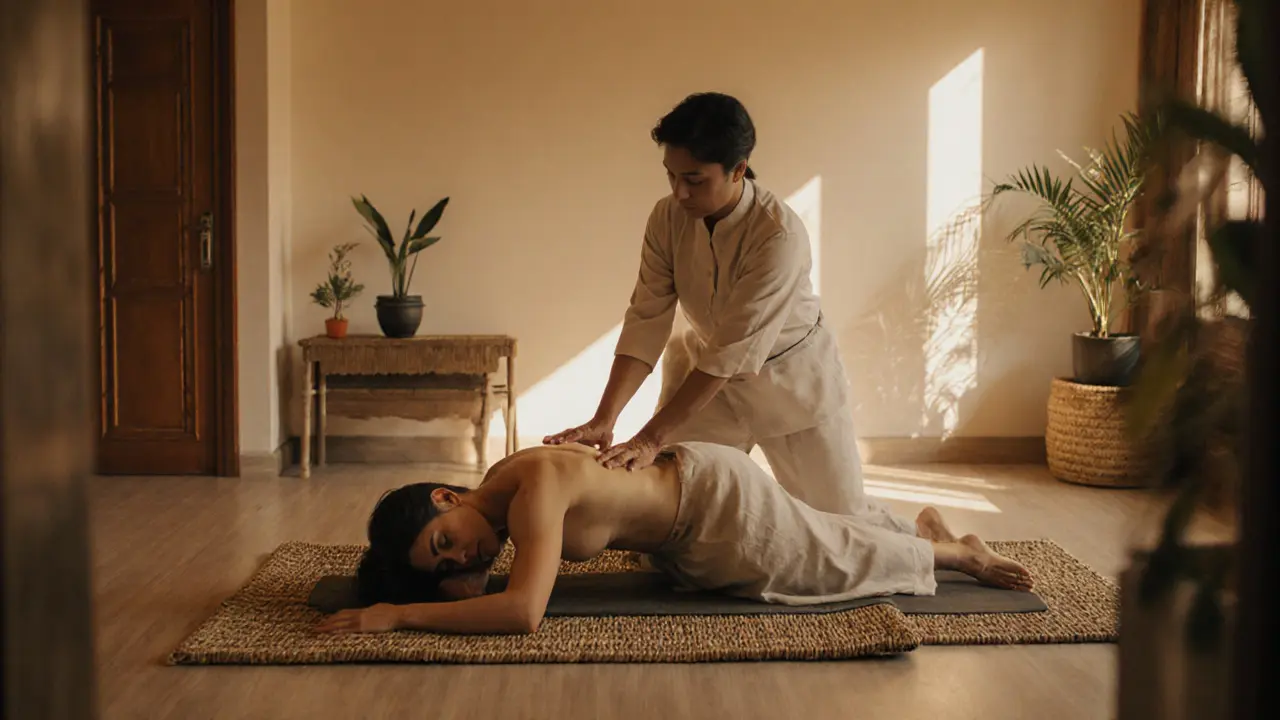
Thai massage in Dubai is a full-body, clothed therapy focused on stretching and pressure-not sensuality. Learn what really happens during a session, why breasts are never involved, and how to find a safe, professional experience.