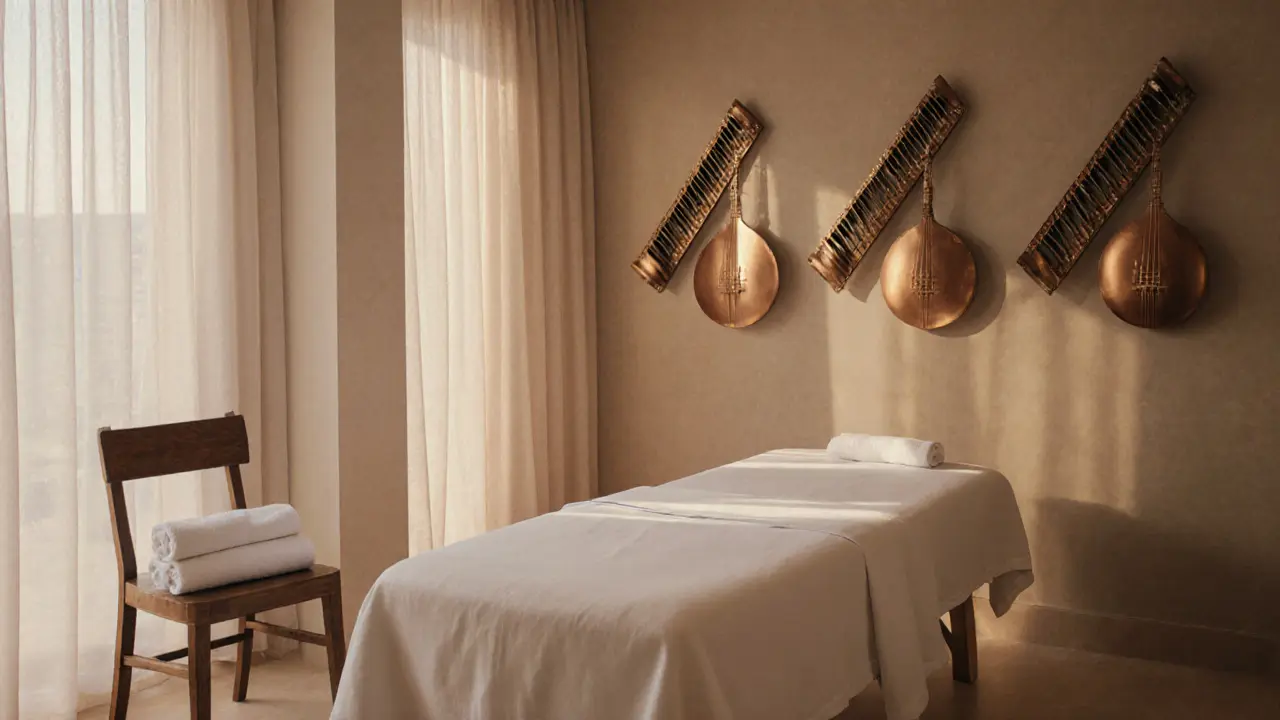
What to Expect During Massage
When you book a massage, a therapeutic hands-on treatment designed to relieve muscle tension, reduce stress, and improve circulation. Also known as therapeutic bodywork, it’s not just about relaxation—it’s a reset for your nervous system, especially in a high-pressure city like Dubai. You don’t need to know the difference between Swedish and deep tissue to get real benefits. But you do need to know what’s normal, what’s not, and how to walk in feeling calm—not confused.
Most people worry about massage clothing, what you wear or remove before a session. The truth? You wear whatever makes you comfortable. Many choose to undress fully and are covered with towels the whole time. Others keep their underwear on. Some even stay fully clothed for seated massages. No therapist will judge you. What matters is that you feel safe. In Dubai, licensed spas follow strict rules: no private areas are touched without clear consent, and therapists are trained to respect cultural boundaries. If you’re unsure, just ask. A good therapist will explain the process before you even lie down.
Then there’s massage etiquette, the unspoken rules that make the experience smooth for both you and the therapist. Shower before you arrive. Turn off your phone. Speak up if the pressure is too much or too little. Silence isn’t required—some people chat, others sleep. Both are fine. The room should be warm. The oil should smell pleasant, not overpowering. If the therapist leaves the room to prep, they’ll knock before coming back. These aren’t fancy rules—they’re basic human respect. And in Dubai, where wellness is a luxury, these details matter.
You might also wonder about massage safety, what’s allowed, what’s off-limits, and who should avoid certain techniques. No reputable therapist will touch your genitals, inner thighs (unless you specifically request it for a medical reason), or other sensitive zones without clear, verbal consent. If someone crosses a line, walk out. That’s not a spa—it’s a violation. Also, if you’re pregnant, have high blood pressure, or just had surgery, tell your therapist. Some techniques can help. Others could hurt. The best therapists ask questions first. They don’t assume.
And what about the after-effects? Some people feel light-headed after a massage—especially if they didn’t drink water. Others feel tired, or even a little achy, like after a good workout. That’s normal. Your body’s releasing tension. But if you feel sick, dizzy, or in pain hours later, that’s a red flag. Drink water. Rest. If it doesn’t pass, call the spa. Most places in Dubai have follow-up protocols because they care about your experience, not just your payment.
What you’ll find in the posts below isn’t theory. It’s real talk from people who’ve been there—whether they were nervous first-timers or regulars who learned the hard way. You’ll see what to wear, what to ask, what to avoid, and how to tell if a spa is truly professional. No fluff. No marketing buzzwords. Just what happens when the door closes, the music starts, and your body finally lets go.