What Are Off Limits During a Massage in Dubai?
When you book a massage in Dubai, you’re not just paying for relaxation-you’re stepping into a space shaped by culture, professionalism, and deep respect for personal boundaries. What are off limits during a massage? This isn’t just about rules; it’s about trust. Whether you’re a visitor or a local, knowing what’s acceptable-and what’s not-helps ensure your experience is safe, comfortable, and truly restorative.
Understanding the Basics of Massage in Dubai
Origins and History
Massage in Dubai blends ancient healing traditions with modern wellness standards. Techniques like Swedish, Thai, and deep tissue have roots in Asia and Europe, but here, they’ve been adapted to meet the expectations of a global city with strong cultural values. The UAE’s emphasis on modesty and privacy means spas follow strict guidelines that honor Islamic norms while accommodating international guests. Unlike in some Western spas where casual attire is common, Dubai’s establishments prioritize discretion-especially in mixed-gender or conservative settings.
Core Principles or Components
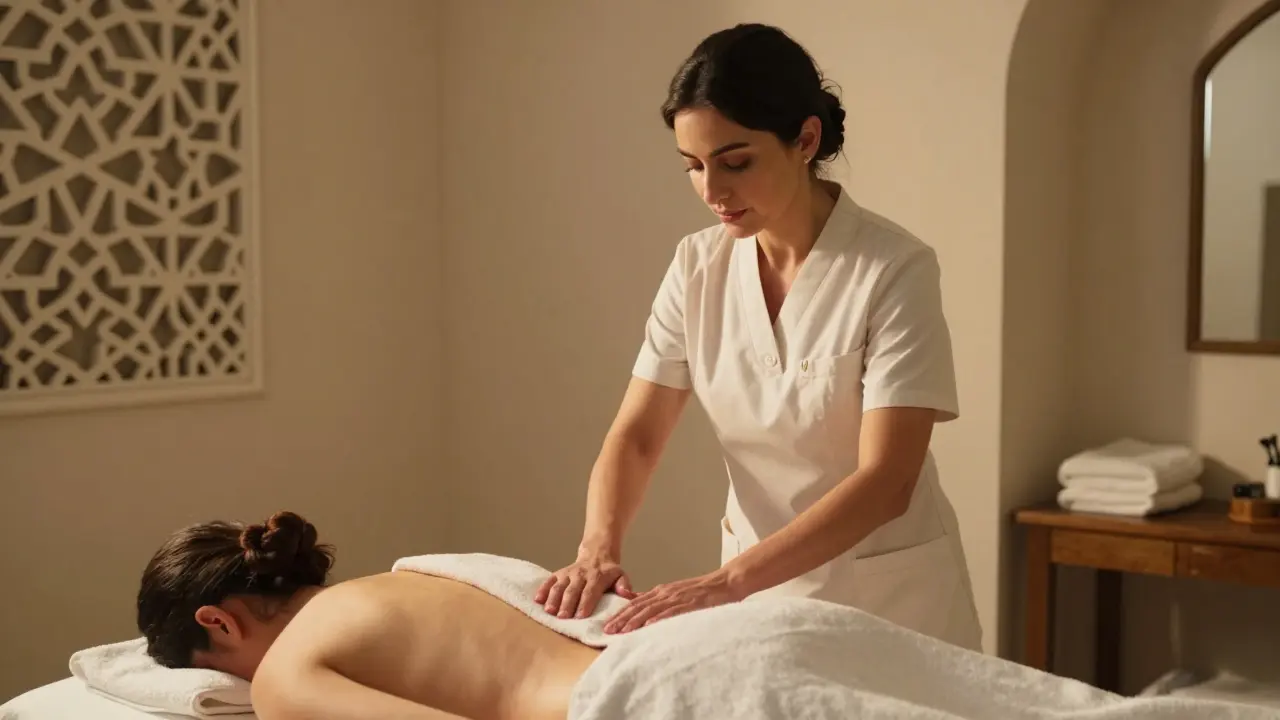
A professional massage in Dubai follows three core principles: consent, cleanliness, and cultural sensitivity. Practitioners are trained to work only on exposed areas-typically the back, neck, shoulders, arms, legs, and feet. The torso and intimate areas are always covered, even during deep tissue or sports massages. Therapists use draping techniques with clean towels to ensure no skin is unintentionally exposed. Communication is key: before the session begins, you’ll be asked about pressure preferences, injuries, and any discomforts.
How It Differs from Related Practices
Compared to massage cultures in places like Thailand or the U.S., Dubai’s approach is more structured and conservative. Here’s how it stacks up:
| Practice | Key Feature | Primary Benefit |
|---|---|---|
| Dubai Massage | Full draping, gender-matched therapists preferred | High comfort for culturally conservative clients |
| Thailand Massage | Loose clothing, active stretching, no oil | Improved flexibility and energy flow |
| U.S. Spa Massage | Often nude under towel, mixed-gender therapists common | Deep relaxation and muscle release |
Who Can Benefit from Massage in Dubai?
Anyone seeking relief from stress, muscle tension, or travel fatigue can benefit. Tourists often book massages after long flights. Locals use them for chronic pain management or as part of self-care routines. Couples enjoy side-by-side sessions in private rooms. Even those unfamiliar with massage find Dubai’s spas welcoming-thanks to clear guidelines and professional staff trained to explain every step.
Benefits of Massage for Body and Mind
Stress Reduction
Massage lowers cortisol levels-the body’s main stress hormone-by up to 30% after just one session, according to general wellness research. In Dubai’s fast-paced environment, where work hours are long and temperatures soar, this effect is powerful. Many clients report feeling calmer, sleeping better, and even thinking more clearly after a massage. It’s not magic-it’s physiology.
Enhanced Mobility and Recovery
If you’ve been walking endless malls or standing on desert tours, your muscles are likely tight. Massage improves circulation, reduces inflammation, and helps flush out lactic acid. Athletes, travelers, and even office workers notice increased range of motion and less stiffness after regular sessions. It’s like hitting the reset button on your body.
Emotional Well-Being
Touch, when given respectfully, releases oxytocin-the bonding hormone. In Dubai’s high-stress urban setting, this emotional lift matters. People often leave feeling lighter, not just physically but mentally. It’s not therapy, but it can feel like a quiet moment of peace in a busy life.
Practical Applications
Think of massage as preventive care. Regular sessions help avoid injuries from poor posture or overuse. Many Dubai-based professionals schedule monthly massages to stay sharp during busy seasons. Parents use them to recover from sleepless nights. Even hotel guests book 30-minute express massages between meetings.
| Benefit | Description | Impact |
|---|---|---|
| Stress Relief | Reduces cortisol and promotes calm | Improved sleep and focus |
| Pain Management | Loosens tight muscles and improves circulation | Less reliance on painkillers |
| Cultural Comfort | Respects modesty and privacy norms | Higher satisfaction among conservative clients |
| Recovery Aid | Speeds up muscle repair after physical activity | Faster return to daily routines |
What to Expect When Engaging with a Massage in Dubai
Setting or Context
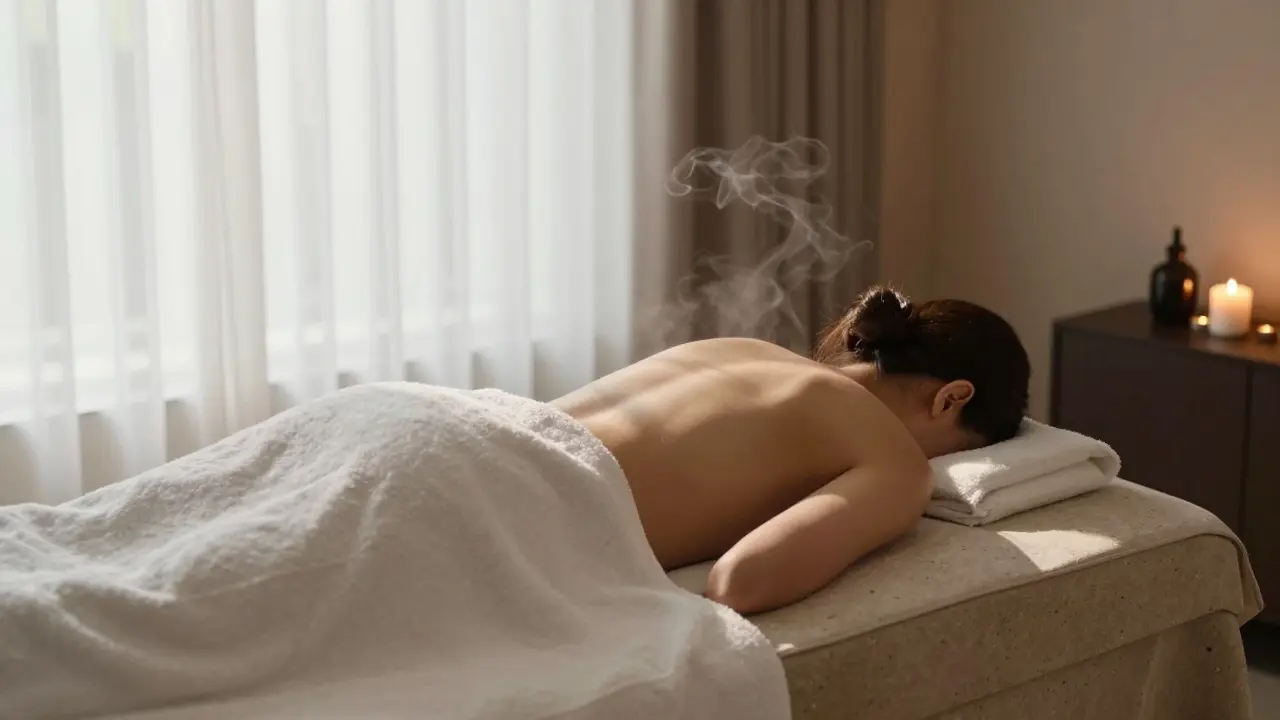
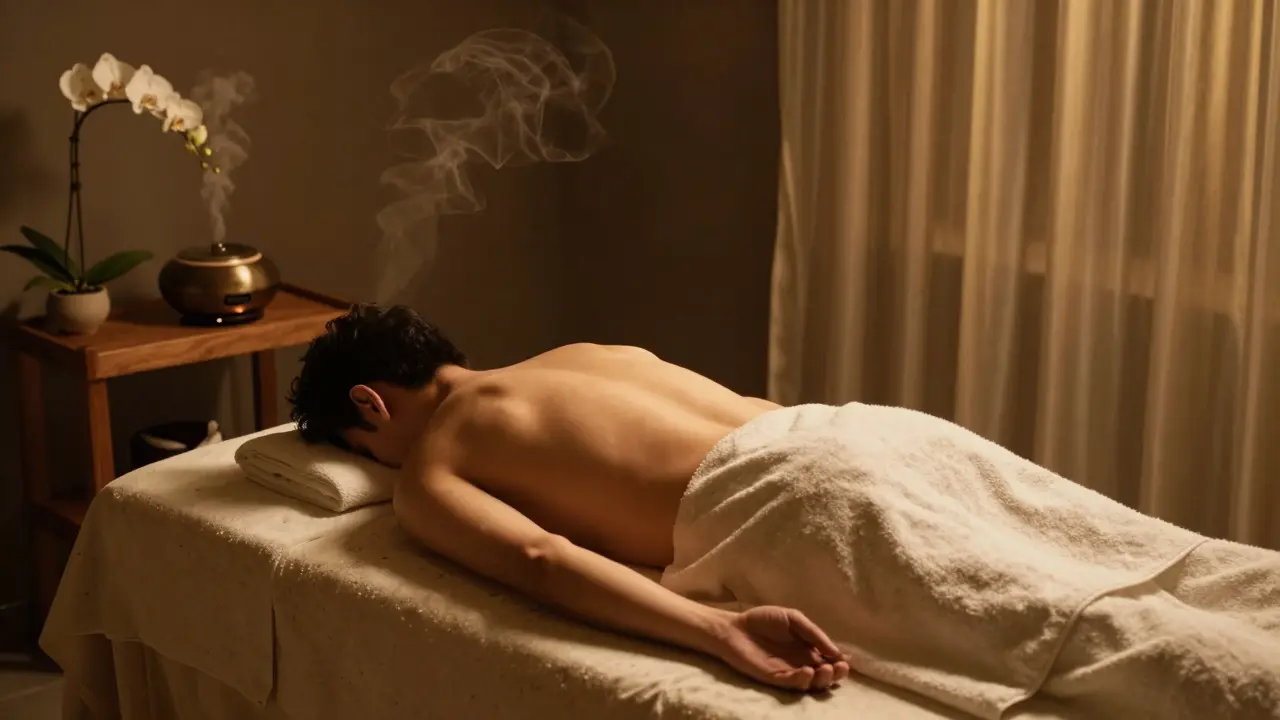
Most reputable spas in Dubai are located in luxury hotels, wellness centers, or standalone clinics. Expect soft lighting, calming music, and a quiet, clean environment. Rooms are private, often with a changing area and ensuite bathroom. You’ll be offered water or herbal tea before the session. The atmosphere is designed to make you feel safe, not exposed.
Key Processes or Steps
Here’s what typically happens:
- You arrive and fill out a brief health form (injuries, allergies, pregnancy, etc.).
- You’re guided to a private room and given time to undress and cover yourself with a towel.
- The therapist knocks before entering, introduces themselves, and asks about pressure and comfort.
- They work only on exposed areas, keeping the rest draped at all times.
- After the session, you’re given time to dress, then offered water or a light snack.
Customization Options
Spas in Dubai offer a wide range of options: aromatherapy with oud or rose oils, hot stone therapy, reflexology, or sports massage for athletes. You can choose male or female therapists based on your comfort level. Sessions range from 30 minutes to 2 hours. Some even offer in-room services at luxury villas or private residences.
Communication and Preparation
Speak up. If the pressure is too hard, if you’re cold, if you feel uncomfortable-say it. Therapists are trained to adjust instantly. Arrive 10-15 minutes early to relax. Avoid heavy meals or alcohol beforehand. Shower if you’ve been out in the heat. And remember: you’re in control. No one will pressure you into anything.
What Is Off Limits During a Massage in Dubai?
Explicit Boundaries
These are non-negotiable in Dubai:
- Touching or massaging the genital area, buttocks, or breasts is strictly prohibited. Even light pressure or accidental exposure is a serious violation.
- Therapists never initiate conversation about personal relationships, religion, or politics.
- Photography, recording, or taking photos of the room or therapist is forbidden and illegal.
- Requests for non-professional touch, flirtation, or physical advances will be immediately reported and may result in legal action.
These rules aren’t arbitrary. They’re backed by UAE law and professional ethics. Violating them isn’t just rude-it’s a criminal offense. Spas take this seriously. Staff are trained to recognize inappropriate behavior and protect clients.
What to Wear
You don’t need to be naked. Most people wear underwear. Women often wear a bikini bottom; men wear boxers or shorts. The therapist will drape you with towels, revealing only the area being worked on. If you’re uncomfortable, ask for a full-coverage robe. No one will judge you.
What to Avoid Saying or Doing
Don’t ask the therapist personal questions. Don’t make comments about their appearance. Don’t try to touch them. Don’t insist on a massage in a non-private setting. And never assume that because you paid, you’re entitled to more than the service offered. A massage is a professional healthcare-like experience-not a social encounter.
Safety and Ethical Considerations
Choosing Qualified Practitioners
Always choose spas with licensed therapists. Look for certifications from recognized bodies like the International Spa Association or local UAE wellness councils. Reputable places display credentials in the reception area. Avoid unlicensed operators in hotels without spa branding or those offering extremely low prices-this often signals poor training or hidden risks.
Safety Practices
Here’s how to stay safe:
| Practice | Purpose | Example |
|---|---|---|
| Use clean linens | Prevent skin infections | Therapists change towels between clients |
| Confirm consent | Ensure comfort and legality | Therapist asks, “Is this pressure okay?” |
| Report discomfort | Stop potential harm | Say “stop” if anything feels wrong |
Setting Boundaries
Your comfort is the priority. If you feel uneasy, you have the right to stop the session. You can ask for a different therapist. You can request a chaperone. No reputable spa will make you feel guilty for protecting your boundaries. In fact, they’ll appreciate your awareness.
Contraindications or Risks
Massage isn’t safe for everyone. Avoid it if you have:
- Recent surgery or open wounds
- Severe osteoporosis or blood clots
- High fever or contagious illness
- Advanced pregnancy without prenatal certification
Always disclose medical conditions. Therapists need this info to adjust techniques. If you’re unsure, consult your doctor first.
Enhancing Your Experience with Massage
Adding Complementary Practices
Pair your massage with a quiet walk in the hotel garden, a cup of mint tea, or 10 minutes of deep breathing. Some spas offer post-massage meditation rooms. These small additions deepen relaxation and help you carry the calm into your day.
Collaborative or Solo Engagement
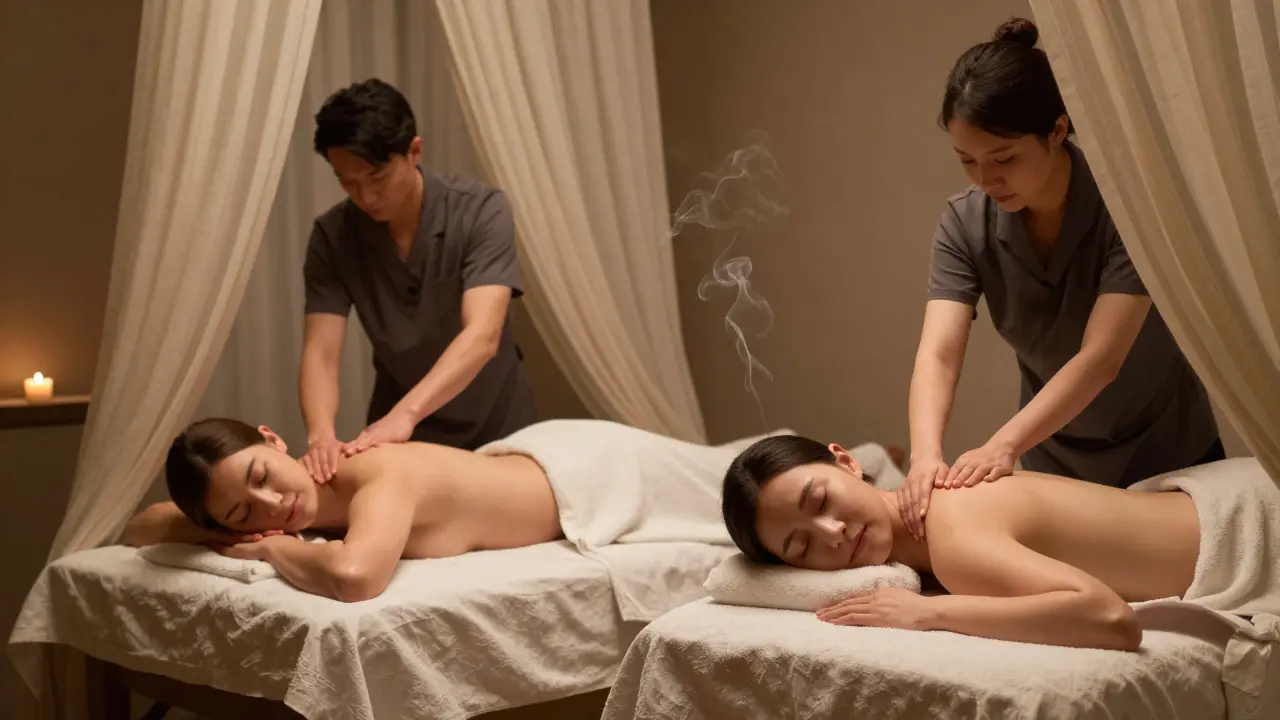
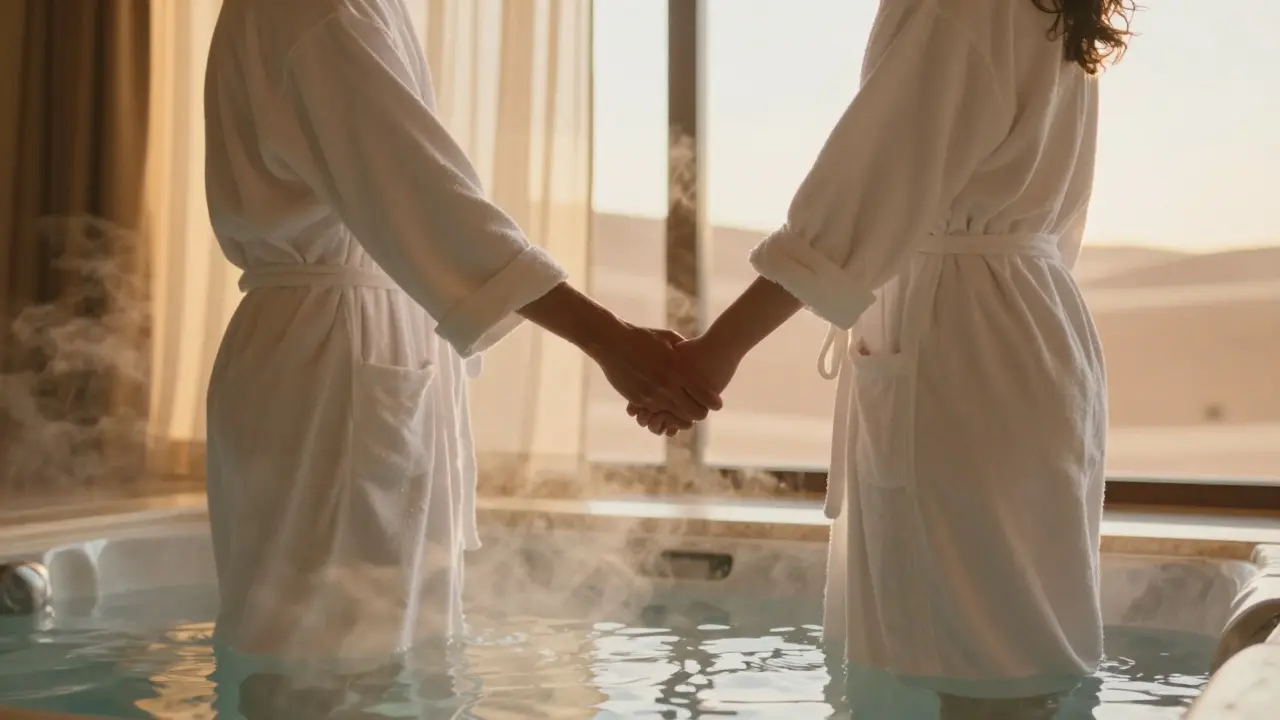
Masages are great alone-but couples’ sessions are popular in Dubai. Side-by-side rooms with shared music and scents make it a shared ritual. If you’re traveling solo, treat it as your personal recharge time. No need to rush out afterward. Sit, breathe, and enjoy the stillness.
Using Tools or Props
Some people bring their own essential oils (like lavender or eucalyptus) if they have sensitivities. Others use warm compresses or heated blankets. Most spas provide everything, but if you have a preference, ask ahead. It’s perfectly normal.
Regular Engagement for Benefits
One massage is nice. Two a month? Life-changing. Consistent sessions help manage chronic stress, improve posture, and reduce tension headaches. Think of it like brushing your teeth-but for your muscles and mind.
Finding Resources or Experts for Massage in Dubai
Researching Qualified Practitioners
Check Google reviews, but look for patterns-not just ratings. Are people consistently mentioning cleanliness, professionalism, and respect? Ask your hotel concierge for trusted spas. Top names like The Spa at Burj Al Arab, Talise Ottoman, or Zabeel Saray are reliable. Local clinics like Body & Soul or The Wellness House also have excellent reputations.
Online Guides and Communities
Follow Dubai wellness influencers on Instagram who share real client experiences (not ads). Join Facebook groups like “Dubai Wellness Community” for honest reviews. Avoid blogs that push affiliate products-stick to community-driven advice.
Legal or Cultural Considerations
UAE law strictly regulates spa services. Any sexualized behavior during a massage is a criminal offense under Article 357 of the UAE Penal Code. Spas are required to report violations. As a guest, you’re protected. Don’t hesitate to speak up.
Resources for Continued Learning
Books like “The Art of Massage” by Dr. David K. Smith or “Wellness in the Middle East” by Fatima Al-Mansoori offer cultural context. YouTube channels like “Dubai Spa Diaries” show real sessions (with consent) and explain techniques.
FAQ: Common Questions About Massage in Dubai
What should I wear during a massage in Dubai?
You don’t need to be naked. Most people wear underwear-bikini bottoms for women, boxers or shorts for men. The therapist will cover you with towels at all times, revealing only the area being worked on. If you’re uncomfortable, you can request a full robe. No one will pressure you to undress more than you’re comfortable with.
Can I request a male or female therapist?
Absolutely. Most spas in Dubai let you choose based on your preference. Many women prefer female therapists, and men often feel more comfortable with male therapists. This is standard practice, not unusual. Just let the receptionist know when booking. Your comfort matters more than assumptions.
Is it okay to talk during the massage?
It’s fine to speak if you need to-like to adjust pressure or mention discomfort. But silence is normal and encouraged. Many people use the time to relax deeply. Therapists won’t push conversation. If you want to chat, they’ll respond politely. If you prefer quiet, they’ll respect that too.
What happens if I feel uncomfortable during the massage?
Speak up immediately. Say “stop,” “too hard,” or “I’m not comfortable.” Any professional therapist will pause, adjust, or end the session without question. You have the right to leave at any time. Reputable spas have clear protocols to handle complaints, and your feedback helps improve their service.
Are there any cultural taboos I should know about?
Yes. Avoid discussing religion, politics, or personal relationships. Don’t make comments about the therapist’s appearance. Never touch them. Don’t ask for extra services beyond massage. These aren’t just rules-they’re part of Dubai’s cultural code. Respecting them ensures a safe, positive experience for everyone.
Conclusion: Why Massage in Dubai is Worth Exploring
A Path to Calm in a Busy City
Massage in Dubai isn’t a luxury-it’s a necessity for anyone living or traveling here. The heat, the pace, the stress-it all adds up. A professional massage gives you back your body’s balance. It’s not about indulgence; it’s about sustainability.
Try It Mindfully
Book a session with a licensed spa. Know your boundaries. Speak up. Leave your assumptions at the door. You might just find the most peaceful hour of your week.
Share Your Journey
Tried a massage in Dubai? Share your experience in the comments-what surprised you? What felt perfect? Follow this blog for more honest tips on wellness in the UAE.
Some links may be affiliate links, but all recommendations are based on research and quality.
Word count: 1,723
Suggested Images
- A serene, softly lit massage room in a Dubai spa with towels draped over a client, natural light filtering through blinds.
- A professional female therapist in a clean uniform, gently adjusting a towel on a client’s back during a session.
- A couple side-by-side in a private spa suite, both relaxed with eyes closed, receiving massages.
- A close-up of hands using aromatic oil during a back massage, with a towel covering the lower body.
- A spa reception area with a sign reading “Licensed Therapists Only” and a certificate on the wall.
Suggested Tables
- Comparison of Massage Practices in Dubai vs. Other Regions
- Key Benefits of Massage in Dubai
- Massage Safety Tips in Dubai

James Foster
January 11, 2026 AT 11:17Amber Oravecz
January 12, 2026 AT 00:45Jamie Lane
January 12, 2026 AT 15:40Grace Koski
January 14, 2026 AT 10:56Pearlie Alba
January 15, 2026 AT 08:12Tom Garrett
January 17, 2026 AT 05:09Eva Ch
January 18, 2026 AT 14:38Julie Corbett
January 20, 2026 AT 05:10