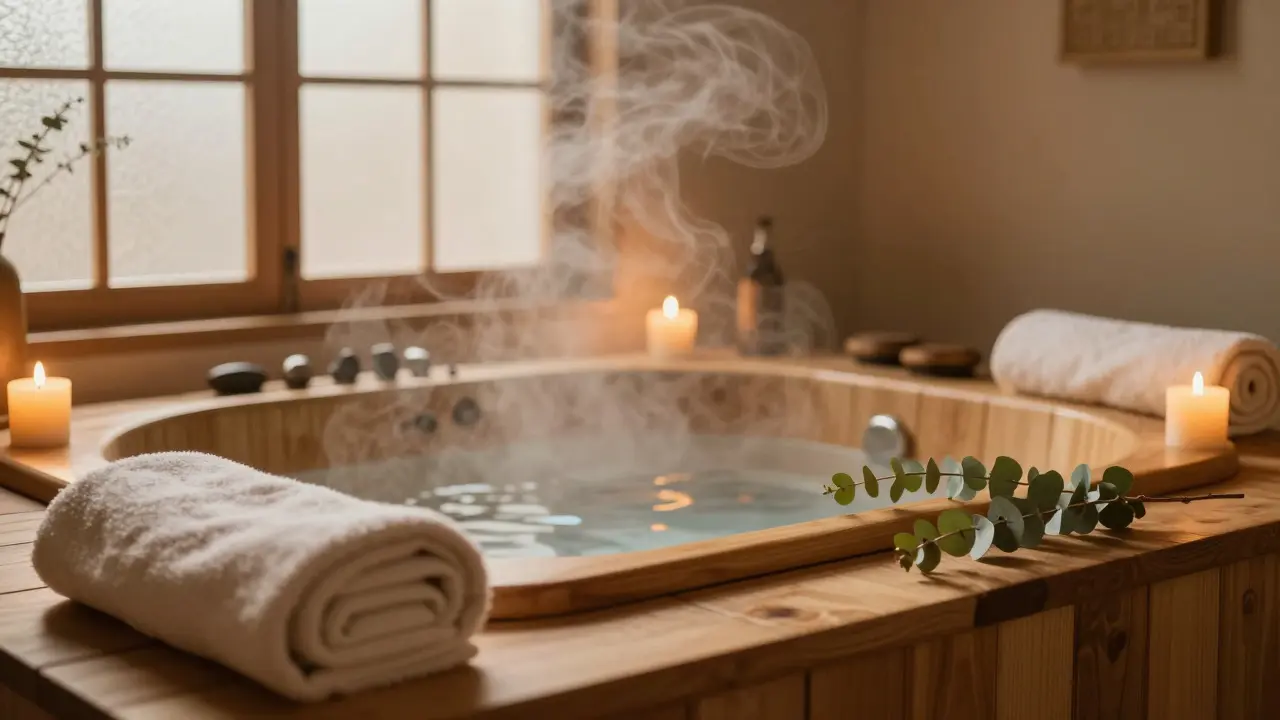
When you hear the word spa, you probably picture steam, candles, soothing music, and a massage that melts your stress away. But what does SPA actually stand for? Most people think it’s just a fancy name for a relaxation center. The truth is, it’s an acronym with deep roots - and knowing it changes how you see the whole experience.
Understanding the Basics of SPA
Origins and History
The word spa comes from the Belgian town of Spa, famous since Roman times for its natural mineral springs. People traveled there for centuries to bathe in waters believed to heal everything from joint pain to fatigue. By the 16th century, the town became so well-known that the term "spa" started being used to describe any place with healing waters - not just that one town.
Fast forward to the 1800s, and spa culture exploded across Europe. Royalty, artists, and the wealthy flocked to these resorts. In the 20th century, the idea evolved. Modern spas dropped the mineral springs and kept the calm. Today, you don’t need natural hot water to call it a spa - just peace, touch, and intention.
Core Principles or Components
At its heart, a spa is built on three simple ideas: restoration, ritual, and sensory calm. Restoration means giving your body and mind a chance to reset. Ritual refers to the intentional sequence - cleansing, relaxing, nourishing - that turns a treatment into an experience. Sensory calm is about using light, sound, scent, and touch to quiet the nervous system.
These aren’t just fluffy concepts. Research from the American Psychological Association shows that consistent exposure to calming environments can lower cortisol levels by up to 30% over time. That’s not magic - it’s biology. A spa, whether it’s a luxury resort or a quiet corner at home, works because it interrupts the stress cycle.
How It Differs from Related Practices
People often mix up spa with massage, saunas, or even beauty salons. But here’s the difference:
| Practice | Key Feature | Primary Benefit |
|---|---|---|
| Spa | Multi-sensory experience combining water, touch, and environment | Full-system reset for mind and body |
| Massage Therapy | Focused on muscles and connective tissue | Pain relief and mobility improvement |
| Sauna | Heat exposure for detox and circulation | Cardiovascular support and muscle recovery |
| Beauty Salon | Surface-level cosmetic treatments | Aesthetic enhancement |
A spa doesn’t just fix one thing - it gives you space to breathe again. That’s why you leave feeling different, not just cleaner or less sore.
Who Can Benefit from SPA?
Almost everyone. Busy parents who haven’t sat still in months. Office workers with neck pain from staring at screens. Athletes recovering from training. People dealing with anxiety or burnout. Even those who just need a reason to say "no" to the world for an hour.
Spas aren’t just for the wealthy or the lazy. In Dubai, many local wellness centers offer short 30-minute sessions - steam, a foot soak, a shoulder rub - designed for people with tight schedules. You don’t need to spend hours or hundreds of dirhams to feel the shift. It’s about quality, not quantity.
Benefits of SPA for Body and Mind
Stress Reduction
When your body is under stress, your muscles tighten, your breathing gets shallow, and your brain stays stuck in "alert" mode. A spa environment flips that switch. Warm water, dim lighting, and gentle touch activate the parasympathetic nervous system - the part that says, "It’s safe to relax now." Studies from the National Institutes of Health show that even 20 minutes in a calm, sensory-rich setting can reduce heart rate and blood pressure. That’s why people say they feel "lighter" after a spa session - it’s not just emotional. It’s physical.
Enhanced Functionality
Spas don’t just make you feel good - they help you perform better. Better sleep after a massage. Fewer headaches after a steam session. Improved digestion after a full-body treatment. These aren’t side effects. They’re direct results of reducing chronic tension.
When your muscles aren’t locked up, your posture improves. When your mind isn’t racing, your focus sharpens. That’s why many corporate wellness programs in Dubai now include spa vouchers - not as a perk, but as a productivity tool.
Emotional Well-Being
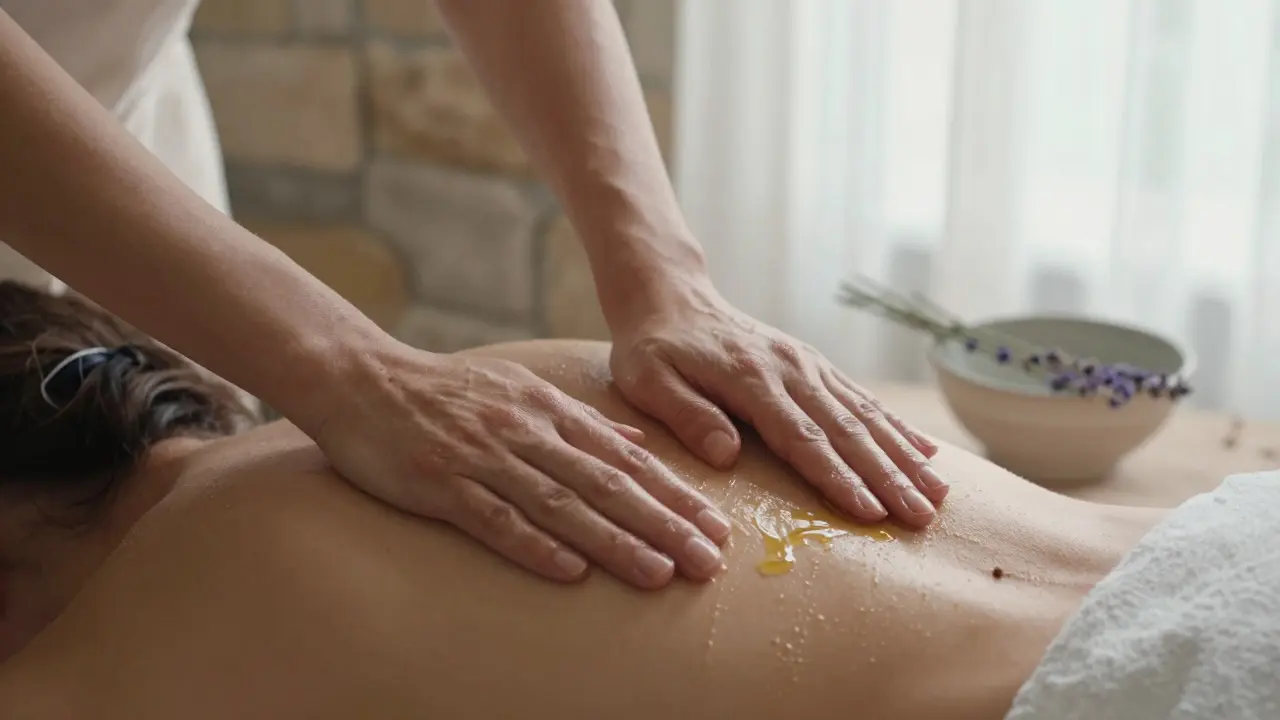
Touch is powerful. A warm hand on your shoulder, the pressure of a stone along your back - these things signal safety to your brain. That’s why people cry during massages. It’s not sadness. It’s release.
Spa experiences create space for emotional processing. Without the noise of daily life, buried feelings often rise to the surface. That’s normal. And it’s healing. You don’t need to talk about it. Just let it happen.
Practical Applications
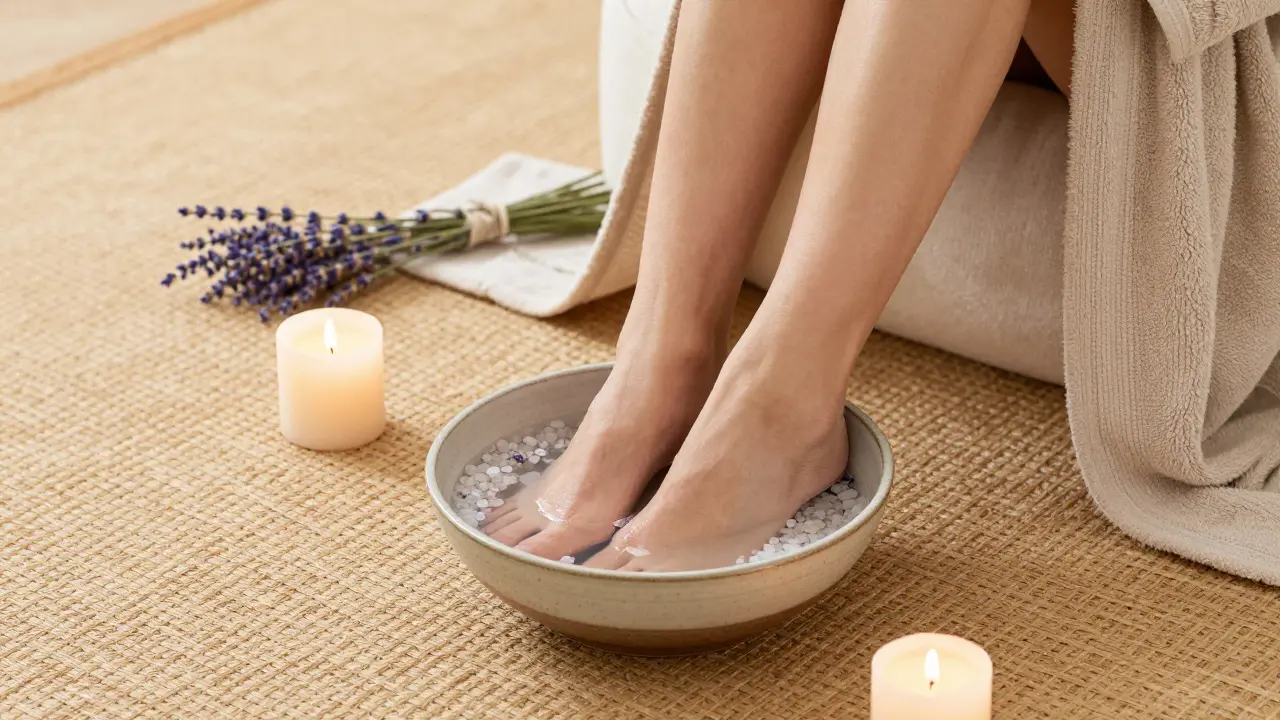
You don’t need a luxury spa to use these benefits. Try this: light a candle, fill a bowl with warm water and Epsom salts, soak your feet for 15 minutes, and breathe slowly. That’s a mini-spa. Do it after work. Do it before bed. Do it when you feel like you’re running on empty.
| Benefit | Description | Impact |
|---|---|---|
| Improved Sleep | Lower cortisol and relaxed muscles help you fall asleep faster | More restful nights, less morning fatigue |
| Reduced Muscle Tension | Heat and pressure release tightness in neck, shoulders, back | Less pain, better movement |
| Mood Stabilization | Sensory calm lowers anxiety and boosts serotonin | More patience, less reactivity |
| Self-Care Habit Formation | Regular breaks reinforce that your well-being matters | Better long-term mental health |
What to Expect When Engaging with SPA
Setting or Context
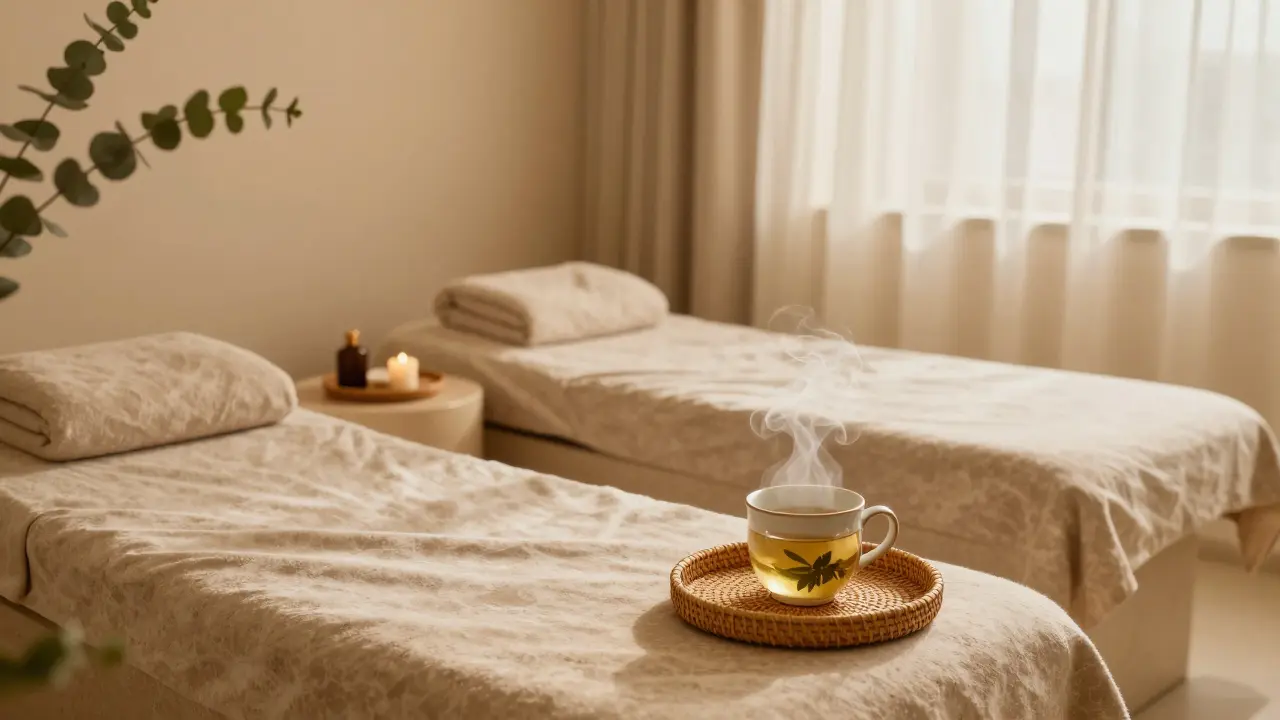
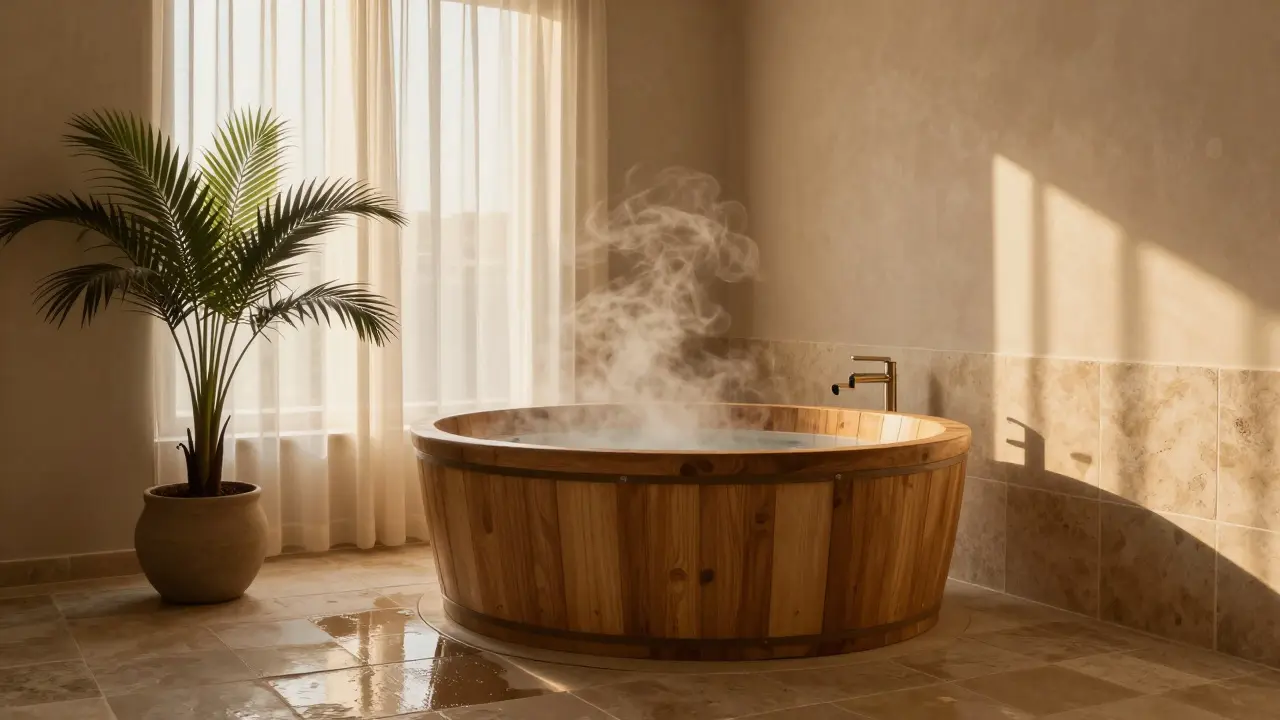
A good spa feels like stepping into another world. Soft lighting. Minimal noise. The smell of lavender or eucalyptus. Cool tiles underfoot. Even in a busy city like Dubai, the best spas design their spaces to block out the outside - no phones, no rush, no chatter.
It’s not about luxury. It’s about intention. A quiet room with a warm towel and a cup of herbal tea can be just as powerful as a marble suite with a private pool.
Key Processes or Steps
Most spa treatments follow a simple flow:
- Cleansing: A shower or foot soak to remove the day’s grime - literal and emotional.
- Relaxation: Massage, steam, or hydrotherapy to calm the nervous system.
- Nourishment: Moisturizing, scalp treatments, or hydration to restore the body.
- Re-entry: A quiet moment with tea or silence before heading back out.
This rhythm matters. Skipping the re-entry? You leave feeling half-processed. Taking time to sit? That’s when the real shift happens.
Customization Options
Spas aren’t one-size-fits-all. You can choose:
- Oil type (lavender for calm, citrus for energy)
- Pressure level (light for relaxation, deep for pain)
- Duration (15 minutes for a quick reset, 90 for a full reset)
- Environment (silent, with music, with guided breathing)
Good spas ask you what you need. Don’t be afraid to say it. Your comfort is the point.
Communication and Preparation
Before your session, tell your therapist:
- If you’re pregnant or have an injury
- If you’re sensitive to heat or scent
- If you’d rather not talk
There’s no such thing as too much information. The better they know you, the better the experience.
How to Practice or Apply SPA
Setting Up for Success
You don’t need a spa to have a spa moment. At home:
- Turn off your phone
- Light a candle or use soft lighting
- Play ambient sounds - rain, ocean, or silence
- Keep the room warm
That’s it. You’ve created the space.
Choosing the Right Tools/Resources
For a home spa, you need:
- Epsom salts (for muscle relaxation)
- Essential oils (lavender, chamomile, or peppermint)
- A soft towel or robe
- Herbal tea (chamomile or ginger)
Start simple. You don’t need expensive gadgets. Just intention.
Step-by-Step Guide
Here’s a 20-minute home spa routine:
- Take a warm shower to cleanse your skin.
- Soak your feet in warm water with ½ cup Epsom salts and 3 drops of lavender oil for 10 minutes.
- While soaking, breathe in deeply for 4 counts, hold for 4, exhale for 6. Repeat 5 times.
- Apply a moisturizing body oil while your skin is still damp.
- Wrap yourself in a towel, sip tea, and sit quietly for 5 minutes.
That’s your reset. No appointments needed.
Tips for Beginners or Couples
If you’re new to this, don’t expect perfection. It’s okay if you fall asleep during the foot soak. It’s okay if you forget the oil. Just show up.
Doing it with a partner? Try a silent massage - no talking, just hands on shoulders or feet. It builds connection without words.
Safety and Ethical Considerations
Choosing Qualified Practitioners/Resources
In Dubai, licensed spa therapists must have certification from the Dubai Health Authority. Always ask to see their credentials. If they’re working out of a hotel or mall kiosk, check reviews. Look for consistent mentions of cleanliness, professionalism, and respect for boundaries.
Safety Practices
| Practice | Purpose | Example |
|---|---|---|
| Hygiene | Prevent infection | Towels changed between clients, tools sterilized |
| Consent | Respect personal space | Therapist asks before touching sensitive areas |
| Temperature Control | Avoid burns or shock | Hot tubs kept below 40°C, steam rooms timed |
Setting Boundaries
You have the right to say "no" to any part of a treatment. If a therapist uses too much pressure, or you’re uncomfortable with a scent, speak up. A good therapist will adjust without hesitation.
Contraindications or Risks
Spas aren’t for everyone. Avoid them if you have:
- Open wounds or skin infections
- High fever or contagious illness
- Recent surgery or blood clots
- Severe heart conditions
If you’re unsure, talk to your doctor first. It’s not weak to check. It’s smart.
Enhancing Your Experience with SPA
Adding Complementary Practices
Pair your spa time with:
- 5 minutes of journaling after your session
- Drinking a glass of water
- Listening to calming music on the way home
These small habits help the calm stick.
Collaborative or Solo Engagement
Some people need silence. Others feel safer with a friend nearby. Both are valid. Solo spa time builds self-trust. Shared spa time builds connection. Choose what your soul needs that day.
Using Tools or Props
Simple tools make a big difference:
- A heated eye pillow for headaches
- A bamboo back roller for tight shoulders
- A silk sleep mask to deepen relaxation
These aren’t luxuries. They’re tools for self-care.
Regular Engagement for Benefits
One spa session won’t fix chronic stress. But one a month? That’s a game-changer. Think of it like brushing your teeth - not for a one-time clean, but to prevent decay over time.
Start small: one 30-minute session a month. Notice how you feel after. Then try two. Your body will thank you.
Finding Resources or Experts for SPA
Researching Qualified Experts/Resources
In Dubai, look for spas with DHA licensing. Check Google reviews for keywords like "professional," "clean," and "respectful." Avoid places with complaints about pushy sales or unhygienic conditions.
Online Guides and Communities
Reputable sites like the International Spa Association (ISPA) offer free guides on spa etiquette and self-care. YouTube channels like "The Mindful Spa" have short, practical routines you can try at home.
Legal or Cultural Considerations
In the UAE, spa services are gender-sensitive. Many centers offer women-only hours or private rooms. Respect that. It’s not just policy - it’s cultural comfort.
Resources for Continued Learning
Books like The Art of Simple Living by Fujiko Nakaya or Spa Therapy by Dr. Karen G. Haines offer deeper insight. Podcasts like "Calm Collective" explore mindfulness and self-care in daily life.
FAQ: Common Questions About SPA
What does SPA stand for?
SPA is an acronym for "Salus Per Aquam," a Latin phrase meaning "health through water." It originated in the Belgian town of Spa, where mineral springs were believed to heal the body. Today, the term refers to any place or practice focused on restoring well-being through water, touch, and environment - whether it’s a luxury resort or a quiet foot soak at home.
What happens during a spa session?
A typical spa session follows a rhythm: cleansing (like a shower or foot soak), relaxation (massage, steam, or hydrotherapy), nourishment (moisturizing or scalp treatment), and re-entry (quiet time with tea or silence). The goal isn’t to fix one problem - it’s to reset your whole system. You might feel deeply relaxed, emotionally lighter, or even a little tearful. That’s normal. The experience is designed to slow you down and help your body release stored stress.
How does SPA differ from massage therapy?
Massage therapy focuses on muscles and movement - it’s targeted and often clinical. A spa experience is broader. It includes massage, but also water, scent, temperature, lighting, and silence. A massage might relieve a sore back. A spa session helps you stop carrying the weight of the world. One heals the body. The other restores the soul.
What is the method of SPA?
The core method of a spa is sensory regulation. It uses warm water, gentle touch, calming scents, soft lighting, and quiet to signal safety to your nervous system. This triggers the parasympathetic response - your body’s natural "rest and digest" mode. The technique isn’t complicated. It’s about removing stress triggers and replacing them with soothing ones. That’s why even a 15-minute foot soak can feel like a full reset.
Is SPA suitable for beginners?
Absolutely. You don’t need experience, special clothes, or a big budget. Start with a 20-minute foot soak at home. Use warm water, Epsom salts, and a quiet space. No therapist needed. The goal isn’t perfection - it’s presence. If you can breathe slowly for five minutes, you’re doing it right. Many first-timers say they felt nervous at first - but left feeling like they’d finally taken a real breath.
Conclusion: Why SPA is Worth Exploring
A Path to Calm
SPA isn’t about luxury. It’s about listening - to your body, your breath, your quietest needs. It’s the antidote to a world that never stops asking for more. You don’t need to go to a resort to find it. You just need to pause.
Try It Mindfully
Start small. One foot soak. One quiet evening. One hour where you say no to everything else. Let yourself feel what it’s like to truly rest. If you’re unsure, try a professional session - but always trust your comfort over the price tag.
Share Your Journey
Tried a spa ritual this week? Share your experience in the comments - even if it was just 10 minutes with a candle and a towel. Your story might be the nudge someone else needs.
Follow this space for more simple ways to bring calm into your daily life.
Some links may be affiliate links, but all recommendations are based on research and quality.
Word count: 1,728
Suggested Images
- A steamy, softly lit spa room with a wooden tub, candles, and towels folded neatly
- Hands gently massaging a person’s back with warm oil, natural light filtering through blinds
- A person soaking their feet in a ceramic bowl with Epsom salts and lavender sprigs
- A quiet corner with a cozy robe, herbal tea, and an open journal - symbolizing re-entry
- A diverse group of people smiling after a spa session, wrapped in robes, walking calmly through a garden
Suggested Tables
- Comparison of Spa vs. Massage Therapy vs. Sauna (as shown in the article)
- Key Benefits of Regular Spa-Like Practices (as shown in the article)
- Spa Safety Tips (as shown in the article)

Bhatti Naishadh
December 2, 2025 AT 19:14SPA? More like Socialist Propaganda Agenda. They want you weak, dependent, and docile. Real men work through pain. You don't need lavender and candles to be strong-you need discipline. This is cultural decay dressed as self-care.
Bruce Monroe
December 4, 2025 AT 03:01It is important to clarify that the term 'spa' is indeed derived from the Latin phrase 'Salus Per Aquam,' meaning 'health through water.' This etymology is well-documented in historical medical texts and linguistic studies dating back to the Roman Empire. The modern interpretation, while expanded to include sensory and psychological components, retains this foundational principle. The integration of evidence-based physiological responses-such as parasympathetic activation and cortisol reduction-further validates the therapeutic utility of structured relaxation environments. One should not conflate commercialization with conceptual integrity.
Pierce Burbank
December 5, 2025 AT 10:19Okay, so let me just say this-this is one of the most thoughtful, well-researched, and genuinely helpful breakdowns of what SPA really means that I’ve ever read-seriously, thank you!-and I’m not just saying that because I’ve been running a wellness center for 12 years, but because I’ve seen people transform after just one 20-minute foot soak. You don’t need a million-dollar facility-you need presence, intention, and permission to rest. And that? That’s revolutionary.
Janet Rohrer
December 6, 2025 AT 21:46They’re not just selling relaxation. They’re selling obedience. Did you know the WHO quietly added ‘spa therapy’ to their 2023 mental health guidelines? Coincidence? No. It’s part of the global reset agenda-low-dose sedation through sensory overload. They want you docile, distracted, and dependent on ‘rituals’ so you won’t question the system. That ‘re-entry’ phase? That’s when they implant the suggestion. I’ve seen the patents. It’s all connected.
Lisa Grant
December 7, 2025 AT 11:39YES. THIS. You don’t need to spend $300 to reset. I do a 10-minute foot soak every night before bed-Epsom salts, a candle, no phone. I cry sometimes. Not because I’m sad-because I finally let myself breathe. If you’re tired of being a machine, try this. Just try it. Your body is begging you to pause.
Jimoh Tajuddeen T
December 7, 2025 AT 21:21I love this post so much, I had to share my story-last week I went to a spa in Dubai and the therapist was so sweet, she asked if I wanted to talk, and I told her about my divorce, my kid’s autism, how I lost my job, and she just held my hand and said ‘it’s okay to feel this’-and I cried for 20 minutes straight, and I haven’t felt this free since 2018. You know what? I’m gonna start a movement-Free Spa Days for Single Dads. Everyone deserves to feel human again. Let’s do this together.
Becky Voth
December 8, 2025 AT 00:30OMG this is so true!! I just tried the 20-min foot soak thing and I fell asleep and it was PERFECT!! I forgot to use oil but I used honey instead and it was sticky but so calming!! I’m gonna do this every night now!! Thanks for reminding me that self-care isn’t selfish!! 😭💖