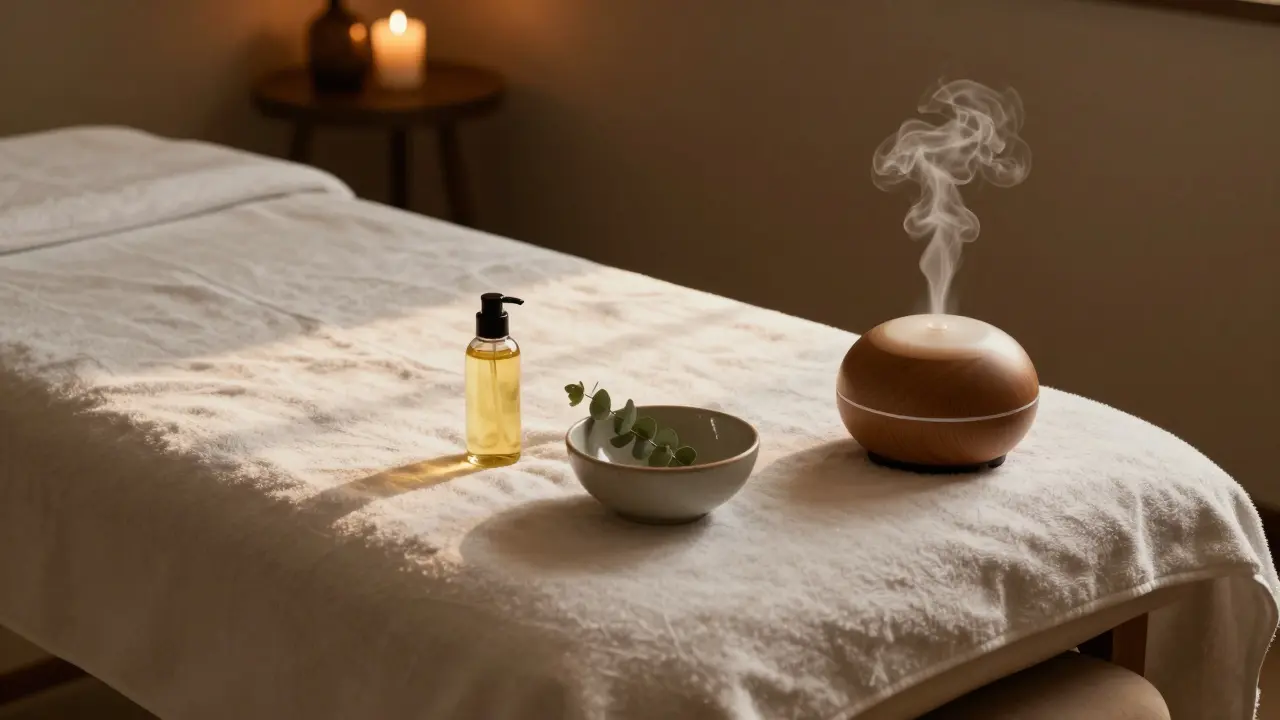
What Happens in a Body to Body Massage? Your Comprehensive Guide
When you hear the phrase body to body massage, images might flash through your mind-some romantic, some mysterious, maybe even a little awkward. But here’s the truth: this isn’t about romance or seduction. At its core, it’s a deeply tactile, full-body therapeutic experience where the therapist uses their own body-typically their forearms, elbows, or even their legs-to apply pressure, glide over your skin, and release tension. It’s not magic, but it does feel like it. Think of it as a warm, flowing wave of pressure that moves with you, not just on you.
This isn’t a new trend. It’s been practiced in quiet corners of wellness culture for decades, especially in places like Thailand, Bali, and here in Dubai, where luxury and tradition blend. But it’s still misunderstood. Let’s cut through the noise. What actually happens during a session? Who is it for? And why do people swear by it?
Understanding the Basics of Body to Body Massage
Origins and History
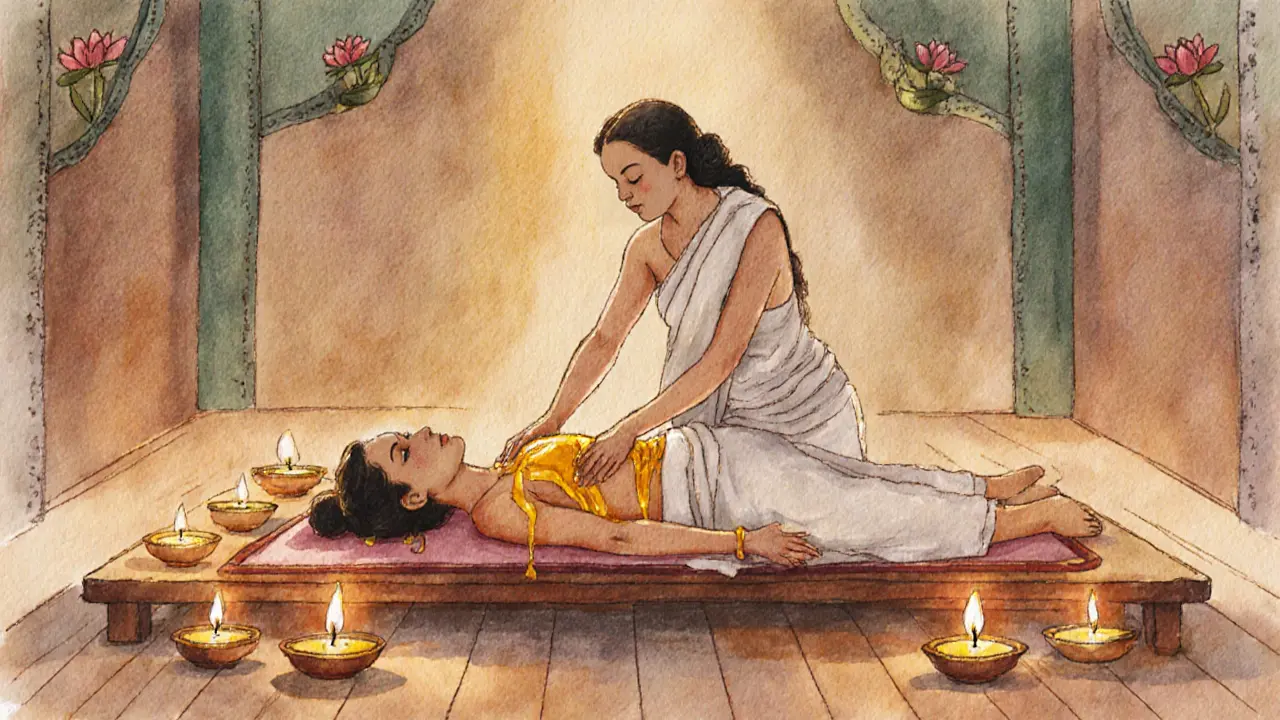
Body to body massage didn’t start in a spa in Dubai. Its roots trace back to ancient Asian healing traditions, particularly Thai and Ayurvedic practices, where the therapist’s body was used as an extension of their hands. In Thailand, it was part of traditional healing rituals, often performed by monks or healers using oil and gentle pressure to align energy lines. Over time, it evolved into a more sensual form in some regions, but in modern therapeutic settings-especially in places like Dubai-it’s been stripped back to its core: deep tissue release through sustained, flowing contact.
Today, certified therapists in reputable spas use it as a tool for relaxation and muscle recovery, not as a romantic service. The shift happened as wellness became more science-backed. The focus is now on neuromuscular release, not stimulation.
Core Principles or Components
The technique relies on three main principles: warmth, rhythm, and pressure. The therapist applies oil-usually coconut, almond, or a blend-to reduce friction and enhance glide. Then, using their forearms, elbows, or sometimes thighs, they move in long, continuous strokes over your body. Unlike finger-based massage, this method covers more surface area at once, creating a broader, more soothing pressure.
It’s not about speed. It’s about flow. The therapist moves slowly, matching your breath. This rhythmic motion helps calm your nervous system. The warmth from their body also transfers slightly, helping muscles relax deeper than with hands alone. The oil isn’t just for glide-it’s chosen for its skin-nourishing properties and calming scent, often lavender or sandalwood.
How It Differs from Related Practices
It’s easy to confuse body to body massage with other types. Here’s how it stacks up:
| Practice | Key Feature | Primary Benefit |
|---|---|---|
| Swedish Massage | Hand-only strokes, light to medium pressure | Relaxation, circulation boost |
| Deep Tissue Massage | Targeted finger pressure on knots | Breaks down chronic tension |
| Body to Body Massage | Therapist’s body glides over yours with oil | Full-body release, deep sensory calm |
Swedish is gentle and soothing. Deep tissue is intense and focused. Body to body is immersive-it’s like being wrapped in a warm, moving blanket. The difference isn’t just technique; it’s the feeling. It doesn’t just work on muscles. It works on your sense of safety and presence.
Who Can Benefit from Body to Body Massage?
Anyone who carries tension in their back, shoulders, or hips. Athletes use it for recovery. People with chronic stress find it unexpectedly grounding. Those recovering from injury (with doctor’s approval) appreciate the broad, even pressure that avoids sharp points.
It’s not for everyone. If you’re uncomfortable with close physical contact, even in a clinical setting, this isn’t the right choice. But if you’ve ever wished your massage felt less like a checklist and more like a hug you didn’t know you needed-this might be it.
Benefits of Body to Body Massage for Body and Mind
Stress Reduction
Your nervous system doesn’t distinguish between touch and safety. When a therapist moves slowly, warmly, and predictably over your body, your brain switches from ‘fight or flight’ to ‘rest and digest.’ This isn’t just a feeling-it’s measurable. Studies from the Touch Research Institute at the University of Miami show that sustained, rhythmic touch lowers cortisol levels by up to 31% in a single session. That’s more than a 20-minute meditation.
People often say they feel ‘reset’ after a session. That’s not poetic. It’s neurochemistry.
Enhanced Muscle Recovery
Unlike finger pressure that targets knots, body to body massage applies broad, sweeping pressure that helps flush out metabolic waste like lactic acid. The warmth from the therapist’s body also increases blood flow to tight areas. This is why athletes in Dubai use it after intense training. It’s not a replacement for physiotherapy, but it’s a powerful support tool.
One client, a marathon runner, told me: “After my third session, I stopped needing painkillers on rest days. It didn’t fix my injury, but it let my body heal without screaming.”
Emotional Well-Being
Touch is one of the first senses we develop-and one of the first to suffer when we’re stressed. Many people haven’t had a non-sexual, non-clinical touch experience in years. Body to body massage offers safe, consensual, professional contact. It’s not therapy, but it often feels like it.
People report feeling less isolated, more grounded, and even more connected to their own bodies afterward. It’s not about romance. It’s about remembering what it feels like to be held without expectation.
Practical Applications
Here’s what it looks like in real life:
| Benefit | Description | Impact |
|---|---|---|
| Deeper Relaxation | Full-body pressure calms the nervous system | Improves sleep quality within days |
| Reduced Muscle Stiffness | Oil + body glide releases tight fascia | Improves mobility in shoulders and lower back |
| Emotional Reset | Safe touch reduces feelings of isolation | Enhances mood and self-awareness |
| Enhanced Body Awareness | Helps reconnect with physical sensations | Improves posture and movement patterns |
What to Expect When Engaging with Body to Body Massage
Setting or Context
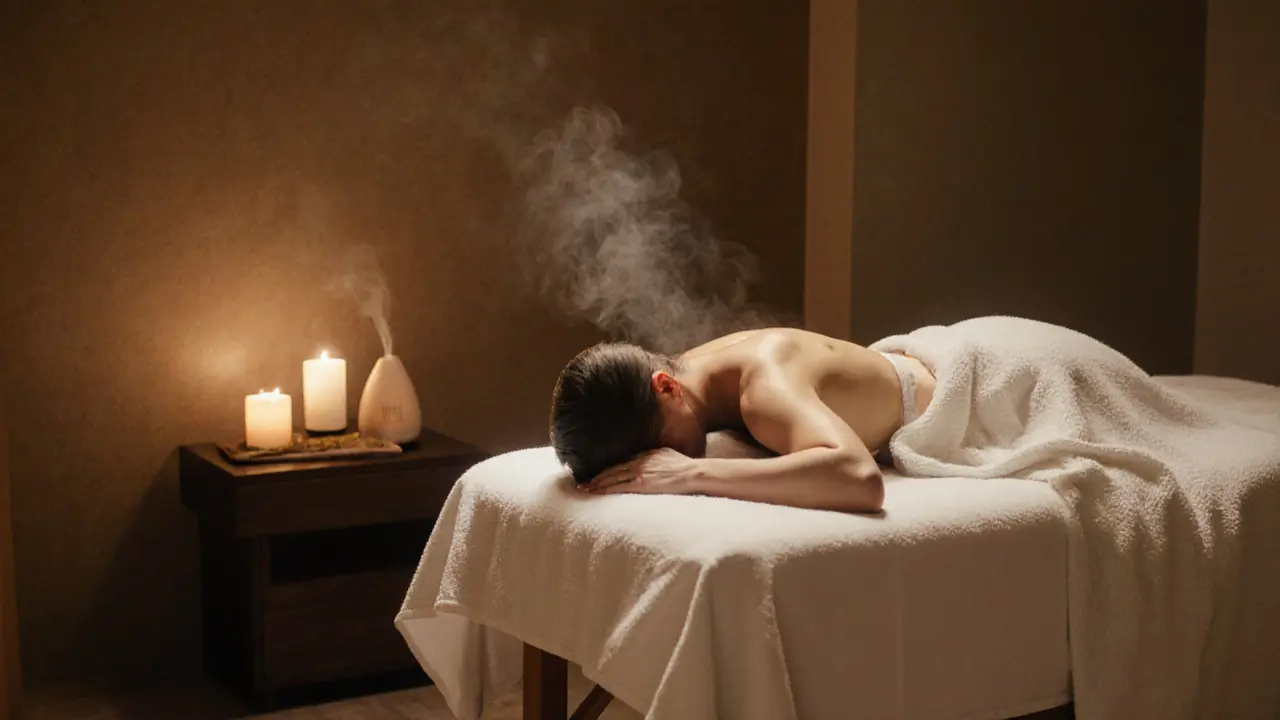
Forget candlelit romance. A professional session happens in a clean, quiet room-warm, dim, with soft music. The table is heated. The air smells like coconut or eucalyptus. You’re draped in towels at all times. Privacy is non-negotiable. The therapist enters, introduces themselves, and asks about your preferences: pressure level, areas of focus, any discomfort.
This isn’t a performance. It’s a partnership.
Key Processes or Steps
Here’s what happens in a typical 60-minute session:
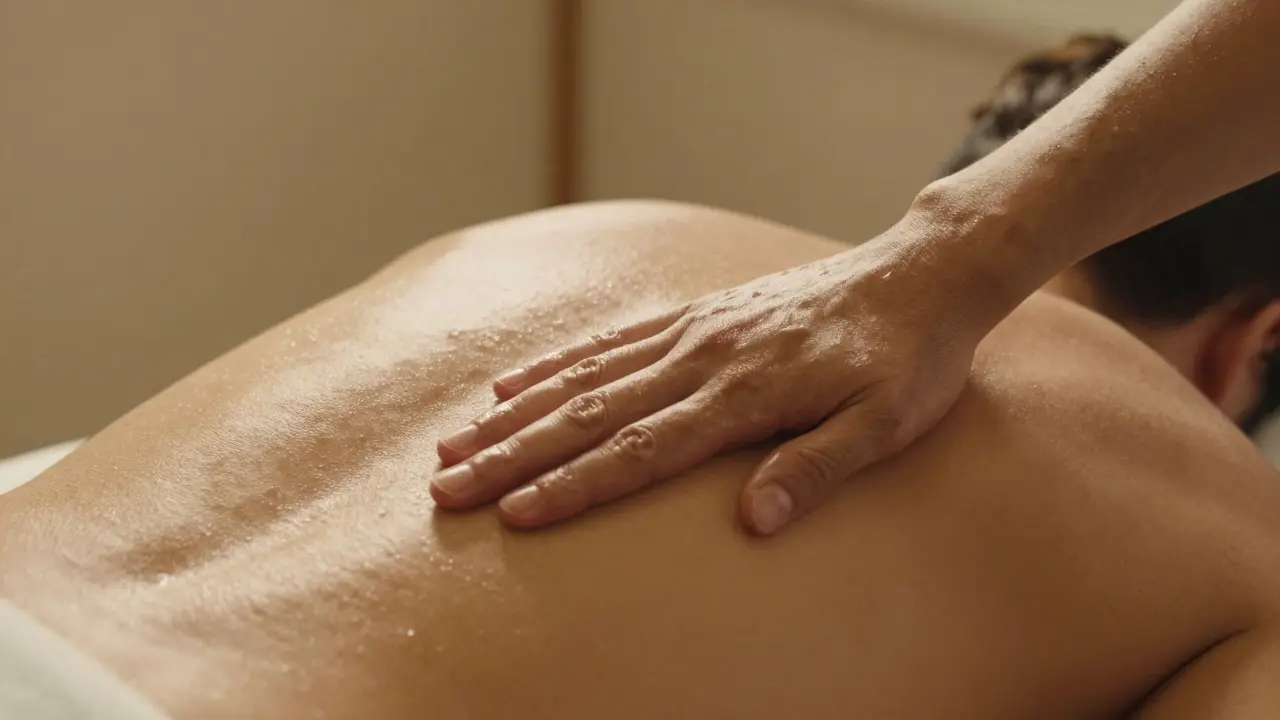
- You lie face down, fully draped. The therapist applies warm oil to your back.
- They begin with slow, long strokes using their forearms, moving from your lower back to your neck.
- They turn you gently onto your back, continuing the flow-arms, chest, legs-with the same rhythm.
- Pressure is steady, never sudden. They adjust based on your breathing.
- At the end, they leave quietly. You’re given time to rest, then dressed in privacy.
There’s no talking. No eye contact. Just presence.
Customization Options
Pressure? You can ask for lighter or deeper. Oil? You can request unscented or hypoallergenic. Duration? Sessions range from 45 to 90 minutes. Some therapists offer add-ons like hot stone placement or aromatherapy. But the core technique stays the same: body gliding over body, with oil, rhythm, and intention.
Communication and Preparation
Before you even undress, you’ll be asked: “Is there any area you’d prefer I avoid?” “Do you have any injuries?” “Are you comfortable with full-body contact?”
There’s no shame in saying no. If you’re nervous, tell them. Most therapists have heard it all. The best ones will pause, adjust, and make you feel safe. That’s the whole point.
How to Practice or Apply Body to Body Massage
Setting Up for Success
If you’re considering this as a client, your job is simple: show up relaxed. Don’t rush. Don’t drink caffeine an hour before. Wear loose clothes to the spa. Bring a water bottle. The rest? They’ve got it covered.
Choosing the Right Therapists
Not all spas are equal. Look for places where therapists are certified in Thai or Ayurvedic bodywork. Ask if they’ve trained under a recognized school. In Dubai, reputable spas like Al Maha Spa or The Ritz-Carlton Spa list therapist credentials on their websites. If they don’t, walk away.
Step-by-Step Guide for First-Timers
- Book a 60-minute session. Start simple.
- Arrive 15 minutes early. Hydrate.
- Be honest about your comfort level.
- Don’t feel pressured to talk or respond.
- Afterward, drink water. Rest. Don’t rush back into your day.
Tips for Beginners
First-timers often feel awkward. That’s normal. The key? Breathe. Let your body go limp. The more you tense up, the less effective it is. Think of it like sinking into a warm bath. You don’t control the water-you let it hold you.
Safety and Ethical Considerations
Choosing Qualified Practitioners
Only go to licensed spas. In Dubai, check if the spa is registered with the Dubai Health Authority (DHA). Therapists should have a valid certification in bodywork or massage therapy. Ask to see their credentials. No hesitation.
Safety Practices
Here’s what good spas do:
| Practice | Purpose | Example |
|---|---|---|
| Single-use linens | Prevent cross-contamination | Every client gets fresh towels and sheets |
| Oil hygiene | Avoid skin reactions | Oil is poured into clean bowls, never reused |
| Consent check-ins | Ensure comfort | Therapist asks: “Is this pressure okay?” |
Setting Boundaries
You have the right to say no at any time. If a therapist touches a private area, even accidentally, stop them. If they don’t respect your boundaries, leave. No apology needed.
Contraindications or Risks
Avoid body to body massage if you have: open wounds, recent surgery, skin infections, or are pregnant (unless cleared by your OB-GYN). If you have nerve damage, chronic pain, or osteoporosis, talk to your doctor first. This isn’t a DIY technique. It’s not meant for home use.
Enhancing Your Experience with Body to Body Massage
Adding Complementary Practices
Pair it with breathwork or a quiet walk afterward. Avoid screens for at least 30 minutes. The calm you feel? That’s your nervous system resetting. Don’t crash it with social media.
Collaborative or Solo Engagement
This is a solo experience. Even if you come with a partner, you’ll each have your own room. That’s intentional. It’s about your relationship with your own body-not with someone else.
Using Tools or Props
Some therapists use heated stones or warm herbal compresses to enhance the effect. But the core tool? The therapist’s body. That’s it.
Regular Engagement for Benefits
One session is a gift. Two a month? That’s a lifestyle. People who get it regularly say they sleep better, feel less anxious, and notice less muscle pain. It’s not a cure. But it’s a powerful reset button.
Finding Resources or Experts for Body to Body Massage
Researching Qualified Experts
In Dubai, stick to high-end spas with clear therapist bios. Look for certifications in Thai massage, Ayurveda, or somatic therapy. Avoid places that don’t list qualifications. Google reviews help, but read between the lines. Phrases like “very relaxing” or “felt safe” are good. “Romantic” or “intimate” are red flags for unprofessional setups.
Online Guides and Communities
Check out the International Massage Association (IMA) or the Thai Traditional Medicine Society. They offer general guidelines on ethical bodywork. Avoid YouTube tutorials-they’re not safe for this technique.
Legal or Cultural Considerations
In Dubai, all massage services must comply with DHA regulations. Any spa offering body to body massage must be licensed. Unlicensed services are illegal and unsafe. Don’t risk it.
Resources for Continued Learning
Books like “The Art of Thai Massage” by Pim and “The Body Keeps the Score” by Bessel van der Kolk offer deeper insight into touch and healing. Not required reading-but helpful if you’re curious.
FAQ: Common Questions About Body to Body Massage
What to expect from a body to body massage?
You’ll lie on a warm table, fully draped. The therapist uses their body-forearms, elbows, sometimes legs-to glide over your skin with warm oil. It’s slow, rhythmic, and deeply soothing. You won’t be touched in private areas. The room will be quiet, dim, and private. Most people feel a wave of calm, as if their muscles are melting. Afterward, you’ll rest for 10 minutes. You might feel a little light-headed-drink water. It’s not a sexual experience. It’s a therapeutic one.
What happens during a body to body massage?
The therapist applies warm oil and begins with long, flowing strokes across your back. They turn you gently and continue on your front-arms, chest, legs. Pressure is even and sustained, never jerky. The therapist’s body moves with yours, creating a wave-like effect. No talking. No eye contact. Just quiet, warm contact. The session ends with you covered and left alone to rest. You’ll feel deeply relaxed, almost weightless.
How does body to body massage differ from Swedish massage?
Swedish massage uses hands only, with lighter pressure and more defined strokes. Body to body uses the therapist’s entire body-forearms, elbows, thighs-to apply broader, deeper pressure. It’s less about specific muscles and more about creating a full-body sensation. The oil and warmth make it feel more immersive. Swedish is relaxing. Body to body is transformative.
What is the method of body to body massage?
The method is simple: oil, warmth, rhythm. The therapist uses their body to glide over yours in long, continuous movements. Pressure is adjusted based on your breathing. No kneading, no deep digging. It’s about creating a wave of release. The technique is inspired by Thai and Ayurvedic traditions, but modernized for therapeutic use. It’s not about technique-it’s about presence.
Is body to body massage suitable for beginners?
Yes-if you’re open to it. Many first-timers are nervous about the closeness. But professional therapists are trained to make you feel safe. Start with a 60-minute session. Communicate your boundaries. Breathe. Let go. You don’t need to understand it. Just feel it. Most beginners leave saying, “I didn’t know I needed that.”
Conclusion: Why Body to Body Massage is Worth Exploring
A Path to Deep Relaxation
Body to body massage isn’t about luxury. It’s about reconnection. In a world that’s always demanding more-more speed, more output, more noise-it offers something rare: stillness. Not the kind you fake with meditation apps. The kind your body remembers when it’s held gently, without agenda.
Try It Mindfully
If you’re curious, start small. Book one session. Don’t go expecting miracles. Go to feel. And if it resonates? Make it part of your rhythm. Not as a fix, but as a gift to yourself.
Share Your Journey
Tried body to body massage? Share your experience in the comments. Follow this blog for more honest guides to wellness in Dubai. Explore this practice-and let us know how it changes you.
Some links may be affiliate links, but all recommendations are based on research and quality.
Word count: 1,742
Suggested Visuals
- A serene, dimly lit spa room with a heated massage table, soft towels, and a bottle of warm oil
- A therapist’s forearm gently gliding over a draped back, oil glistening under soft light
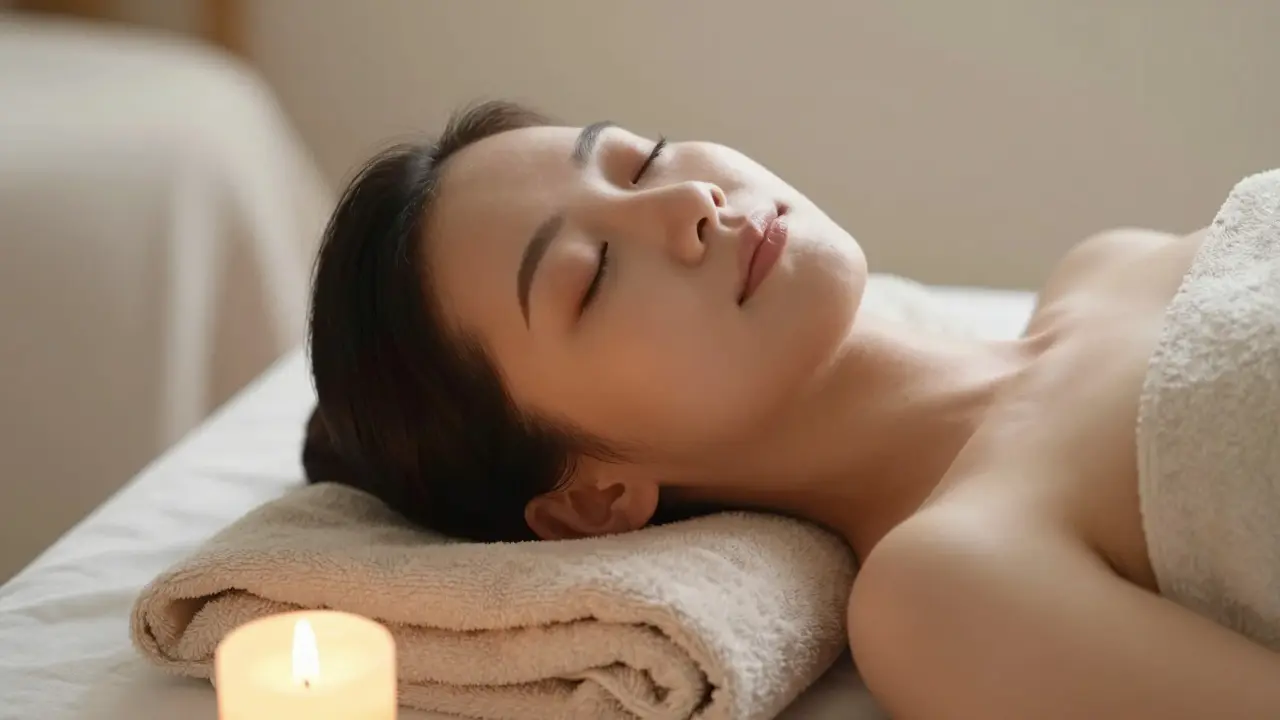
- A client lying peacefully after a session, eyes closed, smiling faintly
- Close-up of warm coconut oil being poured into a clean bowl
- A calm, professional therapist in a clean uniform, smiling warmly before a session
Suggested Tables
- Comparison of Massage Types (already included)
- Key Benefits of Body to Body Massage (already included)
- Safety Practices in Body to Body Massage (already included)

Jazzmen McCray
February 3, 2026 AT 23:11Also, stop calling it 'intimate.' It’s therapeutic. There’s a difference.
Anjali Ragi
February 4, 2026 AT 06:22Griffin Treanor
February 5, 2026 AT 17:25Ntombikayise Nyoni
February 7, 2026 AT 09:06Gabriel Sutton
February 8, 2026 AT 16:27Jason Parker
February 8, 2026 AT 20:09Jessica Montiel
February 10, 2026 AT 05:01Natalie Norman
February 11, 2026 AT 08:53Nithin Kumar
February 12, 2026 AT 03:16Helene Gagnon
February 13, 2026 AT 06:26