Full body massage is more than just a luxury-it’s a full-system reset for your body and mind. Whether you’re dealing with stress, tight muscles, or just need to reconnect with yourself, a full body massage touches every layer of your being. From your skin down to your nervous system, this isn’t just about kneading tension out of your back. It’s about restoring balance, triggering natural healing, and giving your body the space to breathe again. In Dubai’s fast-paced environment, where the heat and hustle never stop, a full body massage becomes essential, not optional. Let’s walk through exactly what happens when you lie down, close your eyes, and let a therapist work their magic.
Understanding the Basics of Full Body Massage
Origins and History
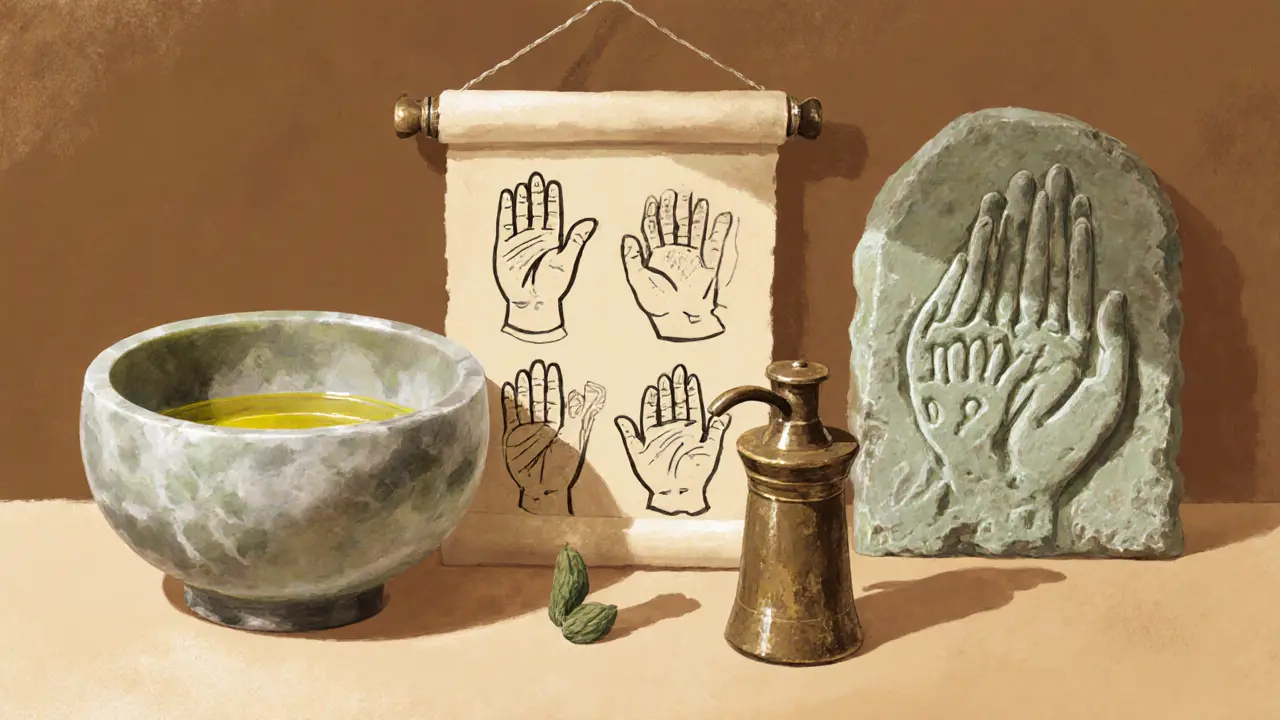
Massage isn’t a modern spa invention. It’s been around for thousands of years. Ancient Chinese, Egyptian, Indian, and Greek cultures all used touch as medicine. The word "massage" likely comes from the Arabic "massa" (to touch) or the Greek "massein" (to knead). Traditional Chinese medicine used massage (Tui Na) to unblock energy flow, while Ayurveda in India combined oil, pressure, and breath to restore harmony. These practices didn’t just treat pain-they treated the whole person. Today’s full body massage blends these ancient roots with modern anatomy and physiology, creating a science-backed relaxation therapy that’s both timeless and deeply effective.
Core Principles or Components
A full body massage isn’t random rubbing. It follows a structured sequence designed to calm, release, and restore. Most sessions start with light strokes to warm the skin and relax the nervous system. Then, deeper pressure is applied to muscles, tendons, and connective tissue. Techniques like effleurage (long gliding strokes), petrissage (kneading), friction (deep circular pressure), and tapotement (rhythmic tapping) each serve a purpose. The massage covers the entire body: back, legs, arms, neck, feet, and sometimes even the head and face. The goal? To improve circulation, release myofascial tension, stimulate lymphatic drainage, and activate the parasympathetic nervous system-the part of your body that says, "It’s safe to relax now."
How It Differs from Related Practices
Not all massages are the same. A full body massage isn’t just a longer sports massage or a fancy Swedish session. Here’s how it stacks up:
| Practice | Key Feature | Primary Benefit |
|---|---|---|
| Full Body Massage | Covers entire body with balanced pressure | Systemic relaxation and stress reduction |
| Deep Tissue Massage | Focuses on deep muscle layers and adhesions | Chronic pain relief, injury recovery |
| Swedish Massage | Light to moderate pressure, rhythmic strokes | General relaxation and circulation |
| Sports Massage | Targeted at athletes, pre/post activity | Performance enhancement, injury prevention |
Who Can Benefit from Full Body Massage?
Almost everyone. If you sit at a desk all day, carry kids, commute in Dubai’s heat, or just feel like your body is on autopilot, you’re a candidate. Athletes use it for recovery. Office workers use it to ease neck and shoulder tension. New parents use it to reset their nervous systems. Even people managing anxiety or insomnia find relief. It’s not just for the physically sore-it’s for anyone who needs to feel human again. You don’t need a diagnosis or injury to benefit. Just a willingness to let go.
Benefits of Full Body Massage for Your Body and Mind
Stress Reduction
When you’re stressed, your body pumps out cortisol-the stress hormone. A full body massage cuts that in half. Studies show massage lowers cortisol levels and increases serotonin and dopamine, the feel-good chemicals. In one session, your heart rate slows, your breathing deepens, and your muscles stop bracing. It’s like hitting pause on your fight-or-flight mode. In Dubai, where the pace never slows, this reset is priceless. Many clients say they leave feeling like they’ve slept for eight hours-even if they only rested for an hour.
Enhanced Circulation and Recovery
Massage physically moves blood and lymph fluid. This means oxygen and nutrients get to tired muscles faster, and waste products like lactic acid get flushed out. If you’ve ever felt stiff after a long flight or a workout, massage helps. It’s not magic-it’s physics. Better circulation means faster recovery, less soreness, and even improved skin tone. Athletes and desk workers alike notice they bounce back quicker after regular sessions.
Emotional Well-Being
Touch is a powerful language. When a trained therapist applies steady, intentional pressure, your brain interprets it as safety. This triggers the release of oxytocin-the bonding hormone. For people who feel disconnected, isolated, or emotionally drained, massage offers a non-verbal form of care. It’s not therapy, but it often feels like emotional healing. Many clients report crying during sessions-not from sadness, but from release. Your body remembers stress. Massage helps it let go.
Practical Applications in Daily Life
Think of a full body massage as preventive maintenance. Just like you service your car, your body needs tune-ups. Regular sessions (every 2-4 weeks) help you sleep better, focus sharper, and move more freely. You’ll notice you don’t clench your jaw as much. Your shoulders stop creeping up to your ears. You breathe deeper without trying. These aren’t side effects-they’re direct results. In a city like Dubai, where life moves fast, this kind of self-care isn’t indulgent. It’s essential.
| Benefit | Description | Impact |
|---|---|---|
| Stress Relief | Lowers cortisol, boosts serotonin | Calmer mind, better sleep |
| Improved Mobility | Releases muscle tightness and fascia | Less stiffness, easier movement |
| Immune Support | Stimulates lymphatic flow | Reduced risk of illness |
| Headache Reduction | Relieves tension in neck and scalp | Fewer tension headaches |
| Emotional Reset | Triggers oxytocin and parasympathetic response | Greater emotional resilience |
What to Expect When Engaging with Full Body Massage
Setting or Context
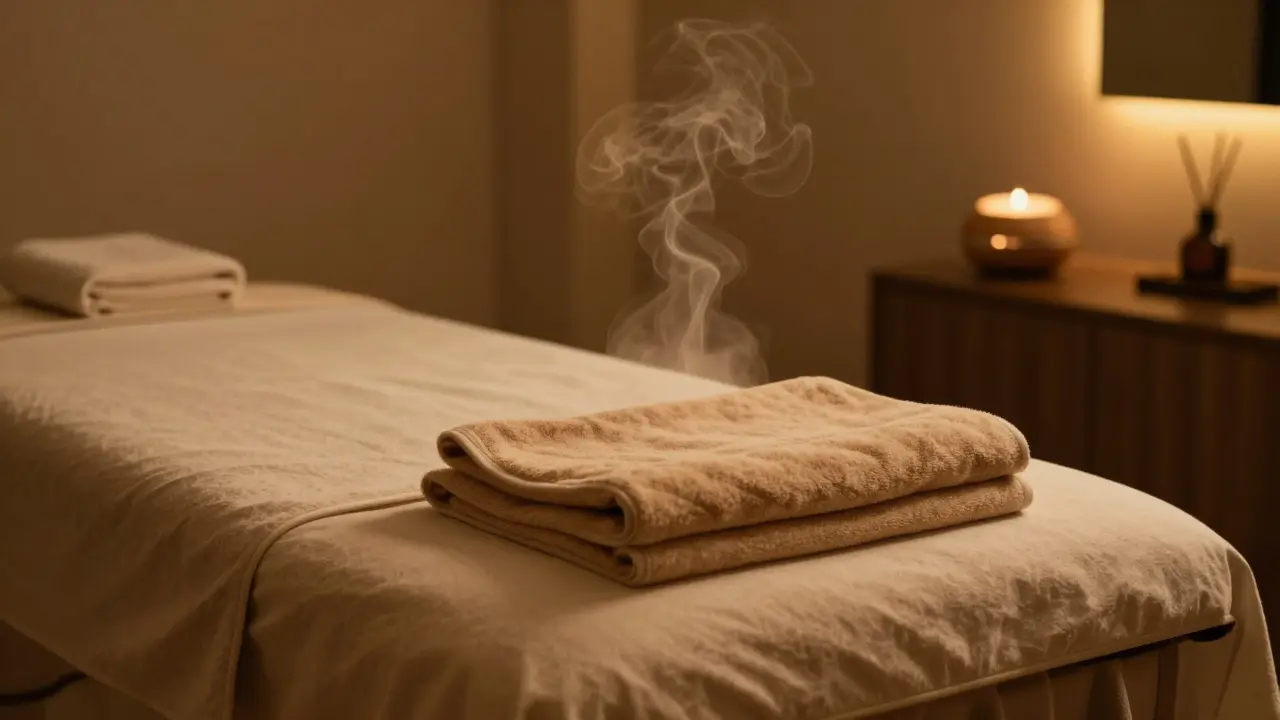
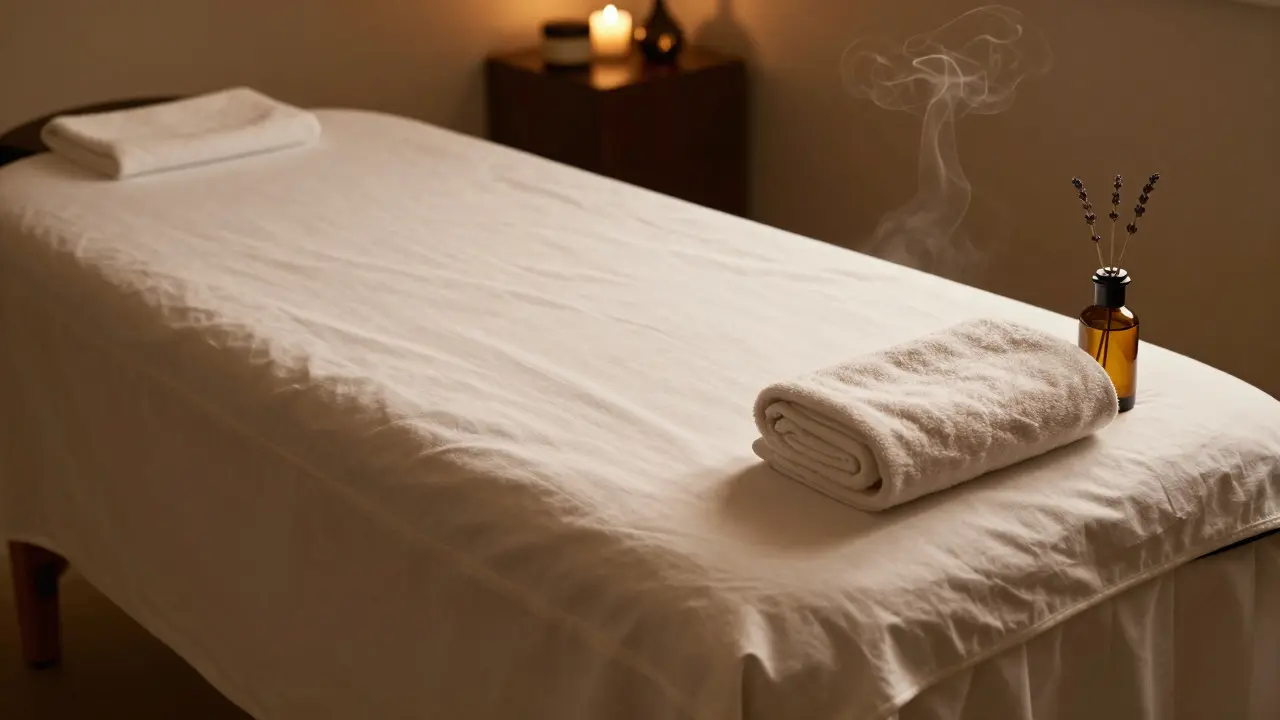
A good full body massage session starts before you even lie down. The room is softly lit, with warm, neutral tones. Gentle music plays-no lyrics, just ambient sounds. The air is warm, not cold, and scented lightly with lavender or eucalyptus. The table is heated, and clean, fresh linens cover it. You’ll be offered a robe and slippers. This isn’t just ambiance-it’s science. A calm environment tells your nervous system: "You’re safe here." In Dubai’s luxury spas, this attention to detail is standard. But even in quieter clinics, the same principles apply: warmth, quiet, and comfort.
Key Processes or Steps
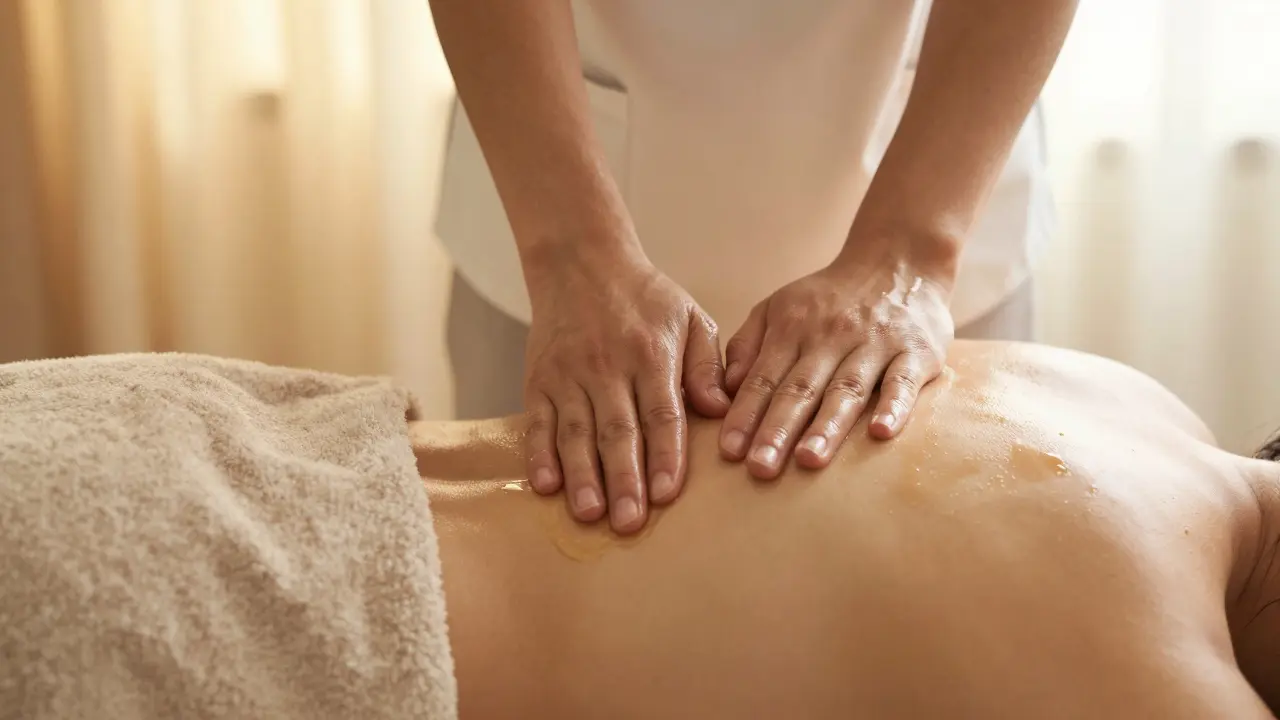
A typical session lasts 60-90 minutes. It begins with you lying face down. The therapist starts with long, slow strokes along your back to warm the tissue. Then they move to your glutes, hamstrings, calves, and feet. After turning over, they work on your hips, thighs, quads, chest, shoulders, arms, and hands. The neck and head get gentle attention last. Pressure is adjusted constantly-you’re never stuck with one level. The therapist checks in: "Is this too firm?" or "Does this feel good?" You’re not passive. You’re part of the process. No one does a full body massage in 30 minutes and calls it done.
Customization Options
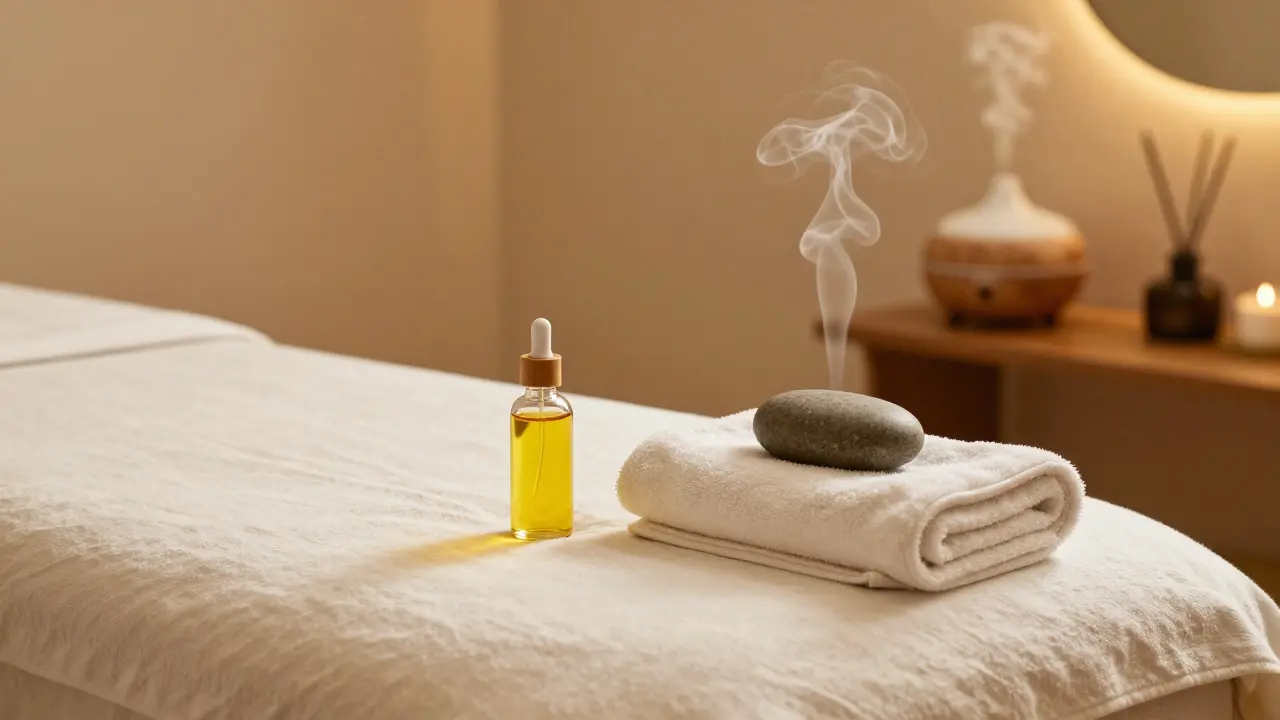
Every body is different. Maybe you have a sore shoulder from carrying a baby. Or tight hips from sitting all day. A good therapist will ask about your needs before you even get on the table. They might focus extra time on your lower back, skip your feet if you’re ticklish, or use less oil if you’re sensitive. Some spas offer add-ons: hot stones, aromatherapy, or scalp massage. These aren’t gimmicks-they’re tools to tailor the experience. Your massage should feel like it was made for you, not a checklist.
Communication and Preparation
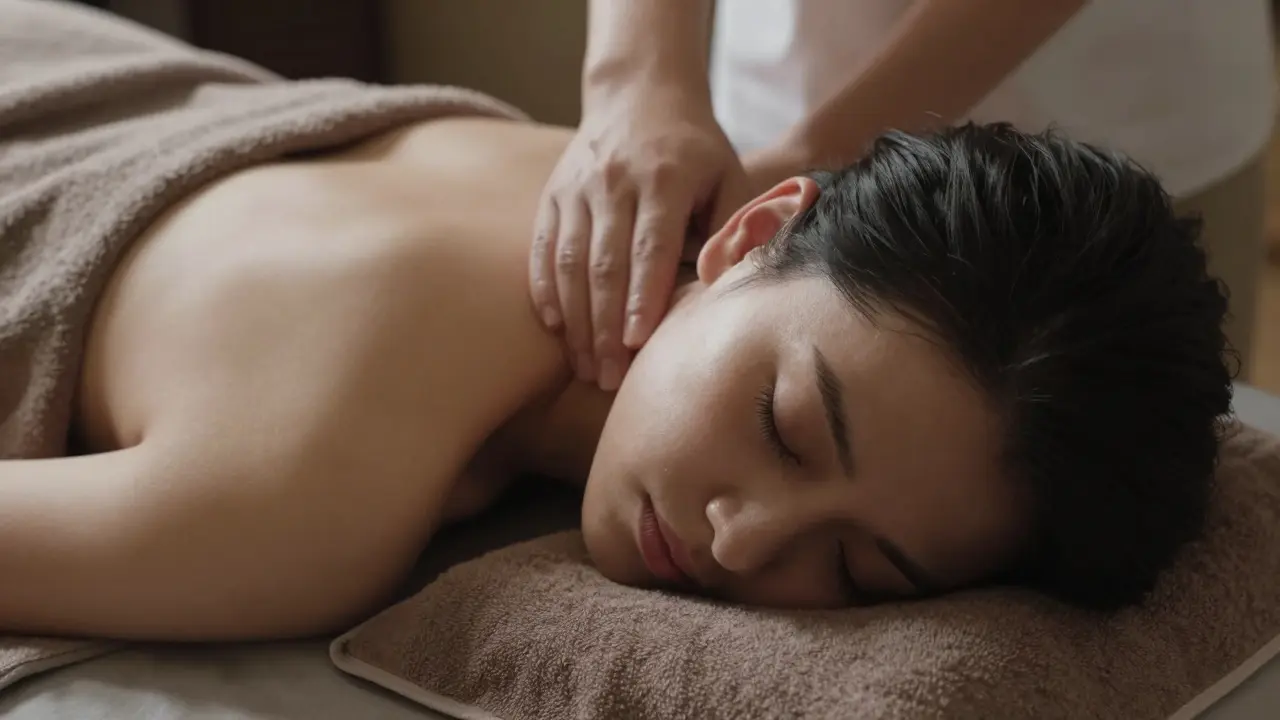
Talk before you lie down. Tell the therapist if you’re pregnant, have an injury, or are feeling unusually sensitive. Don’t be shy. They’ve heard it all. Avoid heavy meals or alcohol beforehand. Drink water. Arrive 10 minutes early to fill out a quick form. Wear whatever makes you comfortable-you’ll be covered with towels the whole time. And remember: it’s okay to fall asleep. That’s not rude. That’s the goal.
How to Practice or Apply Full Body Massage
Setting Up for Success
If you’re doing a home massage with a partner, create a calm space. Dim the lights. Light a candle. Play soft music. Use a massage oil or lotion-coconut, almond, or jojoba work well. Warm it in your hands first. Don’t rush. Even 20 minutes of focused touch can make a difference. The key isn’t technique-it’s presence. Just being there, paying attention, makes it healing.
Choosing the Right Practitioners
In Dubai, look for licensed therapists with certifications from recognized schools like the International Spa Association or the UAE’s Health Authority. Read reviews. Ask if they specialize in full body work. Don’t just pick the cheapest option. A good therapist knows anatomy, reads your body’s signals, and adjusts pressure intelligently. They don’t just "rub"-they listen.
Step-by-Step Guide
1. Start with long, smooth strokes from your neck down your spine.
2. Use your palms to knead the muscles of your back and shoulders.
3. Work on your arms, using circular motions on the shoulders and forearms.
4. Move to your legs, applying pressure from hips to ankles.
5. Finish with gentle strokes over the entire body to calm the nervous system.
6. Always ask for feedback-"Does this feel okay?"
Tips for Beginners or Couples
If you’re new to massage, start with a 60-minute session. Don’t try to do everything at once. If you’re doing it with a partner, take turns. Focus on rhythm, not pressure. It’s not about strength-it’s about connection. And if you’re nervous? That’s normal. Most people feel awkward the first time. The second time? You’ll wonder why you waited so long.
Safety and Ethical Considerations
Choosing Qualified Practitioners
Always check credentials. In Dubai, licensed therapists must be registered with the Dubai Health Authority. Look for certifications like CMT (Certified Massage Therapist) or equivalent. Avoid places that don’t list therapist qualifications. A good therapist will have a clean, professional space and wear clean clothes. If something feels off, trust your gut.
Safety Practices
Hygiene is non-negotiable. Towels are changed between clients. Oils are fresh. Tables are disinfected. The therapist washes hands before and after. No exceptions. Also, consent matters. You can say "no" to any touch. You can ask them to stop. You can wear underwear. You’re in control.
| Practice | Purpose | Example |
|---|---|---|
| Hygiene | Prevent infection | Single-use linens, clean hands |
| Consent | Respect boundaries | "Can I work on your lower back?" |
| Pressure Check | Avoid injury | "Is this too deep?" |
| Hydration | Flush toxins | Drink water after |
Setting Boundaries
You own your body. Always. If a therapist touches a private area, even accidentally, speak up. If they’re too pushy with questions or try to sell you something, leave. A good therapist respects your space. They don’t pressure you. They don’t make you feel guilty. You’re there to feel better-not to be sold a package.
Contraindications or Risks
Don’t get a massage if you have a fever, open wounds, recent surgery, or a blood clot. If you’re pregnant, make sure they’re trained in prenatal massage. Avoid deep pressure if you have osteoporosis or are on blood thinners. Always tell your therapist about medical conditions. It’s not a secret-it’s part of your care.
Enhancing Your Experience with Full Body Massage
Adding Complementary Practices
Pair your massage with deep breathing, a warm bath, or 10 minutes of quiet reflection. Avoid screens for an hour after. This helps your body stay in relaxation mode. Some people meditate. Others journal. You don’t need to do anything fancy. Just let the calm settle in.
Collaborative or Solo Engagement
You can do this alone or with someone else. Solo gives you space to fully unwind. With a partner, it becomes a ritual of care. Both work. The key is intention. Don’t turn it into a chore. Make it a gift-to yourself or to someone else.
Using Tools or Props
At home, a foam roller or massage ball can help between sessions. A heated blanket or warm towel can extend the relaxation. Essential oils (lavender, chamomile) in a diffuser can deepen calm. But don’t overdo it. Less is more. Your hands, your presence, and your breath are the most powerful tools.
Regular Engagement for Benefits
One massage won’t fix a lifetime of tension. But one a month? That changes everything. Think of it like brushing your teeth. You don’t do it once and call it done. Consistency builds resilience. In Dubai’s climate, where stress and heat pile up, monthly massage isn’t a splurge-it’s self-preservation.
Finding Resources or Experts for Full Body Massage
Researching Qualified Practitioners
Use trusted platforms like SpaFinder or local directories with verified reviews. Look for therapists with at least 500 hours of training. Ask for references. Visit the spa beforehand. A clean, quiet, professional space says everything.
Online Guides and Communities
Reputable wellness sites like the American Massage Therapy Association (AMTA) offer free guides on what to expect. YouTube has excellent tutorials on self-massage techniques. Join forums like Reddit’s r/massage for honest reviews and tips.
Legal or Cultural Considerations
In Dubai, massage is legal and regulated. All spas must be licensed by the Dubai Health Authority. Public massage is only allowed in licensed facilities. Private sessions in homes are not permitted. Always choose a legal, registered spa. Respect local norms-modest clothing, no public displays of affection, and quiet behavior are expected.
Resources for Continued Learning
Books like "The Massage Bible" by Sally Herring or "The Anatomy of Touch" by John Barnes offer deeper insight. Online courses from accredited schools teach self-massage and anatomy. Workshops on breathwork and somatic release can deepen your experience.
FAQ: Common Questions About Full Body Massage
What happens during a full body massage?
A full body massage typically lasts 60 to 90 minutes and covers every major muscle group: back, legs, arms, neck, shoulders, feet, and sometimes the head and face. The session begins with light, flowing strokes to relax the nervous system, followed by deeper pressure to release tension in muscles and connective tissue. The therapist adjusts pressure based on your feedback and uses techniques like kneading, circular friction, and long gliding strokes. You’ll be covered with towels at all times, and only the area being worked on is exposed. Many people fall asleep-this is normal and a sign the body is deeply relaxed.
What to expect from a full body massage?
You can expect to feel calm, heavy, and deeply relaxed. Your muscles will feel looser, your breathing deeper, and your mind quieter. You might feel slightly sore the next day if deep pressure was used-that’s normal. Some people feel emotional-tears, laughter, or quiet reflection. This is your body releasing stored tension. Afterward, drink water to help flush out metabolic waste. Avoid screens and rush. Let the calm settle. Most people report better sleep, less anxiety, and more energy for days after.
How does a full body massage differ from a Swedish massage?
Swedish massage is often part of a full body massage, but not all full body massages are Swedish. Swedish massage uses lighter pressure and focuses on relaxation through long strokes and kneading. A full body massage includes Swedish techniques but goes further-it may include deeper work on problem areas, longer duration (90+ minutes), and attention to areas like the feet, head, and hands. It’s more comprehensive and tailored. Think of Swedish as one tool in the full body massage toolkit.
What is the method of a full body massage?
The method follows a logical flow: start with light effleurage to warm the skin and calm the nervous system, then use petrissage (kneading) on larger muscle groups, apply friction to break up adhesions, and finish with tapotement (light tapping) to stimulate circulation. The therapist works systematically from head to toe, always checking in. Oil or lotion reduces friction and allows smooth movement. Pressure is adjusted based on feedback. The method isn’t rigid-it’s responsive. The goal isn’t to fix you, but to help your body remember how to relax.
Is a full body massage suitable for beginners?
Absolutely. In fact, beginners often benefit the most. The first session is about learning what your body needs. Therapists are trained to adjust pressure and technique for new clients. Don’t worry about not knowing what to say-just tell them if something feels too hard, too soft, or uncomfortable. Most first-timers are surprised by how relaxing it is. It’s not about being "good" at massage. It’s about letting go. Start with a 60-minute session. You’ll leave feeling like you’ve been on vacation.
Conclusion: Why Full Body Massage is Worth Exploring
A Path to Whole-Body Wellness
A full body massage isn’t a luxury-it’s a return to balance. In a world that never stops asking for more, your body deserves to be heard. It’s not about fixing what’s broken. It’s about remembering what feels good. Whether you’re in Dubai, London, or Lagos, this practice connects you to your physical self in a way nothing else can.
Try It Mindfully
Don’t wait until you’re in pain. Don’t wait until you’re burnt out. Try it now. Book a session. Lie down. Breathe. Let someone else hold the weight for a while. You don’t need to be perfect. You just need to show up.
Share Your Journey
Tried a full body massage? Share your experience in the comments. What surprised you? What did you feel? Follow this blog for more tips on wellness, self-care, and living well in Dubai’s fast-paced world.
Some links may be affiliate links, but all recommendations are based on research and quality.
Word count: 1,728
Suggested Visuals
- A serene, dimly lit spa room with a massage table, soft lighting, and a towel draped over a heated table
- A therapist’s hands gently massaging a client’s back, with warm oil and soft towels visible
- A person lying peacefully asleep during a massage, eyes closed, face relaxed
- A close-up of natural massage oils (coconut, almond) being warmed in hands
- A couple enjoying a side-by-side massage in a quiet, private room
Suggested Tables
- Comparison of Massage Types (as included in article)
- Key Benefits of Full Body Massage (as included in article)
- Safety Tips for Massage (as included in article)