Which Country Has the Best Spas? Your Comprehensive Guide
When it comes to best spas, it’s not just about hot stones and lavender oil. It’s about culture, craftsmanship, and the quiet magic of being truly cared for. Some places treat spa visits like a luxury add-on. Others make it part of daily life. From ancient Roman baths to modern Dubai spas that float above the desert, the world offers spa experiences that go far beyond massage tables. If you’re wondering which country delivers the most unforgettable spa journey, the answer isn’t one place-it’s a handful of destinations that have perfected the art of restoration.
Understanding the Basics of Best Spas
Origins and History
Spas didn’t start in fancy resorts. They began with hot springs. Ancient Romans built grand bathhouses around natural geothermal vents, believing the water healed everything from joint pain to low spirits. In Japan, onsen culture dates back over a thousand years, where soaking in mineral-rich waters is as routine as drinking tea. Turkey’s hammams turned steam and scrubbing into sacred rituals. Even in Indigenous cultures across the Americas and Europe, sweat lodges and thermal baths were used for spiritual cleansing. Today’s luxury spas are modern descendants of these traditions-blending ancient wisdom with today’s science. The best ones don’t just pamper; they reconnect you to timeless rhythms of rest and renewal.
Core Principles or Components
Great spas share a few non-negotiable elements. First, they prioritize personalization. No two bodies respond the same way to heat, pressure, or scent. Second, they use quality ingredients-locally sourced oils, herbs, and clays, not synthetic fillers. Third, they create an atmosphere of silence. The best spas don’t blast music or rush you through. They let time stretch. And finally, they train their staff to read subtle cues. A skilled therapist knows when to press harder, when to pause, and when to simply be present. These aren’t just services-they’re experiences designed around human needs, not profit margins.
How It Differs from Related Practices
People often confuse spas with salons or fitness centers. But a true spa isn’t about looking better-it’s about feeling deeper. Here’s how it stacks up:
| Practice | Primary Focus | Duration of Effect |
|---|---|---|
| Spa | Whole-body restoration | Days to weeks (stress reduction, sleep improvement) |
| Salon (hair/nails) | Aesthetic enhancement | Hours to days |
| Yoga studio | Physical movement and mindfulness | Varies-requires regular practice |
| Massage therapy clinic | Targeted pain relief | Hours to days |
Who Can Benefit from Best Spas?
Anyone who carries tension-whether from work, parenting, travel, or chronic stress. Spas aren’t just for retirees or the wealthy. A 20-minute foot soak with eucalyptus salts can reset your nervous system after a long day. A full-day retreat in Bali or Dubai can help someone recovering from burnout. Even people with mobility issues can find gentle, adapted treatments. The key isn’t the price tag-it’s the intention. If you need to slow down, reset your mind, or just feel held for a few hours, a well-run spa meets that need.
Benefits of Best Spas for Body, Mind, and Emotions
Stress Reduction
Chronic stress keeps your body in fight-or-flight mode. That means elevated cortisol, poor sleep, and a weakened immune system. A good spa session-especially one involving warm water, rhythmic touch, and calming scents-triggers the parasympathetic nervous system. This is your body’s natural “rest and digest” switch. Studies show that even a single spa visit can lower cortisol levels by up to 30%. Think of it as hitting pause on your mental overload. In Dubai, where the pace of life is intense, spa treatments are often the only time people truly disconnect from their phones, meetings, and screens.
Enhanced Circulation and Recovery
Heat from saunas, steam rooms, or hot stone therapy dilates blood vessels. This boosts circulation, helping oxygen and nutrients reach tired muscles faster. Athletes, desk workers, and travelers all benefit. After a long flight, a warm soak can reduce swelling in the legs. After a workout, a deep tissue massage can speed up recovery. Many top spas in countries like Hungary and Japan use mineral-rich waters that contain magnesium and sulfur-known to reduce inflammation. It’s not magic. It’s biochemistry working in your favor.
Emotional Well-Being
Spas don’t just soothe muscles-they soothe the soul. The quiet, dim lighting, the absence of demands, the feeling of being fully attended to-it all creates a rare space of safety. Many people cry during their first spa treatment. Not because they’re sad, but because they’ve finally allowed themselves to let go. In cultures like Korea and Iceland, spa visits are social rituals, not just self-care. They’re a way to reconnect with yourself and others. Even if you go alone, you leave feeling less alone.
Practical Applications
Spas aren’t just for vacations. People in cities like Dubai, Singapore, and Berlin now use them as part of their monthly wellness routine. Employers in tech hubs offer spa credits. Parents schedule “me time” after school drop-offs. One woman in London told me she books a 90-minute aromatherapy session every time she feels her anxiety creeping back. It’s preventative care. You wouldn’t wait until your car breaks down to change the oil. Why wait until you’re exhausted to rest?
What to Expect When Engaging with Best Spas
Setting or Context
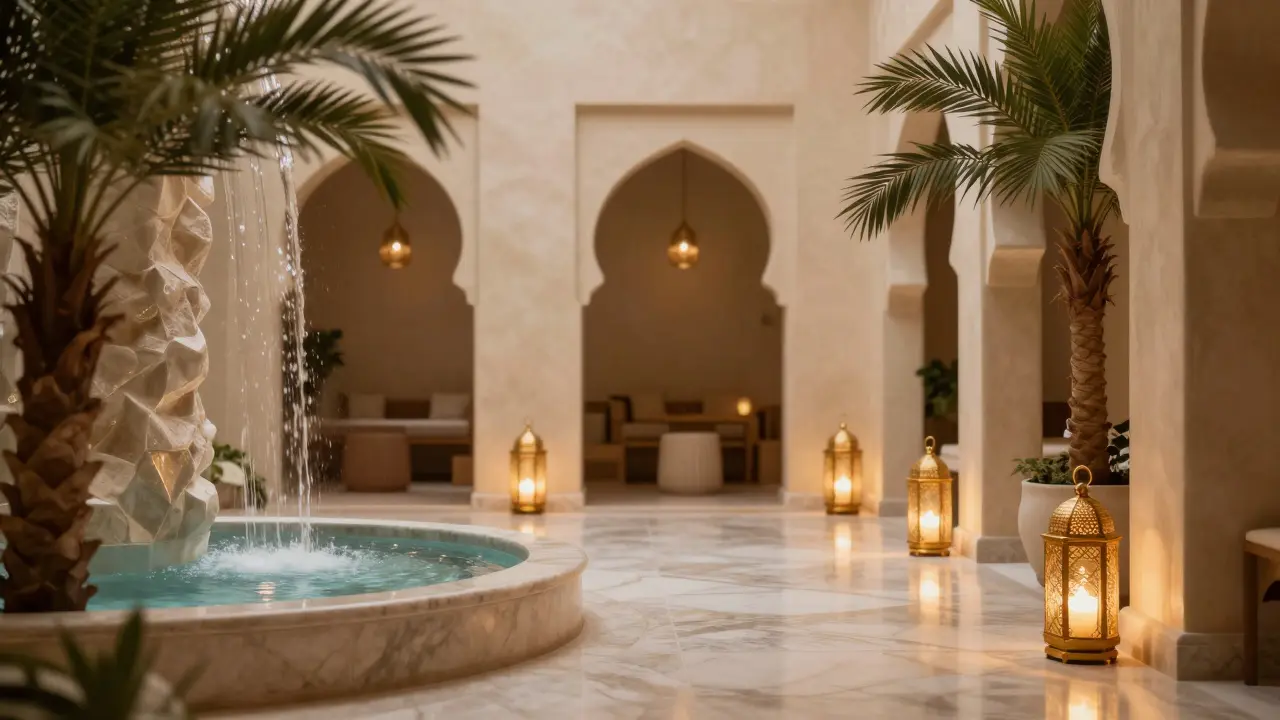
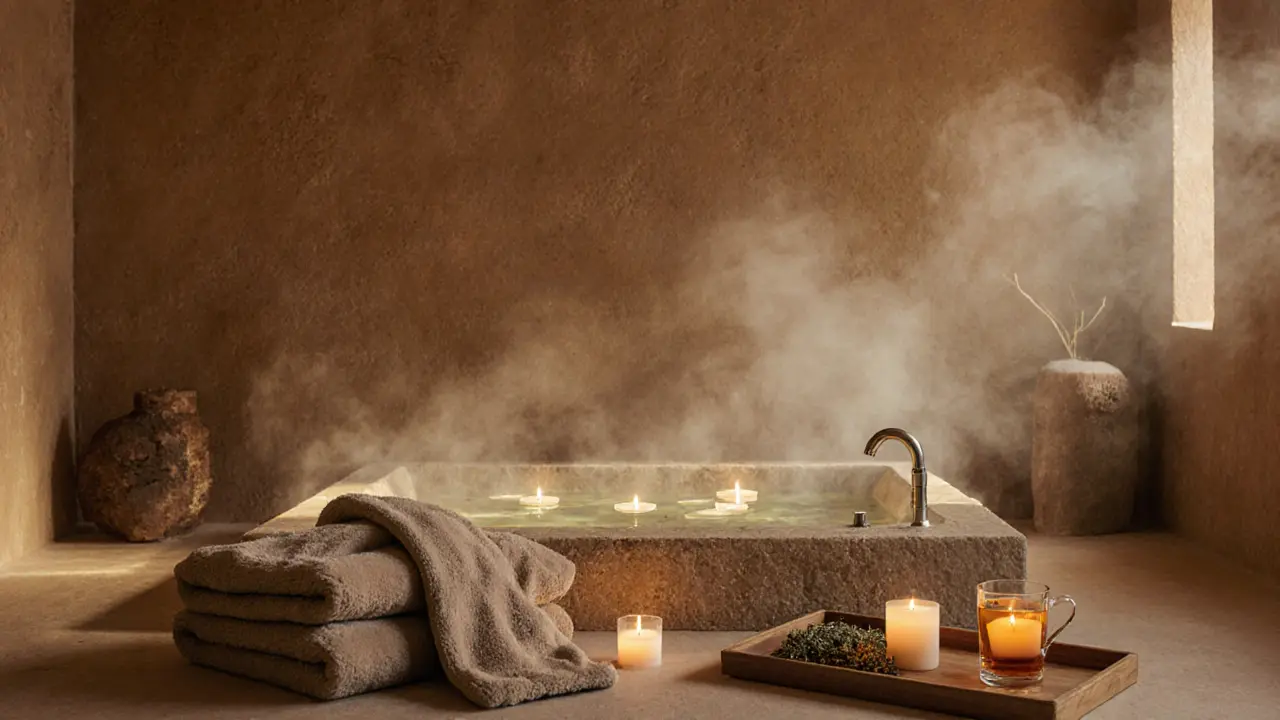
The best spas feel like another world. In Dubai, you might walk through a courtyard of water features and date palms before entering a marble sanctuary with golden lanterns. In Iceland, you might soak in a geothermal pool under the northern lights. In Thailand, bamboo huts float above lotus ponds. The environment is part of the treatment. Lighting is low. Sounds are natural-water, wind, distant chimes. No TVs. No loud announcements. You’re not in a clinic. You’re in a sanctuary.
Key Processes or Steps
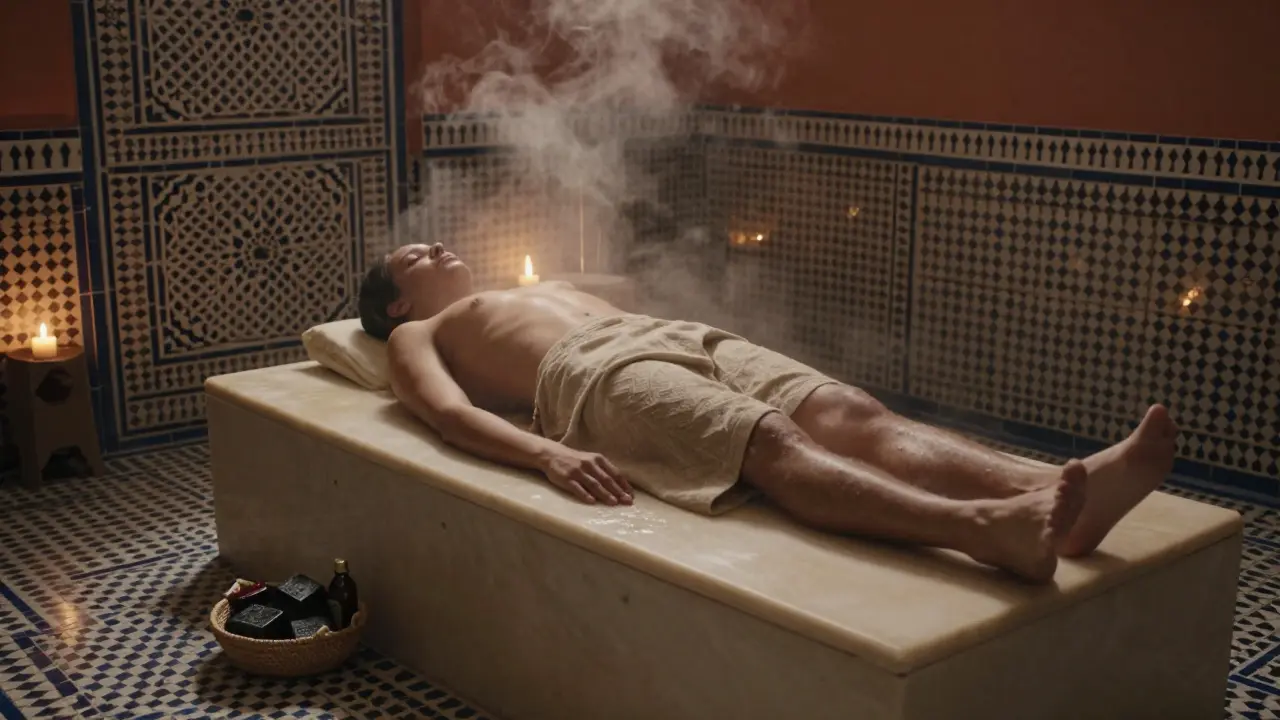
Most full spa experiences follow a rhythm: arrival (tea, robe, quiet space), preparation (skin analysis, consultation), treatment (massage, scrub, steam), and recovery (resting in a quiet room with herbal tea). In Dubai, many spas include a traditional Arabic hammam-steam, black soap scrub, and a vigorous rinse. In Japan, it’s often a sequence: onsen soak, cold plunge, quiet meditation. The order matters. It’s designed to guide your body from alert to deeply relaxed.
Customization Options
Good spas don’t have one-size-fits-all packages. You’ll be asked about pressure preference, allergies, injuries, and even emotional state. Want a lighter touch? Say so. Need extra time on your neck? They’ll adjust. Some places even let you choose your scent-lavender for calm, citrus for energy, sandalwood for grounding. In Dubai, many spas tailor treatments to the desert climate-offering ultra-hydrating masks and cooling oils to counter dry air.
Communication and Preparation
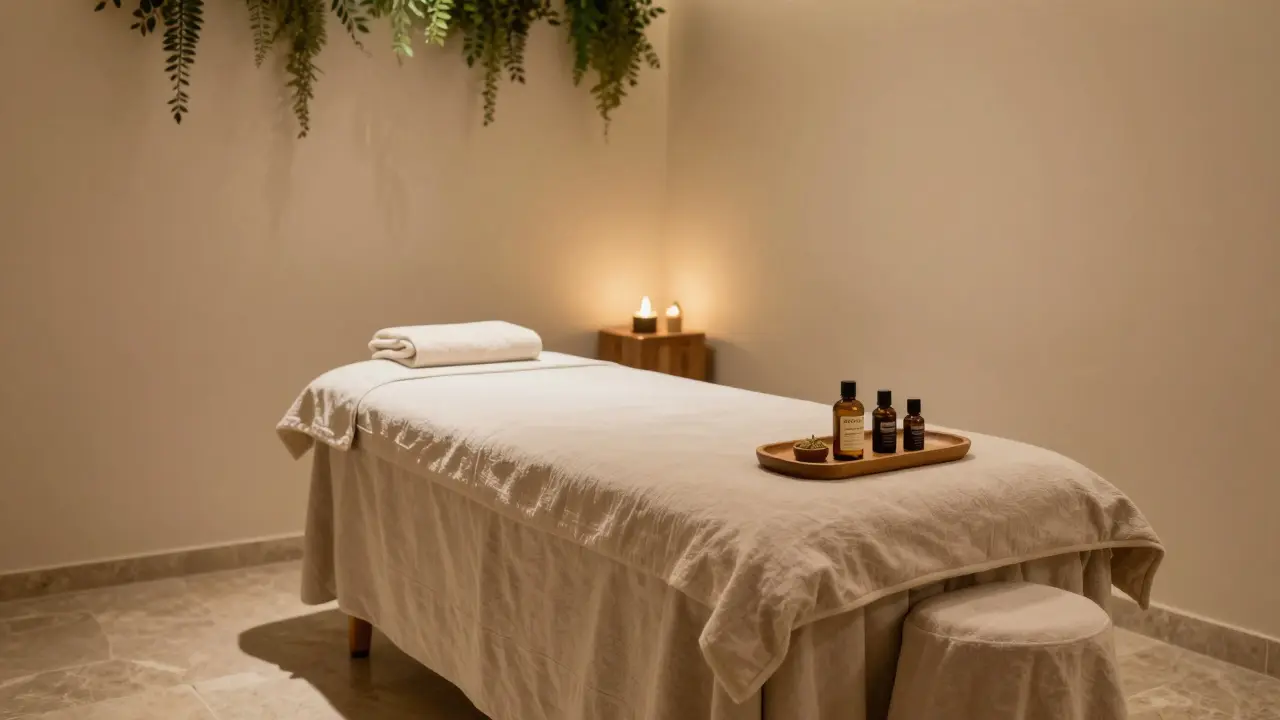
Before your treatment, you’ll usually fill out a short form. Be honest. If you’re pregnant, have high blood pressure, or recently had surgery, the therapist needs to know. Arrive 15-20 minutes early. Don’t eat a heavy meal right before. Drink water. Leave your phone in the locker. The goal is to walk in as a guest, not a client. You’re not there to be productive. You’re there to be held.
How to Practice or Apply Best Spas
Setting Up for Success
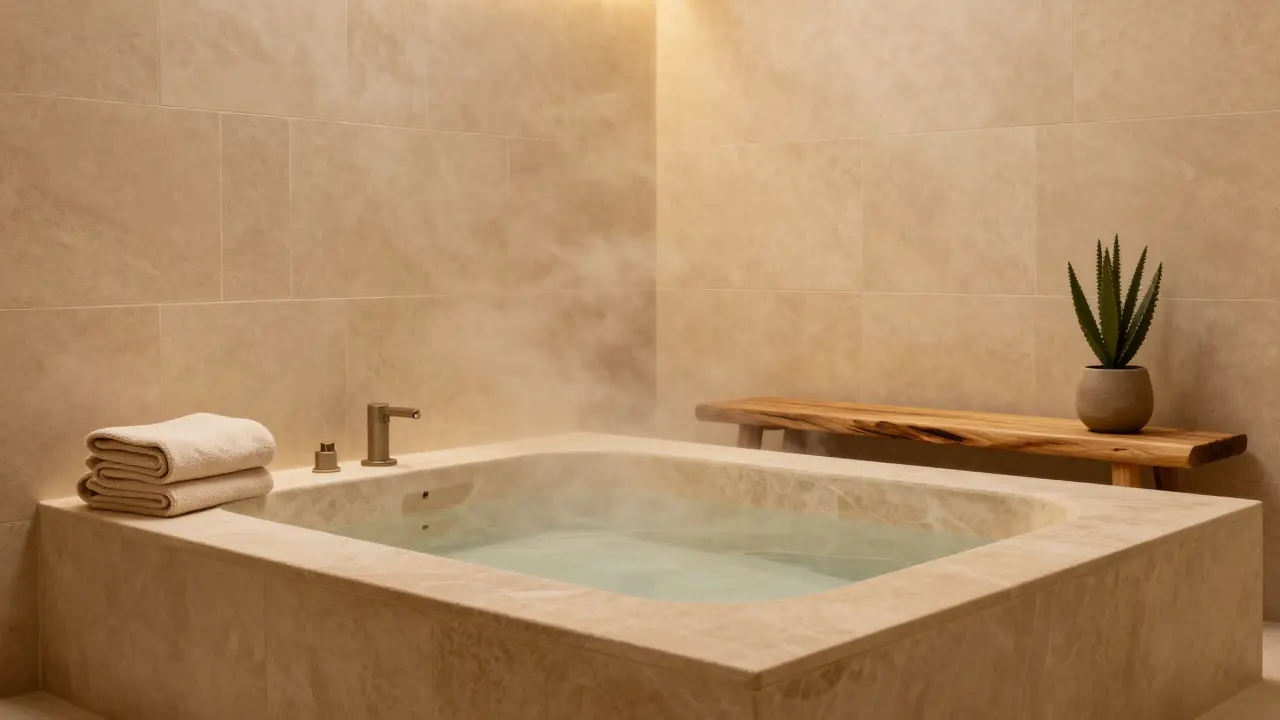
You don’t need a five-star resort to recreate spa energy. At home, dim the lights, light a candle, play soft nature sounds, and soak in a warm bath with Epsom salts and a few drops of chamomile oil. Use a heated towel if you can. The key is ritual. Do the same things each time-light the same candle, play the same playlist. Your brain learns to associate those cues with calm.
Choosing the Right Tools/Resources
If you’re traveling, look for spas with certified therapists (look for certifications from organizations like the International Spa Association or local health boards). Read reviews that mention hygiene, not just “pretty decor.” In Dubai, top spas like the One&Only The Palm or Armani Spa are known for strict standards. For home use, invest in a good salt scrub, a natural loofah, and a quality massage oil. You don’t need expensive gear-just clean, intentional tools.
Step-by-Step Guide
1. Set aside 60-90 minutes with no interruptions.
2. Take a warm shower to open your pores.
3. Apply a body scrub in circular motions, focusing on elbows, knees, and feet.
4. Soak in warm water for 15-20 minutes.
5. Apply a hydrating oil while your skin is damp.
6. Wrap yourself in a warm towel and lie still for 10 minutes.
7. Sip herbal tea and breathe slowly.
That’s it. No fancy equipment. Just presence.
Tips for Beginners or Couples
If you’re new to spas, start with a 60-minute massage or a simple body scrub. Don’t feel pressured to do everything. Couples can book side-by-side treatments-it’s a quiet way to bond without talking. Just remember: silence is okay. In fact, it’s the point. Let the experience speak for itself.
Safety and Ethical Considerations
Choosing Qualified Practitioners/Resources
Always check credentials. A licensed therapist has trained in anatomy, hygiene, and contraindications. In Dubai, spas are regulated by the Dubai Health Authority. Ask if staff are certified. Don’t be afraid to ask about their training. A good spa will be proud to tell you.
Safety Practices
Hygiene isn’t optional. Here’s what to look for:
| Practice | Purpose | Example |
|---|---|---|
| Disposable linens | Prevent cross-contamination | Each client gets fresh towels and robes |
| Sanitized tools | Reduce infection risk | Scrub brushes and stones are cleaned after each use |
| Water quality checks | Ensure safe bathing | Hot tubs and pools tested daily for chlorine/pH |
Setting Boundaries
You have the right to say no. If a therapist presses too hard, if the room is too hot, if you’re uncomfortable with a technique-speak up. A good therapist will adjust immediately. Your comfort is their priority.
Contraindications or Risks
Spas aren’t for everyone. Avoid hot treatments if you’re pregnant, have heart conditions, or have open wounds. Don’t use steam rooms if you have high blood pressure. If you’re on blood thinners, avoid deep tissue massage. Always consult your doctor if you’re unsure. Spas are healing-but they’re not medical treatment.
Enhancing Your Experience with Best Spas
Adding Complementary Practices
Pair your spa visit with light yoga, journaling, or a quiet walk afterward. Avoid jumping straight back into your phone or meetings. Let the calm settle. In Dubai, many guests take a sunset stroll along the beach after a spa day. It extends the peace.
Collaborative or Solo Engagement
Going alone is powerful. It’s your time, no distractions. But sharing a spa day with a partner or friend can deepen connection. Just keep the conversation light-or silent. The goal is shared stillness, not chatter.
Using Tools or Props
At home, try a heated eye mask, a bamboo foot roller, or a silk sleep mask. These small things amplify relaxation. In spas, look for heated massage tables, aromatherapy diffusers, and weighted blankets. They’re not gimmicks-they’re sensory anchors.
Regular Engagement for Benefits
One spa visit won’t change your life. But one a month? That’s a game-changer. Think of it like brushing your teeth-you don’t wait until your gums bleed. Regular spa time prevents burnout before it starts.
Finding Resources or Experts for Best Spas
Researching Qualified Experts/Resources
Look for spas with reviews mentioning “therapist training,” “cleanliness,” and “personalized service.” Avoid places with only generic five-star ratings. In Dubai, check the Dubai Health Authority’s list of licensed wellness centers. Top resorts like Jumeirah and Al Maha are known for their standards.
Online Guides and Communities
Follow wellness blogs that focus on real experiences, not just product promotions. Look for forums where people share honest reviews of spa treatments. Avoid influencers who only post glossy photos. Real spa lovers talk about how they felt afterward-not just how they looked.
Legal or Cultural Considerations
In Muslim-majority countries like Dubai, some spas offer gender-segregated areas or female-only therapists. Respect these norms-they’re part of the culture, not restrictions. In Japan, nudity in onsen is common but always private. Know the local customs before you go.
Resources for Continued Learning
Books like “The Art of the Spa” by Linda F. Smith or documentaries on Japanese onsen culture offer deeper insight. Podcasts like “The Wellness Hour” feature interviews with spa owners and therapists from around the world.
FAQ: Common Questions About Best Spas
What to expect from a spa experience?
You’ll arrive to quiet music, warm tea, and a robe. After a brief chat with your therapist, you’ll be guided to a private room. Treatments usually last 60-90 minutes and may include steam, scrub, massage, or soak. You’ll leave feeling lighter, calmer, and deeply relaxed. Most people say they forget what time it is. That’s the goal.
What happens during a spa treatment?
It depends on the treatment. A massage involves pressure applied to muscles to release tension. A scrub uses exfoliants to remove dead skin. A hammam includes steam, black soap, and a vigorous rinse. A thermal circuit moves you through hot and cold pools. The key is rhythm-each step prepares your body for the next. You’re never rushed. You’re guided.
How does a spa differ from a massage clinic?
A massage clinic focuses on pain relief or muscle recovery. A spa is about holistic restoration. It includes environment, scent, water, ritual, and time. You’re not just getting your back worked on-you’re being invited to step out of daily life. A spa might include a steam room, herbal tea, and a quiet room to rest afterward. It’s a full sensory reset.
What is the method of a traditional Dubai spa?
The traditional Dubai spa experience often centers on the hammam-a steam bath followed by a deep scrub with black soap and a vigorous rinse. Afterward, you’re wrapped in warm towels and given cooling oils to hydrate skin against the desert air. Many include rosewater spritzes and dates with mint tea. It’s designed to cleanse, cool, and calm-perfect for the region’s climate.
Is a spa suitable for beginners?
Absolutely. Start with a simple 60-minute massage or a foot soak. Most spas offer beginner packages designed to ease you in. Therapists are trained to adjust pressure and pace. You don’t need to know anything beforehand. Just show up, breathe, and let them guide you. Many first-timers say it was the most relaxing hour of their year.
Conclusion: Why Best Spas Are Worth Exploring
A Path to Renewal
The best spas aren’t about luxury. They’re about reconnection. To your breath. To your body. To stillness. Whether you’re in Dubai, Iceland, or your own bathroom, the goal is the same: to pause, to be held, to return to yourself.
Try It Mindfully
Don’t wait for a special occasion. Book a treatment when you feel tired, not when you’re completely broken. Let it be a gift, not a last resort.
Share Your Journey
Tried a spa that changed your week? Share your experience in the comments. Follow this blog for more quiet, thoughtful tips on wellness that actually works.
Some links may be affiliate links, but all recommendations are based on research and quality.
Word count: 1,728
Suggested Visuals
- A serene Dubai spa interior with marble, water features, and soft lighting
- A person relaxing in a traditional hammam with steam rising
- A close-up of natural oils and herbs used in spa treatments
- A couple enjoying side-by-side massages in a quiet, dimly lit room
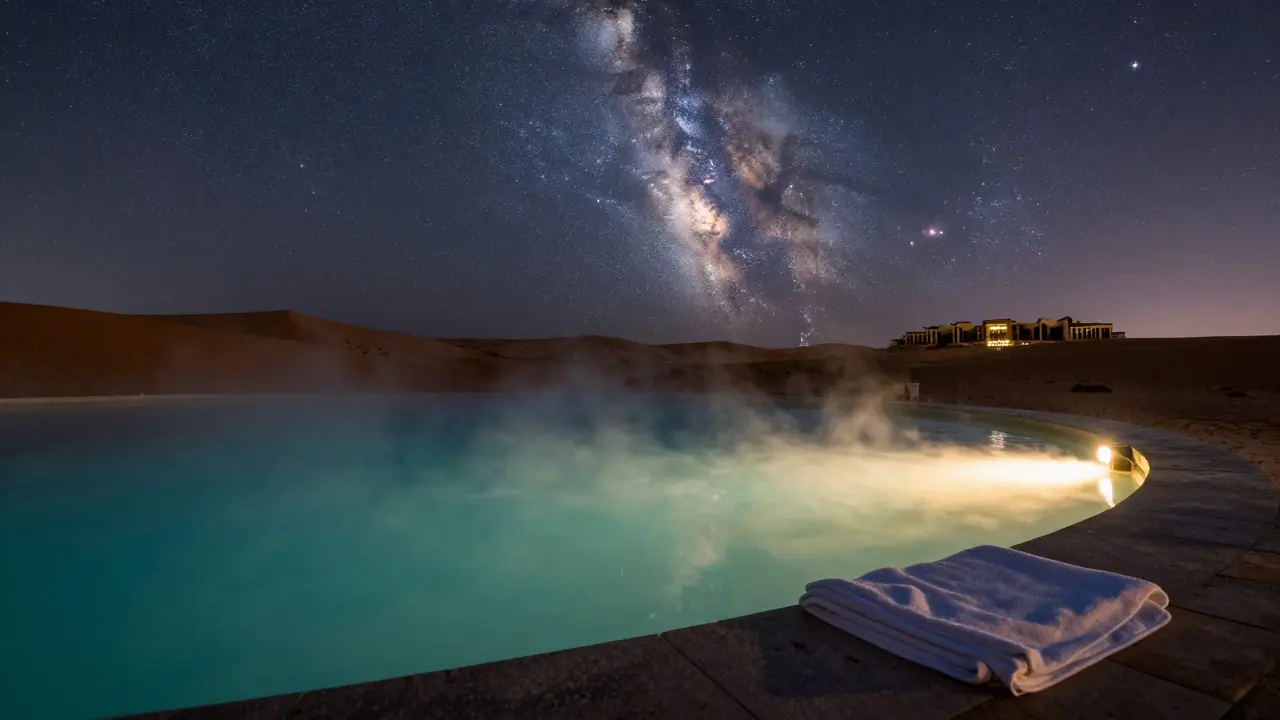
- A thermal pool under a starry desert sky in Dubai
Suggested Tables
- Comparison of Spa vs. Other Wellness Practices
- Spa Safety Tips
- Key Benefits of Best Spas (Benefit, Description, Impact)

Nick LoBrutto
January 6, 2026 AT 06:59Now I do a 20-minute soak with Epsom salts every night. It’s not a luxury-it’s my non-negotiable reset.
Tatiana Pansadoro
January 7, 2026 AT 11:06Who else is going to give you a 90-minute hammam with rosewater spritzes, dates, AND cooling oils? Not Iceland! Not Thailand! Not even Japan! The desert climate demands precision-and Dubai delivers. I’ve been to 12 countries, and only one place made me feel like my skin actually remembered how to breathe. It’s not bragging-it’s science.
Cynthia Farias
January 9, 2026 AT 02:19One cannot help but note the profound ontological dissonance between the commodified spa experience in Dubai-where luxury is algorithmically curated-and the ancestral, almost liturgical, practice of the Japanese onsen, wherein the self dissolves into the mineral embrace of the earth.
Is it not tragic, then, that we mistake the ritual for the retail? That we pay $400 for a lavender-scented steam, while forgetting that true restoration requires no invoice?
And yet… we still go. Because the human soul, in its weary, wired state, still believes-despite all evidence-that somewhere, in a marble chamber lit by golden lanterns, it might be held.
Paul Addleman
January 9, 2026 AT 18:17The rhythm of it-steam, scrub, rinse, cool oil, tea-doesn’t just clean your skin, it cleans your head. I used to think spa days were for people with too much time. Now I know they’re for people who finally realized they need to stop running.
And yes, the gender-segregated areas? Totally respectful. It’s not about exclusion-it’s about honoring cultural space. Go with an open mind, leave with a quiet heart.
Justin Green
January 9, 2026 AT 19:48