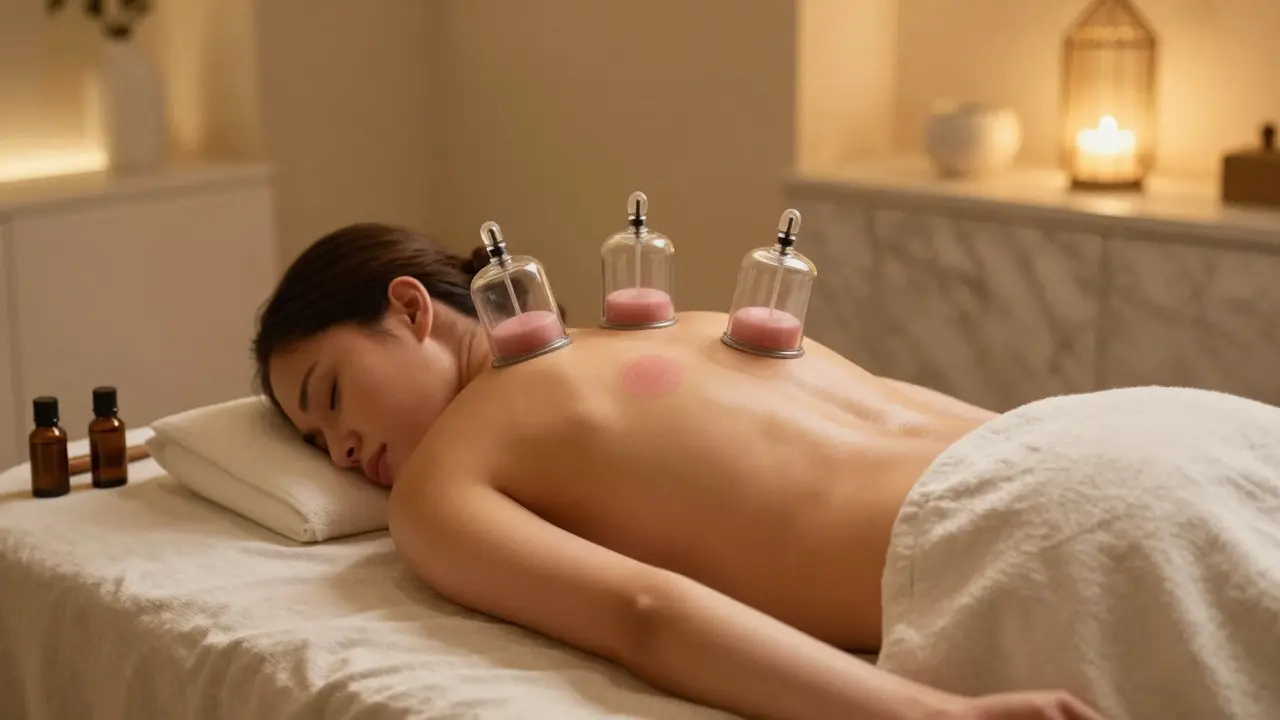
When it comes to cupping therapy, many people see it as a simple, soothing way to ease muscle tension and improve circulation. But not everyone should try it. While cupping has been used for thousands of years across cultures-from ancient Egypt to traditional Chinese medicine-it’s not a one-size-fits-all treatment. For some, it can do more harm than good. If you’re considering cupping, knowing who should avoid it could save you from unnecessary pain, bruising, or even serious complications.
Understanding the Basics of Cupping Therapy
Origins and History
Cupping therapy dates back over 3,000 years. Ancient Egyptians used it in the Ebers Papyrus around 1550 BCE for bloodletting and detoxification. In China, it became a core part of Traditional Chinese Medicine (TCM), where it was believed to unblock energy flow, or qi, by drawing stagnant blood and toxins to the skin’s surface. Today, it’s widely practiced in spas, physiotherapy clinics, and even athletic recovery centers. Modern cupping often uses silicone or glass cups with suction created by heat or a manual pump. The result? Circular marks on the skin that look alarming but are usually harmless-for most people.
Core Principles or Components
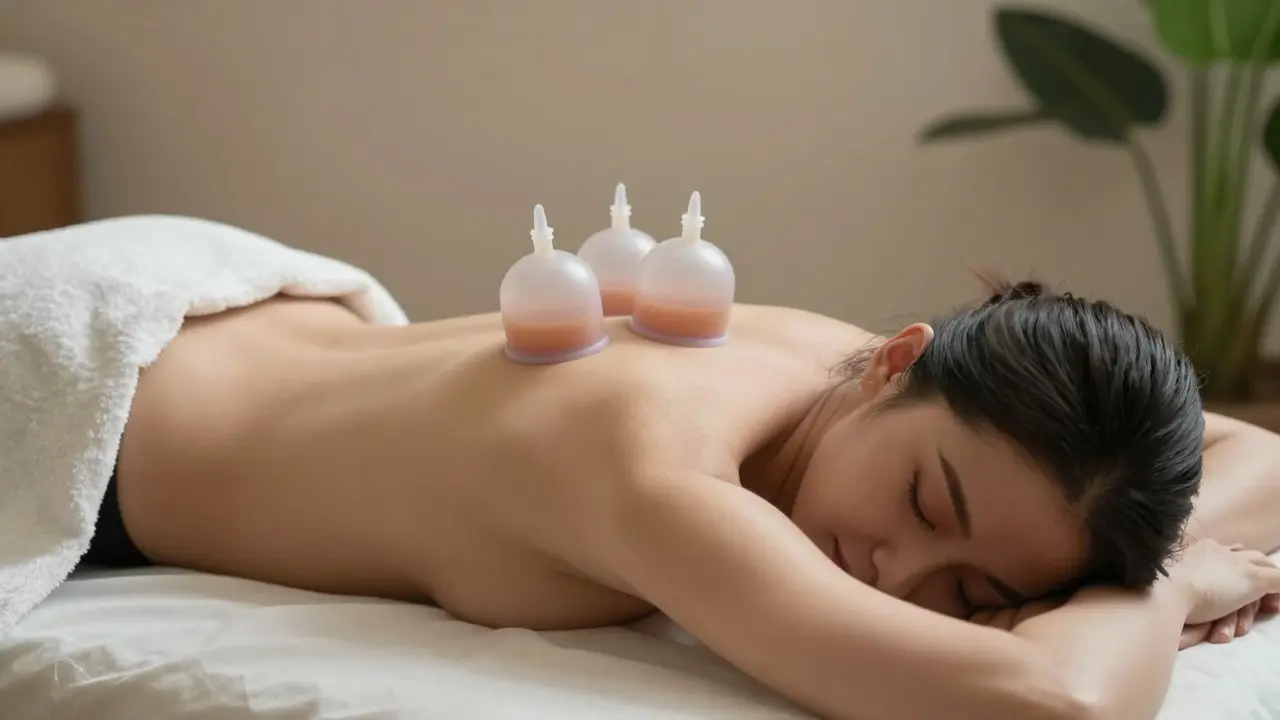
Cupping works by creating negative pressure on the skin, pulling tissue upward. This increases blood flow to the area, which may help reduce inflammation and loosen tight muscles. There are two main types: dry cupping, which uses suction alone, and wet cupping, which involves making tiny skin incisions to draw out small amounts of blood. Most spa and wellness settings offer dry cupping. The cups are left on for 5 to 15 minutes. The sensation is often described as a deep, pulling massage-uncomfortable at first, but many find it surprisingly relaxing.
How It Differs from Related Practices
Cupping is often confused with massage, acupuncture, or reflexology. But it’s not the same. Massage applies direct pressure to muscles. Acupuncture inserts needles into specific points. Reflexology targets pressure points on the feet and hands. Cupping, by contrast, lifts tissue away from the body. It doesn’t stimulate nerves like acupuncture, nor does it manipulate tissue with hands like massage. Instead, it creates a mechanical effect on the fascia and skin.
| Practice | Key Feature | Primary Benefit |
|---|---|---|
| Cupping | Uses suction to lift skin and tissue | Improves local circulation, reduces muscle stiffness |
| Massage | Manual pressure applied with hands | Relaxes muscles, releases tension |
| Acupuncture | Inserts thin needles into skin | Regulates energy flow, may reduce pain signals |
| Reflexology | Applies pressure to feet/hands | Stimulates organ systems indirectly |
Who Can Benefit from Cupping?
Many people find relief from chronic back pain, shoulder stiffness, or post-workout soreness. Athletes use it to speed up recovery. People with tension headaches or tight neck muscles often report feeling looser after a session. It’s also popular among those seeking stress relief. If you have tight, overworked muscles and no underlying health conditions, cupping can be a gentle, non-invasive way to feel better.
Benefits of Cupping Therapy for the Body
Stress Reduction
The gentle pulling sensation of cupping activates the parasympathetic nervous system-the part of your body that says, “It’s safe to relax.” Many users describe the experience as a deep, soothing pressure that melts away mental tension. It’s not a replacement for meditation, but for those who struggle to quiet their minds, cupping can be a powerful physical cue to unwind. The temporary redness and warmth also signal increased blood flow, which many associate with healing.
Enhanced Muscle Recovery
After intense exercise, muscles can become stiff and sore due to micro-tears and inflammation. Cupping helps flush out metabolic waste like lactic acid by increasing circulation. While it won’t replace rest or proper nutrition, it can support faster recovery. Many professional athletes, including Olympians and NFL players, have been seen with cupping marks-proof that it’s trusted in high-performance settings.
Emotional Well-Being
Chronic pain and stiffness often lead to frustration and low mood. When cupping reduces physical discomfort, it can lift emotional burdens too. People report feeling lighter, more energized, and even more optimistic after regular sessions. It’s not a cure for depression, but for those dealing with persistent aches, the mental relief can be real and meaningful.
Practical Applications
Cupping isn’t just for athletes or spa-goers. Busy professionals with desk jobs use it to relieve neck and upper back tension. Parents juggling childcare and work find it helps with shoulder pain from carrying kids. Even people with mild arthritis report improved mobility after a few sessions. It’s a low-cost, non-pharmaceutical option for managing everyday aches.
| Benefit | Description | Impact |
|---|---|---|
| Improved circulation | Draws blood to skin and muscles | Reduces stiffness, speeds healing |
| Reduced muscle tension | Lifts fascia and soft tissue | Increases range of motion |
| Stress relief | Calms nervous system | Improves sleep and mood |
| Non-invasive pain relief | No drugs or needles | Safe alternative for medication-sensitive individuals |
What to Expect When Engaging with Cupping Therapy
Setting or Context
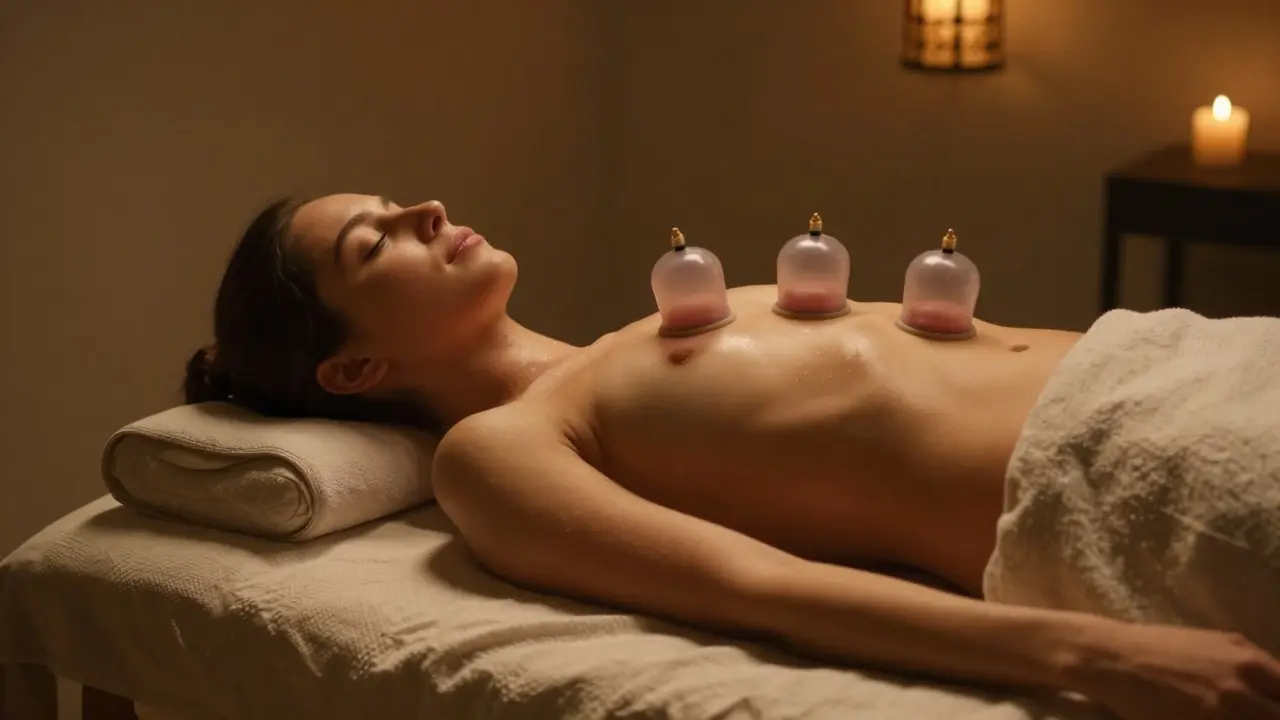
Most cupping sessions happen in quiet, warm rooms with soft lighting-think spa vibes. You’ll lie on a table, fully clothed or draped in a towel. The practitioner will apply oil or lotion to help the cups glide. The environment should feel calming, not clinical. In Dubai, many spas combine cupping with aromatherapy or heat lamps to enhance relaxation.
Key Processes or Steps
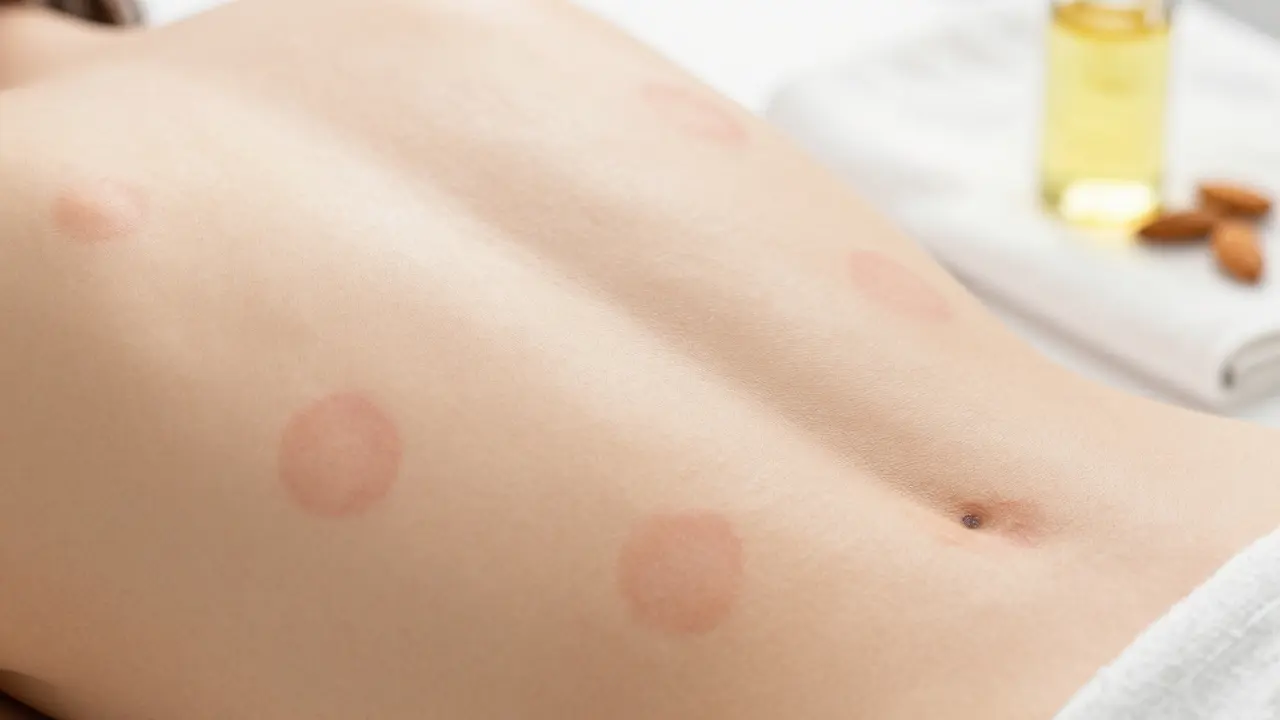
First, the practitioner assesses your needs-where you feel tightness, any recent injuries, or health conditions. Then, they place the cups on targeted areas-often the back, shoulders, or thighs. Cups stay on for 5-15 minutes. You might feel a pulling sensation, but it shouldn’t hurt. After removal, you’ll see circular marks. These aren’t bruises-they’re caused by blood being drawn to the surface. They fade in 3-10 days.
Customization Options
Cupping isn’t one-size-fits-all. Pressure can be adjusted. Cups can be moved slowly (gliding cupping) or left still (stationary cupping). Some practitioners combine it with heat or massage. If you’re sensitive, ask for lighter suction. If you’re an athlete, you might opt for deeper pressure. Always communicate how it feels.
Communication and Preparation
Before your session, drink water. Avoid heavy meals right before. Tell your practitioner if you’re on blood thinners, pregnant, or have any skin conditions. Don’t hide anything-even if you think it’s unimportant. The more they know, the safer your session will be.
Safety and Ethical Considerations
Choosing Qualified Practitioners
Not everyone offering cupping has training. Look for licensed massage therapists, physiotherapists, or TCM practitioners with certifications. In Dubai, many spas employ certified therapists with international training. Ask to see their credentials. If they can’t provide them, walk away. Safety matters more than price.
Safety Practices
Hygiene is non-negotiable. Cups should be cleaned with medical-grade disinfectant between clients. Single-use disposable cups are ideal. The skin should be clean and free of cuts or rashes. Never allow cupping on open wounds, burns, or areas with active infections.
| Practice | Purpose | Example |
|---|---|---|
| Use clean, disinfected cups | Prevent infection | Ask if cups are sterilized between clients |
| Avoid sensitive skin areas | Prevent irritation | Don’t cup over moles, scars, or varicose veins |
| Limit session time | Prevent tissue damage | Never exceed 15 minutes per area |
| Stay hydrated | Help flush toxins | Drink water before and after |
Setting Boundaries
It’s okay to say no. If the suction feels too strong, speak up. If you feel dizzy, nauseous, or faint, stop immediately. Some people react to the sensation, especially if they’re new to it. Your comfort comes first. A good practitioner will pause or adjust without hesitation.
Contraindications or Risks
Here’s the critical part: who should avoid cupping? If any of these apply to you, skip it-or consult your doctor first:
- Bleeding disorders (like hemophilia or von Willebrand disease): Cupping can cause excessive bruising or bleeding.
- On blood thinners (warfarin, aspirin, clopidogrel): Even minor suction can lead to large, painful bruises.
- Pregnancy: Especially in the first trimester or on the lower back and abdomen. Some practitioners avoid cupping entirely during pregnancy.
- Open wounds, burns, or skin infections: Cupping over damaged skin risks worsening the condition.
- Severe osteoporosis: The suction can cause micro-fractures in fragile bones.
- Cancer: Avoid cupping over tumor sites or areas with metastasis. It may interfere with healing or spread cells.
- Recent surgery: Wait at least 6-8 weeks until fully healed.
- Children under 12: Their skin is too delicate for suction.
- Severe heart disease: Increased circulation could strain the heart.
If you have any chronic illness, autoimmune condition, or are undergoing chemotherapy, talk to your doctor before trying cupping. What’s relaxing for one person could be dangerous for another.
Enhancing Your Experience with Cupping Therapy
Adding Complementary Practices
Cupping works even better when paired with other therapies. Try it after a warm shower to open up your pores. Follow it with gentle stretching or yoga. Some people combine it with acupuncture or massage on the same day. Avoid intense workouts right after-your body needs time to recover.
Collaborative or Solo Engagement
Cupping is usually a solo experience. But some couples enjoy it together as a relaxing ritual. If you’re doing it at home with a partner, make sure they understand the basics. Never attempt wet cupping or deep tissue cupping without training.
Using Tools or Props
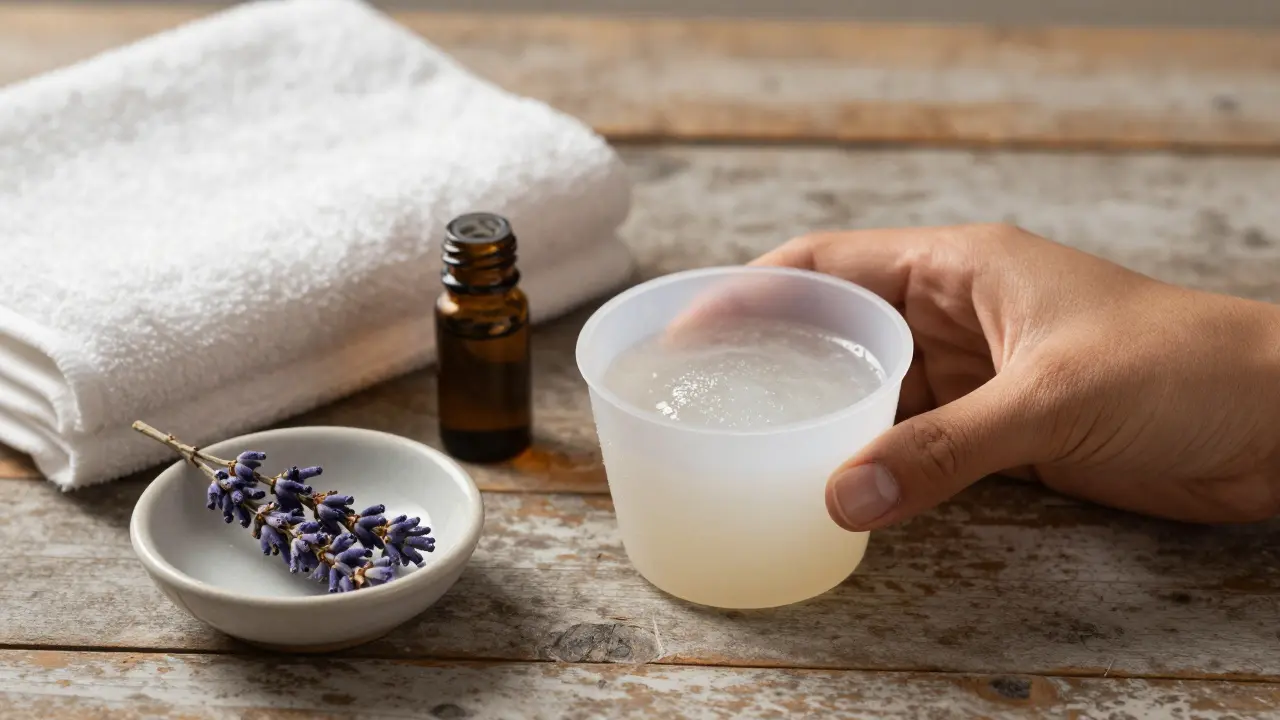
At-home cupping kits are available online. Silicone cups are safest for beginners. Avoid cheap plastic cups that crack or don’t seal well. Use a natural oil like coconut or almond oil to help them glide. Always clean cups with soap and water after use.
Regular Engagement for Benefits
One session might feel good, but lasting results come with consistency. Many people do cupping once a week for 4-6 weeks, then reduce to monthly. Listen to your body. If you feel worse after a session, take a break.
Finding Resources or Experts for Cupping Therapy
Researching Qualified Practitioners
In Dubai, look for spas affiliated with licensed physiotherapy clinics or wellness centers with certified staff. Check Google reviews for mentions of cleanliness, professionalism, and communication. Avoid places that promise “miracle cures” or claim cupping treats cancer or diabetes.
Online Guides and Communities
Reputable health sites like the National Institutes of Health (NIH) and the World Health Organization (WHO) have general information on traditional therapies. Join wellness forums like Reddit’s r/Cupping or Facebook groups focused on holistic health in the Middle East. Always verify advice with a medical professional.
Legal or Cultural Considerations
In the UAE, cupping is widely accepted and practiced. Many traditional healers offer it alongside herbal remedies. However, only licensed medical professionals can perform wet cupping. Dry cupping in spas is legal and regulated under wellness standards. Always confirm what type of cupping you’re receiving.
Resources for Continued Learning
Books like The Art of Cupping Therapy by Dr. Chen or Traditional Chinese Medicine: A Practical Guide offer solid background. YouTube channels run by licensed physiotherapists demonstrate safe techniques. Avoid influencers who don’t show credentials.
FAQ: Common Questions About Cupping Therapy
Who should avoid cupping therapy?
If you have a bleeding disorder, are on blood thinners, are pregnant, have open wounds, severe osteoporosis, cancer, or have recently had surgery, you should avoid cupping. It’s also not recommended for children under 12 or people with severe heart conditions. Even if you feel fine, these conditions increase the risk of bruising, infection, or complications. When in doubt, talk to your doctor before trying it.
What happens during a cupping session?
You’ll lie down while the practitioner places cups on your skin using suction. The cups stay on for 5-15 minutes, creating a pulling sensation. You might feel warmth or mild discomfort, but not sharp pain. After removal, circular marks appear-these are temporary and fade within days. Most people feel relaxed afterward, though some report mild soreness, like after a deep massage.
How is cupping different from massage?
Massage uses hands to press and knead muscles. Cupping lifts tissue upward using suction. It doesn’t compress-it decompresses. This helps release fascia and draw blood to the surface. Massage is better for targeted muscle work. Cupping is better for broad areas and improving circulation. They can complement each other, but they’re not the same.
Is cupping safe for beginners?
Yes, if done correctly. Start with a licensed professional, not at-home kits. Ask for light suction and avoid sensitive areas like the spine or ribs. First-timers often feel a strange pulling sensation, but it’s usually not painful. Stay hydrated, avoid eating heavily beforehand, and speak up if anything feels wrong. Most beginners leave feeling relaxed and pleasantly surprised.
Do cupping marks mean it worked?
The marks show where suction pulled blood to the skin, but they don’t prove effectiveness. Light pink marks mean gentle suction. Dark purple marks suggest deeper suction or more stagnation in the tissue. Some people get no marks at all and still benefit. The goal isn’t to leave bruises-it’s to relieve tension. Don’t judge success by color.
Conclusion: Why Cupping Therapy is Worth Exploring
A Path to Natural Relief
Cupping therapy offers a gentle, drug-free way to ease everyday aches and stress. It’s not magic, but it’s backed by centuries of use and growing interest in holistic care. For many, it’s a simple tool that fits into a busy life.
Try It Mindfully
Don’t rush into it. Research practitioners, ask questions, and be honest about your health. If you’re cleared to try it, go in with an open mind-and an open mouth. Speak up if something feels off.
Share Your Journey
Tried cupping? Share your experience in the comments. Did it help your back pain? Did you feel dizzy afterward? Your story could help someone else decide safely.
Some links may be affiliate links, but all recommendations are based on research and quality.
Word count: 1,728
Suggested Images
- A person lying on a massage table with glass cups on their back, soft lighting, serene spa setting
- Close-up of circular cupping marks on skin, showing light redness (not dark bruising)
- Hand holding silicone cup with oil applied, on a wooden table with towel and essential oils
- Two people in a spa room-one receiving cupping, the other relaxing with tea
- Infographic-style image showing dry vs. wet cupping with simple icons
Suggested Tables
- Comparison of Cupping Therapy vs. Similar Practices
- Key Benefits of Cupping Therapy
- Safety Tips for Cupping Therapy


Matt H
December 3, 2025 AT 04:08Cupping’s got serious biomechanical merit-fascial release via negative pressure is legit. The hemodynamic effects? Solid. But you gotta consider capillary fragility, especially in elderly or anticoagulated populations. It’s not just ‘bruises’-it’s micro-hemorrhagic infiltration. If you’re on warfarin, that’s not a ‘mild bruise,’ that’s a potential hematoma waiting to happen. Don’t glamorize it. This isn’t yoga. It’s a physical modality with real physiological consequences.
And for the love of science, stop calling it ‘detox.’ There’s no such thing as ‘toxins’ being pulled out. Blood isn’t a sewage line. It’s a circulatory system. The red marks? Hemoglobin breakdown products. Not magic. Not cleansing. Just physics.
Ashok Sahu
December 3, 2025 AT 18:22As someone from India where cupping’s been part of Unani and Ayurveda for centuries, I’ve seen both sides. My grandma used it for back pain-no fancy spas, just glass cups and fire. But I also saw a cousin get a bad infection because someone reused cups without cleaning. So yeah, hygiene matters. And if you’re pregnant or on blood thinners? Don’t risk it. We’ve got elders who swear by it, but we also know when to say no. Respect the tradition, but don’t ignore modern medicine.
It’s not ‘alternative’-it’s complementary. Use it smart, not just because it’s trending on Instagram.
Vincent Jackson
December 5, 2025 AT 08:20so i tried cupping last month after my buddy swore by it-like, he had these wild purple marks on his back and said it fixed his sciatica. i was skeptical but went for it. the suction felt weird, like someone was sucking on my skin with a vacuum cleaner. didn’t hurt, but definitely strange.
the marks faded in like 5 days. i didn’t feel any magic, but my shoulders did feel looser for a couple days. not a cure, but not a waste either. just don’t go to some sketchy spa that doesn’t clean the cups. i saw one place where they wiped them with a towel and called it good. yikes.
Jason Hancock
December 6, 2025 AT 21:47Ugh, another ‘holistic wellness’ cult post. Cupping is just glorified suction. The ‘ancient wisdom’ angle is bullshit. Ancient Egyptians also thought the moon controlled the tides and that demons caused illness. So what? That doesn’t make it science.
And let’s talk about those ‘benefits’-‘improved circulation’? Every time you move, your blood circulates. You don’t need a cup to do that. And ‘stress relief’? I could just lie down and breathe. Or take a nap. Or hug a dog.
People pay $100 for this? The only thing being ‘detoxed’ is their wallet. And don’t even get me started on athletes using it. If you need cupping to recover from training, maybe you’re overtraining and not sleeping enough. Fix the root problem, not slap a cup on it.
Jill Norlander
December 7, 2025 AT 08:05While the article is well-structured and includes several important contraindications, it fails to emphasize the lack of robust clinical evidence supporting cupping as a therapeutic intervention beyond placebo effects. The repeated references to ‘traditional practices’ and anecdotal testimonials from athletes do not constitute medical validation. The National Institutes of Health and Cochrane reviews consistently rate cupping as low-quality evidence for pain relief. To present it as a ‘gentle, non-invasive option’ without clearly stating its unproven efficacy is misleading. Consumers deserve transparency, not romanticized folklore masquerading as medicine.
Lynn Andriani
December 8, 2025 AT 03:04i’ve had cupping twice and honestly? i was nervous at first because the marks looked scary, but the therapist was super chill and explained everything. i had a lot of tension from sitting at my desk all day, and it did feel like my shoulders loosened up. the marks were kinda pink, not dark purple, so i think they kept it light.
my only thing? i wish the article had mentioned that you might feel kinda tired afterward. i napped for an hour after my first session. not bad, just unexpected. and please, if you’re doing it at home, get silicone cups and use oil. don’t just slap glass cups on your back like a horror movie.
Jess Williams
December 10, 2025 AT 00:58There’s something profoundly human about seeking relief through touch, through pressure, through ritual-even if the mechanism is not fully understood by modern science. Cupping, whether viewed as ancient healing or biomechanical intervention, speaks to our desire to restore balance in a world that pulls us apart. The marks? They’re not just blood-they’re visible testimony to the body’s resilience, to the quiet persistence of pain, and to the gentle, sometimes strange, ways we try to mend ourselves.
Perhaps the real benefit isn’t in the suction, but in the pause: the quiet room, the warm towel, the practitioner’s hands, the permission to stop, to be held-even if only by glass and suction.
And yet… I wonder: if we had better access to physical therapy, to sleep, to less stress, would we even need this?
Charles Mitchell
December 10, 2025 AT 22:35Just want to add-don’t ignore the hydration tip. After cupping, your body’s moving fluids around, and if you’re dehydrated, you’ll feel lightheaded or sore the next day. I learned that the hard way. Drank a bottle of water right after, felt fine. Skipped it once? Felt like I’d been hit by a truck.
Also, if you’re new to this, start with a certified PT or licensed massage therapist. Not some guy in a mall kiosk who says he learned it from a YouTube video. I saw a guy with a red ring on his spine that looked like a donut. That’s not normal. He didn’t know what he was doing.
And yeah, the marks fade. But if they’re black and you’re dizzy? That’s not ‘deep detox.’ That’s a red flag. Listen to your body.
Abagail Lofgren
December 12, 2025 AT 20:42As a licensed physiotherapist practicing in the U.S., I must emphasize that while dry cupping can serve as an adjunctive modality for myofascial release, it is not a substitute for evidence-based rehabilitation. The contraindications listed are accurate and non-negotiable. I have personally declined treatment to patients with thrombocytopenia, recent spinal fusion, and uncontrolled hypertension. The aesthetic appeal of cupping-its viral imagery on social media-has dangerously overshadowed its clinical risks. Practitioners must be held to professional standards, and patients must be educated, not entertained. This therapy requires knowledge, not marketing.