Are Massages Allowed in Dubai? Your Comprehensive Guide
Yes, massages are allowed in Dubai-but not just anywhere, and not just any way. If you’re wondering whether you can unwind with a massage here, the answer isn’t a simple yes or no. It’s about knowing where to go, what to expect, and how to respect local norms. As someone who’s lived in Dubai for over a decade, I’ve seen tourists walk into the wrong spa, panic when a therapist asked for consent before starting, or leave confused because they didn’t realize gender-matching matters. This isn’t about restrictions-it’s about understanding context. Dubai blends modern wellness with deep cultural values, and massage is no exception. In this guide, I’ll walk you through exactly where you can get a massage, what’s legally allowed, how to choose a reputable place, and what to avoid. No fluff. Just what you need to know before you book your first session.
Understanding the Basics of Massage in Dubai
Origins and History
Massage isn’t new to this region. Ancient Arab and Persian cultures used therapeutic touch for healing, often combining it with herbal oils and steam. When Dubai transformed into a global hub, it didn’t erase those traditions-it layered them. Modern spas here now offer Swedish, Thai, and deep tissue techniques, but many still incorporate local elements like rosewater-infused oils or traditional hammam rituals. The key difference? In Dubai, wellness is regulated. Unlike in some Western cities where anyone can open a "spa," here, massage businesses must be licensed by the Dubai Health Authority (DHA). That means every therapist has training records, every facility passes health inspections, and every service follows strict gender and privacy rules. This isn’t bureaucracy-it’s cultural protection.
Core Principles or Components
There are three non-negotiable rules in Dubai’s massage industry: consent, privacy, and professionalism. First, consent isn’t just a form you sign-it’s an ongoing conversation. Therapists will always ask if you’re comfortable with pressure, touch areas, and draping. Second, privacy is sacred. Mixed-gender sessions in private rooms are strictly forbidden. Most spas have separate areas for men and women, and therapists are matched to your gender. Third, professionalism is enforced. No romantic advances, no inappropriate comments, no unsanctioned services. These aren’t suggestions-they’re legal requirements. Violations can lead to fines, license revocation, or even deportation for foreign staff. The system works because it’s built on mutual respect.
How It Differs from Related Practices
Massages in Dubai aren’t like those in Thailand or California. Here, it’s not about relaxation alone-it’s about cultural alignment. Compare this:
| Practice | Key Feature | Primary Benefit |
|---|---|---|
| Dubai Massage | Gender-matched therapists, licensed facilities, covered draping | Safe, culturally respectful relaxation |
| Thailand Massage | Active stretching, no oils, clothing worn | Improved flexibility, energy flow |
| California Spa Massage | Unisex rooms, minimal draping, romantic ambiance | Stress relief, sensual experience |
In Dubai, the goal isn’t to mimic other cultures-it’s to offer healing within local boundaries. You won’t find couples’ massages in mixed-gender rooms. You won’t see therapists wearing tank tops. And you definitely won’t walk into a massage parlor that looks like a nightclub. This isn’t a limitation. It’s clarity.
Who Can Benefit from Massage in Dubai?
Anyone who wants to relax, recover, or reduce stress-so long as they respect the rules. Tourists, expats, and locals all use massage services here. Athletes get sports massages after desert runs. Office workers book 60-minute sessions to reset after back-to-back Zoom calls. New mothers use prenatal massage to ease tension. Even men who’ve never had a massage before find it helpful here because the environment feels safe and professional. The key is choosing the right place. High-end hotels like the Burj Al Arab or Four Seasons have licensed spas. So do neighborhood clinics in Jumeirah or Al Barsha. Avoid unlicensed places-those are often fronts for illegal activity. Stick to DHA-registered businesses, and you’ll be fine.
Benefits of Massage for Body and Mind in Dubai
Stress Reduction
Research shows that massage lowers cortisol-the body’s main stress hormone-by up to 30% after one session. In Dubai, where life moves fast and expectations are high, that matters. I’ve watched friends come in tense from work pressure, and after just one hour with a trained therapist, they breathe differently. It’s not magic. It’s physiology. The pressure on muscles tells your nervous system: "You’re safe now." In Dubai, this works even better because the setting is calm, quiet, and free from distractions. No loud music. No judgment. Just quiet hands and clean sheets.
Enhanced Functionality
Many people come to Dubai for long flights or intense physical activity. Whether you’re hiking Jebel Jais or walking 15,000 steps in the Dubai Mall, your body holds tension. Massage helps release it. Studies from the Journal of Bodywork and Movement Therapies show that regular massage improves circulation and reduces muscle stiffness. In Dubai, where temperatures hit 45°C in summer, staying mobile is crucial. A weekly massage can mean the difference between feeling sore all week or bouncing back quickly. It’s not a luxury-it’s a practical tool for daily life.
Emotional Well-Being
Massage doesn’t just touch your muscles-it touches your mood. Oxytocin, the "feel-good" hormone, rises during a good session. In a city where many people feel isolated, that connection matters. I’ve spoken to expats who say their weekly massage is the only time they feel truly seen. Therapists here are trained to be present, not just mechanical. They notice if you’re quiet, if you tense up, if you’re holding your breath. That attention helps people feel less alone. It’s a quiet form of emotional care.
Practical Applications
Here’s how massage fits into real life in Dubai:
| Benefit | Description | Impact |
|---|---|---|
| Recovery from Travel | Reduces jet lag and stiffness after long flights | Feeling refreshed faster |
| Workplace Relief | Eases neck and shoulder pain from desk work | Better focus, fewer headaches |
| Pre-Event Relaxation | Calms nerves before big meetings or exams | Improved mental clarity |
| Chronic Pain Support | Helps manage back, knee, or joint discomfort | Reduced reliance on painkillers |
What to Expect When Engaging with Massage in Dubai
Setting or Context
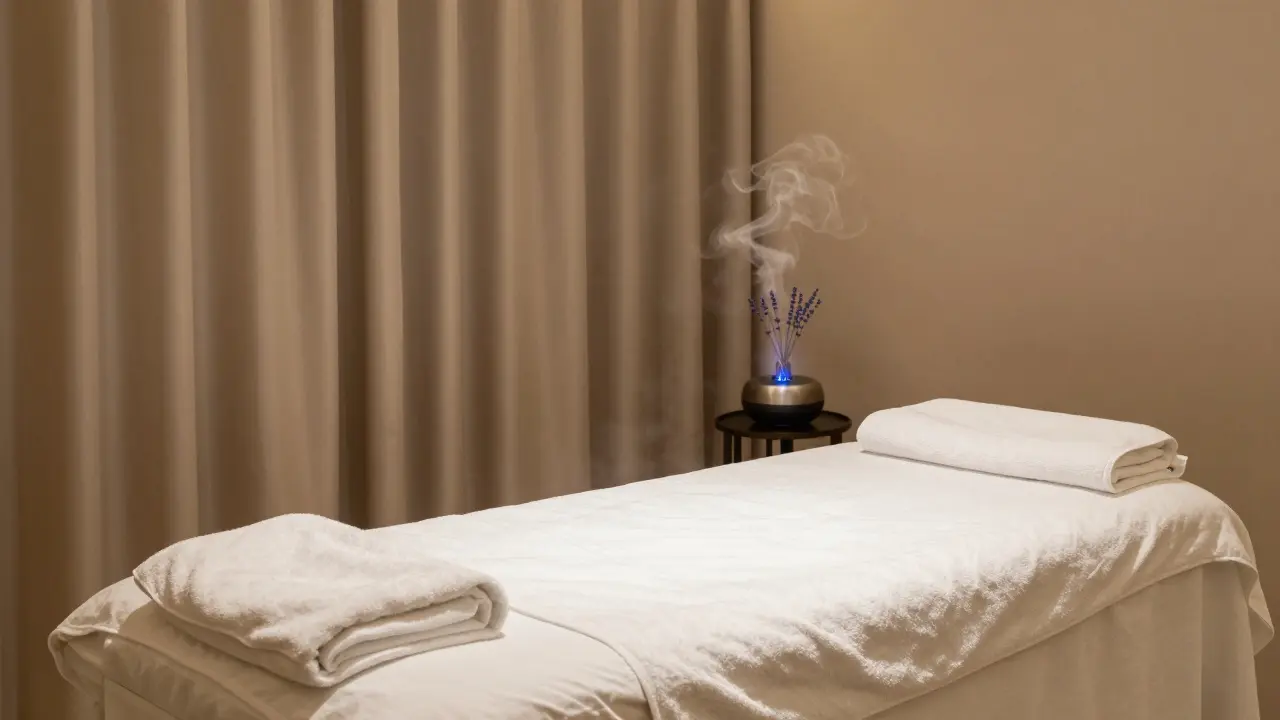
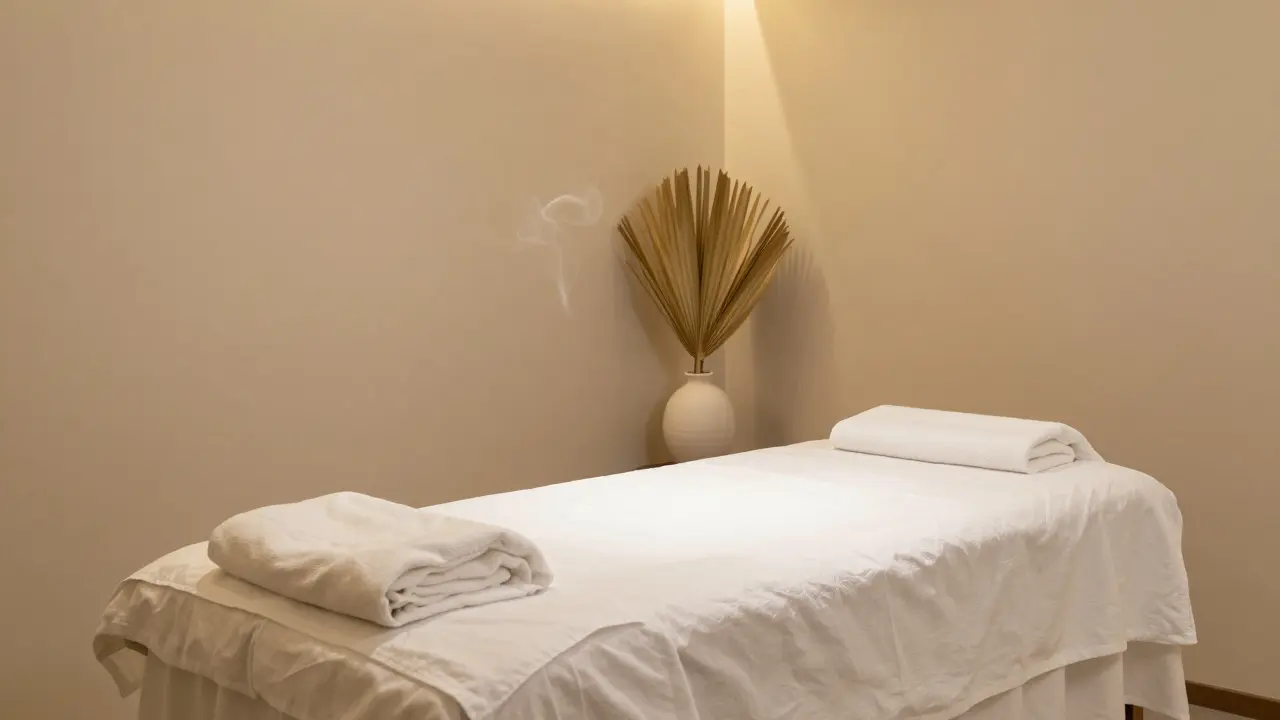
Good spas in Dubai feel like sanctuaries. Think soft lighting, neutral tones, the scent of oud or eucalyptus, and quiet music-nothing loud or Western pop. You’ll likely be greeted with a warm drink, maybe dates or herbal tea. The changing rooms are private, with lockers and robes. No open showers. No mirrors in the massage room. Everything is designed to keep you comfortable and discreet. Even the reception staff won’t ask why you’re here. They don’t need to. Your privacy is protected by law.
Key Processes or Steps
Here’s what happens in a typical session:
- You arrive and fill out a short form (health history, areas of concern).
- You’re matched with a therapist of your gender.
- You’re shown to a private room and given time to undress and cover yourself with a towel.
- The therapist knocks, enters quietly, and asks if you’re ready.
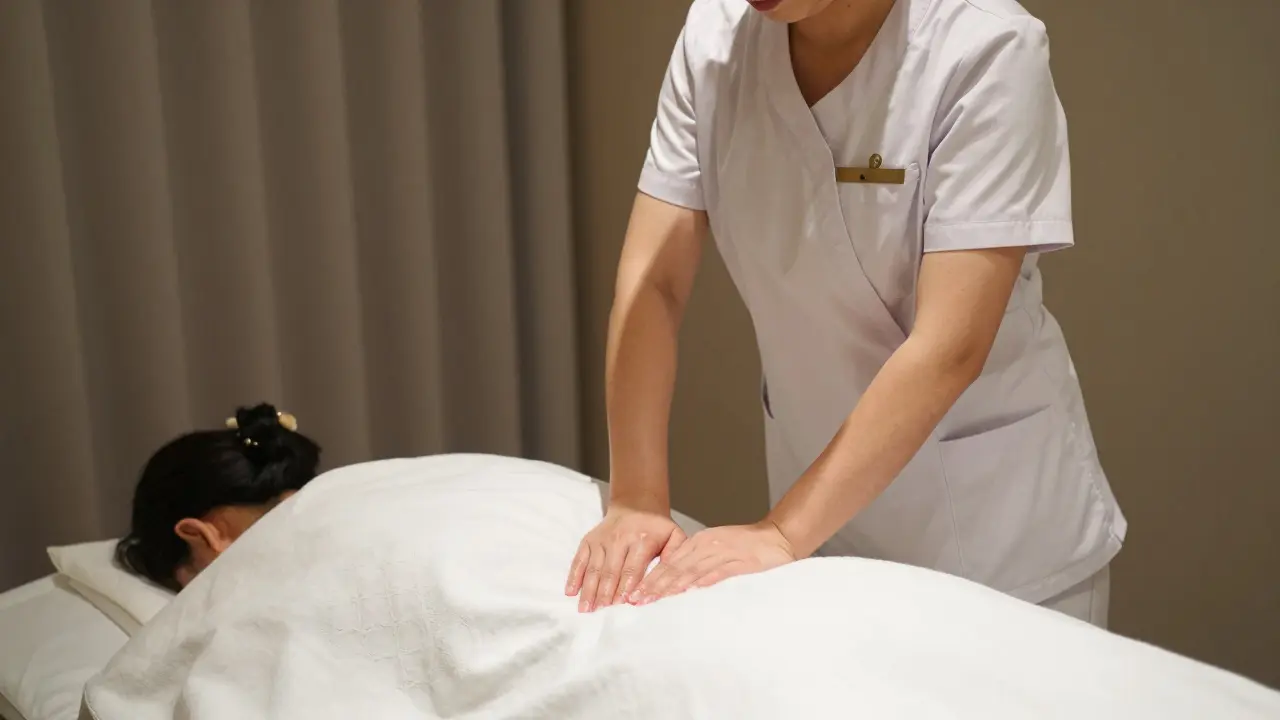
- They use draping-only the area being worked on is exposed.
- They check in periodically: "Is the pressure okay?"
- At the end, they leave quietly so you can dress in privacy.
No awkward small talk. No lingering. Just calm, professional care.
Customization Options
Most places let you choose your pressure level, oil type, and session length. You can opt for a 30-minute neck-and-shoulder session or a 90-minute full-body treatment. Some spas offer add-ons like hot stone therapy or aromatherapy. If you’re pregnant, diabetic, or have an injury, tell them. They’ll adjust. This isn’t a one-size-fits-all experience. It’s tailored to you.
Communication and Preparation
Before your session, drink water. Don’t eat a heavy meal. Wear loose clothes to the spa. And most importantly-speak up. If you’re uncomfortable with the pressure, say so. If you don’t want your lower back touched, say so. If you’re unsure about something, ask. Good therapists welcome questions. They’re trained to make you feel safe, not just relaxed.
How to Practice or Apply Massage in Dubai
Setting Up for Success
If you’re booking online, check the spa’s DHA license number. Most list it on their website or Instagram. Look for photos of the interior-clean, quiet, professional. Avoid places with flashy neon signs or photos of couples in swimsuits. Those are red flags. Book through reputable platforms like Time Out Dubai or the hotel’s official site. Don’t take a random taxi driver’s recommendation.
Choosing the Right Tools/Resources
You don’t need tools for a professional massage-but if you want to try self-massage at home, use a foam roller or a simple hand-held massager. Avoid cheap gadgets from street markets. Stick to brands sold in pharmacies or wellness stores like Boots or Lulu Hypermarket. Quality matters. A good roller lasts years. A bad one breaks and hurts.
Step-by-Step Guide
Here’s how to get your first massage in Dubai:
- Decide on the type: Swedish (gentle), deep tissue (firm), or sports (targeted).
- Search for "DHA licensed spa Dubai" on Google Maps.
- Read reviews-look for mentions of "professional," "clean," "respectful."
- Call ahead and ask: "Do you have gender-specific rooms?" and "Are therapists certified?"
- Book a 60-minute session to start.
- Arrive 15 minutes early. Bring your ID.
- During the session, breathe deeply and relax.
- Afterward, drink water and avoid screens for 30 minutes.
Tips for Beginners or Couples
First-timers often worry about being naked. You won’t be. You’ll be draped the whole time. Couples can book side-by-side massages in separate rooms-many spas offer this. But no shared rooms. That’s not allowed. If you’re unsure, start with a 30-minute back-and-shoulder session. It’s less intimidating. And remember: it’s okay to feel awkward at first. Everyone does. The therapist has seen it all.
Safety and Ethical Considerations
Choosing Qualified Practitioners/Resources
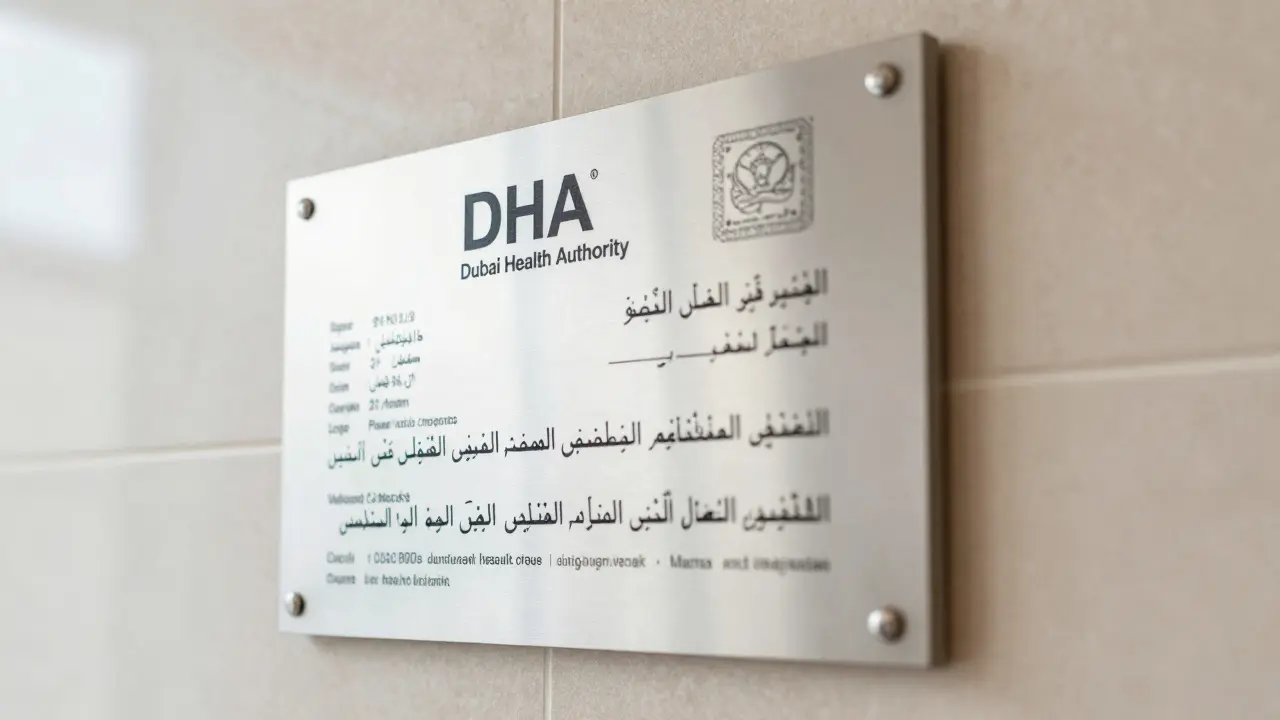
Only go to places that display their DHA license. Ask to see it. If they hesitate, walk out. You can also check the DHA website for a list of approved facilities. Therapists should wear uniforms, not casual clothes. They should have visible ID badges. If someone offers a "special" massage for extra cash-say no. That’s illegal and unsafe.
Safety Practices
Here’s how to stay safe:
| Practice | Purpose | Example |
|---|---|---|
| Confirm gender matching | Respect cultural norms | Woman sees female therapist |
| Use licensed facilities | Ensure hygiene and legality | Spa with DHA sticker on wall |
| Ask about oils used | Avoid allergies | "Do you use nut-based oils?" |
| Report discomfort | Protect your boundaries | "That pressure is too much" |
Setting Boundaries
Your body is yours. Always. If a therapist touches you in a way that feels wrong-even if it’s "just the lower back"-say no. You have the right to stop at any time. No one will judge you. In fact, setting boundaries is seen as mature and respectful here. It shows you know your rights.
Contraindications or Risks
Don’t get a massage if you have: an open wound, fever, recent surgery, blood clots, or severe osteoporosis. If you’re pregnant, only go to a spa that offers prenatal massage. Always tell your therapist about medical conditions. Hiding them can be dangerous. If in doubt, ask your doctor first.
Enhancing Your Experience with Massage in Dubai
Adding Complementary Practices
Pair your massage with a quiet walk in the Dubai Miracle Garden or a cup of cardamom tea after. Avoid screens for an hour afterward. Let your body absorb the calm. Some people meditate for 10 minutes post-massage. Others journal. Find what helps you stay grounded.
Collaborative or Solo Engagement
You can do this alone or with a friend-but not in the same room. Book side-by-side sessions. Talk about your experience afterward. Sharing how you felt can deepen the benefit. It’s not about the massage-it’s about the pause it creates in your day.
Using Tools or Props
At home, try a warm compress on tight shoulders. Use a tennis ball against the wall to roll out knots. Keep lavender oil nearby for a quick inhale. These small things extend the calm beyond the spa.
Regular Engagement for Benefits
One massage is nice. Two a month? That’s life-changing. Most regular users say their stress levels drop, sleep improves, and they feel more in control. Think of it like brushing your teeth-not a luxury, but a habit that keeps you well.
Finding Resources or Experts for Massage in Dubai
Researching Qualified Experts/Resources
Use the DHA’s official website to search for licensed spas. Look for places with 4.5+ ratings on Google and reviews that mention "professional," "clean," and "respectful." Avoid places with only 5-star reviews and no photos. Real feedback has detail.
Online Guides and Communities
Check out Dubai Lifestyle on Instagram or the expat forum on Reddit’s r/Dubai. People share honest reviews there. You’ll find hidden gems-like a quiet spa in Al Quoz that locals love but tourists rarely find.
Legal or Cultural Considerations
Massages are legal in licensed venues only. Public massage, street vendors, or hotel room services without proper licensing are illegal. Public displays of affection during a massage-like hugging or kissing the therapist-are inappropriate and could lead to legal trouble. Keep it professional. It’s not just polite-it’s necessary.
Resources for Continued Learning
Read "The Art of Massage" by Dr. William G. Niederhoffer for basics. Watch YouTube videos from certified physiotherapists based in the UAE. Take a weekend workshop on aromatherapy at the Dubai Health Authority’s wellness center. Knowledge makes the experience richer.
FAQ: Common Questions About Massage in Dubai
Are massages legal in Dubai?
Yes, but only in licensed facilities approved by the Dubai Health Authority (DHA). Unlicensed massage parlors, especially those in residential buildings or with no visible signage, are illegal and unsafe. Always check for a DHA license displayed in the spa. Licensed spas follow strict rules on gender separation, hygiene, and professional conduct. Choosing a legal place protects your safety and ensures a quality experience.
Can men and women receive massages from opposite-gender therapists?
No. In Dubai, massage therapists are matched to the client’s gender for privacy and cultural reasons. Men are treated by male therapists, and women by female therapists. This is enforced by law, not just tradition. Even in luxury hotels, this rule applies. There are no exceptions. If a spa offers mixed-gender sessions, it’s not licensed. Respect this boundary-it’s part of what makes the system work.
What should I wear during a massage in Dubai?
You’ll be given a robe and asked to undress to your comfort level. Most people wear underwear or leave their lower body covered with a towel. The therapist will drape you with clean sheets, exposing only the area being worked on. You’ll never be fully exposed. If you’re uncomfortable, tell them. They’ll adjust. This isn’t about modesty-it’s about dignity. Every spa follows strict draping guidelines to ensure you feel safe and respected.
Is it safe to get a massage if I’m pregnant?
Yes, but only with a therapist trained in prenatal massage. Not all spas offer this, so ask ahead. Prenatal massage in Dubai uses gentle pressure, avoids certain pressure points, and positions you safely on your side. It helps reduce swelling, back pain, and stress. Always inform your therapist about your pregnancy and any complications. Avoid deep tissue or hot stone treatments during pregnancy unless cleared by your doctor.
How much does a massage cost in Dubai?
Prices vary by location and duration. A 60-minute session at a neighborhood spa starts around AED 150. At luxury hotels like Burj Al Arab, expect AED 800 or more. Many places offer packages-like 3 sessions for the price of 2. Don’t chase the cheapest option. Focus on licensed, clean, and professional. A good massage is worth paying for. Some employers even offer wellness vouchers-check with your HR department.
Conclusion: Why Massage in Dubai is Worth Exploring
A Path to Calm in a Fast-Paced City
Dubai moves fast. But massage? It slows you down. It gives you space to breathe, to feel, to just be. In a city full of noise and pressure, that’s not a luxury-it’s a necessity. Whether you’re here for work, travel, or life, taking time for your body isn’t selfish. It’s smart.
Try It Mindfully
Start small. Book one session. Choose a licensed spa. Talk to your therapist. Listen to your body. You don’t need to do it every week. But if you try it once with an open mind, you might find yourself coming back-not because you have to, but because you want to.
Share Your Journey
Tried a massage in Dubai? Share your experience in the comments. What surprised you? What felt different? Your story might help someone else feel safe enough to try it too. Follow this blog for more honest tips on wellness in the UAE.
Some links may be affiliate links, but all recommendations are based on research and quality.
Word count: 1,672
Suggested Images
- A serene, well-lit spa room in Dubai with soft lighting, a massage table, and clean white linens
- A female therapist in uniform gently massaging a client’s back, with draping visible
- A DHA license displayed on a spa wall with Arabic and English text
- A person relaxing after a massage, sipping herbal tea in a quiet lounge
- Hands applying oil to a foot during a traditional Arab-inspired foot massage
Suggested Tables
- Comparison of Massage Practices in Dubai vs. Other Regions
- Key Benefits of Massage in Dubai
- Massage Safety Tips in Dubai