When you hear the word Turkish baths, you might picture steam, marble, and a relaxing soak-but the real question on many minds is: are Turkish baths coed? Especially if you’re in Dubai, where cultural norms and modern spa trends blend in unexpected ways. The short answer? It depends. Some places are strictly single-gender, others have coed hours, and a few offer private sessions for couples or families. Let’s cut through the confusion and give you the real, practical details you need before you step into the steam.
Understanding the Basics of Turkish Baths
Origins and History
Turkish baths, or hammams, trace back over a thousand years to the Roman thermae and were refined by the Ottoman Empire. These weren’t just places to get clean-they were social hubs, ritual spaces, and even venues for weddings and births. In traditional settings, gender separation was the rule. Women had their own hours, often early in the morning, while men visited later. This wasn’t about modesty alone; it was about community structure. Today, you’ll find hammams from Istanbul to Marrakech to Dubai, each adapting to local customs. In conservative regions, single-gender spaces remain standard. In cosmopolitan cities like Dubai, flexibility is built in-but only if you know where to look.
Core Principles or Components
A classic Turkish bath experience has three main stages: the hot room (sıcaklık), the washing area, and the cooling-down zone. You’ll typically be given a peshtemal (a thin cotton towel) and a kese (a rough exfoliating glove). The steam opens your pores, the scrub removes dead skin, and the warm rinse relaxes your muscles. The whole thing lasts about 45 to 60 minutes. What makes it different from a sauna? The humidity is higher, the temperature is slightly lower, and the ritual is slower, more deliberate. It’s not about sweating-it’s about renewal.
How It Differs from Related Practices
Many people confuse Turkish baths with Moroccan baths or saunas. Here’s how they stack up:
| Practice | Key Feature | Primary Benefit |
|---|---|---|
| Turkish Bath (Hammam) | Steam room + scrub + rinse | Deep detox + skin renewal |
| Moroccan Bath | Black soap + rhassoul clay + scrub | Hydration + natural exfoliation |
| Sauna | Dry heat, no water | Cardiovascular stimulation |
Moroccan baths in Dubai often use argan oil and rhassoul clay, making them more moisturizing. Saunas focus on heat alone-no scrub, no rinse. The hammam is the full package: heat, cleanse, and care.
Who Can Benefit from Turkish Baths?
Almost anyone. Athletes use them to recover from muscle strain. People with dry skin find relief after the hydrating scrub. Those dealing with stress enjoy the slow, meditative rhythm. If you’ve ever felt stiff after a long flight or tense from work, a hammam session can reset your body. Even if you’ve never tried one, you’re not too late. Most spas in Dubai offer beginner-friendly sessions with staff who guide you through every step.
Benefits of Turkish Baths for Body and Mind
Stress Reduction
The heat and steam trigger your parasympathetic nervous system-the part that says, “It’s safe to relax.” This isn’t just feel-good talk. Research from the National Institutes of Health shows that consistent heat exposure can lower cortisol levels, the body’s main stress hormone. In a hammam, you’re not just lying there-you’re being gently massaged by warmth, surrounded by quiet, and guided by ritual. Many visitors say it feels like hitting a reset button on their mind.
Enhanced Functionality
The scrub isn’t just for beauty. Removing dead skin improves circulation and helps your skin absorb moisture better. For people with eczema or psoriasis, this can mean fewer flare-ups. Athletes report faster recovery times after sessions, especially when paired with light stretching afterward. The warm water also helps loosen tight joints, making it ideal for those with mild arthritis or stiffness from sitting all day.
Emotional Well-Being
There’s something deeply calming about being cared for in a quiet, warm space. In Dubai’s fast-paced environment, where life moves at 100 miles per hour, the hammam offers a rare pause. People often leave feeling lighter-not just physically, but emotionally. It’s not therapy, but it can feel like a mini-vacation for your soul.
Practical Applications
Here’s what you can expect in daily life after regular sessions:
| Benefit | Description | Impact |
|---|---|---|
| Improved Skin Texture | Exfoliation removes buildup, revealing smoother skin | Reduces ingrown hairs and clogged pores |
| Better Sleep | Heat relaxes muscles and lowers stress | Deeper, more restful sleep within days |
| Increased Energy | Circulation boost from heat and scrub | Less afternoon slump |
| Clearer Breathing | Steam opens nasal passages | Helps with seasonal congestion |
What to Expect When Engaging with Turkish Baths
Setting or Context
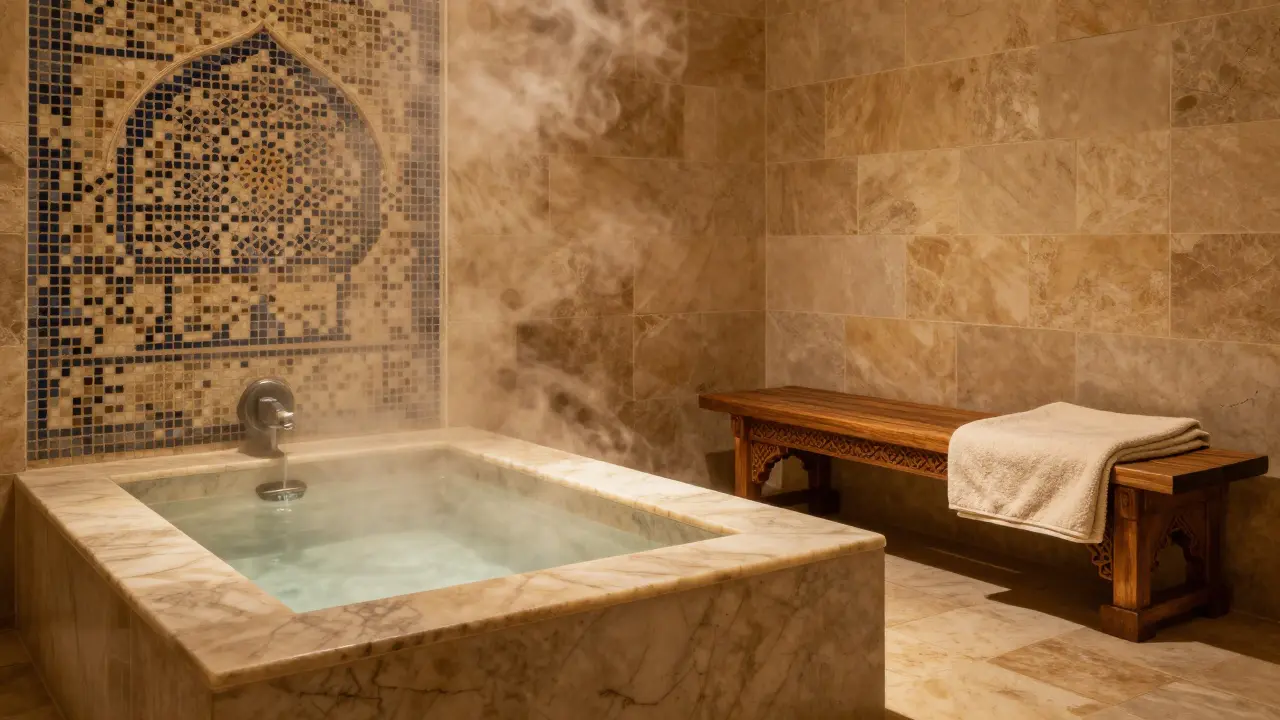
In Dubai, you’ll find hammams in luxury resorts, local wellness centers, and even standalone spas. High-end places like those in Burj Al Arab or Jumeirah use marble, mosaic tiles, and candlelight. More casual spots might be simpler but still authentic. The key is to check ahead. Some venues have dedicated women’s floors, others have mixed hours (usually midday). Private rooms are often available for couples or families-this is your best bet if you’re unsure about coed spaces.
Key Processes or Steps
Here’s what typically happens in a 60-minute session:
- You’re given a peshtemal and slippers.
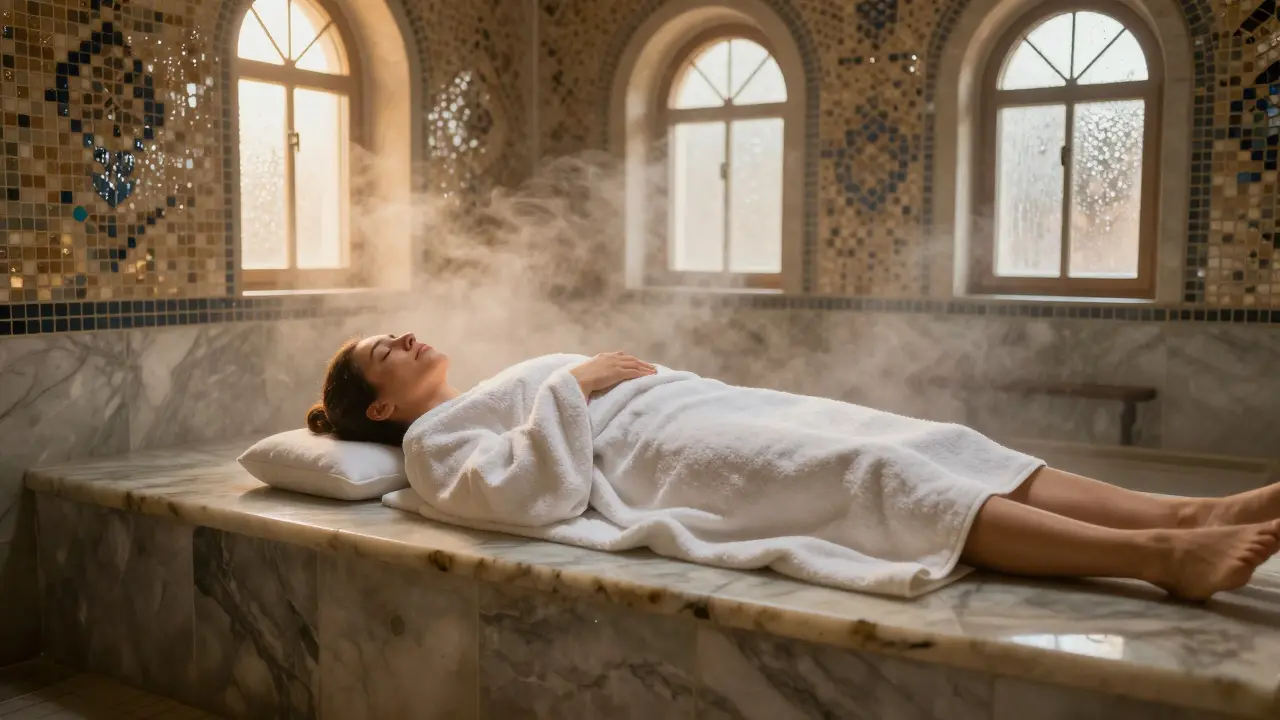
- You enter the warm room and let your body adjust for 10-15 minutes.
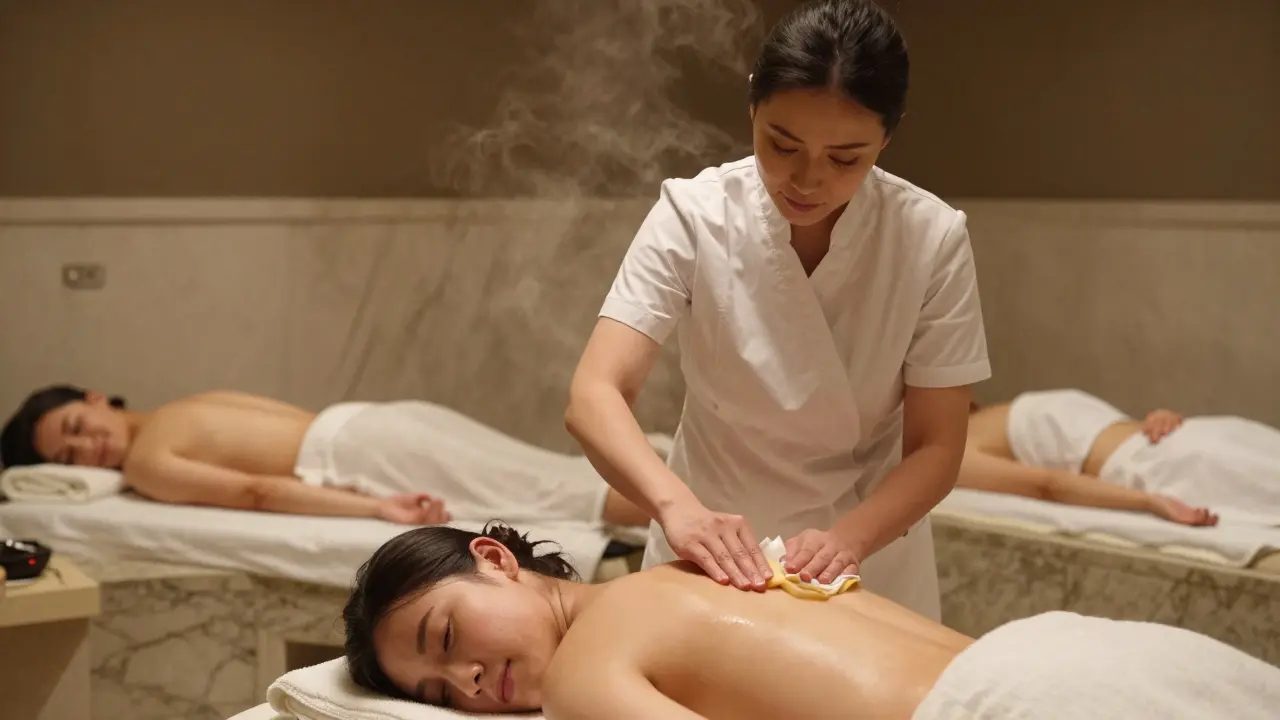
- A therapist (or attendant) scrubs you with a kese-this is intense but not painful.
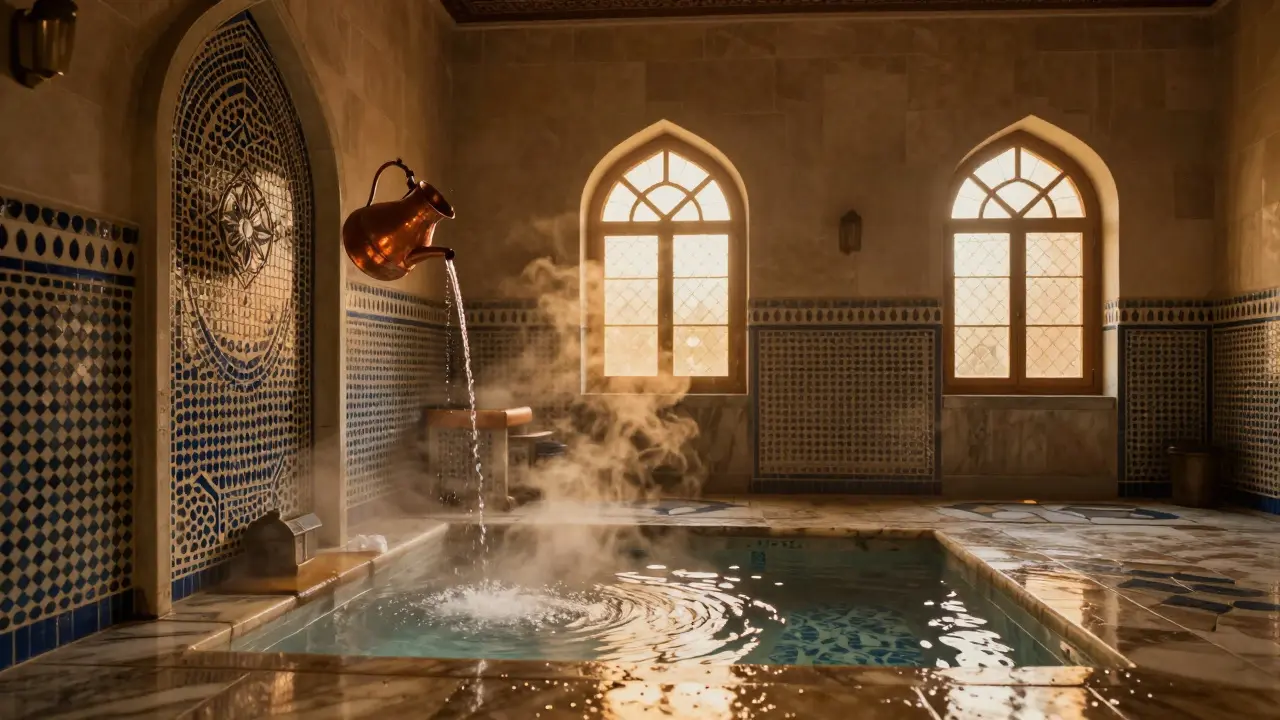
- You’re rinsed with warm water, often with a pour-over from a copper jug.
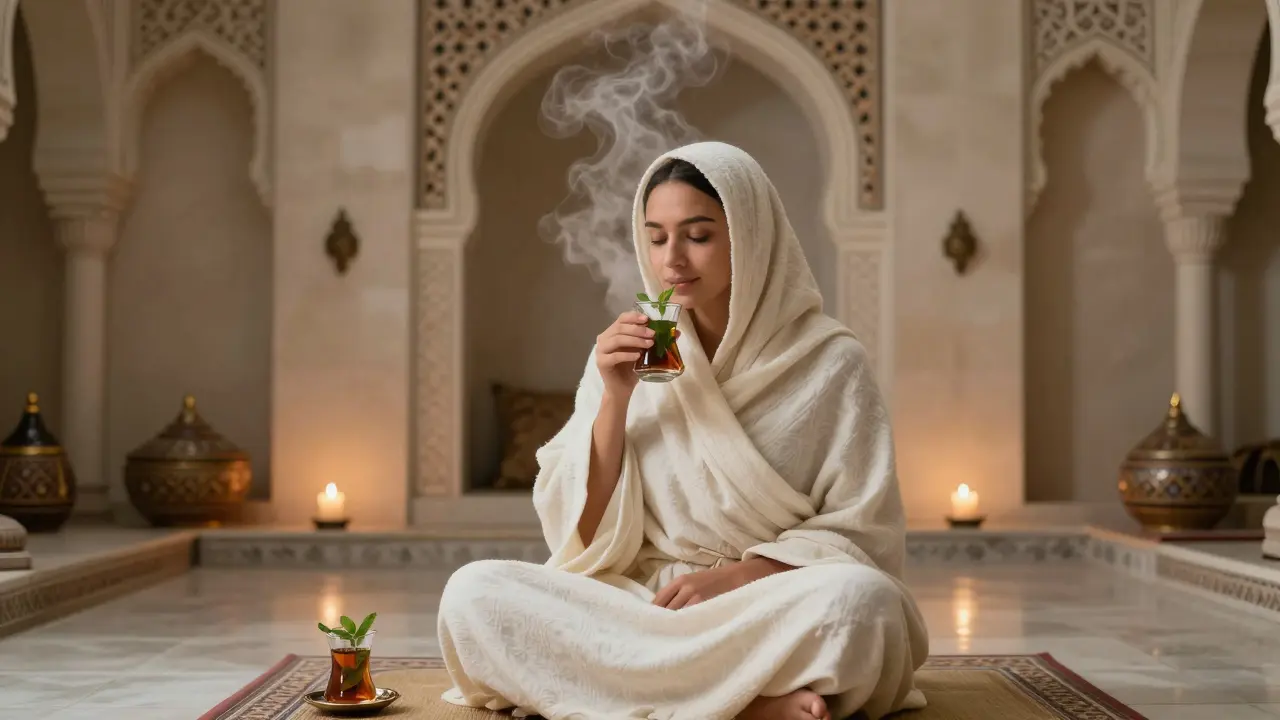
- You rest in a cool area with herbal tea, sometimes with a light massage.
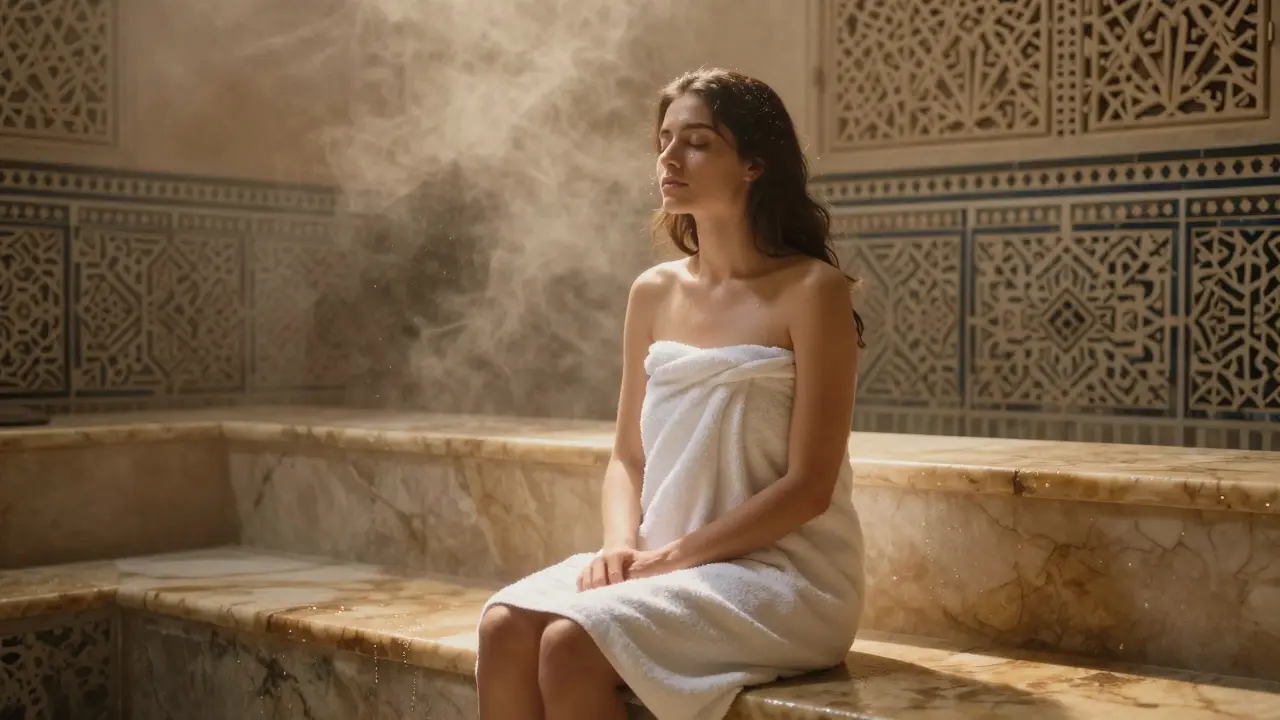
There’s no nudity required-you wear the peshtemal. The therapist works around it. No one is watching. It’s all about comfort.
Customization Options
Most places let you choose your scrub intensity-gentle, medium, or deep. You can also add aromatherapy oils, honey masks, or even a scalp massage. Some spas offer couples’ packages where you and a partner can go through the ritual together in a private suite. If you’re pregnant, ask for a gentler scrub and skip the hot room. Always speak up. The staff are trained to adapt.
Communication and Preparation
Don’t show up right after eating. Wait at least two hours. Hydrate well before and after. Bring a swimsuit if you prefer extra coverage (some people do). And if you’re nervous? Tell the attendant. They’ve seen first-timers before. A simple “This is my first time” goes a long way.
How to Practice or Apply Turkish Baths
Setting Up for Success
If you’re doing this at home (yes, some people do!), you can mimic the experience with a hot shower, a loofah, and a warm towel afterward. But nothing beats the full spa setup. The key is to treat it like a ritual-not a chore. Turn off your phone. Bring a book if you like to read while resting. Let yourself slow down.
Choosing the Right Tools/Resources
In Dubai, top-rated hammams include Spa at the Address, Moroccan Bath Dubai, and The Hammam at Al Faya. Look for places that mention “authentic Ottoman-style” or “traditional scrub.” Avoid spots that push aggressive sales or upsell too hard. Real hammams focus on the experience, not the add-ons.
Step-by-Step Guide
- Book a session in advance-weekends fill fast.
- Arrive 15 minutes early to check in.
- Drink water before you go.
- Wear a swimsuit or ask for a double-layered peshtemal.
- Follow the attendant’s lead-they’ll guide you through each room.
- Rest after. Don’t rush out.
Tips for Beginners or Couples
First-timers often worry about the scrub. It feels rough at first, but it’s like sandpaper on your skin-not painful. If it hurts, say so. Couples can request private rooms with shared time. Some spas even offer side-by-side scrubs. It’s surprisingly intimate without being awkward. Just relax. The vibe is calm, not romantic.
Safety and Ethical Considerations
Choosing Qualified Practitioners/Resources
Look for spas with trained attendants, not just masseuses. Many places display certifications from the Turkish Hammam Association or Dubai’s Department of Tourism. Don’t be afraid to ask: “Is your staff trained in traditional hammam techniques?” If they hesitate, move on.
Safety Practices
Here’s how to stay safe:
| Practice | Purpose | Example |
|---|---|---|
| Hydrate before and after | Prevent dizziness | Drink 2 glasses of water |
| Don’t stay too long in heat | Avoid overheating | Max 20 minutes in hot room |
| Use clean linens | Prevent infection | Ask if towels are washed after each use |
Setting Boundaries
You have the right to say no. If you’re uncomfortable with a certain touch, ask for lighter pressure. If you don’t want to be scrubbed, you can skip it. Most places let you opt out of any step. Your comfort matters more than tradition.
Contraindications or Risks
Avoid hammams if you have: heart conditions, recent surgery, open wounds, or severe low blood pressure. Pregnant women should skip the hottest rooms. If you’re on blood thinners, ask your doctor first. Always disclose health issues to the spa staff-they’re there to help, not judge.
Enhancing Your Experience with Turkish Baths
Adding Complementary Practices
Pair your hammam with light yoga, meditation, or a quiet walk afterward. Some people like to journal during their cool-down. Avoid alcohol or heavy meals right after. The goal is to keep the calm.
Collaborative or Solo Engagement
It works both ways. Solo sessions are perfect for self-care. Couples’ sessions deepen connection without pressure. Families sometimes book private rooms for kids-many spas have child-friendly scrub options. The hammam isn’t just for singles or couples-it’s for anyone who wants to feel renewed.
Using Tools or Props
Bring your own organic soap or essential oils if you have sensitive skin. Some spas sell them, but you can bring your own. A cotton robe is useful for the walk back to your room. Don’t overpack-just the essentials.
Regular Engagement for Benefits
Once a month is ideal. Too often, and your skin can get irritated. Too rarely, and you won’t feel the cumulative effect. Think of it like a tune-up for your body. You wouldn’t skip oil changes forever-same idea.
Finding Resources or Experts for Turkish Baths
Researching Qualified Experts/Resources
Check Google reviews with photos. Look for mentions of “authentic,” “gentle,” or “professional.” Avoid places with only 5-star reviews and no detail-they’re often fake. Ask friends who’ve been. Word of mouth still works.
Online Guides and Communities
Follow Instagram accounts like @dubaibathlife or @hammamjourney for real photos and tips. Reddit’s r/Spa community has honest threads about Dubai hammams. Don’t trust blogs that just list “top 10”-look for ones that explain the why.
Legal or Cultural Considerations
Dubai respects religious and cultural norms. Public mixed-gender bathing is not allowed in traditional settings. But private, reservation-based sessions are perfectly legal. As long as you’re not breaking local laws, you’re fine. Always check the spa’s policy before booking.
Resources for Continued Learning
Books like The Art of the Hammam by Fatma Çelik (2023) offer deep cultural context. YouTube channels like “Ottoman Wellness” show real sessions. Local wellness centers in Dubai often host free introductory workshops-ask around.
FAQ: Common Questions About Turkish Baths
Are Turkish baths coed in Dubai?
In Dubai, most traditional hammams are single-gender, especially in cultural or religiously conservative settings. However, many modern spas offer coed hours during midday (11 AM-3 PM) or private rooms for couples and families. Always check the spa’s policy before booking. If you’re unsure, request a private session-it’s the safest and most comfortable option.
What happens during a Turkish bath session?
You start in a warm steam room to open your pores. Then, a trained attendant scrubs your skin with a kese glove to remove dead cells. After a warm rinse, you rest in a cool area while sipping mint tea. The whole experience lasts about an hour. There’s no nudity-you wear a peshtemal. The focus is on relaxation and renewal, not performance or exposure.
How is a Turkish bath different from a Moroccan bath?
Both use steam and scrubbing, but Moroccan baths rely on black soap and rhassoul clay, which are more hydrating and gentle. Turkish baths use a more intense scrub and focus on full-body detox. Moroccan baths are often more moisturizing and suited for dry skin, while Turkish baths are ideal for deep cleansing. In Dubai, many spas blend both styles-so ask what’s included in your session.
Is a Turkish bath suitable for beginners?
Absolutely. Most spas cater to first-timers. Staff will explain each step, adjust scrub pressure, and guide you through the rooms. Many offer a “gentle” option for sensitive skin. Don’t be nervous-everyone was new once. The key is to communicate: say “slower” or “lighter” if needed. You’re not expected to know the rules.
Can I go with my partner or family?
Yes, but only in private rooms. Public areas are usually gender-separated. Many spas in Dubai offer couples’ packages where you and your partner can enjoy the full ritual together in a secluded suite. Families can book private sessions too-some places even have child-sized scrubs and kid-friendly tea options. It’s a great way to bond.
Conclusion: Why Turkish Baths Are Worth Exploring
A Path to Renewal
Turkish baths aren’t just about cleanliness. They’re a ritual of slowing down, reconnecting with your body, and stepping away from the noise. In a city like Dubai, where life moves fast, that’s not a luxury-it’s a necessity.
Try It Mindfully
Book a session. Don’t overthink it. Ask questions. Listen to your body. You might walk in tired and walk out like you’ve been on vacation for a week.
Share Your Journey
Tried a Turkish bath in Dubai? Share your experience in the comments! Follow this blog for more tips on wellness in the UAE.
Some links may be affiliate links, but all recommendations are based on research and quality.
Word count: 1,728
Suggested Images
- A serene, tiled Turkish bath room with soft lighting and steam rising
- A person wrapped in a peshtemal, sipping mint tea in a cool relaxation area
- A therapist gently scrubbing a client’s back with a kese glove
- A couple in a private hammam suite, side by side, relaxed and smiling
- A close-up of black soap and rhassoul clay used in Moroccan-style baths
Suggested Tables
- Comparison of Hammam, Moroccan Bath, and Sauna
- Key Benefits of Turkish Baths
- Hammam Safety Tips