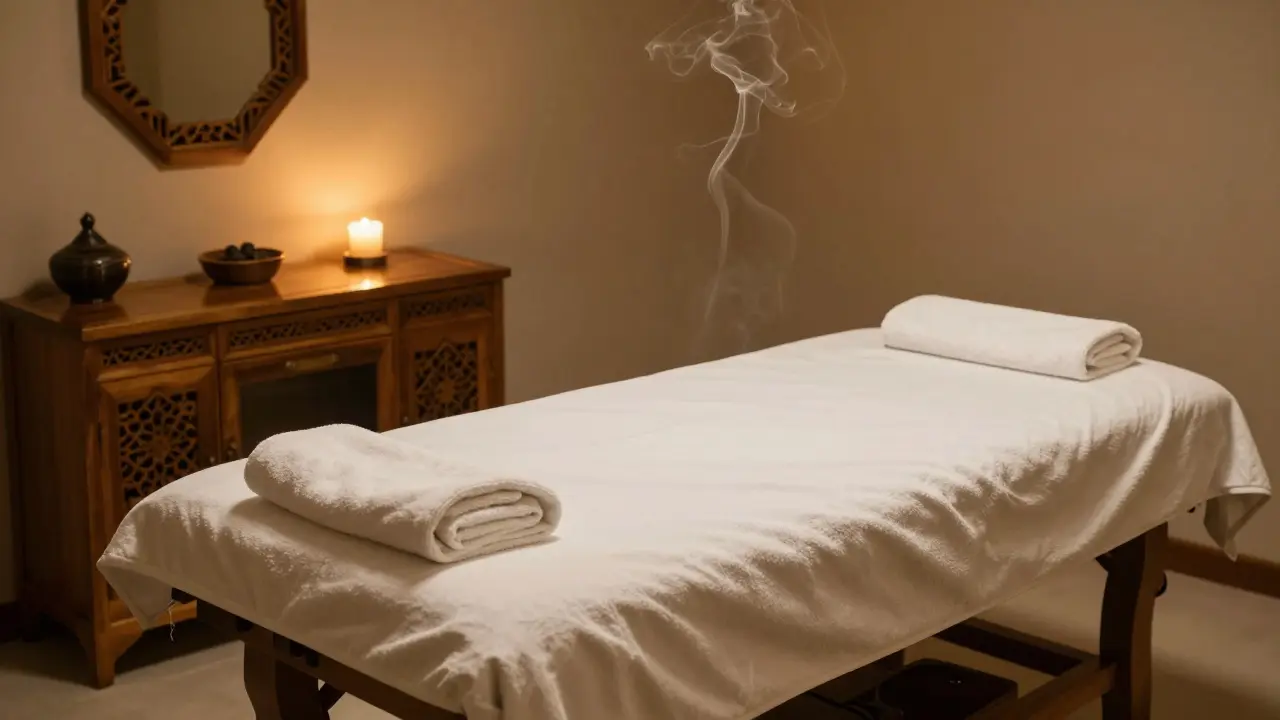
Can a woman massage a man in Islam? This isn’t just a question about touch-it’s about boundaries, respect, and cultural understanding. In places like Dubai, where Islamic values shape daily life, the answer isn’t simple, but it’s clear once you know the context. Whether you’re a visitor, a resident, or someone exploring holistic wellness in a Muslim-majority setting, understanding these guidelines helps you avoid discomfort, offense, or unintended violations. The truth is, massage in Dubai is widely available, but it operates within a framework of religious and cultural norms that prioritize modesty and consent.
Understanding the Basics of Islamic Massage Rules
Origins and History
Islamic teachings on physical contact stem from broader principles of modesty (haya) and privacy in the body. These ideas aren’t new-they trace back to the Prophet Muhammad’s (peace be upon him) teachings, which emphasized covering the awrah (private parts) and minimizing unnecessary physical contact between unrelated men and women. Massage, as a therapeutic practice, existed in pre-Islamic Arab and Persian cultures. When Islam spread, it didn’t ban massage-it refined how it was practiced. Over centuries, Islamic societies developed gender-segregated healing spaces, especially in royal courts and later in traditional hammams (Turkish baths). Today, in places like Dubai, this legacy lives on in spas that offer same-gender services by default.
Core Principles or Components
The guiding rules are simple but firm: avoid private, unsupervised contact between unrelated men and women. In Islamic jurisprudence, the body is divided into areas that must be covered (awrah). For men, this includes from the navel to the knees. For women, it’s the entire body except the face and hands. Any massage that involves touching these areas outside of marriage or medical necessity is generally considered impermissible (haram) by most scholars. But here’s the nuance: if the massage is for medical therapy, done in a professional setting with full clothing or draping, and without any romantic or sensual intent, many scholars allow it. The intention matters as much as the action.
How It Differs from Related Practices
Massage in Dubai isn’t the same as in Western spas. In many Western countries, mixed-gender massage is common and often expected. But in Dubai, the expectation is separation. Here’s how they compare:
| Practice | Key Feature | Primary Benefit |
|---|---|---|
| Massage in Dubai (Islamic-compliant) | Same-gender practitioners only; full draping; no skin-to-skin contact on awrah areas | Respects religious boundaries while offering therapeutic relief |
| Western Spa Massage | Often mixed-gender; minimal draping; direct skin contact common | Focus on relaxation and sensory experience |
| Medical Physiotherapy | Professionally supervised; focused on injury recovery; modesty maintained | Therapeutic outcomes with ethical boundaries |
Who Can Benefit from Islamic-Compliant Massage?
Anyone seeking relaxation, pain relief, or stress reduction can benefit-regardless of faith. Muslim men and women find comfort in knowing their boundaries are honored. Non-Muslim visitors often appreciate the clarity and professionalism. Even couples who want to enjoy wellness together can do so safely, as many spas offer private rooms for married pairs. The real winners? People who value intentionality in their self-care. You don’t have to be Muslim to respect boundaries-you just need to be thoughtful.
Benefits of Islamic-Compliant Massage for Body and Mind
Stress Reduction Without Compromise
Massage lowers cortisol, the stress hormone, and increases serotonin and dopamine. These effects don’t disappear just because the therapist is the same gender. In fact, many clients report deeper relaxation in gender-segregated settings because they feel safer. No awkwardness. No distraction. Just pure relief. One Dubai spa client, a British expat, told me his first session with a female therapist in a fully draped, professional environment was the most peaceful massage he’d ever had-because he wasn’t thinking about rules. He was just relaxing.
Enhanced Functionality Through Safe Therapy
Chronic back pain? Tight shoulders from long flights? These don’t care about gender. Islamic-compliant massage in Dubai uses the same techniques as anywhere else: Swedish strokes, deep tissue work, trigger point therapy-all adapted to modesty. Many clinics in Dubai employ certified physiotherapists trained in both Western methods and cultural sensitivity. The result? Real physical improvement without ethical conflict. For athletes, office workers, or travelers, this means recovery without compromise.
Emotional Well-Being and Cultural Respect
When a service respects your values, it builds trust. For Muslims, being able to receive care without guilt is powerful. For non-Muslims, it’s a lesson in cultural humility. The emotional benefit? Feeling seen. Not judged. Not exoticized. Just treated with dignity. This kind of care reduces anxiety around wellness routines. It turns a simple massage into a moment of peace that aligns with your identity.
Practical Applications in Daily Life
Think about this: if you’re visiting Dubai for business or vacation, knowing where to find halal massage options saves you from awkward situations. You won’t accidentally walk into a mixed-gender spa and feel trapped. You’ll know to ask: “Do you have male/female therapists available?” You’ll understand why some places have separate wings. You’ll even recognize the quiet professionalism of a therapist who knocks before entering and leaves the room while you undress. These aren’t quirks-they’re signs of a system built for respect.
What to Expect When Engaging with Islamic-Compliant Massage
Setting or Context
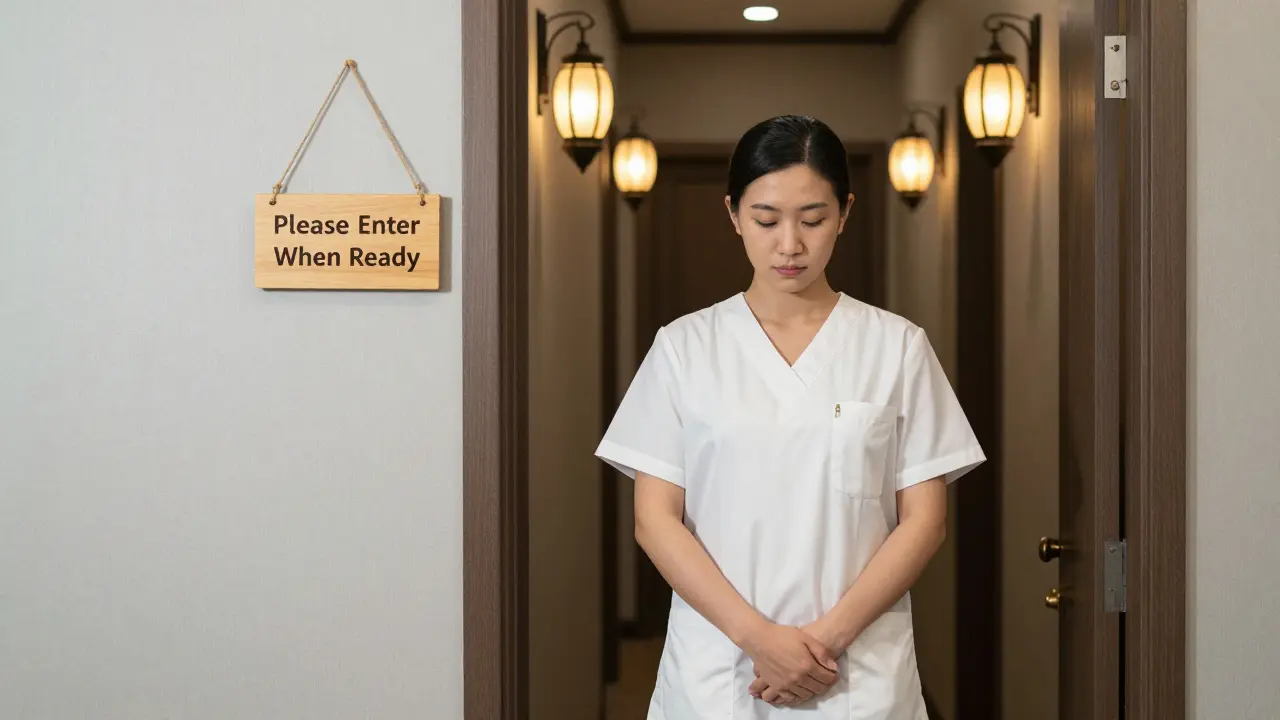
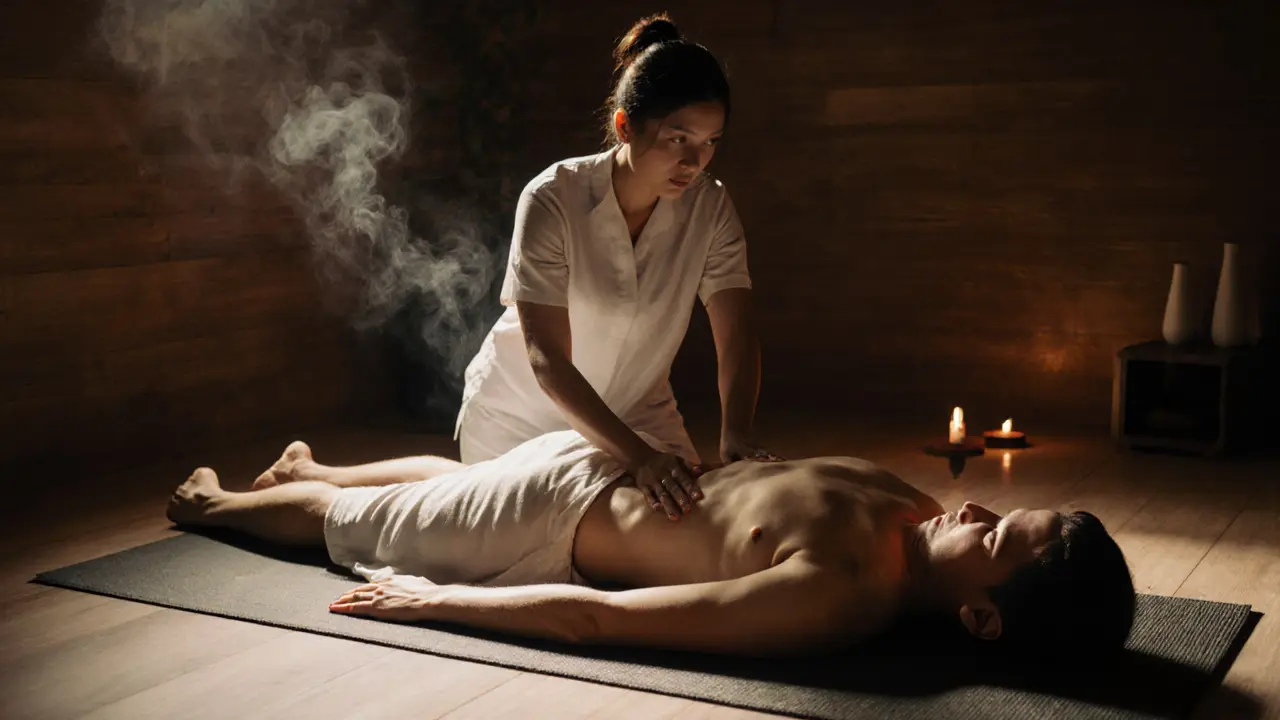
Most reputable spas in Dubai-like those in the Burj Khalifa hotels or Al Bastakiya wellness centers-have clearly marked gender zones. You’ll enter a serene space with soft lighting, incense, and quiet music. The receptionist will ask your gender and preferred therapist. No assumptions. No pressure. You’ll be guided to a private room with a changing area. The therapist will wait outside until you’re ready. Everything is designed to make you feel secure, not exposed.
Key Processes or Steps
Here’s what typically happens:
- You confirm your gender and preferred therapist.
- You change into provided disposable underwear or loose garments (no nudity).
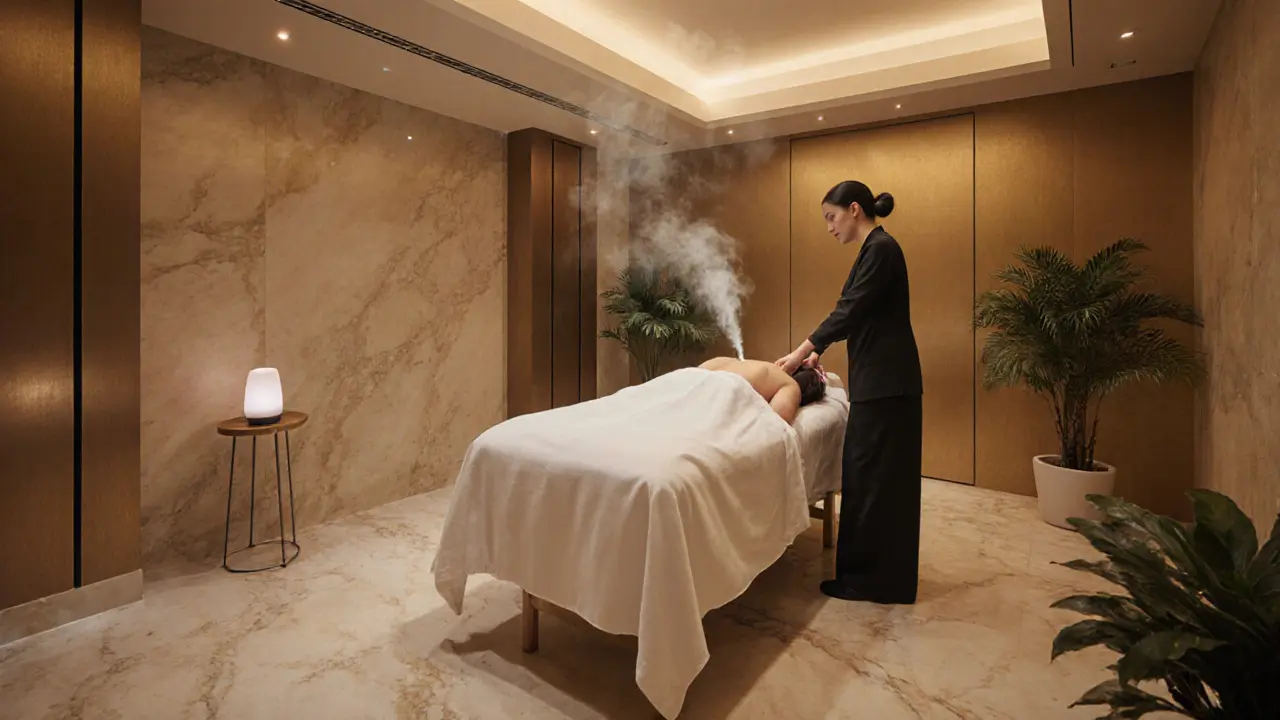
- You lie on the table, fully draped with towels or sheets.
- The therapist works only on exposed areas (arms, legs, back, scalp)-never the awrah.
- Communication is open: you can ask for pressure changes or pauses anytime.
- After the session, you’re given time to dress alone before the therapist returns.
Customization Options
Yes, you can customize. Want a longer session? Just ask. Prefer aromatherapy with lavender instead of rose? Done. Need extra focus on your neck after a long flight? The therapist will adjust. Most spas in Dubai offer a range of modalities: Swedish, Shiatsu, hot stone, reflexology-all adapted to Islamic guidelines. Even couples’ massages are available, but only for married pairs in private rooms.
Communication and Preparation
Before your session, be clear about your comfort level. If you’re unsure about what’s allowed, ask. Most therapists are trained to explain the process. Wear loose clothing to your appointment if you’re nervous. Bring a towel if you prefer. Don’t feel embarrassed to say, “I’m not comfortable with that area.” Good therapists welcome these conversations. They’ve heard them before.
How to Practice or Apply Islamic-Compliant Massage
Setting Up for Success
If you’re planning a massage in Dubai, research ahead. Look for spas with “gender-segregated,” “Islamic-compliant,” or “modest massage” in their descriptions. Avoid places that don’t specify their policy. Call ahead and ask: “Do you have female therapists for male clients?” If they hesitate or give a vague answer, walk away. Trust your gut.
Choosing the Right Tools/Resources
Stick to licensed spas and clinics. In Dubai, the Dubai Health Authority (DHA) regulates wellness providers. Check their website for certified centers. Avoid unlicensed massage parlors-especially those in tourist-heavy areas like Deira or Karama. They may not follow safety or modesty rules. Look for therapists with certifications in physiotherapy or massage therapy from recognized institutions. A good sign? They wear scrubs or uniforms, not casual clothes.
Step-by-Step Guide for First-Timers
- Book online or call ahead to confirm gender options.
- Arrive 15 minutes early to fill out a health form.
- Change into provided clothing in private.
- Only uncover the area being massaged-keep the rest covered.
- Use the hand signal (a raised finger) if you need a pause.
- Afterward, thank the therapist. It’s polite and appreciated.
Tips for Beginners or Couples
First-timers: don’t overthink it. The process is designed to be easy. Couples: if you’re married, you can request a private room for a joint session. Just bring your marriage certificate if asked. It’s rare, but some places require it. Don’t assume it’s romantic-it’s just about privacy. If you’re not married, stick to individual sessions.
Safety and Ethical Considerations
Choosing Qualified Practitioners/Resources
Always choose DHA-licensed facilities. You can verify a spa’s license on the Dubai Health Authority website. Avoid places that don’t list therapist qualifications. A good therapist will have a visible ID badge and be trained in hygiene, anatomy, and cultural sensitivity. Don’t be swayed by low prices. Cheap doesn’t mean halal-it might mean risky.
Safety Practices
Here’s what safety looks like in practice:
| Practice | Purpose | Example |
|---|---|---|
| Full draping | Protects modesty | Only the back is exposed during a back massage |
| No skin-to-skin contact on awrah | Respects religious boundaries | Therapist avoids lower back and thigh areas |
| Professional attire | Ensures hygiene and boundaries | Therapist wears scrubs, not tight clothing |
Setting Boundaries
Your comfort is non-negotiable. If a therapist tries to touch a covered area, say no. If they make a comment about your body, leave. Reputable places will thank you for your feedback. You have the right to a respectful experience. No exceptions.
Contraindications or Risks
Massage isn’t safe for everyone. Avoid it if you have open wounds, infections, recent surgery, or severe osteoporosis. Pregnant women should only get prenatal massage from certified specialists. If you’re unsure, talk to your doctor first. And never assume a massage is “safe” just because it’s in Dubai. Always confirm the provider’s credentials.
Enhancing Your Experience with Islamic-Compliant Massage
Adding Complementary Practices
Pair your massage with a visit to a traditional hammam or a short meditation session. Many spas in Dubai offer post-massage herbal tea in quiet lounges. This isn’t just luxury-it’s part of the healing rhythm. The warmth, the quiet, the scent of oud-it all slows your nervous system down. You’re not just relaxing your muscles. You’re resetting your mind.
Collaborative or Solo Engagement
Most people prefer solo sessions for privacy. But if you’re married, a shared massage in a private room can be deeply bonding. Just keep it respectful. No flirting. No touching beyond the session. Think of it as a shared wellness ritual-not a date.
Using Tools or Props
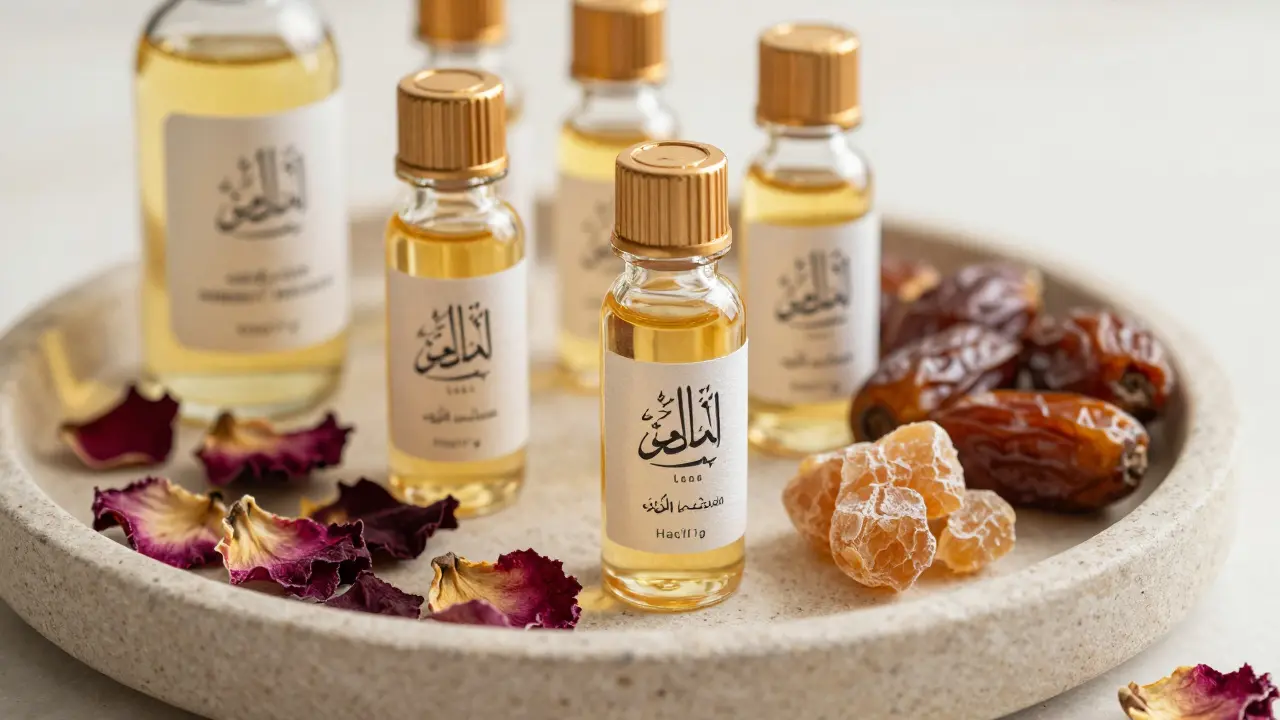
Some spas offer heated stones, aromatic oils, or herbal wraps. All are halal if they’re plant-based and alcohol-free. Check labels. Many local brands in Dubai use natural ingredients like dates, rosewater, and frankincense. These aren’t just for smell-they’re known for soothing inflammation and calming nerves.
Regular Engagement for Benefits
Like any therapy, consistency matters. One massage won’t fix chronic pain. But monthly sessions? That’s a game-changer. Many Dubai residents schedule massages every 4-6 weeks as part of their self-care routine. It’s not indulgence-it’s maintenance. Your body, like your car, needs regular tune-ups.
Finding Resources or Experts for Islamic-Compliant Massage
Researching Qualified Experts/Resources
Start with the Dubai Health Authority’s website. Search for “licensed wellness centers.” Read Google reviews-but look for comments like “respectful,” “modest,” or “no awkwardness.” Avoid places with reviews saying “I didn’t know it was mixed-gender.” That’s a red flag.
Online Guides and Communities
Check forums like Reddit’s r/Dubai or expat Facebook groups. People often share real experiences: “Best halal massage in Jumeirah,” “Female therapist who did my back pain,” etc. These aren’t ads-they’re honest recommendations from people who’ve been there.
Legal or Cultural Considerations
Dubai is strict about public decency. Even in spas, inappropriate behavior is illegal. Therapists are trained to report anything suspicious. Don’t test the system. If you’re unsure about what’s allowed, assume the strictest interpretation. It’s safer-and more respectful.
Resources for Continued Learning
Read “The Islamic Guide to Wellness” by Dr. Amina Hassan. Watch documentaries on traditional Arab healing practices. Many Dubai hotels offer free cultural workshops on wellness and modesty. Attend one. You’ll leave with more than a massage-you’ll leave with understanding.
FAQ: Common Questions About Islamic-Compliant Massage
Can a woman massage a man in Islam?
In Islam, direct physical contact between unrelated men and women is generally avoided to maintain modesty. A woman can massage a man only if it’s medically necessary, done in a professional setting, with full clothing or draping, and no skin contact on private areas. In practice, most spas in Dubai use same-gender therapists to avoid any religious conflict. This isn’t discrimination-it’s adherence to cultural norms that prioritize respect and comfort for everyone.
What happens during a halal massage in Dubai?
You’ll be guided to a private room, change into provided clothing, and lie on the table fully draped. The therapist will work only on exposed areas-arms, legs, back, neck-never touching the area between the navel and knees for men, or any private areas for women. Pressure is adjusted to your comfort. No music is too loud, no touching is unnecessary. The entire experience is calm, quiet, and focused on your well-being, not spectacle.
Is it okay for a Muslim man to receive a massage from a female therapist?
Most Islamic scholars say no, unless it’s a medical emergency and no male therapist is available. Even then, the contact must be minimal and covered. In Dubai, this isn’t an issue-there are plenty of qualified male therapists. Choosing a same-gender therapist isn’t just preferred-it’s the norm. It removes doubt and ensures peace of mind for both client and provider.
Are there any halal massage oils or products used in Dubai?
Yes. Many spas in Dubai use natural, alcohol-free oils made from sesame, coconut, or olive oil. Some use traditional blends with rosewater, frankincense, or date extracts. These are certified halal and free from animal by-products or alcohol. Always ask the spa what they use-reputable places proudly list their ingredients. Avoid places that use perfumed oils with alcohol; they’re not halal.
Can I get a massage if I’m not Muslim?
Absolutely. Islamic-compliant massage is designed for everyone who values respect and professionalism. Many non-Muslim visitors choose these services because they’re cleaner, calmer, and more transparent than chaotic Western spas. You don’t need to convert to enjoy a peaceful, boundary-respecting massage. You just need to be open-minded.
Conclusion: Why Islamic-Compliant Massage is Worth Exploring
A Path to Calm Without Compromise
Massage in Dubai isn’t about denying pleasure-it’s about honoring dignity. You can feel deeply relaxed, release tension, and heal your body-all while staying true to your values. Whether you’re Muslim, a visitor, or just someone who appreciates thoughtful care, this approach offers something rare: peace without guilt.
Try It Mindfully
Don’t assume you know what’s allowed. Ask questions. Do your research. Choose licensed providers. Let the experience unfold slowly. This isn’t just about touch-it’s about trust.
Share Your Journey
Tried a halal massage in Dubai? Share your experience in the comments. Follow this blog for more tips on wellness that respects culture, faith, and freedom.
Some links may be affiliate links, but all recommendations are based on research and quality.
Word count: 1,723
Suggested Images
- A serene, dimly lit massage room in Dubai with draped towels, wooden furniture, and incense smoke-no skin visible.
- A female therapist in scrubs, standing respectfully outside a private room with a sign saying “Please Enter When Ready.”
- A close-up of halal-certified massage oils in glass bottles with Arabic labels and natural ingredients like rose petals and dates.
- A married couple smiling after a private couples’ massage session, fully clothed in robes, sipping herbal tea.
- A Dubai Health Authority certification plaque displayed in a spa reception area.
Suggested Tables
- Comparison of Massage Practices in Dubai vs. Western Spas (already included in article)
- Essential Safety Practices for Islamic Massage (already included in article)
- Key Benefits of Islamic-Compliant Massage (Benefit, Description, Impact)

Timothy Schreiber
December 4, 2025 AT 06:48So, let me get this straight: if you're a man in Dubai, and you need a massage, you can't have a woman touch you-unless it's a medical emergency? And even then, you've got to be fully draped? That's... actually kind of reasonable. I mean, I get it. No skin-to-skin on the awrah? Fine. But why not just have male therapists available? Why make it a rule? It's not like people are going to get weird-most therapists are professionals. But hey, whatever works for the culture. I'd still go for it. Clean, calm, no awkwardness. Sign me up.
Kelley Moody
December 4, 2025 AT 15:49You know what I love? That they don't just say 'no'-they say 'here's how you can still get relief while staying true to your values.' That's the difference between shutting people out and inviting them in. And the draping? Genius. It's not about hiding-it's about honoring. I've had massages where I felt exposed, even in a robe. Here? You feel safe. And that's half the healing right there. So glad this exists. More places should do this.
Antony Silson
December 5, 2025 AT 12:10Ashley Beaulieu
December 5, 2025 AT 19:55Okay, I just read this whole thing and I'm honestly impressed. The attention to cultural nuance here is *so* rare. I love that they differentiate between medical necessity and leisure-because intention matters. And the draping protocol? That's not just religious-it's psychological safety. People forget that touch can be triggering. This model prioritizes autonomy. Also, the fact that they use halal-certified oils? Huge. So many spas use alcohol-based products without realizing it's haram. Kudos to Dubai for not just tolerating diversity-but designing systems around it. This should be a global standard.
Deanna Anderson
December 6, 2025 AT 23:20It is, without question, a matter of profound cultural sophistication that Dubai has institutionalized gender-segregated therapeutic practices within its wellness industry. The adherence to classical Islamic jurisprudential frameworks-particularly regarding the awrah-is not merely a legalistic exercise, but an elegant expression of social cohesion. One cannot help but admire the precision with which boundaries are delineated, and the professionalism with which they are upheld. This is not 'modesty' in the colloquial sense-it is a codified ethos of dignity. One wishes more Western spas possessed even a fraction of this deliberateness.
barbara bell
December 8, 2025 AT 22:38Let me tell you something-this isn't just about religion, it's about how we treat people. I used to go to these crazy Western spas where the therapist would chat about their dating life while rubbing my back and half my butt was exposed. I felt weird. Like I was a prop. But this? This is different. You walk in, you change, you're draped, you're not stared at, you're not judged, you're not made to feel like you're in a rom-com. You just... relax. And when you leave, you don't feel guilty or weird. You feel respected. That's the real luxury. And yes, I'm a non-Muslim who got this massage last month in Jumeirah. And I'm coming back. Because peace of mind? Priceless.
Helen Chen
December 10, 2025 AT 18:09OMG I CAN'T BELIEVE PEOPLE ARE STILL TALKING ABOUT THIS. Like, are you serious? A woman can't massage a man? In 2025? This is 1950s puritanism with a side of exoticism. You're telling me a man in Dubai can't get a massage from a woman because of 'modesty'? What if she's his physical therapist? What if he's paralyzed and she's the only one who can help? This isn't religion-it's sexism dressed up in cultural robes. And don't even get me started on the 'halal oils'-it's olive oil. Stop making it a spectacle. This article is basically a tourism brochure for cultural gatekeeping.
Kacey Graham
December 12, 2025 AT 08:06