Can Bacteria Grow in Sugar Scrub? The Real Risk Behind Your Favorite Body Polish
Yes, bacteria can grow in sugar scrub-and if you’re using one that’s been sitting on your shower shelf for months, you might be slathering your skin with more than just exfoliation. Sugar scrubs are popular for their natural ingredients, sweet scent, and silky feel. But beneath that sugary surface lies a hidden problem: moisture, organic matter, and warm bathroom environments create the perfect breeding ground for microbes. This isn’t just a myth. It’s a real hygiene issue that can lead to skin irritation, breakouts, or worse.
Understanding the Basics of Sugar Scrubs
Origins and History
Sugar scrubs have been used for centuries across cultures-from ancient Egyptians using sugar and oils for skin renewal, to Indian Ayurvedic traditions that combined jaggery with herbal pastes. The modern version, popularized in the 2000s by boutique spas and DIY bloggers, blends granulated sugar with carrier oils like coconut or olive oil. It’s simple, affordable, and feels luxurious. But simplicity doesn’t mean safety. Unlike commercial products with preservatives, homemade scrubs often lack antimicrobial agents. That’s where trouble starts.
Core Principles or Components
A basic sugar scrub has three ingredients: sugar (exfoliant), oil (moisturizer), and sometimes essential oils or flavorings. Sugar dissolves slowly in water, making it gentler than salt scrubs. The oil helps bind everything and leaves skin soft. But here’s the catch: sugar is hygroscopic-it pulls water from the air. And water? That’s what bacteria and mold need to multiply. Even a tiny splash of shower water left in the jar can turn your scrub into a microbial buffet.
How It Differs from Related Practices
Compared to other body treatments, sugar scrubs sit in a risky middle ground. They’re not like soap (which rinses away), nor like commercial lotions (which contain preservatives). Here’s how they stack up:
| Product Type | Preservatives? | Water Exposure Risk | Shelf Life |
|---|---|---|---|
| Sugar Scrub (Homemade) | No | High | 2-4 weeks |
| Salt Scrub (Homemade) | No | High | 1-3 weeks |
| Commercial Body Scrub | Yes | Low (sealed packaging) | 6-12 months |
| Body Wash | Yes | Minimal (rinsed off) | 1-2 years |
Who Can Benefit from Sugar Scrubs?
Anyone with dry, rough skin can enjoy the smooth results of a sugar scrub. People with keratosis pilaris, calluses, or dull complexion often see visible improvement. But those with sensitive skin, open cuts, eczema, or acne-prone areas should be cautious. The real risk isn’t the scrub itself-it’s contamination. If you’re making scrubs at home, you’re not just crafting a treat; you’re managing a potential health hazard.
Benefits of Sugar Scrubs for Skin
Exfoliation and Cell Renewal
Sugar granules gently slough off dead skin cells, revealing smoother, brighter skin underneath. Unlike harsh physical scrubs with plastic beads, sugar dissolves as you rub, reducing micro-tears. This process boosts circulation and helps skincare products absorb better. Think of it like brushing your teeth-cleaning the surface lets everything underneath work more effectively.
Moisture Locking
The oils in sugar scrubs-whether coconut, almond, or jojoba-don’t just add slip. They form a protective layer that slows water loss from skin. After a scrub, your skin feels soft for hours. This is especially helpful in dry climates or during winter months when skin becomes flaky and tight.
Relaxation and Sensory Enjoyment
There’s something deeply calming about the smell of vanilla sugar scrub or the sound of granules crunching under your fingers. The ritual of scrubbing can be meditative. Many users describe it as a mini-spa moment that reduces stress. It’s not just skincare-it’s self-care.
Cost-Effective and Customizable
Homemade scrubs cost pennies compared to store-bought ones. You can tweak them for your skin type: add honey for antibacterial properties, lemon zest for brightness, or lavender oil for relaxation. But customization comes with responsibility. Every added ingredient-especially water-based ones like aloe vera or fresh fruit-increases spoilage risk.
What to Expect When Using a Sugar Scrub
Setting or Context
You’ll typically use a sugar scrub in the shower or bath. The warm, humid environment is ideal for your skin-but also ideal for bacteria. Avoid leaving the jar open on the sink. Don’t dip wet hands into it. Always use a clean, dry spoon or spatula to scoop it out. Treat it like you would treat a jar of peanut butter: no double-dipping.
Key Processes or Steps
Apply the scrub to damp skin, not soaking wet. Gently massage in circular motions for 1-2 minutes, focusing on elbows, knees, and feet. Rinse thoroughly with lukewarm water. Pat dry. Don’t scrub too hard-sugar is gentle, but overdoing it can cause redness or micro-abrasions.
Customization Options
Want to make your scrub last longer? Skip water-based additives. Stick to dry ingredients: sugar, oil, dried herbs, or essential oils. If you want a scent boost, use food-grade essential oils instead of fresh citrus peel. Citrus oils can oxidize and irritate skin, but they don’t invite mold like real fruit does.
Communication and Preparation
If you’re giving a scrub as a gift, label it clearly: "Use within 3 weeks. Keep dry. Refrigerate if possible." Include a small spatula. If you’re using it yourself, write the date on the jar when you make it. That way, you won’t be guessing whether it’s still safe.
How to Practice or Apply Sugar Scrubs Safely
Setting Up for Success
Store your scrub in an airtight glass jar-not plastic. Glass doesn’t absorb odors or oils. Keep it in a cool, dry place, like a cabinet, not the shower. If you live in a humid climate, refrigerate it. Cold slows microbial growth. You don’t need to freeze it, but a little chill can buy you extra time.
Choosing the Right Tools
Use a clean, dry spoon or a silicone spatula to scoop. Never use your fingers. If you must use your hands, wash and dry them thoroughly first. Consider buying small, single-use containers for travel or gifting. You can make a batch and portion it out-no need to keep a big jar open.
Step-by-Step Guide
- Choose dry, granulated white or brown sugar (avoid powdered sugar-it dissolves too fast).
- Use a stable oil: coconut, sweet almond, or jojoba. Avoid olive oil if you’re acne-prone-it can clog pores.
- Mix 1 part oil to 2 parts sugar. Add 5-10 drops of essential oil if desired.
- Transfer to a clean, dry, airtight jar.
- Label with the date and "Use within 3 weeks. Keep dry."
- Apply in the shower, rinse well, and pat dry.
- After use, wipe the jar rim clean and close tightly.
Tips for Beginners or Couples
Start with a small batch-just enough for 2-3 uses. Test on a patch of skin first, especially if you have sensitivities. If you’re using it with a partner, have separate jars. Sharing increases contamination risk. And if someone in your household has a skin infection, skip the scrub entirely until they’re healed.
Safety and Ethical Considerations
Choosing Qualified Resources
If you buy a sugar scrub, check the ingredient list. Look for preservatives like potassium sorbate, sodium benzoate, or phenoxyethanol. These are safe, effective, and widely used in cosmetics. Avoid products that say "all-natural" but don’t list preservatives-that’s a red flag. Reputable brands follow FDA and EU cosmetic guidelines.
Safety Practices
Here’s how to keep your scrub clean:
| Practice | Purpose | Example |
|---|---|---|
| Use a clean utensil | Prevents cross-contamination | Never dip wet fingers into the jar |
| Keep lid sealed | Blocks moisture and airborne microbes | Close tightly after each use |
| Refrigerate if unsure | Slows bacterial growth | Store in fridge for up to 6 weeks |
| Discard if it smells off | Prevents skin reactions | If it smells sour or yeasty, throw it out |
Setting Boundaries
If you’re giving a scrub as a gift, include usage instructions. If you’re using one at a spa, ask if it’s freshly made or stored. Some spas reuse jars-this is a major hygiene risk. Don’t be afraid to ask: "Is this scrub made fresh daily?"
Contraindications or Risks
Avoid sugar scrubs if you have:
- Open cuts, burns, or eczema flare-ups
- Severe acne or rosacea
- Known allergies to sugar, nuts, or essential oils
Also, don’t use scrubs on your face unless they’re specifically formulated for facial skin. Facial skin is thinner and more sensitive. A body scrub can cause micro-tears and inflammation there.
Enhancing Your Experience with Sugar Scrubs
Adding Complementary Practices
Follow your scrub with a moisturizing body oil or lotion. This seals in the softness. Pair it with a warm bath and calming music for a full sensory reset. Some people like to meditate while scrubbing-focusing on the texture and scent can turn routine care into mindfulness.
Collaborative or Solo Engagement
Sugar scrubs work great alone or with a partner. A shared scrub session can be intimate and relaxing. But always use separate containers. Even if you trust someone, microbes don’t care about your relationship.
Using Tools or Props
A loofah or washcloth can help distribute the scrub evenly, but clean them after every use. Bacteria love damp sponges. Replace loofahs every 2-4 weeks. Silicone scrubbers are easier to clean and last longer.
Regular Engagement for Benefits
Use a sugar scrub 1-2 times a week. More than that can strip natural oils and irritate skin. Consistency matters more than frequency. If you skip a week, don’t overdo it the next time. Gentle, regular care beats harsh, occasional scrubbing.
Finding Resources or Experts for Sugar Scrubs
Researching Qualified Resources
Look for brands that list preservatives and follow cosmetic safety standards. Check reviews for complaints about mold or rancidity. Avoid sellers who claim their products are "preservative-free" without explaining how they prevent spoilage-that’s often marketing, not science.
Online Guides and Communities
Reputable beauty blogs like The Beauty Brains or Dermatology Times offer science-backed advice. Reddit’s r/SelfCare has real-user experiences, but always cross-check claims. Look for posts where people mention dates, storage methods, and results.
Legal or Cultural Considerations
In the U.S. and EU, cosmetic products must meet safety standards. Homemade scrubs aren’t regulated, but selling them requires compliance with labeling and safety rules. If you’re giving them away, you’re not breaking any laws-but you still have a responsibility to keep them safe.
Resources for Continued Learning
Check out "The Soap Queen" blog for safe DIY recipes. The FDA’s website has guidelines on cosmetic safety. Books like "Making Natural Body Care Products" by Mandy Aftel offer tested, preservative-inclusive formulas.
FAQ: Common Questions About Sugar Scrubs
Can bacteria really grow in sugar scrub?
Yes, absolutely. Sugar scrubs contain water-attracting sugar and oils, which create a moist environment perfect for bacteria and mold, especially if exposed to shower water or dirty hands. Even if it looks fine, a sour smell or change in texture means it’s spoiled. Homemade scrubs without preservatives can grow harmful microbes within days. Always store them dry, sealed, and refrigerated if possible.
How long does a homemade sugar scrub last?
Without preservatives, a homemade sugar scrub lasts 2-4 weeks at room temperature, or up to 6 weeks if refrigerated. The moment water gets in-whether from wet hands or a steamy shower-it starts to degrade. If you notice cloudiness, separation, or a strange odor, toss it. Don’t risk your skin. Commercial scrubs last longer because they contain approved preservatives like phenoxyethanol or potassium sorbate.
Is it safe to use sugar scrub on the face?
Generally, no. Facial skin is thinner and more sensitive than body skin. Sugar granules can cause micro-tears, leading to irritation, redness, or breakouts. If you want to exfoliate your face, use a product specifically designed for facial use-often with finer particles like rice powder or enzymatic exfoliants. Never use a body scrub on your face unless the label says it’s safe for both.
What’s the best oil to use in a sugar scrub?
Coconut oil is popular because it’s solid at room temperature and has mild antimicrobial properties. Sweet almond oil is lightweight and good for sensitive skin. Jojoba oil mimics your skin’s natural sebum and is non-comedogenic. Avoid olive oil if you’re acne-prone-it can clog pores. Always use cold-pressed, unrefined oils for the best quality and skin benefits.
Should I refrigerate my sugar scrub?
If you’re making it at home and plan to use it over several weeks, yes-refrigeration is the safest choice. Cold temperatures slow down microbial growth significantly. It’s not required, but it’s the best way to extend shelf life without chemicals. Just let it warm up slightly before use so the oil softens. If you use it quickly (within a week), room temperature is fine as long as it’s kept dry and sealed.
Conclusion: Why Sugar Scrubs Are Worth Exploring-Safely
A Path to Smoother, Healthier Skin
Sugar scrubs offer real benefits: smoother skin, better circulation, and a moment of calm in a busy day. But they’re not magic. They’re a tool-and like any tool, they need care. When handled properly, they’re a wonderful part of self-care. When ignored, they become a hidden risk.
Try It Mindfully
Don’t let fear stop you from enjoying your scrub. Just be smart. Use clean tools, store it right, and listen to your skin. If something feels off, stop. Your skin will thank you.
Share Your Journey
Tried a sugar scrub recently? Share how you keep yours safe in the comments. Follow for more honest, science-backed beauty tips.
Some links may be affiliate links, but all recommendations are based on research and quality.
Word count: 1,682
Suggested Visuals
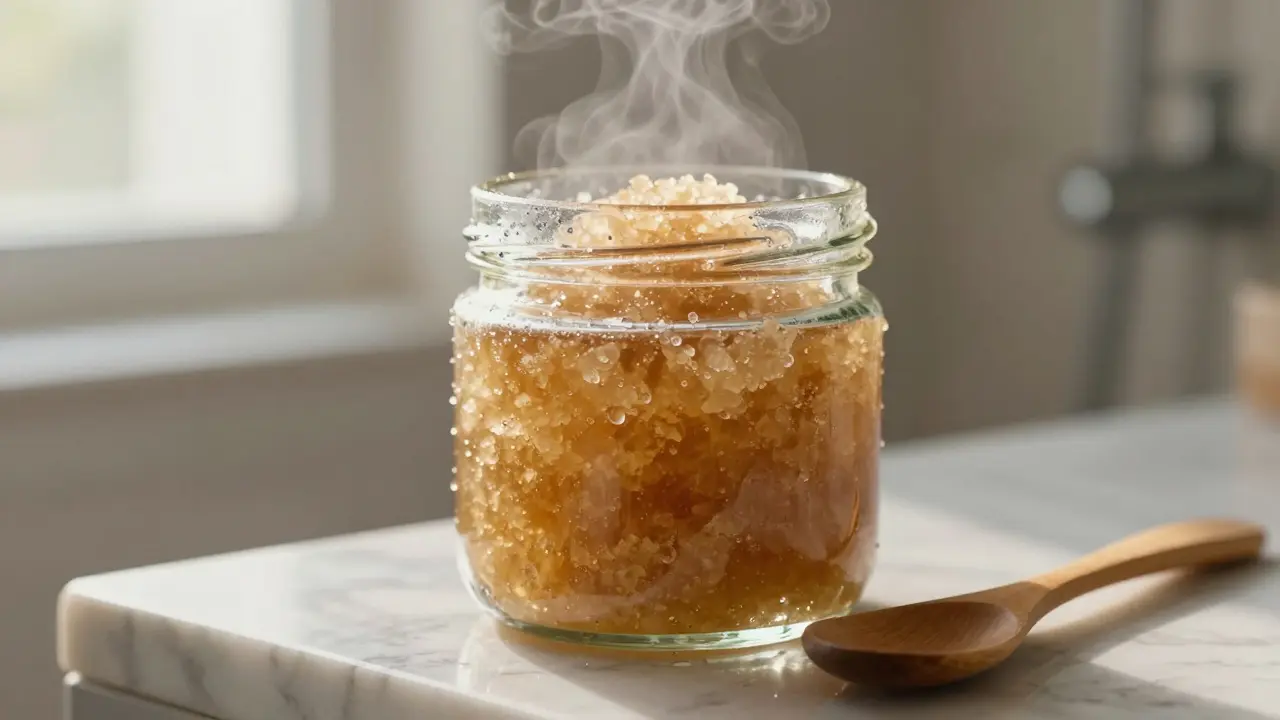
- A close-up of a glass jar filled with golden sugar scrub, a wooden spoon resting beside it, condensation on the lid
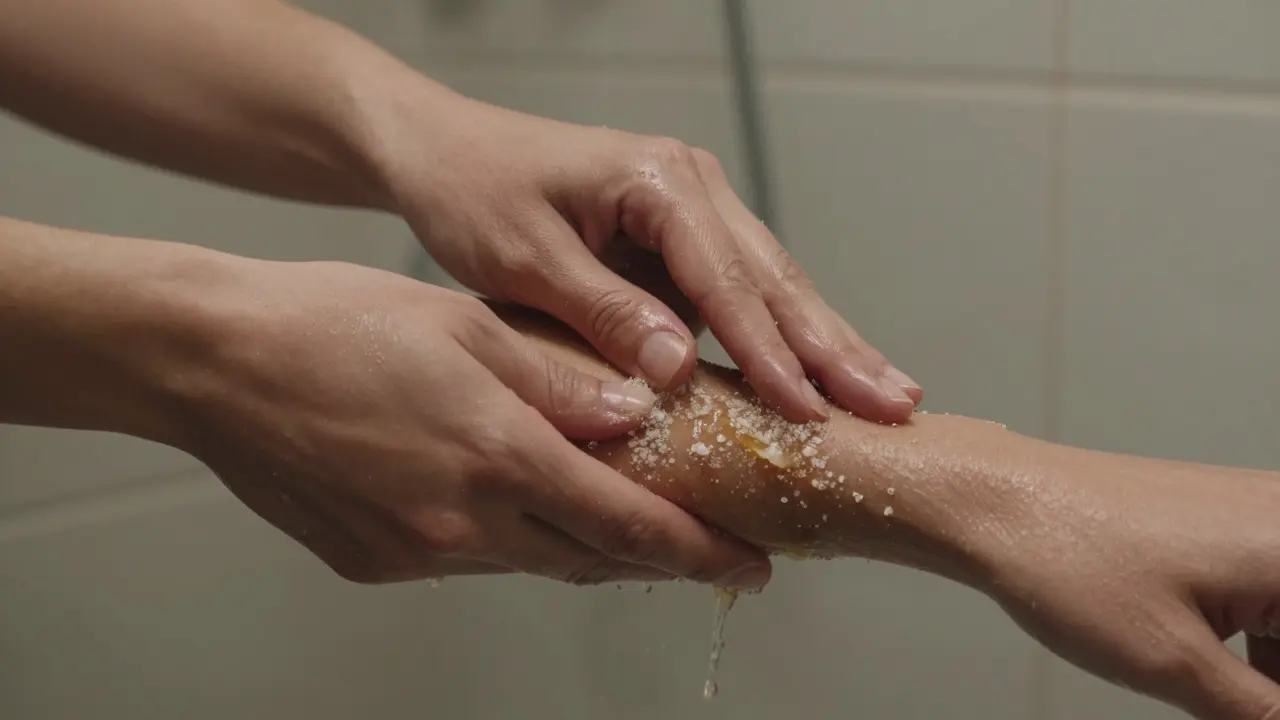
- Hands gently massaging sugar scrub onto a forearm, showing granules dissolving into skin
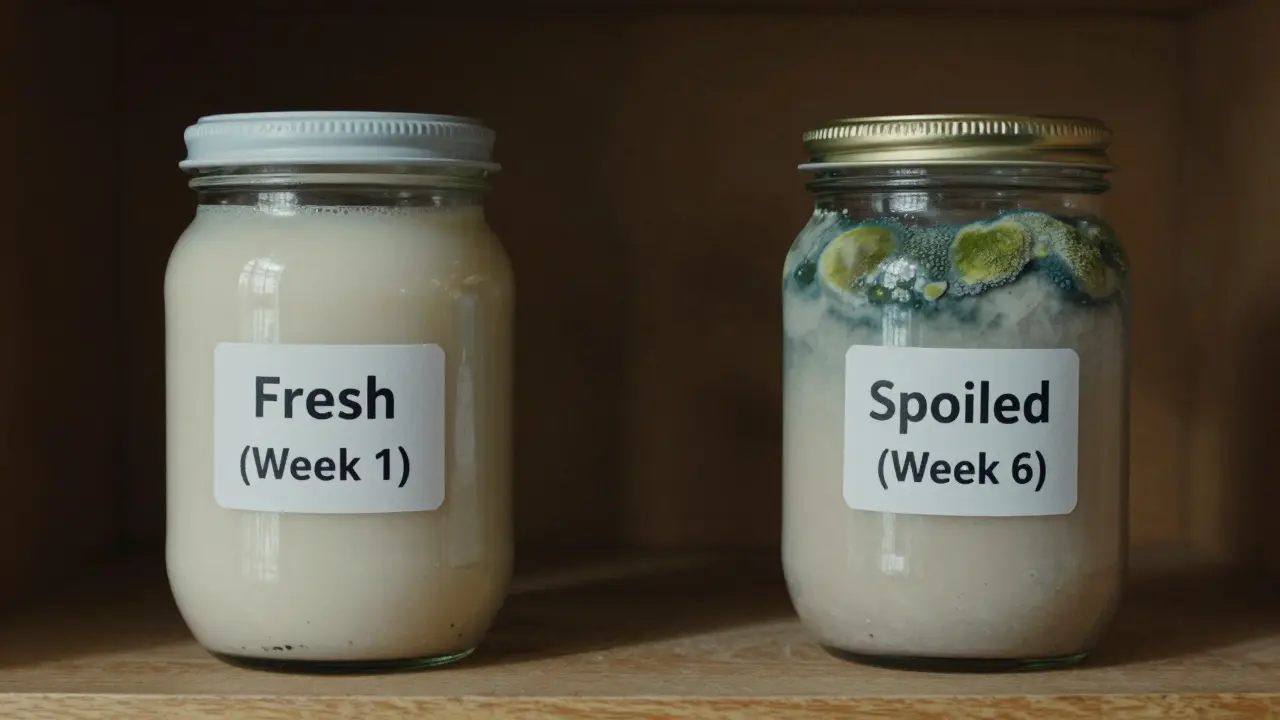
- Side-by-side comparison: one jar labeled "Fresh (Week 1)" and another "Spoiled (Week 6)" with visible mold spots
- A bathroom shelf with airtight jars, labeled with dates, stored away from the shower
- A person smiling after a scrub, wrapped in a towel, with a diffuser and candles in the background
Suggested Tables
- Comparison of Body Exfoliants (as shown in article)
- Sugar Scrub Safety Tips (as shown in article)
- Best Oils for Sugar Scrubs (Oil Type, Skin Type Fit, Shelf Life, Notes)

Hanna Holmberg
February 5, 2026 AT 00:14I’ve been making sugar scrubs for years-my grandma taught me how, using brown sugar and coconut oil. But I learned the hard way: never leave the lid off, never use wet hands, and always refrigerate after week two. Last winter, I had a jar that went sour-smelled like old yogurt-and I broke out in red, itchy patches on my elbows. Now I label every jar with the date, use a clean spoon, and toss anything older than 21 days. It’s not glamorous, but your skin will thank you. Also, if you’re gifting these? Include a tiny spatula. People forget. I’ve seen too many jars with fingerprints in them. Don’t be that person.
Shaun Chooi
February 5, 2026 AT 15:56Look, I get it-homemade stuff feels wholesome, right? But let’s not romanticize this. Sugar + water + warmth = bacteria buffet. Period. I don’t care if it’s ‘all-natural’ or ‘handcrafted by a yogi in Oregon.’ If it’s sitting in your shower next to your shampoo, it’s already a petri dish. I used to make them too-until I got a fungal infection that took three months to clear. Now I buy commercial ones with phenoxyethanol. Yeah, it’s a chemical. So what? It’s not growing mold in my armpits. Stop pretending ‘natural’ means ‘safe.’ It doesn’t. Science wins. Always.
Deepak Raj Aryan
February 7, 2026 AT 08:20Bro, in India we use jaggery scrubs since forever-no preservatives, no fancy jars. We make fresh every week, use it in the morning, and throw the rest. No fridge, no spoon, just clean hands and good vibes. But here’s the thing: we don’t leave it out. We make small batches. We use it fast. We don’t treat it like a shelf decoration. Your bathroom is humid, your hands are wet, your jar is open-of course it’s going bad. Don’t blame the sugar. Blame the laziness. Make it small. Use it quick. Live with it. Simple. No drama.
Santiago Castiello
February 8, 2026 AT 23:29Wow. A 1,682-word essay on how not to let bacteria grow in sugar. Truly groundbreaking. Next up: 'The Dangers of Leaving Your Toothbrush in the Cup.'
Also, 'preservatives' are just chemicals you're afraid of because you watched a YouTube video. You don't need a PhD to know that water + sugar = bad. This post is just a 20-minute Google search dressed up like a TED Talk.
Also, 'use a spatula'? Wow. I'm so relieved I didn't die from using my fingers. Truly, humanity is saved.
Mariam Mosallam
February 9, 2026 AT 01:15Someone actually wrote a whole article about this? And people are still making sugar scrubs? What year is this? You're using a jar of expired, sweaty sugar paste on your skin and calling it 'self-care'? Congrats, you're basically slathering your body in a biohazard and calling it a spa day. Next you'll be using expired yogurt as a face mask. At least the bacteria in your scrub are organic. That's something, I guess.