
Ever walked into a Steam roomA specialized room designed to generate steam for therapeutic and cleansing purposes, typically maintained at 110-120°F (43-49°C) with near 100% humidity. only to be met with an unpleasant smell? It's a common concern for spa-goers and facility managers alike. But can steam actually steam room odor removal effectively? The answer isn't as simple as yes or no-it depends on how steam works in conjunction with other factors. Let's break down the science and practical steps behind using steam to combat bad smells in steam rooms.
Understanding the Basics of Steam Rooms and Odor Control
Origins and History
Steam rooms have a rich history dating back thousands of years. Ancient Roman thermae used steam for bathing and cleansing, while Middle Eastern hammams became cultural hubs for socializing and hygiene. These early systems relied on natural heat sources to generate steam, proving that steam's cleansing properties have been trusted for centuries. Today's modern steam rooms build on this legacy, using advanced technology to maintain precise temperature and humidity levels.
Core Principles
Steam works by releasing hot water vapor into an enclosed space, raising the air temperature and humidity. This environment helps open pores and loosen dirt, sweat, and oils on the skin. The heat also breaks down organic compounds that cause odors. However, steam alone isn't a magic fix-it's most effective when combined with proper ventilation and regular cleaning. Think of it as a helper, not a standalone solution.
How It Differs from Related Practices
| Method | Key Feature | Primary Benefit |
|---|---|---|
| Steam Cleaning | Uses high-temperature steam to penetrate surfaces | Breaks down organic matter and kills bacteria without chemicals |
| Chemical Cleaning | Uses disinfectants and deodorizers | Quickly masks odors but may leave residue |
While chemical cleaners may temporarily mask smells, they often leave behind residues that can worsen odors over time. Steam, on the other hand, tackles the root cause by physically removing contaminants and killing odor-causing bacteria. This makes it a safer, more sustainable choice for regular maintenance.
Who Can Benefit from Steam Cleaning?
Spa owners and facility managers find steam cleaning invaluable for maintaining clean, odor-free environments. Regular users of steam rooms also benefit-when properly maintained, these spaces feel fresh and inviting. Even homeowners with home steam saunas can use steam cleaning to keep their personal spaces pleasant. It's a versatile solution for anyone dealing with organic odors in humid environments.
Benefits of Steam for Odor Control
Odor Neutralization
Steam effectively neutralizes odors caused by sweat and organic matter. The heat breaks down the proteins and fatty acids in sweat that bacteria feed on, which are the main sources of unpleasant smells. Unlike air fresheners that simply cover up odors, steam eliminates them at the source. For example, a well-maintained steam room in Dubai's luxury spas rarely has lingering smells because of this natural cleaning process.
Bacteria Reduction
High-temperature steam kills odor-causing bacteria and mold. Studies show that steam at temperatures above 100°C (212°F) can eliminate over 99% of common pathogens. This is crucial in shared spaces like steam rooms, where bacteria from multiple users can accumulate. By reducing bacterial growth, steam prevents the development of persistent odors and promotes a healthier environment.
Skin and Respiratory Benefits
While the primary focus is odor control, steam cleaning also supports skin and respiratory health. The moist heat opens pores, allowing sweat and impurities to be washed away more effectively. This reduces the chance of clogged pores and bacterial buildup that can lead to body odor. Additionally, steam helps keep respiratory passages clear, making the steam room experience more comfortable and refreshing for all users.
Practical Applications
In practice, steam cleaning is integrated into routine maintenance schedules for spas and gyms. Facilities in Dubai often use steam cleaning daily to keep surfaces fresh and odor-free. It's also used for deep cleaning between sessions, ensuring that each user enjoys a clean environment. This proactive approach prevents odors from building up, saving time and resources compared to reactive cleaning methods.
What to Expect When Using Steam for Odor Control
Setting or Context
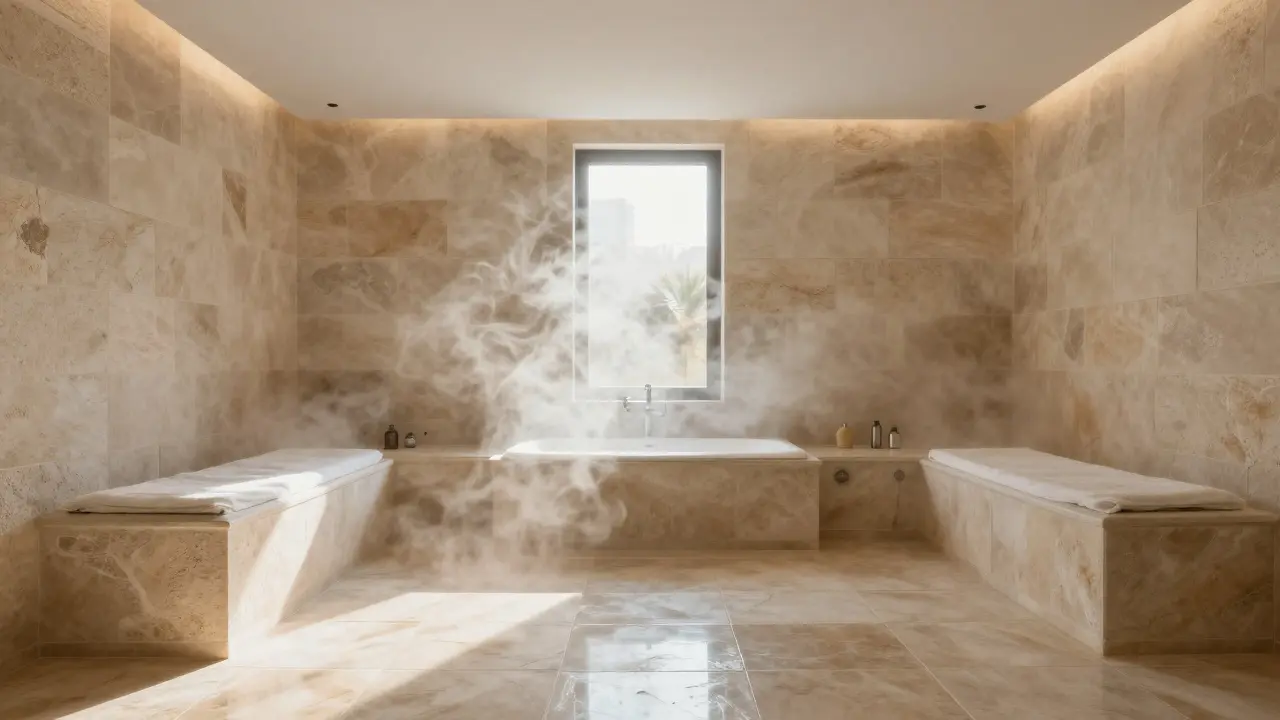
A properly maintained steam room has a consistent temperature of 110-120°F (43-49°C) and near 100% humidity. Adequate ventilation is crucial to prevent moisture buildup that can lead to mold. The room should have non-porous surfaces like stone or ceramic tiles that can withstand steam without retaining moisture. Regular checks of the steam generator and drainage system ensure optimal performance and odor control.
Key Processes
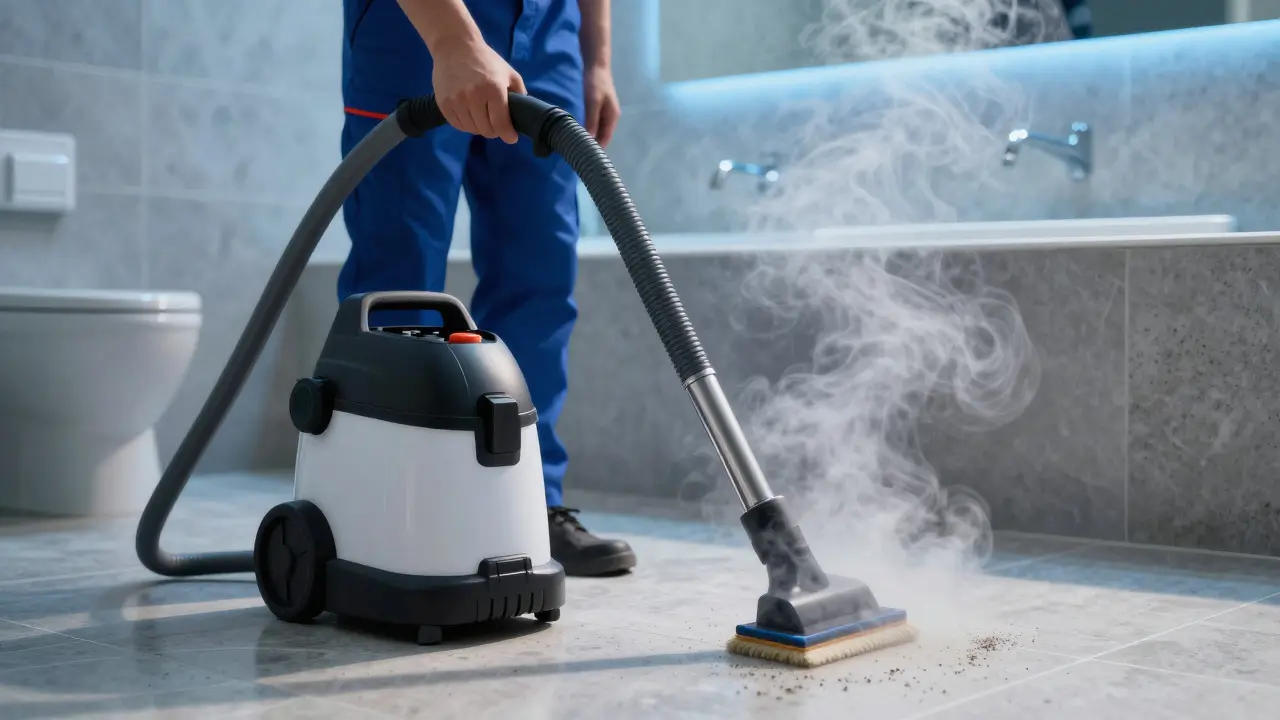
The steam cleaning process starts with generating steam from a dedicated generator, which circulates through the room. This steam saturates surfaces, loosening dirt and killing bacteria. After a 15-20 minute cycle, the steam is vented out, and surfaces are wiped dry. This cycle is repeated regularly to maintain freshness. In high-traffic spas, this process happens multiple times a day to keep odors at bay.
Customization Options
Steam cleaning can be tailored to specific needs. For light maintenance, a quick 10-minute cycle may suffice. For deeper cleaning, especially after heavy use or noticeable odors, longer cycles of 30 minutes or more are recommended. Some modern steam generators allow precise control of temperature and duration, making it easy to adjust based on the room's current condition and usage patterns.
Communication and Preparation
Clear communication between staff and users is key. If you notice a persistent smell in a steam room, inform the facility staff immediately. They can adjust the cleaning schedule or investigate underlying issues like drainage problems. For facility managers, training staff on steam cleaning protocols ensures consistent maintenance and quick response to odor concerns.
How to Maintain Steam Room Odor Control
Setting Up for Success
Start with a solid maintenance routine. Daily steam cleaning for high-traffic facilities prevents odors from taking hold. Ensure proper drainage to avoid standing water, which breeds bacteria. Use non-porous materials for walls and floors to minimize moisture retention. A well-designed steam room with these features will stay fresh with minimal effort.
Choosing the Right Tools
Invest in a reliable steam generator designed for commercial use. Look for models with adjustable temperature and duration settings. Pair this with a good ventilation system to expel excess moisture after cleaning. Regularly inspect and clean the generator to prevent mineral buildup, which can affect performance and lead to odors.
Step-by-Step Guide for Facility Managers
- Run the steam generator for 15-20 minutes at standard temperature.
- Allow steam to circulate, then vent the room for 10 minutes.
- Wipe down surfaces with a clean, dry towel to remove any residual moisture.
- Repeat daily for high-traffic areas, or weekly for home steam saunas.
This simple routine keeps the steam room clean and odor-free without harsh chemicals.
Tips for Users
As a user, you can help maintain a fresh steam room. Shower before entering to remove sweat and oils. Use a towel to sit on, and avoid leaving personal items inside. If you notice a smell, report it to staff promptly. These small actions make a big difference in keeping the space pleasant for everyone.
Safety and Ethical Considerations
Choosing Qualified Professionals
For commercial steam rooms, hire certified technicians for maintenance. In Dubai, the Dubai Health Authority (DHA) sets standards for spa facilities. Ensure your service provider is licensed and experienced in steam system maintenance. This guarantees safe and effective cleaning practices.
Safety Practices
Always follow safety protocols when using steam. Never enter a steam room while the generator is running-wait until it's vented. Check for proper electrical grounding to prevent shocks. Regularly inspect the steam generator for leaks or malfunctions. These steps protect both users and staff from potential hazards.
Setting Boundaries
Steam rooms aren't suitable for everyone. Individuals with heart conditions, respiratory issues, or pregnant women should consult a doctor before use. Facility staff should post clear warnings and monitor usage to ensure safety. Respecting these boundaries keeps everyone safe and comfortable.
Contraindications or Risks
While steam is generally safe, it's not a cure-all for odors. Severe mold or chemical odors may require specialized treatments beyond steam cleaning. If a smell persists despite regular steam cleaning, investigate other sources like plumbing issues or inadequate ventilation. Addressing the root cause is essential for long-term odor control.
Enhancing Your Experience with Steam
Adding Complementary Practices
Combine steam cleaning with natural deodorizers like vinegar or baking soda for stubborn odors. A weekly vinegar rinse can help break down mineral deposits that contribute to smells. Also, using essential oils in a diffuser outside the steam room can create a pleasant scent without interfering with the steam's cleaning action.
Collaborative or Solo Engagement
For facility managers, teamwork is key. Train staff on steam cleaning protocols and involve them in maintenance schedules. For home users, share responsibilities with household members to keep the steam room in top condition. Collective effort ensures consistent care and better results.
Using Tools or Props
Invest in a humidity sensor to monitor steam room conditions. This helps maintain optimal humidity levels and prevents excessive moisture buildup. A good quality towel is also essential-use it to dry surfaces after steam cleaning and to sit on during use. These simple tools make a big difference in odor control.
Regular Engagement for Benefits
Consistency is crucial. Regular steam cleaning sessions prevent odors from developing in the first place. For spas, daily steam cleaning is standard. Home users should steam clean at least once a week. This proactive approach saves time and effort in the long run, keeping the space fresh and inviting.
Finding Resources or Experts for Steam Room Maintenance
Researching Qualified Experts
In Dubai, the Dubai Health Authority provides guidelines for spa facilities. Look for certified steam room technicians with experience in commercial maintenance. Check reviews and ask for references to ensure reliability. Reputable providers will follow DHA standards and offer transparent service.
Online Guides and Communities
Online forums and industry websites offer valuable tips on steam room maintenance. The International Spa Association (ISA) publishes best practices for spa facilities. Joining these communities lets you learn from others' experiences and stay updated on new techniques.
Legal or Cultural Considerations
Dubai has strict health and safety regulations for spas. Steam rooms must meet specific humidity and temperature standards to ensure user safety. Facility owners must comply with DHA guidelines, including regular inspections and maintenance logs. Staying informed about local regulations helps avoid legal issues and ensures a safe environment.
Resources for Continued Learning
Books like "The Spa Professional's Handbook" provide in-depth knowledge on steam room maintenance. Online courses from accredited institutions offer certifications in spa management. Staying educated ensures you're using the most effective methods to keep your steam room odor-free.
FAQ: Common Questions About Steam Room Odor Control
Can steam alone eliminate all bad smells from a steam room?
Steam is highly effective for organic odors like sweat and body oils, but it may not address persistent chemical smells or mold. For best results, use steam as part of a comprehensive cleaning routine that includes regular ventilation and surface wiping. If odors persist, investigate underlying issues like drainage problems or inadequate ventilation.
How often should steam rooms be cleaned with steam?
High-traffic commercial steam rooms should undergo steam cleaning daily to prevent odor buildup. For home steam saunas, a weekly steam cleaning session is typically sufficient. Always follow the facility's maintenance schedule and adjust based on usage patterns-more frequent cleaning may be needed during peak seasons or after special events.
Does steam help with sweat-related odors?
Yes, steam is particularly effective for sweat-related odors. The heat breaks down proteins in sweat that bacteria feed on, while the moisture washes away residue. This dual action eliminates the source of the smell rather than masking it. Regular steam cleaning ensures sweat doesn't accumulate, keeping the room fresh for every user.
What's the difference between steam cleaning and chemical cleaning?
Steam cleaning uses high-temperature vapor to break down organic matter and kill bacteria without chemicals. Chemical cleaning relies on disinfectants that may mask odors but leave residues. Steam is safer for surfaces and users, while chemicals can cause irritation and long-term buildup. For routine maintenance, steam is the preferred method.
Is steam safe for all types of surfaces in a steam room?
Most non-porous surfaces like stone, ceramic tiles, and stainless steel handle steam well. However, avoid using steam on porous materials like untreated wood or certain plastics, as they can absorb moisture and degrade over time. Always check manufacturer guidelines for specific surfaces to ensure compatibility and longevity.
Conclusion: Why Steam is a Smart Choice for Odor Control
A Path to Freshness
Steam offers a natural, chemical-free solution for keeping steam rooms odor-free. By breaking down organic matter and killing bacteria, it addresses the root cause of smells rather than just masking them. When combined with proper maintenance routines, steam cleaning ensures a consistently pleasant environment for all users.
Try It Mindfully
Whether you're a spa owner or a home user, incorporating steam into your cleaning routine can make a noticeable difference. Start with small steps-daily steam sessions for facilities or weekly for home saunas-and observe the results. Always prioritize safety and consult professionals for complex issues.
Share Your Journey
Have you tried using steam to combat odors in your steam room? Share your experiences in the comments below! Your insights could help others maintain a fresh and inviting space. Follow our blog for more tips on spa maintenance and wellness practices.
Some links may be affiliate links, but all recommendations are based on research and quality.


Taranveer Dhiman
February 7, 2026 AT 01:53Steam rooms? Honestly, the real issue is poor maintenance. Steam alone won't cut it-ventilation and regular cleaning are non-negotiable. 🤷♂️
Steven Williams
February 7, 2026 AT 15:49Steam and ventilation are the keys to odor control.
Danny Burkhart
February 7, 2026 AT 23:49Oh my gosh, steam rooms without proper cleaning are a bacteria paradise! 😱
Mike Gray
February 9, 2026 AT 23:38Steam is great for cleaning, but regular maintenance is essential. Simple steps keep things fresh and safe! 😊
Swapnil Dicholkar
February 10, 2026 AT 16:01Steam rooms can be a real lifesaver for relaxation, but if they start to smell, it's a sign something's off.
The main culprit is usually bacterial growth from sweat and moisture.
When steam is used without proper cleaning, the warm, damp environment becomes a breeding ground for mold and mildew.
I've seen this in many spas where they skip regular maintenance.
It's not just about the steam itself-it's how you maintain the room.
Proper ventilation is crucial; without it, moisture lingers and causes problems. 🌬️
Also, surfaces like tiles and stone need to be wiped down after each use.
Using a vinegar solution once a week can help break down mineral deposits that contribute to odors.
Don't forget to check the drainage system too-if water pools, bacteria thrive.
Regular steam cleaning cycles (15-20 minutes daily) help kill bacteria and keep things fresh.
But even then, you need to combine it with physical cleaning.
Some facilities use UV lights to kill lingering microbes, which is a great addition. 😊
It's all about a multi-step approach.
If you're a facility manager, training your staff on these protocols is essential.
And as a user, showering before entering helps reduce the amount of sweat and oils you bring in.
Everyone has a role to play in keeping steam rooms odor-free.
It's not rocket science, but consistency is key. 🌟
Nitz Shofner
February 11, 2026 AT 20:41Steam rooms must be cleaned daily. No exceptions. 😤