Do massage therapists massage the groin area? This is one of the most common-and often uncomfortable-questions people have about professional massage. The short answer: no, licensed massage therapists do not massage the groin area during standard sessions. Not because it’s taboo, but because it’s outside the scope of ethical, legal, and clinically accepted practice.
Understanding the Basics of Professional Massage
Origins and History
Massage therapy as a profession has evolved over centuries, from ancient Egyptian and Chinese healing practices to modern Western medical models. Today, licensed massage therapists are trained in anatomy, physiology, and therapeutic boundaries. The groin area-specifically the genitals and inner thighs near the pubic region-is not included in any accredited curriculum because it’s not medically necessary for relaxation, pain relief, or muscle recovery. Instead, therapists focus on areas that directly impact posture, mobility, and tension: back, shoulders, legs, arms, and neck.Core Principles or Components
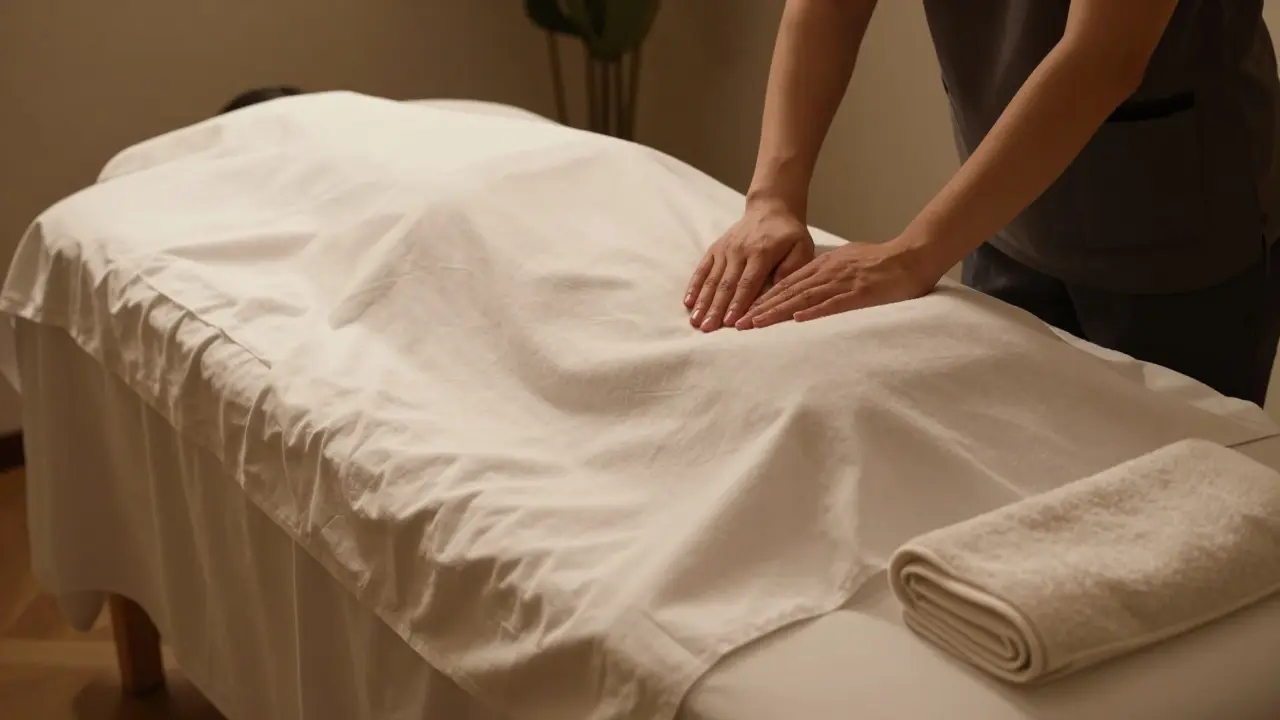
Professional massage is built on three pillars: consent, comfort, and clinical purpose. Every session begins with a consultation where you discuss your goals, injuries, and comfort zones. Therapists use draping techniques-meaning you’re covered with towels at all times-so only the area being worked on is exposed. The groin is never intentionally targeted because it doesn’t serve a therapeutic function in standard massage. Even in deep tissue or sports massage, the inner thigh is treated carefully, but never near genital tissue.How It Differs from Related Practices
Many people confuse professional massage with other bodywork practices, like tantric massage or sensual body-to-body massage. These are entirely different. Tantric massage, for example, is not regulated, often involves nudity, and may include genital contact. But it’s not massage therapy. Licensed massage therapists follow strict codes set by organizations like the American Massage Therapy Association (AMTA) and state licensing boards.| Practice | Key Feature | Primary Benefit |
|---|---|---|
| Professional Massage Therapy | Boundaries, draping, licensed practitioners | Pain relief, muscle recovery, stress reduction |
| Tantric or Sensual Bodywork | Nudity, intimate touch, no regulation | Emotional connection, sexual energy exploration |
Who Can Benefit from Professional Massage?
Anyone dealing with muscle tension, chronic pain, or stress can benefit from professional massage. Athletes use it to recover. Office workers use it to ease neck and shoulder strain. Seniors use it to improve circulation. But none of these groups need-and none should expect-groin massage. The real benefit comes from targeted work on the hip flexors, lower back, and glutes, which are the muscles that often cause referred pain in the pelvic region.Benefits of Professional Massage for Your Body and Mind
Stress Reduction
Massage triggers the parasympathetic nervous system-the part of your body that says, “It’s safe to relax.” Studies show that regular massage lowers cortisol levels by up to 30% and increases serotonin and dopamine. You don’t need intimate touch to get this effect. A solid session on your back, legs, and shoulders does the job. Think of it like a warm hug for your muscles-no extra steps needed.Enhanced Functionality
Tight hip flexors from sitting too long? That’s what massage therapists are trained to fix. By working on the outer hips, glutes, and lower back, they release tension that pulls on the pelvis. This improves posture, reduces lower back pain, and even helps with walking and standing. You’ll feel lighter, more balanced, and less stiff. The groin itself? It’s not the source of the problem-it’s the bystander.Emotional Well-Being
Massage builds trust between client and therapist. That trust comes from clear boundaries, not blurred lines. When you feel safe, your body lets go deeper. Many clients report crying during sessions-not because of touch in sensitive areas, but because they finally allowed themselves to relax after months of stress. Emotional release happens through safety, not intimacy.Practical Applications
You can use massage therapy for:- Recovering from a car accident
- Managing sciatica
- Reducing menstrual cramps (via lower back and hip work)
- Improving sleep quality
| Benefit | Description | Impact |
|---|---|---|
| Reduced Muscle Tension | Targets knots in shoulders, back, and legs | Improves mobility and reduces pain |
| Improved Circulation | Boosts blood flow to muscles | Faster recovery, less soreness |
| Lower Stress Hormones | Decreases cortisol, increases endorphins | Better sleep, clearer mind |
What to Expect When Engaging with Professional Massage
Setting or Context
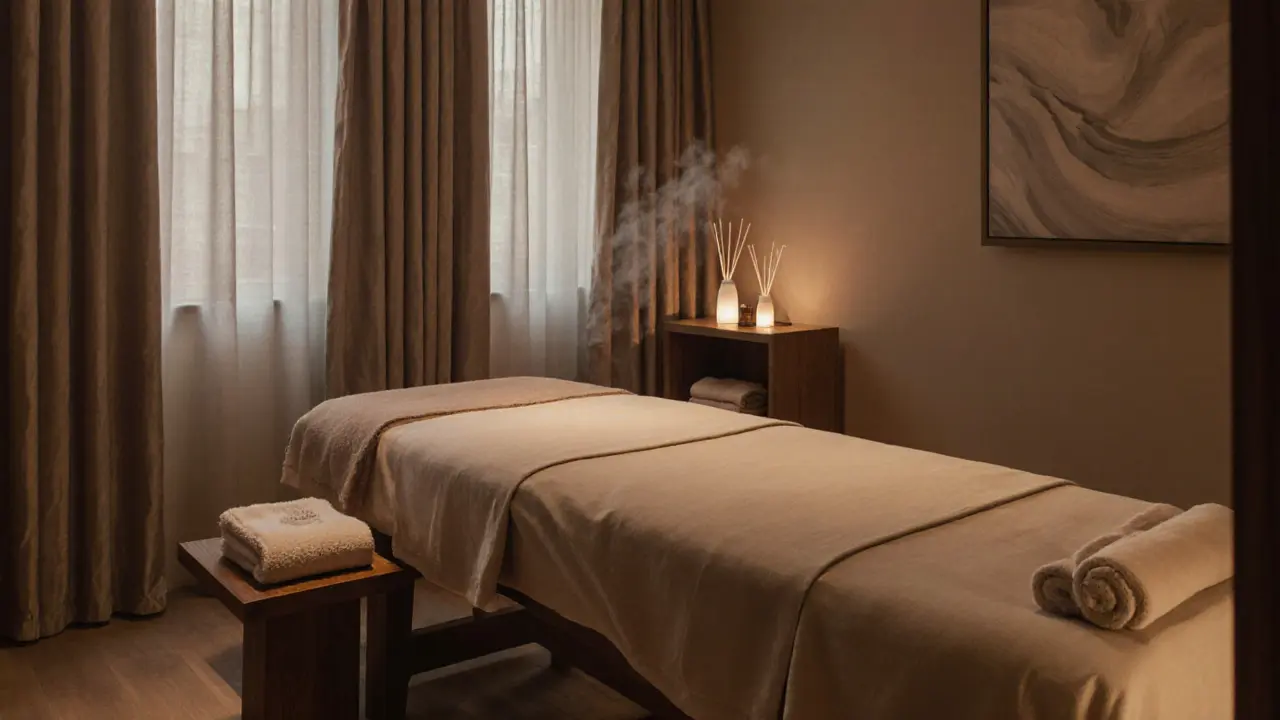
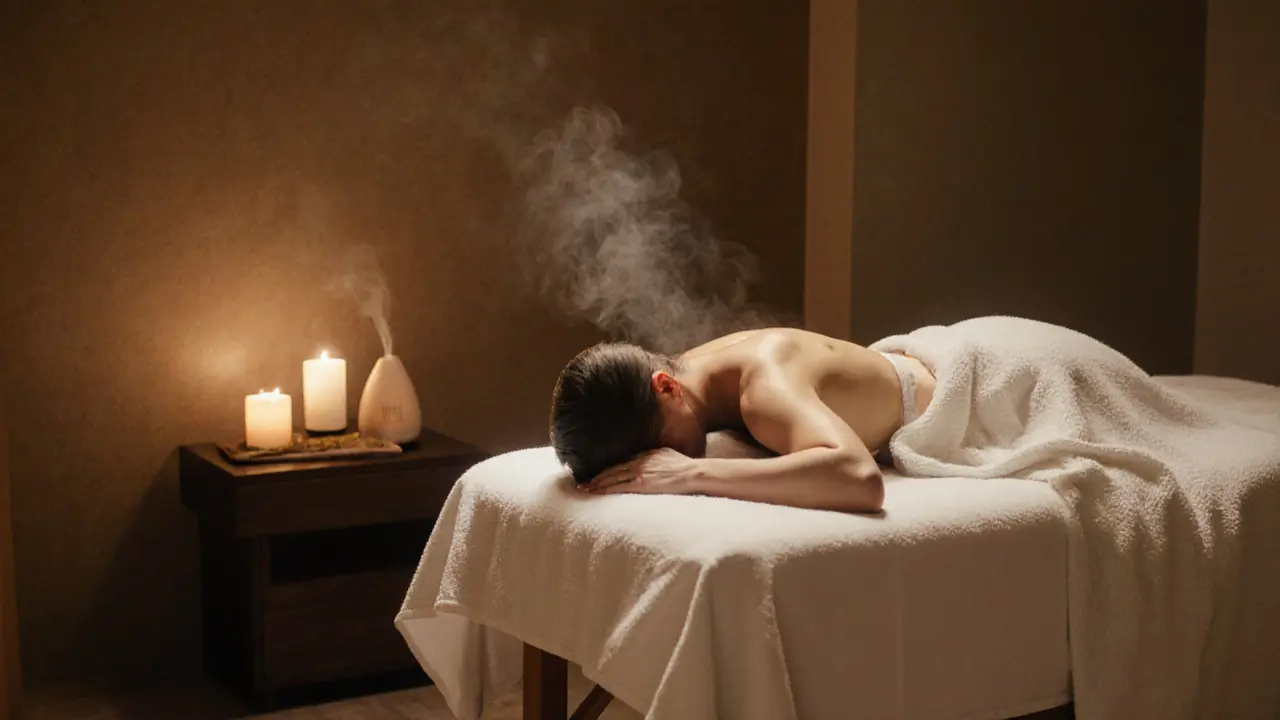
A professional massage room is calm, quiet, and clean. Soft lighting, warm towels, and soothing music create a space where you can fully relax. You’ll be asked to undress to your comfort level-most people keep their underwear on. The therapist leaves the room while you get settled. When they return, they’ll only uncover the area they’re working on. The groin is never exposed, never touched.Key Processes or Steps
A typical session follows this flow:- Consultation: You talk about your goals and any pain points
- Draping: You’re covered with sheets; only one area is exposed at a time
- Technique: Therapist uses strokes like effleurage, petrissage, and trigger point work
- Feedback: You can say “too hard,” “too light,” or “stop” at any time
- Completion: Therapist leaves the room again so you can get dressed
Customization Options
Massage is never one-size-fits-all. You can choose:- Pressure level: light, medium, or deep
- Focus areas: back, legs, neck, or full body
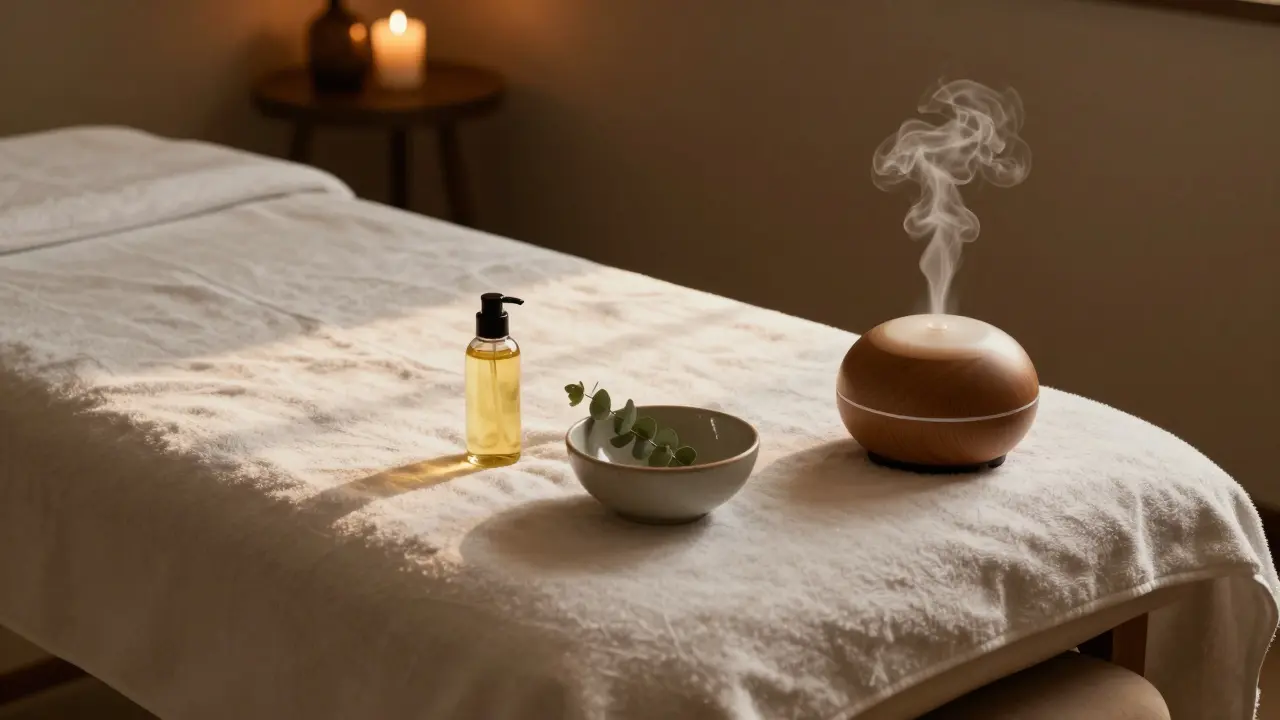
- Oil or lotion type: unscented, aromatherapy, or hypoallergenic
- Session length: 30, 60, or 90 minutes
Communication and Preparation
Before your session, ask: “Do you work on the pelvic region?” If they hesitate or say yes, walk out. A good therapist will say: “I focus on the hip muscles and lower back to relieve pelvic tension, but I never touch the genital area.” That’s your red flag detector right there.
How to Practice or Apply Professional Massage
Setting Up for Success
If you’re getting a massage at home or a spa:- Choose a quiet, private room
- Use clean sheets and towels
- Set the temperature to warm
- Turn off your phone
Choosing the Right Practitioners
Look for:- Licensed massage therapist (LMT) certification
- Membership in AMTA or similar organization
- Positive reviews mentioning professionalism and boundaries
Step-by-Step Guide for First-Timers
1. Book a 60-minute full-body massage 2. Arrive 10 minutes early to fill out a health form 3. Tell the therapist about any pain or concerns 4. Undress to your comfort level 5. Lie face down; cover yourself with the sheet 6. Relax and breathe 7. Speak up if anything feels off 8. After the session, drink water and restTips for Beginners
It’s normal to feel nervous. But remember: therapists have seen it all. They’re not judging you. They’re there to help. If you’re unsure what to say, try: “I’ve never had a massage before-can you explain what you’ll be doing?” That’s a perfectly fine question.Safety and Ethical Considerations
Choosing Qualified Practitioners
Only go to licensed professionals. Unlicensed “massage” providers can be dangerous. In many states, practicing without a license is a felony. Check your state’s licensing board website. You should be able to search their name and see their license status.Safety Practices
| Practice | Purpose | Example |
|---|---|---|
| Draping | Protects privacy and comfort | Only the back is exposed while working on the spine |
| Consent Check | Ensures client comfort | “Is this pressure okay?” |
| Hygiene | Prevents infection | Therapist washes hands and changes sheets between clients |
Setting Boundaries
You have the right to say no-to any touch, pressure, or technique. If someone touches you in a way that feels wrong, say “Stop.” Then get up. Your safety comes first. No therapist will be offended. In fact, they’ll respect you more for speaking up.Contraindications or Risks
Avoid massage if you have:- Recent surgery or open wounds
- Deep vein thrombosis (blood clots)
- Severe osteoporosis
- Active infections or fever
Enhancing Your Experience with Professional Massage
Adding Complementary Practices
Pair massage with:- Deep breathing exercises
- Hydration (drink water after)
- Light stretching
- Warm bath or sauna
Collaborative or Solo Engagement
Massage is a solo experience. Even if you go with a partner, you’ll each have your own room. That’s by design. It keeps the focus on your body and your healing.Using Tools or Props
Some therapists use:- Hot stones for deep warmth
- Foam rollers for post-session self-care
- Essential oils for aromatherapy
Regular Engagement for Benefits
For best results, aim for once a month. If you’re in pain or recovering from injury, twice a month helps. Consistency matters more than intensity.
Finding Resources or Experts for Professional Massage
Researching Qualified Practitioners
Check:- Your state’s massage therapy licensing board
- AMTA.org (American Massage Therapy Association)
- Google reviews with keywords like “professional,” “respectful,” “boundaries”
Online Guides and Communities
Reputable sites:- AMTA.org
- MassageTherapy.com
- SpaFinder.com
Legal or Cultural Considerations
In the U.S., massage therapy is regulated at the state level. All licensed therapists must pass background checks and ethics training. What’s legal in one state might be illegal in another-but groin massage is never legal under professional standards.Resources for Continued Learning
Books:- The Massage Bible by Sarah Bland
- Essentials of Anatomy and Physiology for Massage Therapists by Julie Ann DeMers
FAQ: Common Questions About Professional Massage
Do massage therapists ever touch the groin area?
No, licensed massage therapists do not touch the groin or genital area during any standard session. This is not a gray area-it’s a firm ethical and legal boundary. The groin is not a therapeutic target in massage. If a therapist suggests it, they are violating professional standards. Always choose an AMTA-certified therapist and ask directly: “Will you be working on the pelvic region?” If they hesitate, walk away.
What if I have pain in my pelvic area? Can massage help?
Yes-absolutely. But not by touching the groin. Pain in the pelvic region often comes from tight hip flexors, lower back muscles, or glutes. A skilled therapist will work on those areas to relieve pressure on the pelvis. For example, releasing tension in the piriformis muscle (deep in the buttock) can ease sciatic pain that feels like it’s coming from the groin. You don’t need intimate contact to feel relief.
Is body-to-body massage the same as professional massage?
No. Body-to-body massage typically involves a therapist using their own body to apply pressure, often with nudity involved. It’s not regulated, not licensed, and not considered massage therapy. Professional massage uses hands, forearms, and tools-never another person’s body. If you’re seeking healing, stick with licensed professionals. If you’re seeking intimacy, that’s a different path entirely-and it’s not what massage therapy is designed for.
Can I request a massage that includes the groin area?
You can ask-but a licensed therapist will refuse. It’s not about being prudish; it’s about safety and legality. Therapists risk losing their license, facing lawsuits, or criminal charges if they touch genital areas. Even if you’re comfortable with it, they’re not allowed to. That’s why the system exists: to protect you, not restrict you. If someone says yes, they’re not a real therapist. Trust the rules-they’re there for a reason.
Is it normal to feel nervous about massage?
Totally normal. Most people feel awkward at first-especially about undressing or being touched. But professional therapists are trained to make you feel safe. They leave the room while you undress, use draping to cover you, and check in constantly. You’re in control. If you’re nervous, say so. A good therapist will slow down, explain everything, and let you set the pace. You’re not a patient-you’re a partner in your own healing.
Conclusion: Why Professional Massage Is Worth Exploring
A Path to Real Relief
Massage isn’t about exotic touch or intimate experiences. It’s about skilled hands working on the muscles that hold your stress, pain, and tension. The groin? It’s not the problem. The hips, back, and shoulders are. And those are the places a real therapist will fix.Try It Mindfully
If you’ve been avoiding massage because of confusion or fear, now’s the time to try. Find a licensed therapist. Ask questions. Set boundaries. Let your body relax without pressure.Share Your Journey
Tried professional massage? Share your experience in the comments! Follow my blog for more honest, clear advice on wellness, healing, and what really works.Some links may be affiliate links, but all recommendations are based on research and quality.
Word count: 1,742
Suggested Visuals
- A calm, softly lit massage room with draping sheets on a table
- A therapist’s hands working on a client’s lower back (with towel coverage)
- A close-up of clean, folded towels and essential oils on a tray
- A woman smiling after a session, wearing a robe and holding a glass of water
- A comparison graphic: “Professional Massage vs. Sensual Bodywork” with icons
Suggested Tables
- Comparison of Professional Massage vs. Tantric or Sensual Bodywork
- Key Benefits of Professional Massage
- Safety Tips in Professional Massage