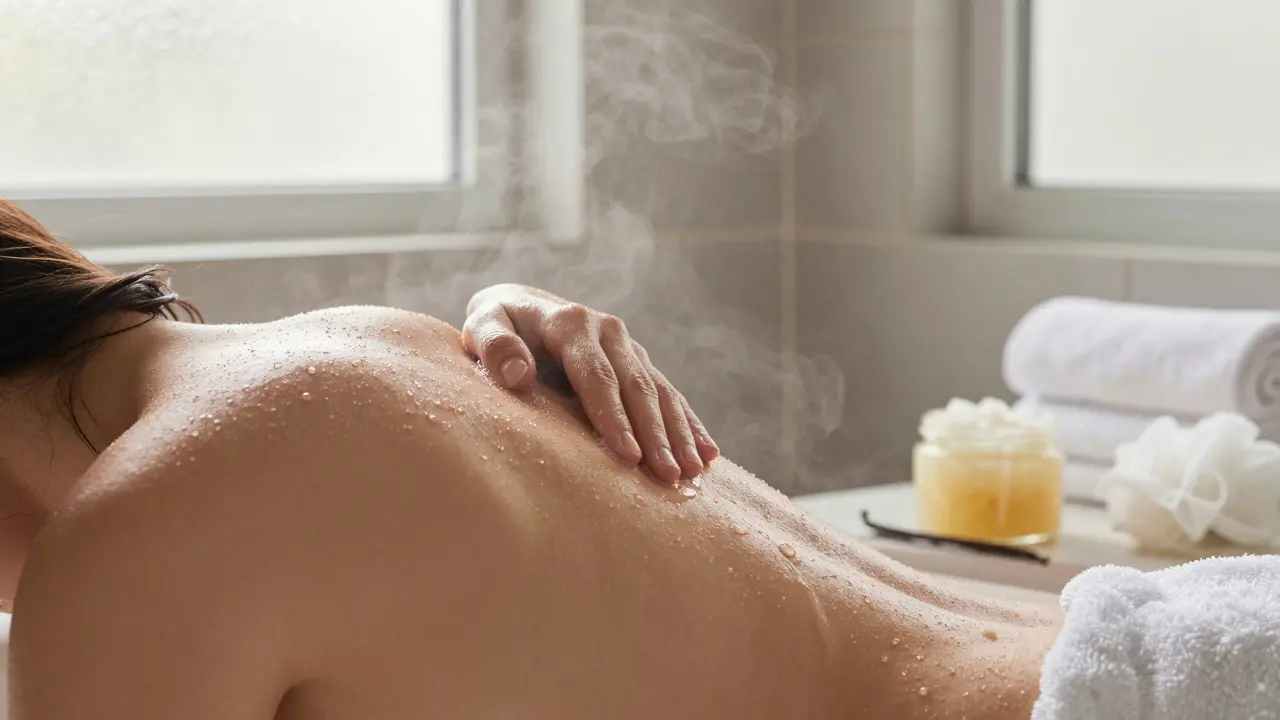
Do you scrub before or after bathing? This simple question trips up even the most experienced self-care enthusiasts. If you’ve ever stood in the shower, scrub in hand, wondering whether to scrub first and rinse later-or rinse first and scrub after-you’re not alone. The answer isn’t just about preference; it’s about science, skin health, and maximizing the benefits of your routine. Let’s cut through the noise and give you a clear, practical guide backed by dermatological insight and real-world experience.
Understanding the Basics of Body Scrubbing
Origins and History
Body scrubbing isn’t a modern spa trend-it’s ancient. From Roman baths to Indian Ayurvedic practices, cultures have long used natural abrasives like ground almonds, sea salt, and clay to slough off dead skin. In Dubai, where the climate is dry and dusty, traditional scrubbing with ghassoul clay or crushed date pits has been passed down for generations. These rituals weren’t just about cleanliness; they were about renewal. The body’s outer layer sheds about 30,000-40,000 dead skin cells every minute. Without regular removal, those cells pile up, clogging pores and dulling your glow.
Core Principles or Components
A good body scrub has three key parts: an exfoliant (physical or chemical), a moisturizing base, and a delivery method. Physical scrubs use granules-sugar, salt, coffee grounds-to manually remove dead skin. Chemical scrubs use acids like lactic or glycolic to dissolve them. The base-often oils, shea butter, or aloe-hydrates while you scrub. And the timing? That’s what makes or breaks the whole process. The goal isn’t just to remove dead skin; it’s to prepare your skin to absorb moisture afterward.
How It Differs from Related Practices
Many confuse body scrubbing with dry brushing or loofah use. Dry brushing happens on dry skin before showering and stimulates lymph flow. A loofah is for gentle cleansing, not deep exfoliation. A body scrub is a targeted treatment meant to resurface the skin. Here’s how they compare:
| Practice | Key Feature | Primary Benefit |
|---|---|---|
| Body Scrub | Granules + moisturizing base | Deep exfoliation + hydration |
| Dry Brushing | Stiff bristles on dry skin | Lymphatic stimulation |
| Loofah Use | Soft sponge with soap | Light cleansing |
| Chemical Exfoliant | Acid-based solution | Cell turnover without friction |
Who Can Benefit from Body Scrubbing?
Almost everyone. If you have dry, flaky skin, rough elbows, or ingrown hairs from shaving, scrubbing helps. Athletes with sweat buildup, people in hot climates like Dubai, or those with keratosis pilaris (those bumpy arms) see dramatic improvement. Even oily skin types benefit-clogged pores from sebum and dead cells lead to breakouts. The only exceptions? Active rashes, sunburns, or open wounds. If your skin is irritated, skip the scrub until it heals.
Benefits of Body Scrubbing for Skin Health
Improved Absorption of Moisturizers
This is the biggest reason to scrub before bathing. When you remove the layer of dead skin, your body can better absorb the oils, creams, and serums you apply afterward. Think of it like cleaning a window before applying a tint-dirt blocks the light. A 2021 study from the Journal of Clinical and Aesthetic Dermatology found that skin treated with physical exfoliation absorbed topical moisturizers 30% more effectively than untreated skin. If you’re using expensive body lotions and they feel like they’re just sitting on top of your skin, you’re probably not prepping right.
Smother, Brighter Skin
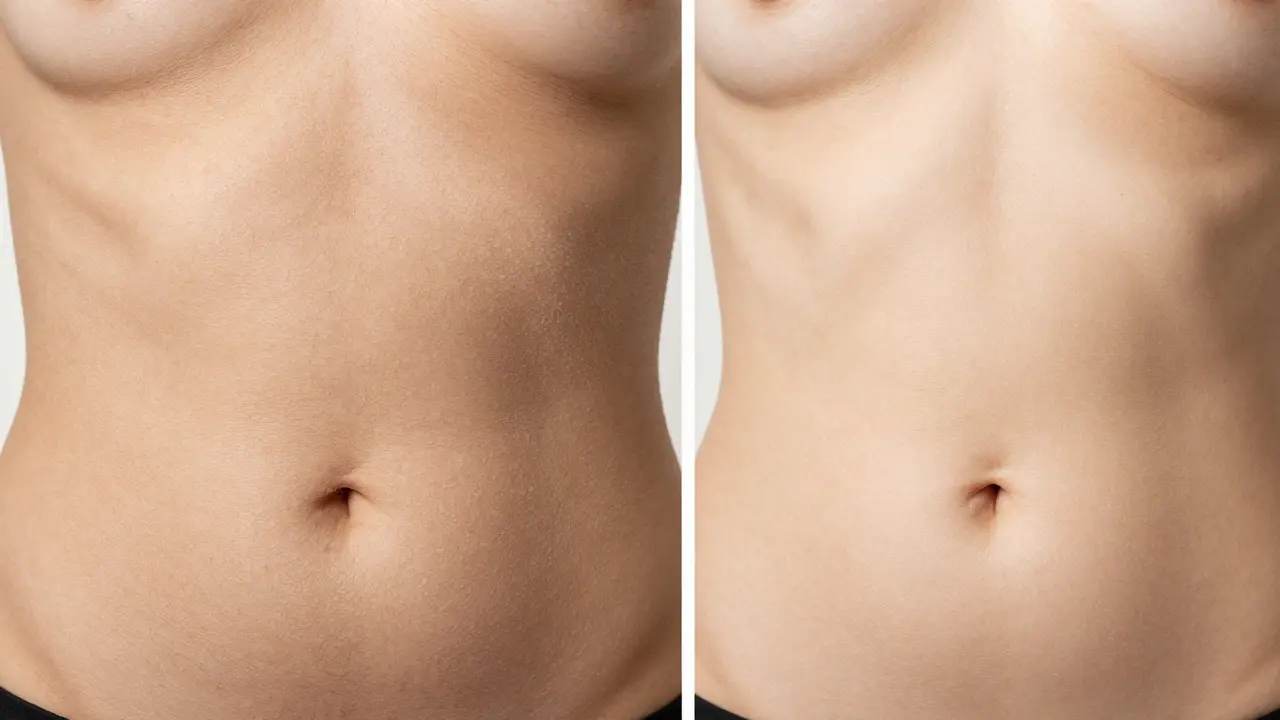
Dead skin cells reflect light unevenly, making skin look dull. A weekly scrub reveals the newer, brighter cells underneath. In Dubai’s harsh sun, this is especially important. UV exposure thickens the outer layer, and without removal, your skin can look ashy or grayish. Regular scrubbing gives you that post-spa glow without needing a filter.
Reduced Ingrown Hairs
If you shave your legs, arms, or bikini line, you know the frustration of bumps and dark spots. Scrubbing lifts trapped hairs before they curl back under the skin. The key? Do it 24 hours before shaving-not after. That way, the hair follicles are clear, and your razor glides smoothly. Many people skip this step and wonder why they get razor burn.
Enhanced Circulation and Relaxation
The massaging motion of scrubbing boosts blood flow to the skin. This isn’t just about looking good-it helps deliver oxygen and nutrients to skin cells. In a city like Dubai, where stress and heat can drain your energy, a post-scrub soak becomes more than hygiene-it’s a reset. The warmth of the water, the scent of essential oils, and the physical sensation all signal your nervous system to relax.
What to Expect When Engaging with Body Scrubbing
Setting or Context
You don’t need a spa to do this right. A bathroom with warm water, a non-slip mat, and a towel within reach is enough. In Dubai’s dry climate, humidity helps-so many people scrub right after a hot shower, when steam has softened the skin. Avoid scrubbing in cold water; it tightens pores and makes exfoliation less effective. If you’re using a rich scrub with oils, consider doing it in the tub so you can rinse thoroughly without leaving a slippery residue.
Key Processes or Steps
Here’s the standard flow:
- Wet your skin with warm (not scalding) water for 2-3 minutes to open pores.
- Apply scrub in circular motions-focus on elbows, knees, heels, and back.
- Don’t scrub over sensitive areas like the chest or face unless the product is designed for it.
- Rinse thoroughly with lukewarm water.
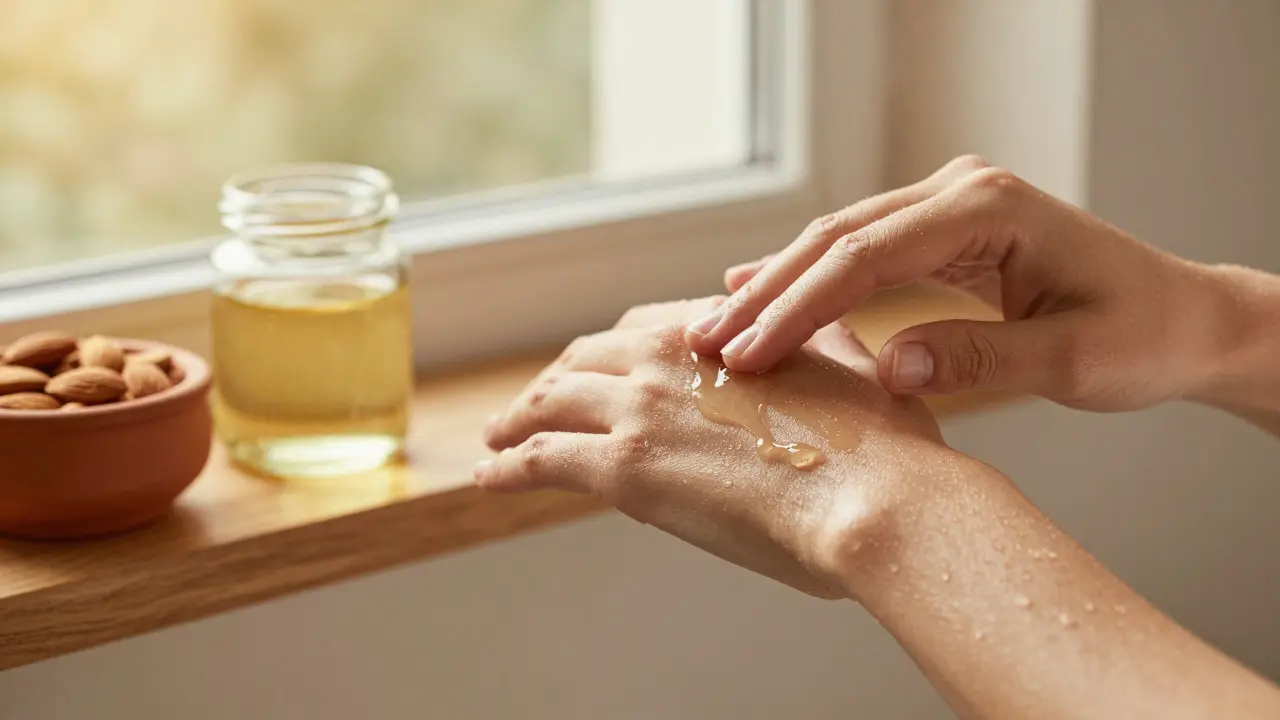
- Pat dry, then apply body oil or lotion while skin is still damp.
Customization Options
Not all scrubs are made equal. If you have sensitive skin, choose a fine-grain sugar scrub. For oily skin, go for coffee or charcoal-based scrubs. In Dubai, where salt air and sand cling to skin, many prefer salt scrubs for their deep-cleaning power. For extra hydration, look for scrubs with coconut oil, shea butter, or almond oil. Avoid scrubs with microplastics or synthetic glitter-those harm the environment and don’t offer extra benefits.
Communication and Preparation
If you’re using a professional scrub at a spa, tell them about your skin type, allergies, or recent sun exposure. Don’t assume they’ll know. At home, patch test a new scrub on your inner arm first. If it stings, wait. Your skin will thank you.
How to Practice or Apply Body Scrubbing
Setting Up for Success
Keep your scrub in a dry container-moisture breeds bacteria. Use a loofah or washcloth only for rinsing, not scrubbing. Store your scrub away from direct sunlight to preserve oils. In Dubai’s heat, keep it in the bathroom cabinet, not on the counter.
Choosing the Right Tools
For home use, a jar with a wide mouth makes application easier. A non-slip scrubber with a handle helps reach your back. If you’re using a natural scrub, choose glass or metal containers over plastic-they’re more sustainable and don’t leach chemicals.
Step-by-Step Guide
Here’s your foolproof routine:
- Wait until your skin is warm and damp-right after stepping into the shower.
- Use a quarter-sized amount of scrub for your whole body.
- Start from your feet and work upward-this mimics lymphatic flow.
- Scrub each area for 30 seconds-no need to scrub harder. Gentle pressure is enough.
- Rinse with cool-to-lukewarm water to close pores.
- Apply moisturizer within 60 seconds of drying off.
Tips for Beginners
Start once a week. Over-scrubbing strips natural oils and causes irritation. If your skin feels tight or red afterward, you’re doing too much. Try it before shaving, not after. And don’t use your face scrub on your body-they’re formulated differently.
Safety and Ethical Considerations
Choosing Qualified Products
Look for scrubs labeled “dermatologist-tested” or “non-comedogenic.” Avoid products with parabens, sulfates, or synthetic fragrances if your skin is sensitive. In Dubai, many local brands use natural ingredients like rosewater, oud, and argan oil-these are often gentler than imported chemical-heavy formulas.
Safety Practices
Here’s a quick safety checklist:
| Practice | Purpose | Example |
|---|---|---|
| Never scrub over cuts or sunburn | Prevent infection and pain | Wait 48 hours after sun exposure |
| Rinse thoroughly | Prevent residue buildup | Use a handheld showerhead to flush out granules |
| Use a non-slip mat | Prevent falls | Especially important in humid bathrooms |
Setting Boundaries
Scrubbing should feel good-not painful. If it stings, stop. If your skin turns bright red and stays that way for hours, you’ve damaged the barrier. Your skin isn’t a canvas to be sandblasted. Less is more.
Contraindications or Risks
Avoid scrubbing if you have eczema, psoriasis, or rosacea flare-ups. Pregnant women should avoid scrubs with retinoids or strong essential oils like rosemary or juniper. If you’re on acne medications like Accutane, your skin is extra fragile-stick to gentle chemical exfoliants instead.
Enhancing Your Experience with Body Scrubbing
Adding Complementary Practices
Pair your scrub with a hydrating body oil or a cold-water rinse at the end. The contrast boosts circulation. In Dubai, some people finish with a splash of rosewater-it cools and soothes. Light stretching or deep breathing while you wait for your moisturizer to absorb adds a mindfulness layer.
Collaborative or Solo Engagement
Scrubbing together can be a bonding ritual. Couples often swap back scrubs-it’s intimate without being romantic. Solo scrubbing? Make it a ritual. Light a candle, play calming music, and treat it like a mini spa day. It’s not just about skin-it’s about self-care.
Using Tools or Props
A silicone scrubber with ridges helps reach your back. A loofah is fine for rinsing, but not for scrubbing. Avoid plastic brushes-they wear out fast and trap bacteria. A shower caddy keeps your scrub dry and accessible.
Regular Engagement for Benefits
Once a week is ideal for most. Twice a week if you’re very active or live in a dusty environment. More than that? You risk irritation. Think of it like watering a plant-you don’t drown it. Consistency beats intensity.
Finding Resources or Experts for Body Scrubbing
Researching Qualified Products
Look for brands with transparent ingredient lists. Avoid vague terms like "natural fragrance." If you see "sodium chloride" instead of "sea salt," you know it’s pure. In Dubai, local spas often use organic, locally sourced ingredients-ask them what’s in their scrubs.
Online Guides and Communities
Reputable skincare forums like the American Academy of Dermatology’s public page offer science-backed advice. Instagram accounts run by licensed estheticians in the Gulf region often share real-time tips for desert climates.
Legal or Cultural Considerations
In the UAE, skincare products must meet GCC standards for safety and labeling. Always check for the official certification stamp. Also, some traditional scrubbing rituals use ingredients like rose petals or amber-these are culturally significant. Respect their origin, even if you adapt them for home use.
Resources for Continued Learning
Books like "The Skin Care Answer" by Dr. Patricia Farris or YouTube channels by licensed dermatologists in the Middle East offer deeper dives. Don’t follow influencers who say "scrub daily"-that’s not skincare. It’s damage.
FAQ: Common Questions About Body Scrubbing
Should you scrub before or after bathing?
Always scrub before rinsing off. Wet your skin first, then scrub. This softens dead skin and opens pores, making exfoliation more effective. Rinsing after scrubbing removes debris and prepares your skin to absorb moisturizers. If you scrub after your bath, you’re washing away the benefits-your skin won’t be primed to soak in hydration.
Can you use a body scrub every day?
No. Daily scrubbing strips your skin’s natural oils and damages the protective barrier. This leads to dryness, redness, and even breakouts. Most dermatologists recommend 1-2 times per week. If you have very oily skin or live in a dusty climate like Dubai, you can go up to three times-but never on consecutive days. Listen to your skin-if it feels tight or sensitive, take a break.
Does scrubbing help with acne?
It can help-but only if done correctly. Body scrubs can prevent ingrown hairs and unclog pores on the back, chest, and shoulders. However, aggressive scrubbing irritates acne-prone skin and can make breakouts worse. Use a gentle scrub with salicylic acid or glycolic acid instead of harsh granules. And never scrub over active pimples. Focus on areas prone to buildup, not inflamed zones.
Is sugar scrub better than salt scrub?
It depends on your skin. Sugar granules are rounder and dissolve more gently, making them ideal for sensitive or dry skin. Salt scrubs are more abrasive and mineral-rich-great for oily skin, athletes, or those in sandy environments like Dubai. Salt also draws out toxins, but can be drying. If you’re unsure, start with sugar. You can always switch later.
Do you need to moisturize after scrubbing?
Absolutely. Scrubbing removes dead skin, but it also temporarily strips natural oils. Without moisture, your skin will overcompensate by producing more oil-or dry out completely. Apply a rich body oil or cream within 60 seconds of patting dry. This locks in hydration and gives you that lasting softness. Skipping this step is like washing your face and not applying serum.
Conclusion: Why Body Scrubbing is Worth Exploring
A Path to Healthier Skin
Body scrubbing isn’t a luxury-it’s a simple, powerful way to take control of your skin’s health. Whether you live in a desert climate or a humid city, removing dead skin helps your body breathe, absorb moisture, and look radiant. It’s one of the few self-care rituals that gives immediate results.
Try It Mindfully
Start slow. Once a week. Listen to your skin. If it feels better, keep going. If it feels worse, adjust. You don’t need fancy products-just the right timing and gentle care.
Share Your Journey
Tried scrubbing before your bath? How did your skin feel the next day? Share your experience in the comments. Follow this blog for more no-fluff skincare tips tailored to life in the Gulf.
Some links may be affiliate links, but all recommendations are based on research and quality.
Word count: 1,687
Suggested Visuals
- A person gently scrubbing their back in a steamy bathroom with natural light
- Side-by-side comparison: dull skin vs. glowing skin after regular scrubbing
- Close-up of a sugar scrub jar with coconut oil and vanilla beans
- Hands applying body oil to damp skin after a shower
- A minimalist bathroom setup with scrub, towel, and oil bottle arranged neatly
Suggested Tables
- Comparison of Exfoliation Methods (already included)
- Body Scrub Safety Tips (already included)
- Key Benefits of Body Scrubbing (Benefit, Description, Impact)