When you think about getting a Thai massage, one of the first questions that pops up is: Do you take your clothes off? It’s a natural concern-especially if you’ve had other types of massages where draping and nudity are the norm. But Thai massage is different. And understanding what to expect can turn a confusing first session into a deeply relaxing experience.
Understanding the Basics of Thai Massage
Origins and History
Thai massage didn’t start in a luxury spa. It began over 2,500 years ago in Thailand, rooted in ancient Indian Ayurvedic practices, traditional Chinese medicine, and Buddhist spiritual teachings. Monks in Thai temples developed it as a healing art-not just for relaxation, but to restore balance in the body’s energy lines, or "sen" lines. Unlike Western massages that focus on muscles alone, Thai massage is a full-body energy work. It’s often called "lazy yoga" because you’re passively guided through stretches while the therapist applies pressure along those energy pathways.
Core Principles or Components
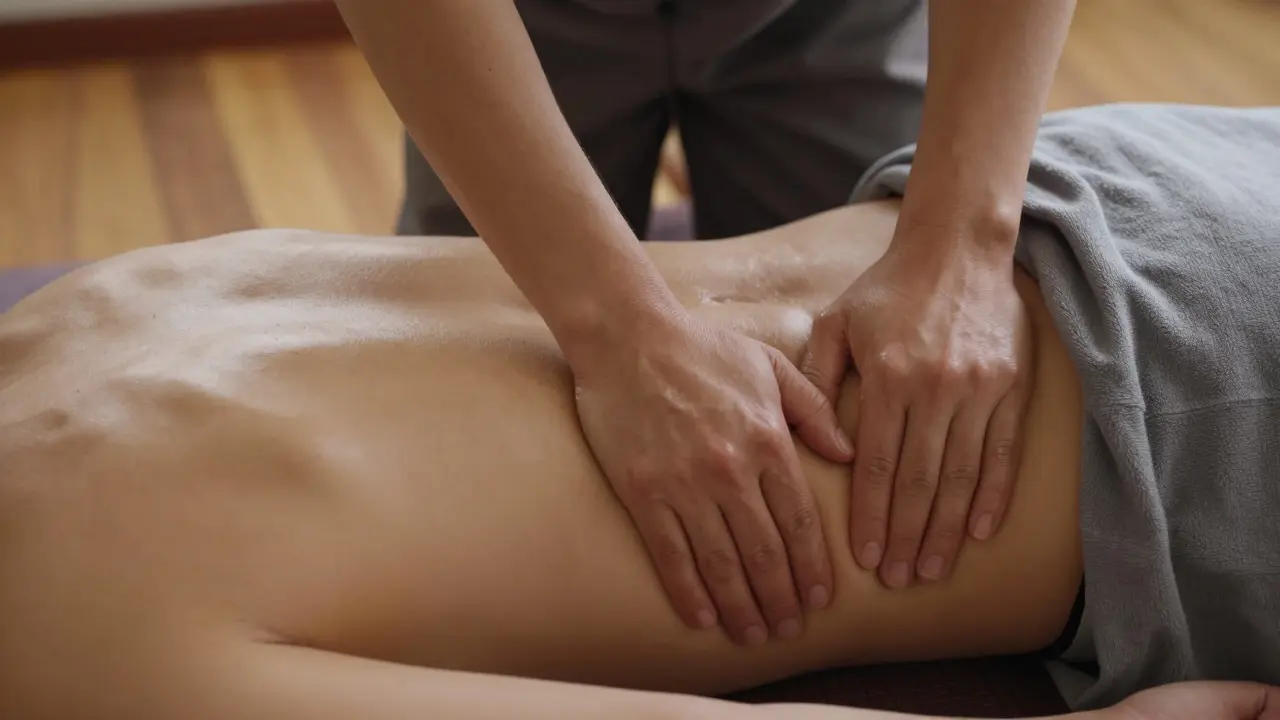
Thai massage is built on four pillars: acupressure, assisted yoga postures, deep stretching, and rhythmic compression. The therapist uses their hands, thumbs, elbows, knees, and even feet to apply pressure. You’ll be moved into positions that gently open your hips, stretch your spine, and release tension in your shoulders-all without oils or lotions. The goal isn’t just to loosen muscles; it’s to clear blockages in your body’s energy flow. This is why it’s done on a mat on the floor, not a massage table.
How It Differs from Related Practices
Many people confuse Thai massage with Swedish or deep tissue massage. Here’s how they stack up:
| Practice | Key Feature | Primary Benefit |
|---|---|---|
| Thai Massage | Full-body stretches, pressure on energy lines, no oils | Improved flexibility, energy flow, deep relaxation |
| Swedish Massage | Long strokes, kneading, oils, light pressure | Surface muscle relaxation, stress relief |
| Deep Tissue | Intense pressure on muscle layers | Relieves chronic tension, breaks down scar tissue |
Who Can Benefit from Thai Massage?
Almost anyone. Athletes use it to improve mobility. Office workers find relief from stiff necks and tight hips. People recovering from injury benefit from the gentle, non-invasive stretching. Even if you’re not flexible, Thai massage adapts to you. The therapist adjusts pressure and movement based on your comfort level. It’s not about how far you can bend-it’s about what your body can release.
Benefits of Thai Massage for Your Body and Mind
Stress Reduction
Thai massage triggers the parasympathetic nervous system-the part of your body that says "it’s safe to relax." The rhythmic pressure and slow, flowing stretches signal your brain to lower cortisol levels. People often leave feeling calm, almost floaty. One regular client in Dubai told me she started coming weekly after her divorce. "It’s the only time I feel completely still," she said. That stillness isn’t just mental-it’s physical too.
Enhanced Functionality
Think about how much you sit. Hunched over a desk, scrolling on your phone, driving-your body gets stuck in tight patterns. Thai massage gently untangles those patterns. Hips open, shoulders release, spine realigns. Over time, this improves posture, reduces joint stiffness, and even helps with breathing. You don’t just feel better during the massage-you move better the next day.
Emotional Well-Being
There’s something deeply grounding about being touched with intention and care. Thai massage doesn’t just work your muscles; it works your nervous system. Many people report feeling emotionally lighter after a session. It’s not magic-it’s science. The combination of pressure, stretch, and rhythm helps release stored tension that can feel like emotional weight. You might not cry, but you’ll notice you’re breathing deeper.
Practical Applications
You don’t need to be an athlete or a yoga expert to benefit. Thai massage helps with:
| Benefit | Description | Impact |
|---|---|---|
| Improved Flexibility | Passive stretching opens tight muscles | Reduces risk of injury |
| Reduced Back Pain | Spinal decompression and alignment | Less reliance on painkillers |
| Better Sleep | Calms the nervous system | Falls asleep faster, sleeps deeper |
| Increased Energy | Clears energy blockages | Less afternoon slump |
What to Expect When Engaging with Thai Massage
Setting or Context
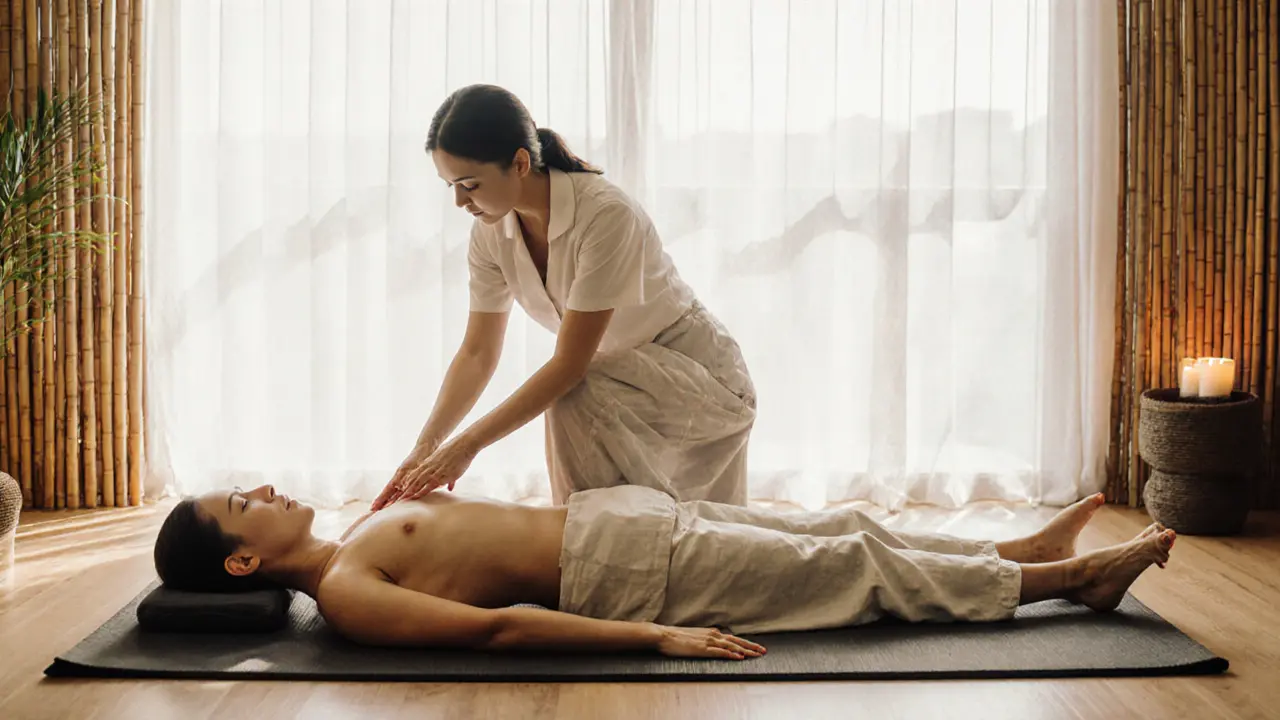
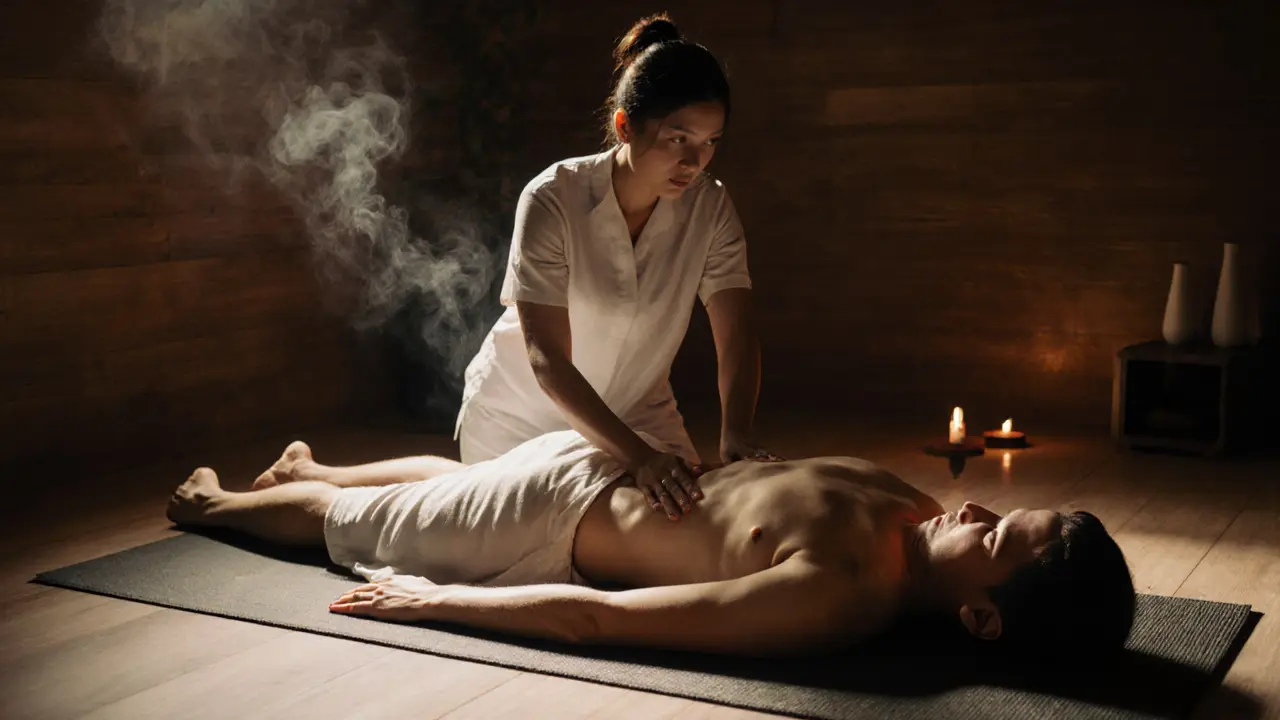
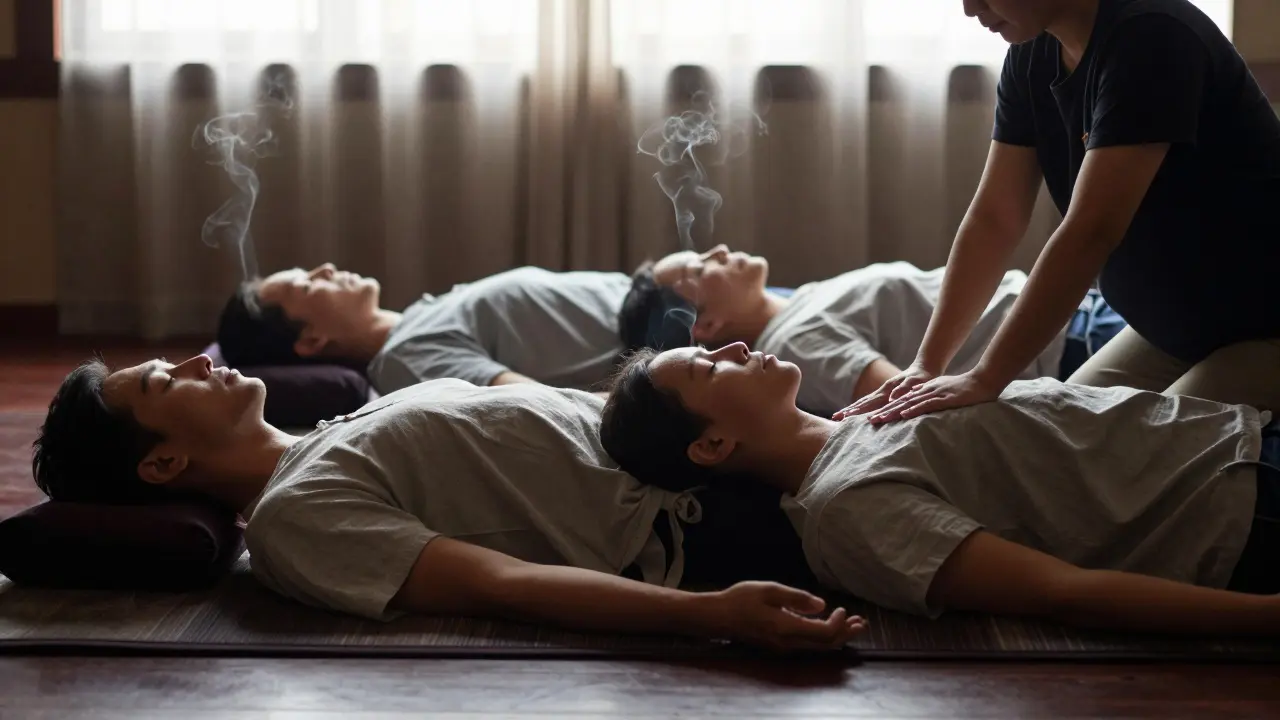
You’ll lie on a thick, padded mat on the floor, not a table. The room is warm, quiet, and dimly lit. Incense or essential oils may be used, but not heavily. No music with lyrics-just soft ambient tones. The therapist will likely greet you with a slight bow, a quiet "Sawasdee," and ask if you’re comfortable with the pressure. It’s a ritual of respect.
Key Processes or Steps
A typical session lasts 60-90 minutes. It starts with gentle pressure on your feet and legs, then moves up through your back, arms, neck, and head. You’ll be guided into stretches-like a seated forward fold or a gentle twist-while the therapist applies steady pressure with their palms or elbows. You won’t be asked to hold poses yourself. It’s all done for you. The rhythm is slow, deliberate. There’s no sudden jerking or force.
Customization Options
Thai massage isn’t one-size-fits-all. If you’re pregnant, have a knee injury, or just prefer lighter pressure, tell the therapist. They’ll adjust. Some places offer "oil-free" or "hot stone" versions, but traditional Thai massage skips oils entirely. The focus is on movement and energy, not slippery skin.
Communication and Preparation
Before the session, mention any injuries, recent surgeries, or conditions like high blood pressure. If you’re sensitive to pressure, say so early. You’re not being rude-you’re helping them do their job better. And don’t worry about being "flexible." The therapist has worked with people who can’t touch their toes. That’s why they’re there.
How to Practice or Apply Thai Massage
Setting Up for Success
If you’re getting a Thai massage in Dubai, choose a place with trained therapists-look for certifications from Thai institutions like Wat Po or the Thai Traditional Medicine Institute. Avoid places that use "Thai massage" as a buzzword for cheap oil massages. Quality matters. A good session costs between AED 250-450. You get what you pay for.
Choosing the Right Tools/Resources
You don’t need tools for a Thai massage-you need a qualified therapist. But if you want to practice stretches at home, a yoga strap and a foam roller can help. Look for YouTube videos from certified Thai massage schools. Don’t try to replicate the full session yourself-it’s too complex. But gentle stretches after your massage? Yes, that helps.
Step-by-Step Guide
Here’s what happens during your first Thai massage:
- You arrive 10 minutes early to fill out a quick health form.
- You’re shown to the mat room and told to wear loose, comfortable clothes.
- The therapist asks about your goals and any discomfort.
- You lie down, and they begin with your feet.
- They move slowly-no rush.
- At the end, they gently ask if you’d like more pressure or to stop.
- You sit up slowly. Drink water. Feel the calm.
Tips for Beginners or Couples
First-timers often worry about being awkward. Don’t. The therapist has seen it all. If you’re nervous, breathe. If you feel a stretch too deep, say "lighter." If you’re going with a partner, you can even book a side-by-side session. It’s surprisingly peaceful to stretch next to someone you care about-no talking, just quiet presence.
Safety and Ethical Considerations
Choosing Qualified Practitioners/Resources
Look for therapists trained in Thailand. Ask if they’ve studied at Wat Po in Bangkok. Many spas in Dubai hire staff from Thailand-ask where they trained. Avoid places that don’t list therapist credentials. A good therapist will explain what they’re doing, not just do it.
Safety Practices
Hygiene matters. The mat should be cleaned between clients. Therapists should wash their hands. Here’s what to watch for:
| Practice | Purpose | Example |
|---|---|---|
| Wear clean, loose clothing | Allows free movement, no skin irritation | Cotton pants, tank top |
| Don’t eat 2 hours before | Prevents nausea during deep stretches | Light snack only |
| Communicate pain | Prevents injury | Say "too strong" immediately |
Setting Boundaries
You’re in control. If a stretch feels invasive, if you’re uncomfortable with the level of touch, speak up. No good therapist will push you. This isn’t a performance-it’s a healing space. Your comfort isn’t optional. It’s the point.
Contraindications or Risks
Thai massage isn’t for everyone. Avoid it if you have:
- Recent fractures or bone injuries
- Severe osteoporosis
- Open wounds or skin infections
- Deep vein thrombosis (blood clots)
- Advanced pregnancy (unless cleared by a doctor)
If you’re unsure, check with your doctor first.
Enhancing Your Experience with Thai Massage
Adding Complementary Practices
Pair your Thai massage with mindfulness. Breathe deeply during the session. Afterward, sit quietly for 10 minutes. No phone. Just stillness. Many people find journaling helps too-writing down how they felt before and after reveals patterns. Some add light yoga or walking in the park. The goal? Extend the calm.
Collaborative or Solo Engagement
You can do Thai massage alone-with a partner, or with a therapist. Solo sessions are the most common. But couples’ sessions are growing in popularity in Dubai. You lie side by side, each getting your own treatment. It’s not romantic-it’s restorative. Two people, one quiet room, one shared sense of peace.
Using Tools or Props
After your session, try a yoga strap to gently stretch your hamstrings. A foam roller helps release tight IT bands. These aren’t required-but they help your body hold the changes. Don’t buy expensive gear. Start simple.
Regular Engagement for Benefits
One session feels great. Two sessions a month? That’s when real change happens. Think of it like brushing your teeth. You don’t do it once and call it done. Thai massage builds cumulative benefits. Your body remembers the release. Over time, you move better, sleep better, feel lighter.
Finding Resources or Experts for Thai Massage
Researching Qualified Experts
In Dubai, look for spas affiliated with Thai-certified schools. Places like "The Thai Spa" or "Wat Po Dubai" have therapists trained in Bangkok. Read reviews-not just ratings. Look for comments like "therapist explained everything" or "didn’t feel rushed." Quality therapists don’t just do moves-they connect.
Online Guides and Communities
YouTube channels like "Thai Massage Academy" and "Siam Healing" offer free tutorials. Reddit’s r/ThaiMassage has real user stories. Don’t just watch-try the stretches. You’ll learn more about your body.
Legal or Cultural Considerations
Thai massage is rooted in Thai culture. It’s not just a service-it’s a tradition. Respect that. Don’t ask your therapist to "make it more like a Swedish massage." That’s like asking for sushi without rice. Appreciate it for what it is.
Resources for Continued Learning
Books like "The Art of Thai Massage" by Pim Rattanachai and "Thai Yoga Massage" by Susan Sumner offer deep insight. Workshops in Dubai occasionally pop up-check with local wellness centers. Learning the basics helps you get more from each session.
FAQ: Common Questions About Thai Massage
Do you take your clothes off for a Thai massage?
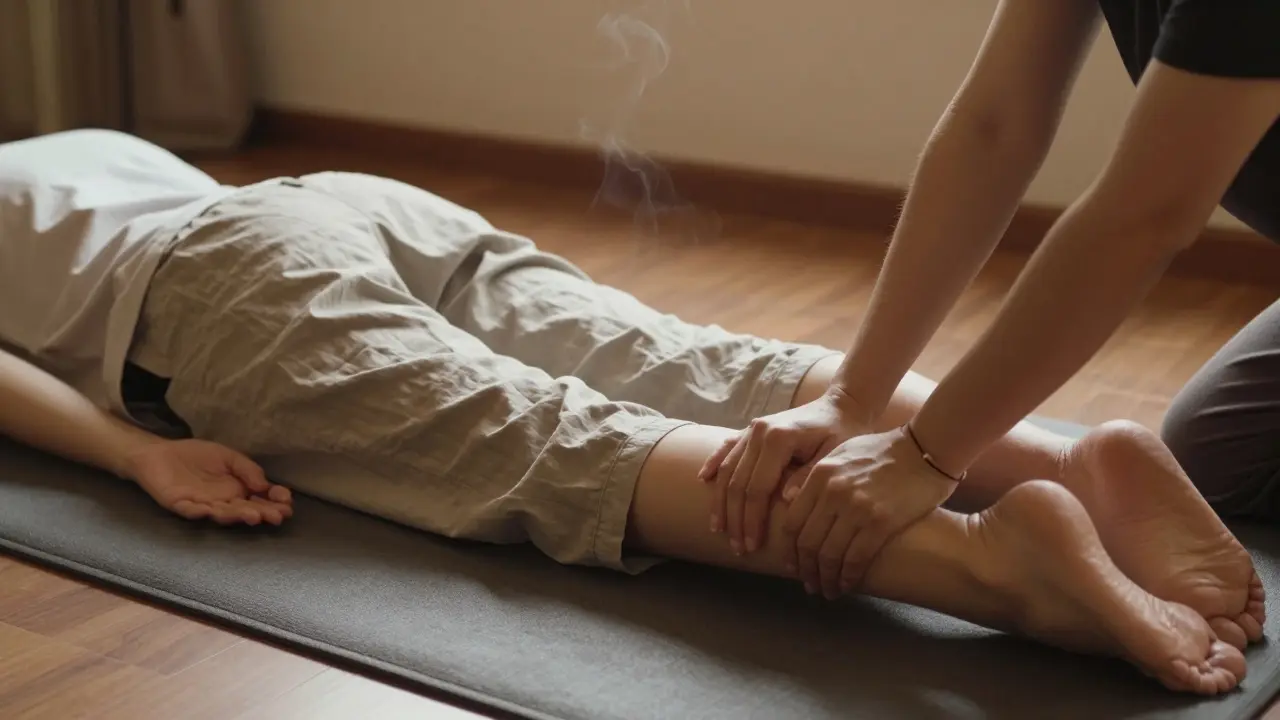
No. You stay fully clothed. Most people wear loose, stretchy clothing like cotton pants and a tank top. The massage is done over clothes, so there’s no need for draping or nudity. This is one of the biggest differences from Western massages. The focus is on movement and energy flow, not skin-to-skin contact. You’ll be comfortable, covered, and completely at ease.
What happens during a Thai massage?
You lie on a mat while the therapist uses their hands, elbows, knees, and feet to apply pressure and guide you through stretches. It’s not a passive lie-down-it’s an active, gentle stretch session. You’ll feel pressure on your legs, back, shoulders, and neck. You’ll be moved into yoga-like positions, but you don’t have to do anything. It’s all done for you. The session lasts 60-90 minutes and ends with you feeling loose, calm, and slightly weightless.
How does Thai massage differ from Swedish massage?
Swedish massage uses oils and focuses on muscle relaxation with long strokes and kneading. Thai massage uses no oils and works on energy lines through stretches and pressure. You’re fully clothed in Thai massage, but usually undraped in Swedish. Thai massage is more active-you’re moved into positions. Swedish is more passive-you’re just relaxed. Thai massage improves flexibility. Swedish reduces surface tension. They’re both great, but they do different things.
Is Thai massage suitable for beginners?
Absolutely. Thai massage is designed for all levels. If you’re stiff, the therapist will go slower. If you’re flexible, they’ll go deeper. No one expects you to touch your toes. The goal isn’t perfection-it’s release. Beginners often leave saying, "I didn’t know I was that tight." That’s normal. The first session is about awareness, not achievement.
What should I wear to a Thai massage?
Wear something loose and stretchy, like yoga pants and a tank top. Avoid jeans, tight shorts, or bulky clothes. The therapist needs to move your limbs freely. Most places provide clean, loose clothing if you forget yours. But bringing your own is best-it’s more comfortable. And yes, underwear is fine. You’re fully covered the whole time.
Conclusion: Why Thai Massage is Worth Exploring
A Path to Greater Freedom
Thai massage isn’t just about relaxation. It’s about reclaiming your body’s natural movement. In a world where we sit, stare, and stress, this ancient practice offers a quiet revolution. You don’t need to be flexible. You don’t need to be perfect. You just need to show up-and let someone else guide you back to ease.
Try It Mindfully
Find a reputable therapist. Wear comfortable clothes. Breathe. Let go. If you’re unsure, start with a 60-minute session. You’ll walk out lighter than you walked in.
Share Your Journey
Tried Thai massage? Share your experience in the comments. What surprised you? What did you feel? Follow this blog for more honest guides to wellness in Dubai.
Some links may be affiliate links, but all recommendations are based on research and quality.
Word count: 1,687
Suggested Images
- A serene Thai massage session on a mat in a softly lit Dubai spa, client fully clothed in loose cotton.
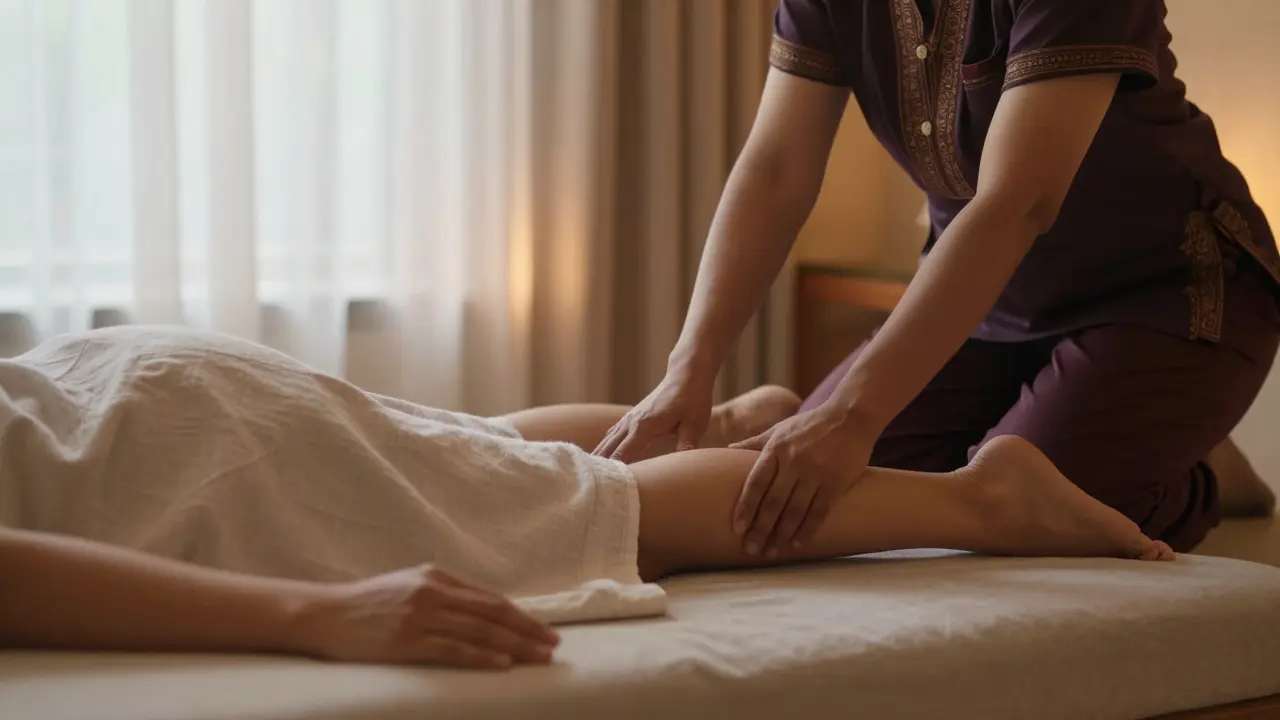
- Close-up of a therapist’s hands applying pressure along a client’s leg, no oils visible.
- Side-by-side Thai massage session for two people, both relaxed, eyes closed, in matching loose attire.
- Before-and-after comparison: one image of someone hunched at a desk, another of them stretching comfortably after a massage.
- Traditional Thai massage mat with wooden blocks and cotton garments laid out neatly.
Suggested Tables
- Comparison of Thai Massage vs. Other Massage Types
- Key Benefits of Thai Massage
- Thai Massage Safety Tips