Do You Take Everything Off for a Thai Massage? Honest Answers for First-Timers in Dubai
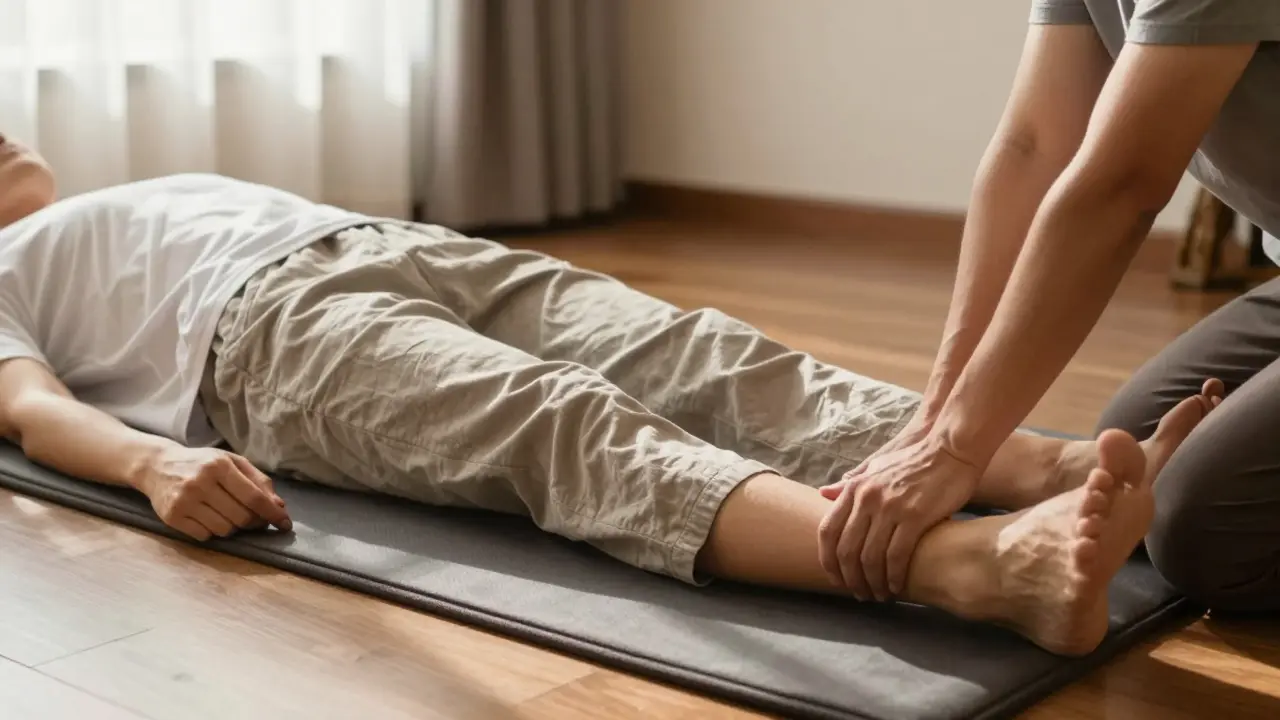
When you hear Thai massage Dubai, you might picture deep stretches, rhythmic pressing, and maybe… nothing on at all. It’s a common question-and a totally normal one. People show up at spas in Dubai wondering if they need to strip down completely, and honestly? Most don’t know what to expect. The truth is, you don’t need to take everything off for a Thai massage. In fact, most people keep their clothes on. This isn’t like a Swedish massage where oil and skin contact are the goal. Thai massage is more like yoga with hands. You’re fully clothed, usually in loose, comfortable clothes provided by the spa, and you’re moved, stretched, and pressed through a series of flowing movements. It’s not about exposure. It’s about connection-to your body, your breath, and the therapist’s skill.
Understanding the Basics of Thai Massage
Origins and History
Thai massage didn’t start in a luxury Dubai spa. It began over 2,500 years ago in Thailand, rooted in ancient Indian Ayurvedic medicine, traditional Chinese medicine, and Buddhist spiritual practices. It was developed by Buddhist monks who used it to heal themselves and others. The practice was passed down orally for centuries, preserved in temple walls and handwritten texts. Today, it’s recognized by UNESCO as an Intangible Cultural Heritage. In Dubai, where wellness meets global standards, Thai massage has been adapted without losing its soul. You’re not just getting a massage-you’re participating in a tradition that values balance, energy flow, and mindful movement.
Core Principles or Components
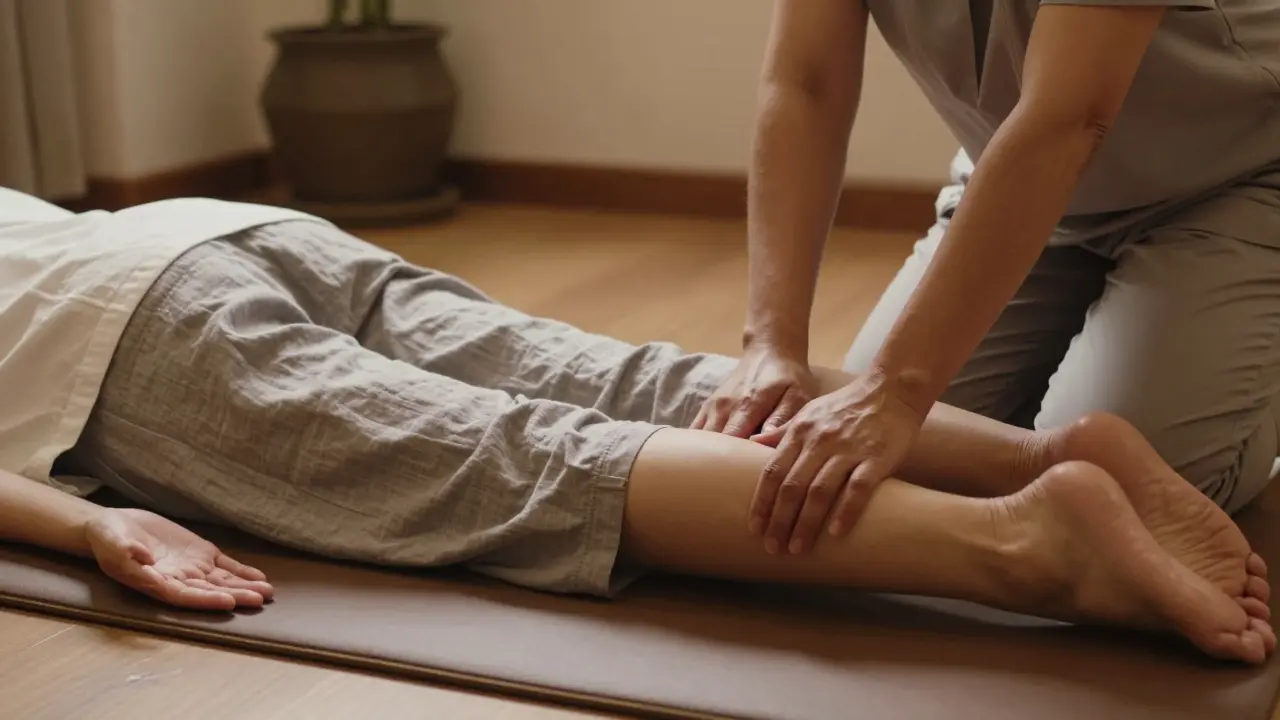
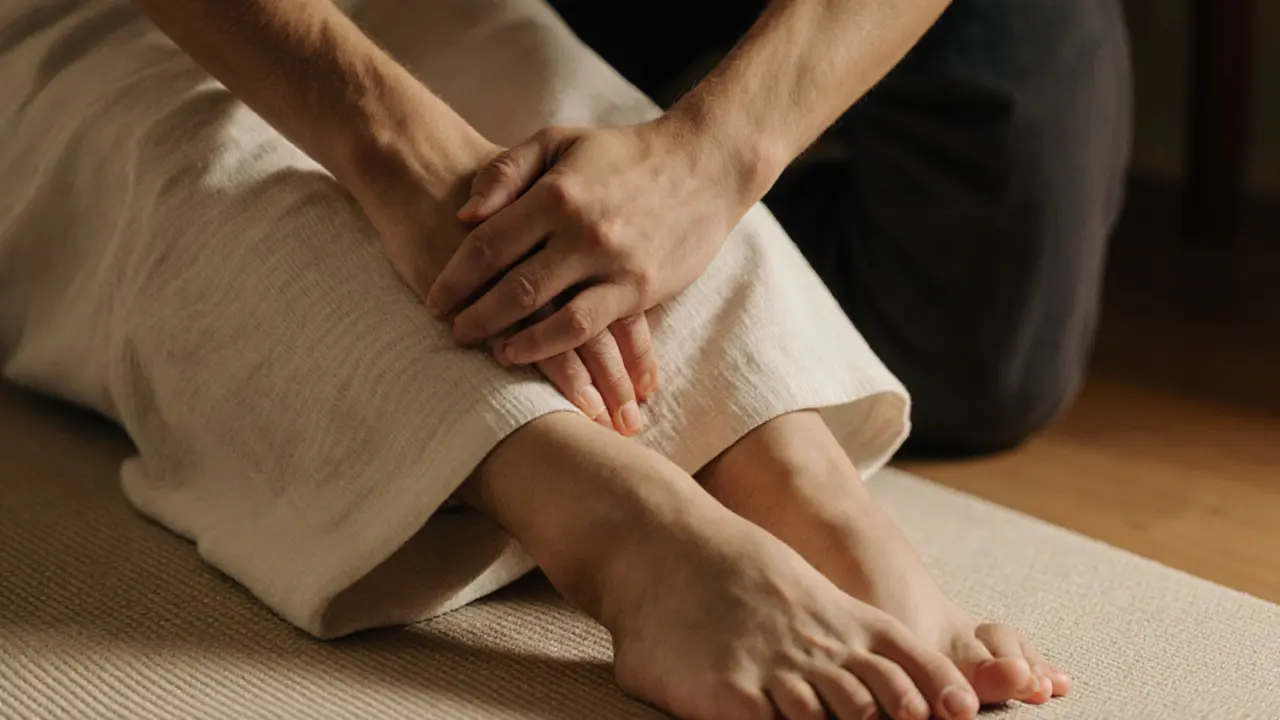
Thai massage works on the body’s energy lines, called sen lines, similar to meridians in acupuncture. The therapist uses their hands, thumbs, elbows, knees, and even feet to apply pressure along these lines. You’ll be guided through passive yoga-like stretches-arms pulled gently, legs lifted, spine twisted softly. No oil is used. No skin is exposed. The goal isn’t to relax muscles with friction, but to release blockages in energy flow, improve flexibility, and restore balance. Sessions usually last 60 to 120 minutes and happen on a padded mat on the floor, not a table. You lie down, and the therapist moves you like a puppet-except you’re completely in control of your comfort level.
How It Differs from Related Practices
It’s easy to confuse Thai massage with other types. Here’s how it stacks up:
| Practice | Key Feature | Primary Benefit |
|---|---|---|
| Thai Massage | Full clothing, floor mat, passive stretching | Improved flexibility, energy flow |
| Swedish Massage | Oils, skin contact, light to medium pressure | Relaxation, muscle tension relief |
| Deep Tissue | Intense pressure, focused on knots | Chronic pain relief |
| Shiatsu | Finger pressure on acupressure points | Stress reduction, energy balance |
Thai massage is the only one where you’re actively moved through stretches. You’re not just being rubbed-you’re being guided. And you’re never naked.
Who Can Benefit from Thai Massage?
Almost everyone. Athletes use it to loosen tight hips and shoulders. Office workers find relief from stiff necks and lower back tension. Travelers recovering from long flights swear by it. Even people with chronic pain or limited mobility can benefit-when done gently. It’s especially helpful if you sit all day, stand on your feet, or carry stress in your shoulders. The beauty of Thai massage is that it’s adaptable. A therapist can go light for a 70-year-old or deeper for a yoga instructor. You don’t need to be flexible to try it. You just need to show up.
Benefits of Thai Massage for Body and Mind
Stress Reduction
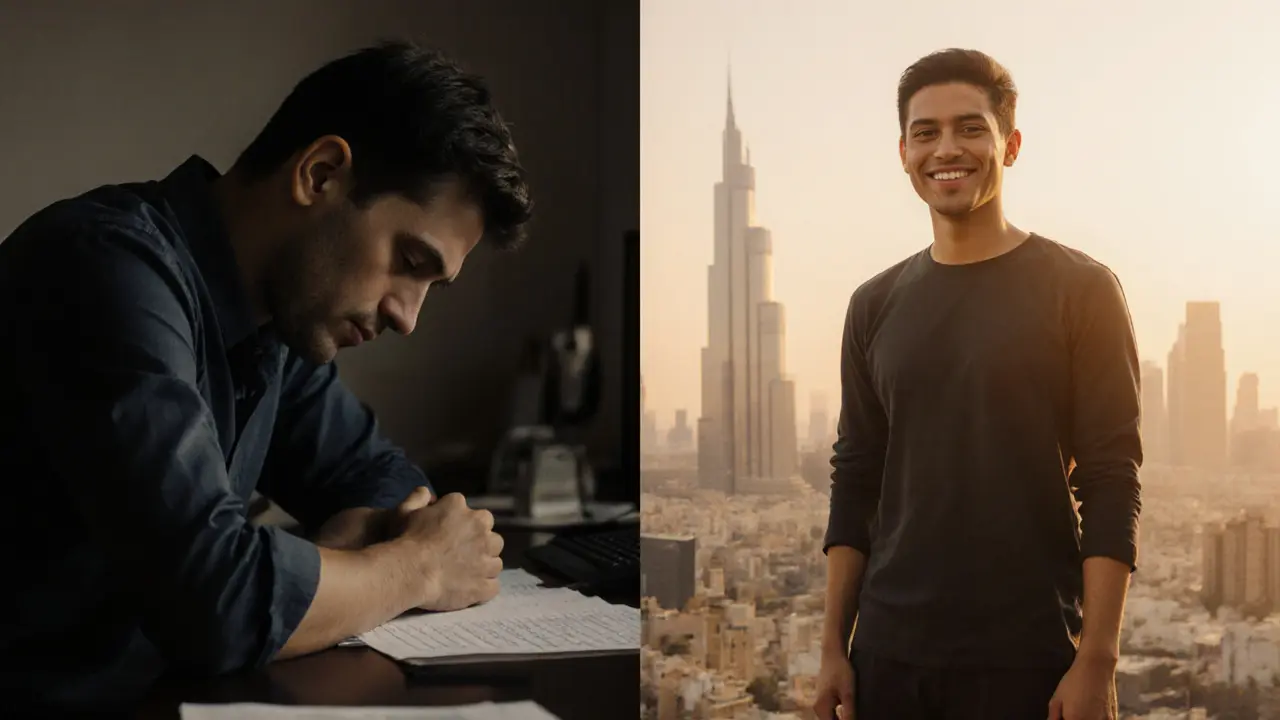
Thai massage triggers the parasympathetic nervous system-the part of your body that says, “It’s safe to relax.” The rhythmic pressure, combined with deep breathing encouraged by the therapist, lowers cortisol levels. Many clients report feeling calmer within minutes, even before the stretching begins. One woman in Dubai told me she came in after a week of sleepless nights and left with her first real sigh of relief in months. It’s not magic. It’s physiology. The body responds to consistent, intentional touch.
Enhanced Functionality
Unlike massages that only relax, Thai massage improves how your body moves. After a session, you might notice you can turn your head easier, bend down without groaning, or reach for a high shelf without tensing up. This isn’t just feeling good-it’s functional change. Studies from the National Center for Complementary and Integrative Health show that regular Thai massage improves range of motion and reduces muscle stiffness. For Dubai residents who spend hours in cars or at desks, this is a game-changer.
Emotional Well-Being
There’s something deeply grounding about being gently guided through movement while someone else holds space for you. Many people cry during or after a session-not because it hurts, but because they finally let go. Thai massage doesn’t talk about emotions, but it releases them. The stretches open areas where we hold tension: the chest, the jaw, the hips. That’s where trauma and stress hide. You don’t need to talk about it. The body already knows.
Practical Applications
Think of Thai massage as maintenance for your body. Just like you get your car serviced, your body needs regular tune-ups. People in Dubai who book monthly sessions report fewer headaches, better sleep, and less reliance on painkillers. It’s not a cure-all, but it’s a powerful tool for daily living. One father of three said he started going after his daughter’s soccer games-he needed to move again without wincing. Now he does it every two weeks.
What to Expect When Engaging with Thai Massage
Setting or Context
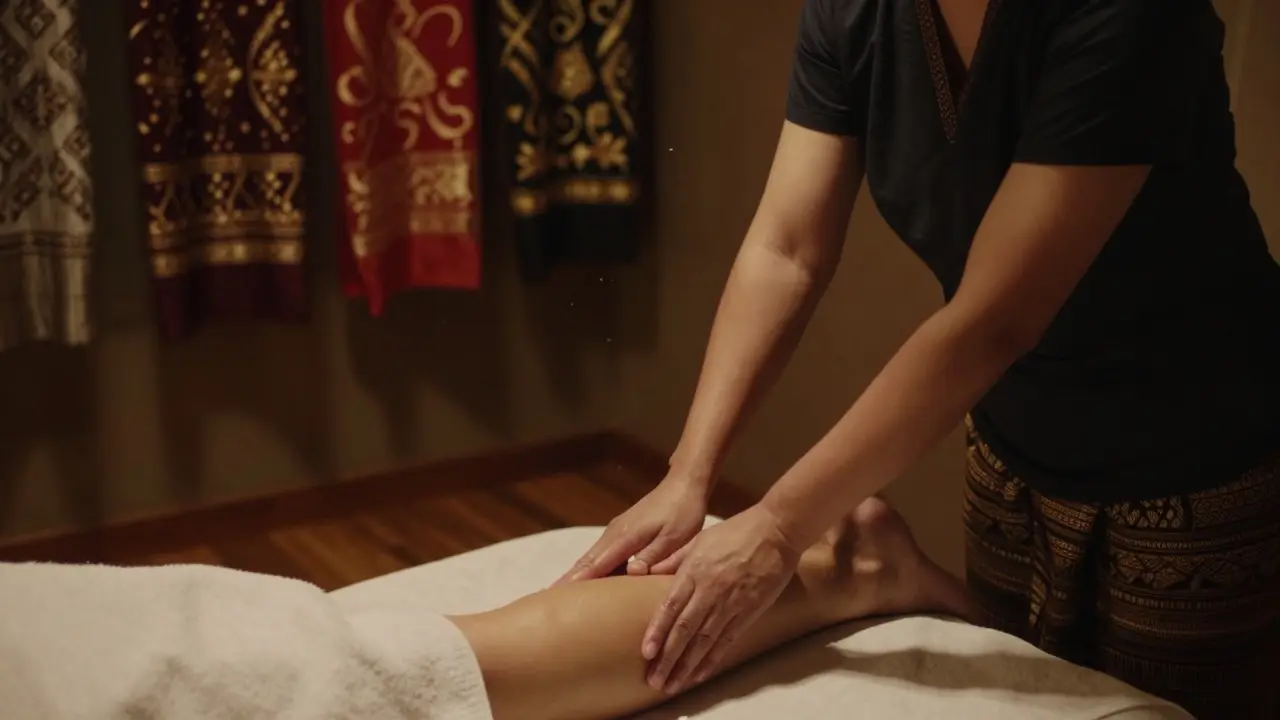
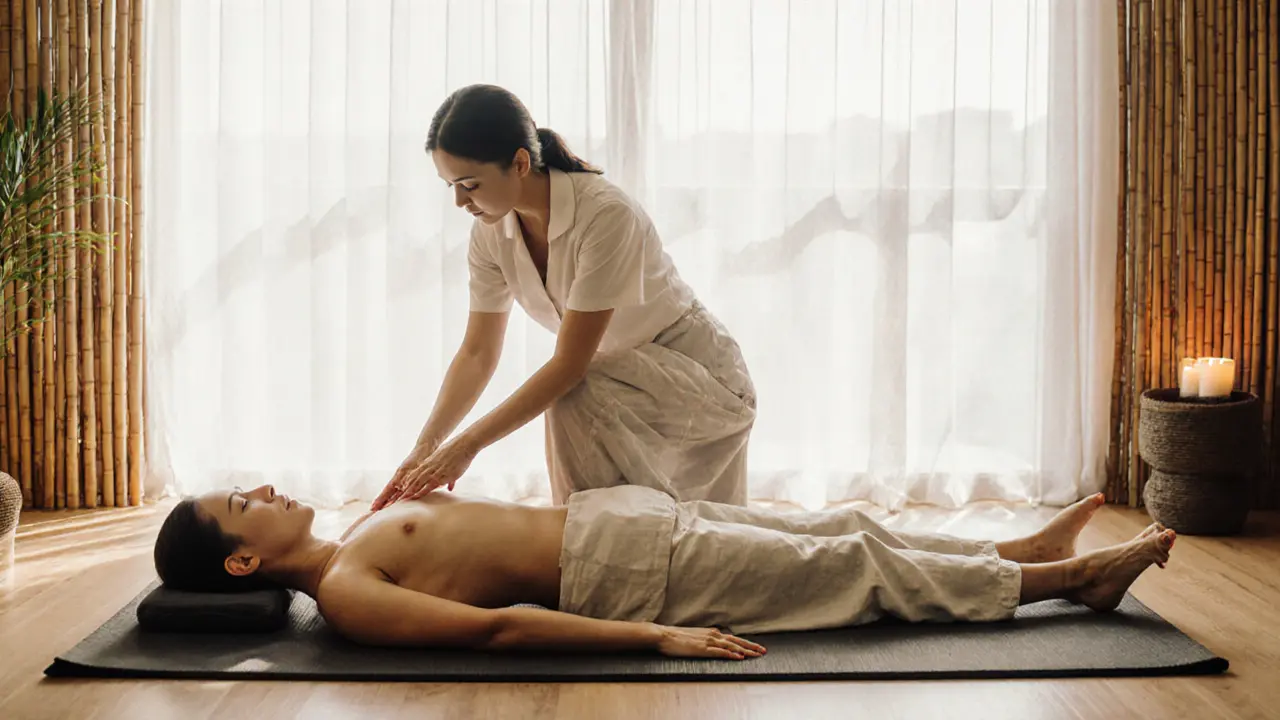
In Dubai, Thai massage is offered in high-end spas, wellness centers, and even some hotels. The room is quiet, dimly lit, and warm. There’s no music with lyrics-just soft ambient sounds or silence. You’ll be led to a clean, padded mat on the floor. A small towel or sheet may be draped over you for modesty. There’s no scent of oils. No candles. Just simplicity. The therapist will greet you warmly, ask about any injuries or preferences, and leave you alone to change into the provided clothing. It’s all very calm, respectful, and focused on your comfort.
Key Processes or Steps
A typical session follows a flow:
- You lie on your back. The therapist starts at your feet, applying pressure along the legs.
- You’re gently rolled onto your side, then your stomach. Stretches focus on the back, shoulders, and hips.
- Arms are stretched, wrists rotated, neck gently mobilized.
- Final stretches often involve deep forward bends and spinal twists.
- You’re left to rest for a few minutes before being offered water.
There’s no talking during the session unless you initiate it. The therapist works intuitively, adjusting pressure based on your breathing and body language.
Customization Options
Thai massage isn’t one-size-fits-all. You can ask for:
- Lighter pressure if you’re sensitive
- More focus on your lower back or shoulders
- Shorter sessions (30 minutes) if you’re new
- No deep stretches if you’re recovering from an injury
Good therapists will adjust on the spot. Don’t be shy. This is your body.
Communication and Preparation
Before your session, avoid heavy meals. Wear loose, stretchy clothes to the spa-no jeans or tight leggings. Arrive 10 minutes early to fill out a quick form. Tell your therapist about any recent injuries, surgeries, or conditions like pregnancy or high blood pressure. If you’re nervous, say so. Most therapists have seen first-timers panic. They’ve got this.
How to Practice or Apply Thai Massage
Setting Up for Success
If you’re trying Thai massage for the first time in Dubai, pick a spa with certified therapists. Look for places that mention Thai Healing Alliance or traditional training. Avoid places that push you into couples’ rooms or offer “romantic Thai massage”-that’s not authentic. Stick to wellness-focused centers. Bring a water bottle. Hydrate before and after.
Choosing the Right Tools/Resources
You don’t need tools for the session-just your body. But after, consider a foam roller or yoga strap to maintain flexibility. Some spas sell herbal compresses or balms made with traditional Thai ingredients like turmeric and lemongrass. These can help extend the benefits at home.
Step-by-Step Guide
Here’s how to approach your first Thai massage:
- Book a 60-minute session. Start simple.
- Wear comfortable, loose clothing to the spa.
- Arrive early, hydrate, and use the restroom.
- Communicate your needs clearly to the therapist.
- Relax and breathe. Let the therapist move you.
- Afterward, drink water and rest. Avoid intense exercise.
Tips for Beginners or Couples
First-timers often feel awkward. That’s normal. Breathe. If something hurts, say “less pressure.” You’re not being rude-you’re helping. Couples can do Thai massage together, but it’s better to go solo first. You’ll feel more open to the experience without worrying about someone else watching. If you do go as a pair, book side-by-side sessions. Don’t try to mirror each other’s reactions.
Safety and Ethical Considerations
Choosing Qualified Practitioners/Resources
In Dubai, anyone can call themselves a masseuse. Look for therapists trained in Thailand or certified by Thai institutions. Ask if they’ve studied at Wat Pho, the birthplace of Thai massage. Check reviews for mentions of “professional,” “respectful,” or “clear boundaries.” Avoid places that don’t list therapist credentials.
Safety Practices
Here’s how to stay safe:
| Practice | Purpose | Example |
|---|---|---|
| Wear provided clothing | Hygiene and modesty | Loose cotton pants and top |
| Communicate discomfort | Prevent injury | Say “too much” or “stop” anytime |
| Hydrate after | Flush out toxins | Drink 1-2 glasses of water |
Setting Boundaries
You own your body. Always. If a therapist touches you in a way that feels inappropriate, speak up. If they insist on adjusting your underwear or insist you remove clothing, walk out. Real Thai massage doesn’t require nudity. Any suggestion otherwise is a red flag.
Contraindications or Risks
Thai massage isn’t for everyone. Avoid it if you have:
- Recent fractures or severe osteoporosis
- Deep vein thrombosis (blood clots)
- Open wounds or skin infections
- Advanced pregnancy (unless cleared by your OB)
- Severe hypertension or heart conditions
Always consult your doctor if you’re unsure. Better safe than sorry.
Enhancing Your Experience with Thai Massage
Adding Complementary Practices
Pair Thai massage with meditation or breathwork. Try a 10-minute guided breathing session after your massage. Or take a quiet walk in the park afterward. Avoid screens for an hour. Let the calm settle.
Collaborative or Solo Engagement
Thai massage is best done alone. It’s a personal journey. But if you want to share the experience, try learning simple stretches together at home. There are YouTube videos that teach basic Thai techniques. Just don’t try to massage each other deeply without training. You could hurt someone.
Using Tools or Props
After your session, use a foam roller on your calves or a tennis ball under your feet. These mimic the pressure points worked during the massage. Some people use herbal heat packs to soothe sore spots. They’re available at wellness stores in Dubai.
Regular Engagement for Benefits
One session feels amazing. Two sessions a month? That’s when real change happens. Think of it like going to the gym. Your body remembers. After four weeks, you’ll notice you sit differently, sleep deeper, and move easier. Consistency is the secret.
Finding Resources or Experts for Thai Massage
Researching Qualified Practitioners/Resources
Look for spas with therapists trained in Thailand. Ask if they’ve studied at Wat Pho or have a certificate from the Thai Traditional Medicine Institute. Check Google reviews for keywords like “professional,” “respectful,” and “no pressure.” Avoid places that sell packages with “romantic” or “sensual” in the title.
Online Guides and Communities
YouTube has great free demos from certified Thai therapists. Search for “Wat Pho Thai massage demonstration.” The Thai Healing Alliance has a directory of certified practitioners worldwide. Dubai-based wellness blogs like Dubai Wellness Hub also list trusted spas.
Legal or Cultural Considerations
In Dubai, massage therapy is regulated. Licensed spas must follow health and safety codes. Avoid unlicensed homes or hotels offering “Thai massage” without clear credentials. Respect cultural norms-no overt flirting, no touching outside the session, no photos. This is healing, not entertainment.
Resources for Continued Learning
Want to go deeper? Read “The Art of Thai Massage” by Dr. Supachai Srisuwan. Watch the documentary “The Healing Hands of Thailand.” Take a weekend workshop at a Dubai wellness center. You don’t need to become a therapist to appreciate the art.
FAQ: Common Questions About Thai Massage
Do you take everything off for a Thai massage?
No. You stay fully clothed in loose, comfortable clothing provided by the spa-usually cotton pants and a top. Thai massage is done on a mat, without oils, and involves stretching and pressure through fabric. It’s not about exposure. It’s about movement and energy flow. If a therapist asks you to remove clothing, they’re not practicing authentic Thai massage.
What happens during a Thai massage?
You lie on a mat while the therapist uses their hands, elbows, knees, and feet to apply pressure along energy lines and guide you through yoga-like stretches. No oils are used. The session flows from feet to head, with gentle twists, pulls, and compressions. You may feel deep pressure, but it should never be painful. The therapist adjusts based on your breathing and feedback. It’s not a passive experience-you’re actively moved, but always in control.
How does Thai massage differ from Swedish massage?
Swedish massage uses oils, skin contact, and light-to-medium strokes to relax muscles. Thai massage uses no oils, keeps you clothed, and focuses on stretching and energy lines. Swedish is about relaxation. Thai is about mobility and balance. One feels like a warm hug. The other feels like a guided yoga session with a strong, skilled partner.
Is Thai massage suitable for beginners?
Absolutely. Many first-timers are nervous, but Thai massage is adaptable. Therapists adjust pressure and movement based on your comfort. Start with a 60-minute session and ask for lighter stretching. Don’t compare it to other massages. Let yourself be guided. You don’t need to be flexible, strong, or experienced. You just need to show up.
What should I wear to a Thai massage in Dubai?
Wear loose, stretchy clothes to the spa-like yoga pants and a t-shirt. The spa will give you clean, breathable cotton pants and a top to change into. Avoid tight jeans, dresses, or anything with zippers or buttons. You’ll be moving in all directions, so comfort is key. No underwear changes are needed-your provided outfit covers everything.
Conclusion: Why Thai Massage is Worth Exploring
A Path to Better Movement
Thai massage isn’t just about feeling good for an hour. It’s about reclaiming how your body moves. If you’ve spent years hunched over screens, sitting in traffic, or ignoring tight hips and stiff shoulders, this is your reset button. It’s not flashy. It doesn’t promise miracles. But it delivers real, lasting change-if you let it.
Try It Mindfully
Don’t go in expecting a spa fantasy. Go in to feel your body again. Let the therapist guide you. Breathe. Say what you need. And after? Drink water. Rest. Notice how you move differently the next day.
Share Your Journey
Tried Thai massage in Dubai? Share your experience in the comments. Did you expect to be naked? Were you surprised by how good it felt? Follow this blog for more honest guides to wellness in the city. And if you’re ready to try it-book your first session this week. Your body will thank you.
Some links may be affiliate links, but all recommendations are based on research and quality.
Word count: 1,723
Suggested Images
- A serene Thai massage session on a padded floor mat in a Dubai spa, with a client in loose cotton clothing, therapist using hands and knees for pressure.
- Close-up of hands applying pressure along a leg during Thai massage, showing clothing and natural lighting.
- Before-and-after comparison: person looking stiff and tense vs. relaxed and smiling after a session.
- Therapist in traditional Thai attire, standing respectfully beside a mat, with a calm, professional expression.
- Spa room with dim lighting, bamboo decor, and a single mat-no oils, no candles, no distractions.
Suggested Tables
- Comparison of Thai Massage vs. Other Massage Types
- Thai Massage Safety Tips
- Key Benefits of Thai Massage (Benefit, Description, Impact)