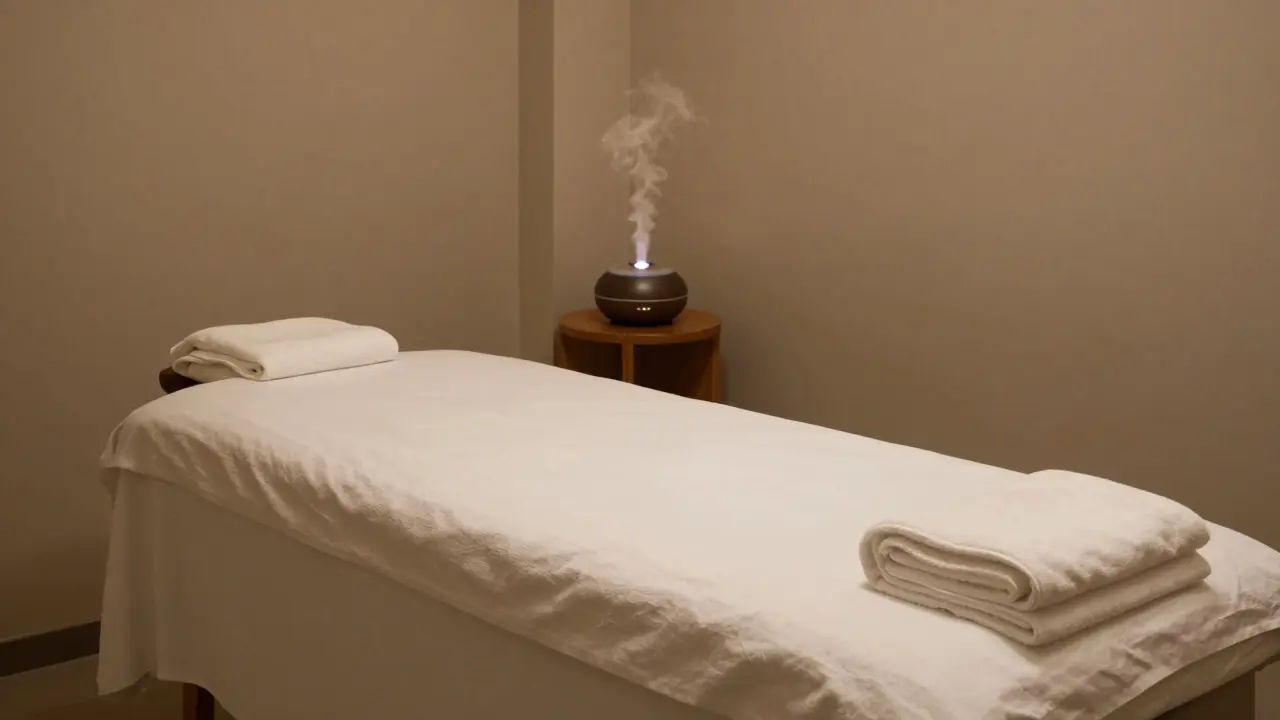
Deep tissue massage is one of the most effective therapies for chronic muscle tension, sports injuries, and stress-related pain. But if you’ve never had one before, you might be wondering: Do you wear clothes during deep tissue massage? The short answer? It depends on your comfort level - but most people don’t wear much. Let’s clear up the confusion, so you walk into your session feeling calm, not confused.
Understanding the Basics of Deep Tissue Massage
Origins and History
Deep tissue massage didn’t just appear out of nowhere. It evolved from traditional Swedish massage in the early 20th century, but took a sharper turn toward treating deeper layers of muscle and connective tissue. Therapists noticed that pressure applied slowly and deliberately could break up adhesions - those stubborn knots that form from injury, poor posture, or repetitive strain. By the 1980s, it became a staple in physical therapy and sports medicine clinics. Today, it’s one of the most requested treatments in spas from Dubai to Denver.
Core Principles or Components
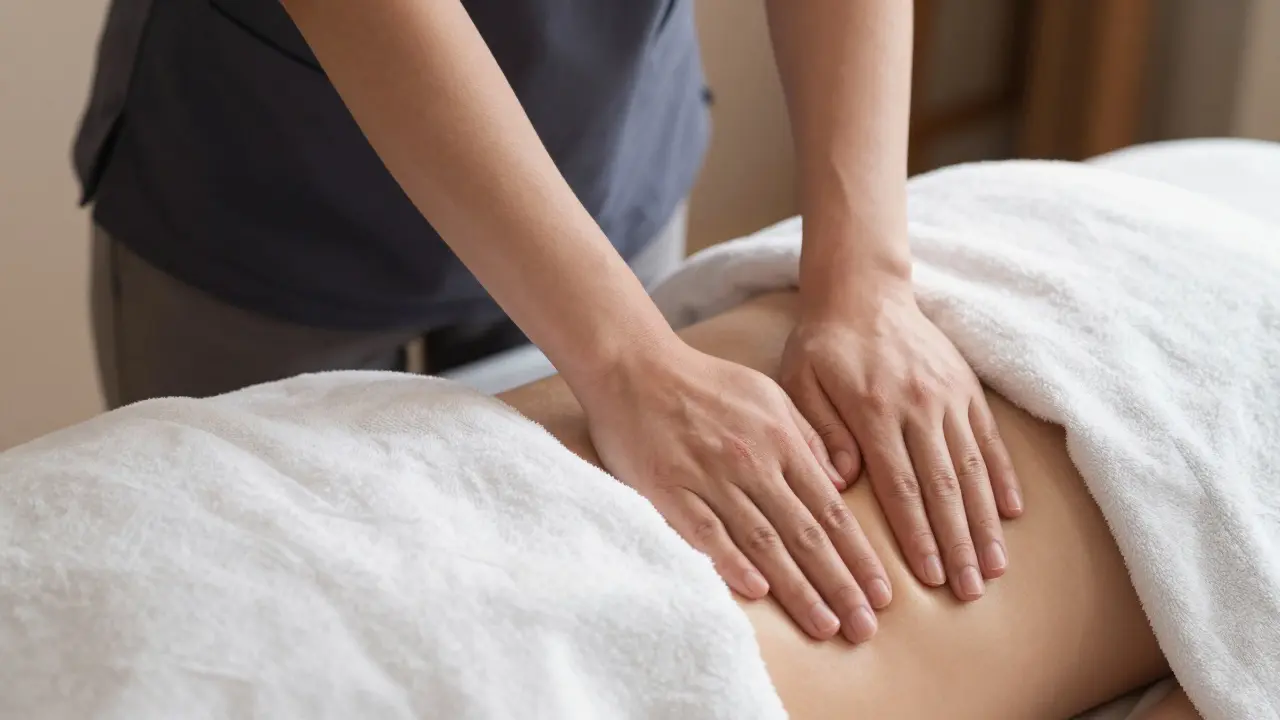
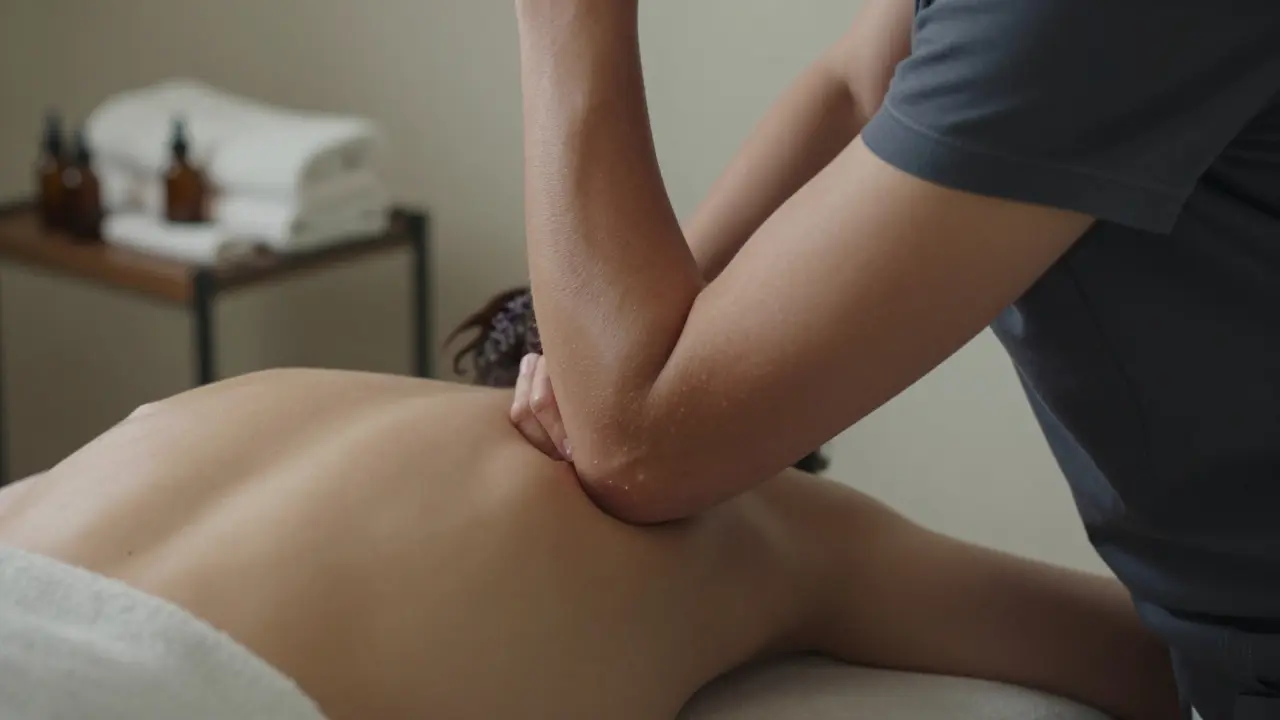
Unlike a relaxing Swedish massage, deep tissue isn’t about light strokes and lavender scents. It’s about targeted pressure. The therapist uses their knuckles, elbows, or forearms to reach muscles beneath the surface. You’ll feel intensity - sometimes even discomfort - but it shouldn’t hurt. The goal? Release chronic tension, improve mobility, and restore function. Sessions usually last 60 to 90 minutes, and the pressure builds gradually. A good therapist checks in often: "Is this too much?" That’s not just politeness - it’s part of the technique.
How It Differs from Related Practices
People often confuse deep tissue with Swedish, sports, or trigger point massage. Here’s how they stack up:
| Practice | Key Feature | Primary Benefit |
|---|---|---|
| Deep Tissue | Slow, focused pressure on deep muscle layers | Breaks down chronic tension and scar tissue |
| Swedish Massage | Light to medium strokes, rhythmic | Relaxation, stress reduction |
| Sports Massage | Pre- and post-event focus, dynamic movements | Improves athletic performance and recovery |
| Trigger Point Therapy | Targets specific knots with sustained pressure | Reduces localized pain and referred pain patterns |
Who Can Benefit from Deep Tissue Massage?
If you sit at a desk all day, carry kids, train hard, or wake up stiff every morning - this is for you. Athletes use it to recover faster. Office workers find relief from neck and shoulder pain. Even people with fibromyalgia or arthritis (under professional guidance) report improved movement. It’s not for everyone, though. If you have acute injuries, open wounds, or are on blood thinners, talk to your doctor first.
Benefits of Deep Tissue Massage for Your Body
Stress Reduction
It sounds odd, right? A massage that hurts helps you relax? Yes. Deep tissue works because it triggers your parasympathetic nervous system - the "rest and digest" switch. As tight muscles release, your body lowers cortisol (the stress hormone). Many clients say they feel calmer 24 hours after the session. One woman in Dubai told me she slept through the night for the first time in months after just two sessions.
Enhanced Functionality
Think of your muscles like tangled ropes. Over time, they get knotted and stiff. Deep tissue untangles them. This means better posture, easier movement, and less pain when you bend, reach, or lift. People who’ve had this done regularly notice they can lift groceries without wincing, or sit at their desk without their lower back screaming.
Emotional Well-Being
There’s a reason people cry during deep tissue sessions. Tension isn’t just physical - it’s emotional. Holding stress in your shoulders? That’s real. When those muscles finally let go, emotions often follow. It’s not therapy, but it can feel like it. Many report feeling lighter, more grounded, even happier after treatment.
Practical Applications
You don’t need to be an athlete to benefit. Here’s how it fits into daily life:
| Benefit | Description | Impact |
|---|---|---|
| Improved posture | Releases tight chest and hip muscles that pull you forward | Less neck and back pain |
| Faster recovery | Increases blood flow to damaged tissue | Shorter downtime after workouts |
| Reduced headaches | Relieves tension in neck and upper back | Fewer tension headaches |
| Better sleep | Calms the nervous system | Deeper, more restful sleep |
What to Expect When Engaging with Deep Tissue Massage
Setting or Context
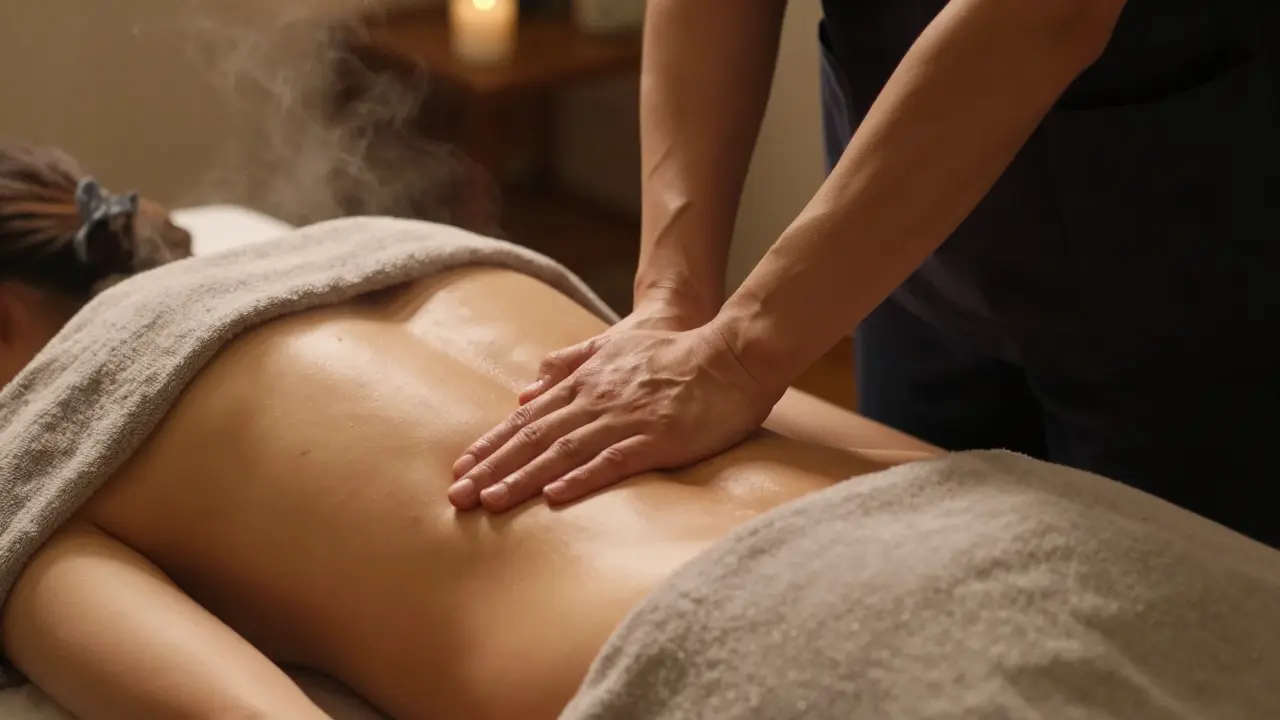
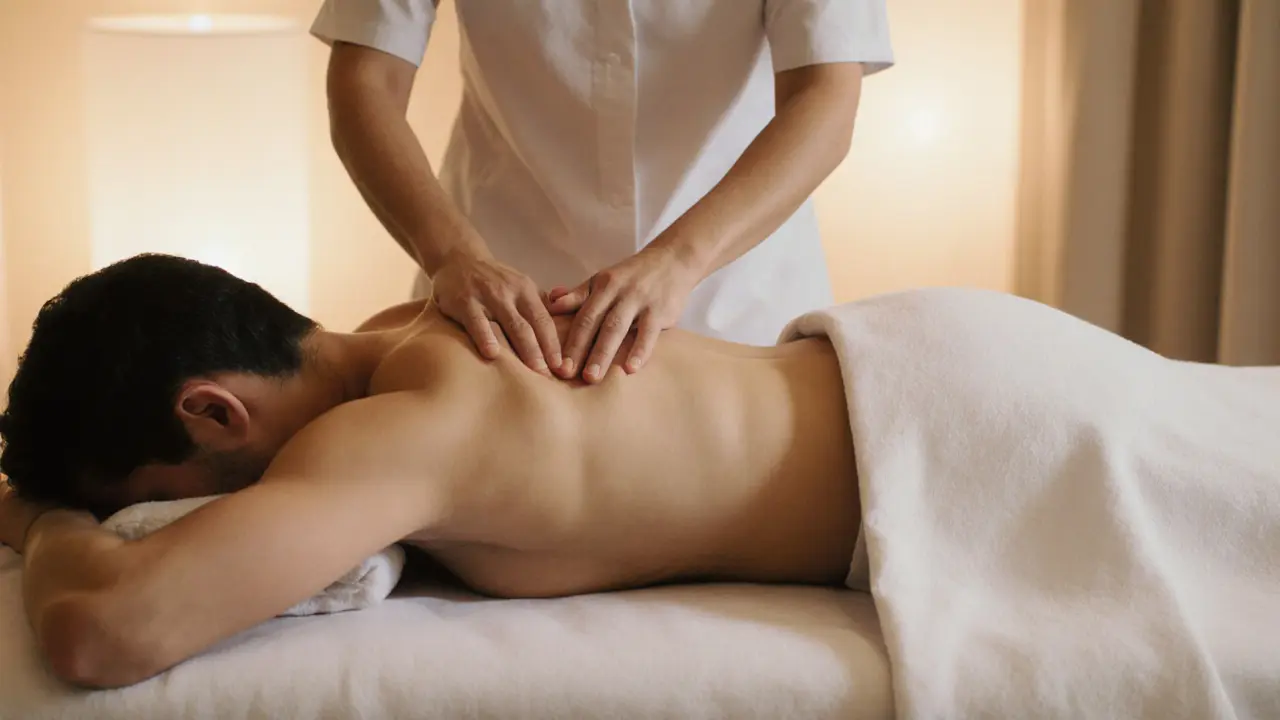
Most sessions happen in quiet, dimly lit rooms with warm lighting. You’ll lie on a padded table, covered with a sheet. The room is usually heated - not too hot, just enough to help muscles relax. Scented oils may be used, but not overpowering. In Dubai, many spas use cooling oils in summer to keep the experience refreshing. The therapist knocks before entering. You’re never alone without permission.
Key Processes or Steps
Here’s what typically happens:
- You fill out a short health form - injuries, medications, allergies.
- You discuss your goals: "I need help with my lower back," or "My shoulders are always tight."
- You undress to your comfort level and get covered with a drape.
- The therapist begins with lighter strokes to warm the muscles.
- Then they apply deeper pressure, working slowly through problem areas.
- You’ll be asked to breathe deeply - this helps muscles release.
- At the end, they’ll gently re-drape you and leave the room so you can get dressed.
Customization Options
Every body is different. If you’re sensitive to pressure, say so. If you have a scar or recent surgery, let them know. Some therapists use tools like foam rollers or myofascial release bands. Others focus only on hands. You can also ask for extra time on one area - say, your left hip from that old running injury.
Communication and Preparation
Speak up. Always. If it hurts too much, say "slower" or "less pressure." A good therapist won’t take it personally - they’ll adjust. Arrive 10 minutes early. Drink water before and after. Avoid heavy meals. And if you’re nervous? That’s normal. Just breathe. You’re not being judged.
How to Practice or Apply Deep Tissue Massage
Setting Up for Success
You don’t need to prepare much - just be ready to relax. Wear loose clothes to and from the session. Leave your phone in your bag. If you’re coming from work, change into something comfortable. Bring a water bottle. Some people like to journal afterward - it helps process how they feel.
Choosing the Right Practitioner
Look for someone certified in deep tissue techniques. In Dubai, many spas list their therapists’ credentials. Ask: "What training do you have?" "How long have you done deep tissue?" Don’t be shy. A good therapist will be happy to explain their background. Look for reviews that mention "pressure," "communication," and "results."
Step-by-Step Guide
Here’s what to do before, during, and after:
- Before: Hydrate. Avoid caffeine or alcohol 4 hours prior.
- During: Breathe. Don’t hold your breath - it tenses muscles. Let the therapist know if something feels off.
- After: Drink water. Wait at least 2 hours before intense exercise. You might feel sore for 24-48 hours - that’s normal.
Tips for Beginners
First-timers often worry about nudity. Here’s the truth: You’re covered at all times. Only the area being worked on is exposed. If you’re uncomfortable, wear underwear. Some people wear shorts. Others prefer to go bare. It’s your call. The therapist sees hundreds of bodies - yours isn’t unusual. Focus on your comfort, not their expectations.
Safety and Ethical Considerations
Choosing Qualified Practitioners
Not everyone who calls themselves a "massage therapist" is trained in deep tissue. Look for certifications from recognized bodies like the International Association of Massage Therapists (IAMT) or local licensing boards. In Dubai, reputable spas require therapists to hold government-recognized qualifications. Ask to see their credentials if unsure.
Safety Practices
Hygiene matters. Here’s what to expect:
| Practice | Purpose | Example |
|---|---|---|
| Disinfecting tables | Prevents infection | Wiped down between clients with hospital-grade cleaner |
| Using fresh linens | Keeps skin healthy | Each client gets new sheets and towels |
| Washing hands | Prevents cross-contamination | Before and after every session |
Setting Boundaries
Your body, your rules. If you don’t want your back exposed, say so. If you’re uncomfortable with a certain technique, stop it. No therapist will pressure you. You can even ask them to avoid certain areas - like your ribs or lower back if you’re pregnant or healing from surgery.
Contraindications or Risks
Deep tissue isn’t for everyone. Avoid it if you have:
- Recent surgery or open wounds
- Blood clots or are on blood thinners
- Severe osteoporosis
- Active infections or fever
- Advanced cancer (without doctor approval)
If you’re unsure, talk to your doctor. Better safe than sorry.
Enhancing Your Experience with Deep Tissue Massage
Adding Complementary Practices
Pair your massage with stretching, foam rolling, or even meditation. A 10-minute stretch after your session can double the benefits. Some people start yoga - it helps maintain the freedom your muscles gained. Hydration and sleep also matter. Your muscles repair while you rest.
Collaborative or Solo Engagement
This is a solo experience. No partners, no distractions. It’s about you and your body. That’s the point. If you want to share the experience, talk about it afterward. But the session itself? Quiet, private, personal.
Using Tools or Props
Most therapists don’t need gadgets. But if you’re doing self-care at home, a foam roller or massage ball can help maintain results. Don’t try to replicate deep tissue at home - it takes training. But gentle rolling between sessions? That’s smart.
Regular Engagement for Benefits
One session won’t fix years of tension. Most people start with monthly sessions, then go to every 6-8 weeks. Athletes might go weekly. If you’re managing chronic pain, consistency beats intensity. Think of it like brushing your teeth - regular care prevents bigger problems.
Finding Resources or Experts for Deep Tissue Massage
Researching Qualified Practitioners
In Dubai, check spa websites for therapist bios. Look for terms like "certified deep tissue specialist," "sports massage therapist," or "licensed massage practitioner." Read reviews that mention specific results: "My shoulder pain vanished," or "They knew exactly where to press."
Online Guides and Communities
Reputable sites like the American Massage Therapy Association (AMTA) or the International Association of Healthcare Practitioners offer free guides on what to expect. Avoid blogs that promise "miracle cures" - deep tissue isn’t magic. It’s science, slowly applied.
Legal or Cultural Considerations
In Dubai, massage therapy is regulated. Therapists must be licensed. Mixed-gender sessions are common and professional. Modesty is respected - draping is always used. No one will ask you to do anything uncomfortable. If you feel uneasy, you have every right to leave.
Resources for Continued Learning
Want to learn more? Books like "The Muscle and Bone Palpation Manual" by Margaret Moore give insight into anatomy. YouTube channels like "Massage Therapy Channel" show techniques (without pressure). But don’t try to self-treat deep tissue - leave that to the pros.
FAQ: Common Questions About Deep Tissue Massage
Do you wear clothes during deep tissue massage?
Most people undress to their comfort level - usually underwear or nothing at all. You’re covered with a sheet the whole time, and only the area being worked on is exposed. You can wear shorts or a sports bra if you prefer. The therapist will never touch anything you don’t want touched. Your comfort comes first.
What happens during a deep tissue massage?
The session starts with light strokes to warm the muscles. Then the therapist uses slow, deep pressure - often with elbows or forearms - to reach tight layers beneath the surface. You’ll be asked to breathe deeply. They’ll check in often: "Is this okay?" You might feel discomfort, but not sharp pain. The goal is release, not punishment. At the end, you’ll be left alone to get dressed.
How does deep tissue massage differ from Swedish massage?
Swedish massage is about relaxation - long, flowing strokes with light to medium pressure. Deep tissue is about results - slow, focused pressure on deep muscle layers. Swedish feels like a warm hug. Deep tissue feels like a stubborn knot finally letting go. One soothes; the other repairs.
Is deep tissue massage painful?
It should feel intense, not painful. Think "good hurt" - like when you stretch a tight muscle. If it hurts, speak up. A good therapist adjusts pressure instantly. Pain means you’re tensing up - which defeats the purpose. You should never leave a session feeling bruised or sore for days. Mild soreness for a day is normal.
Can I get a deep tissue massage if I’m pregnant?
Yes - but only with a therapist trained in prenatal massage. Deep tissue pressure on the lower back or abdomen isn’t safe during pregnancy. A skilled therapist will modify techniques, avoid certain areas, and use side-lying positions. Always inform them you’re pregnant. Many find it helps with sciatic pain and swelling.
Conclusion: Why Deep Tissue Massage is Worth Exploring
A Path to Physical Freedom
Deep tissue massage isn’t a luxury - it’s a tool for reclaiming your body. Whether you’re sitting all day, recovering from an injury, or just tired of waking up stiff, this therapy gives you back control. It’s not magic. But it’s science - applied with care.
Try It Mindfully
Start with one session. Don’t go in expecting miracles. Go in expecting to feel something - maybe tension you didn’t even know you were holding. Let the therapist guide you. Listen to your body. And if it feels right? Book another.
Share Your Journey
Tried deep tissue massage? Share your experience in the comments - what you wore, what surprised you, what changed. Follow this blog for more honest guides to wellness in Dubai and beyond.
Some links may be affiliate links, but all recommendations are based on research and quality.
Word count: 1,678
Suggested Visuals
- A serene spa room in Dubai with dim lighting, a massage table draped in white linen, and soft towels folded neatly.
- A therapist using forearm pressure on a client’s back, with a sheet covering the client’s body.
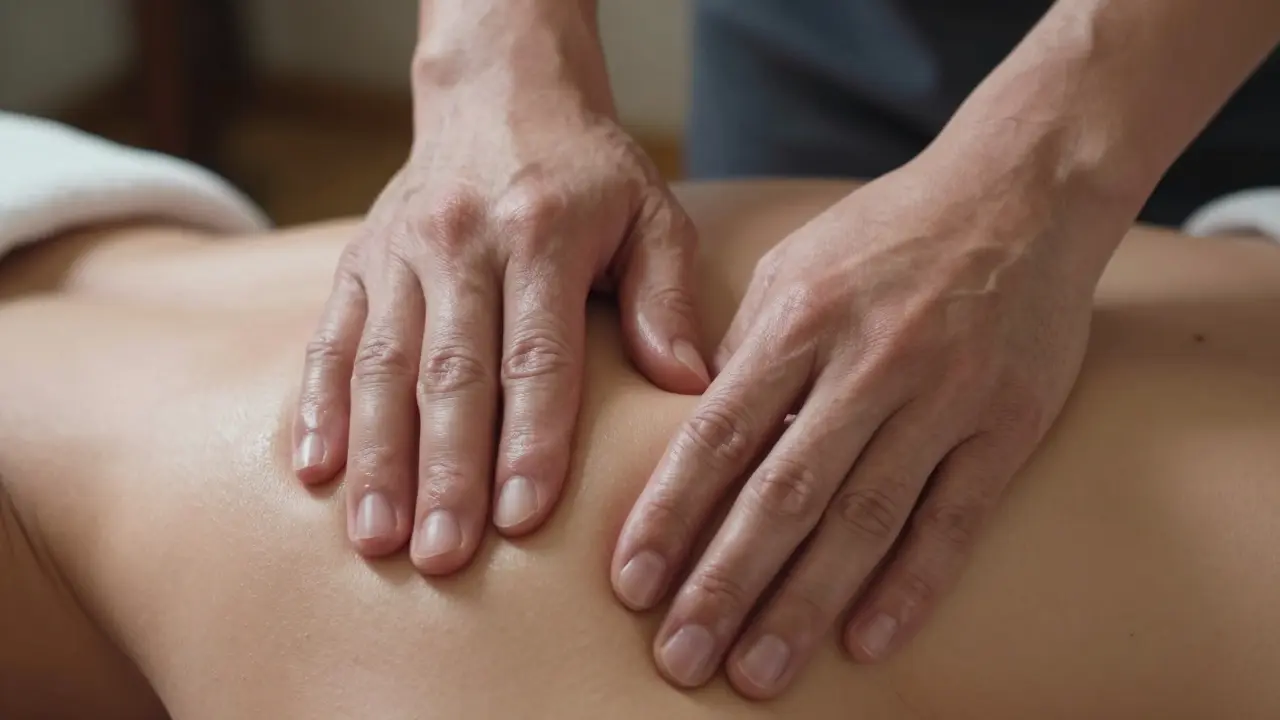
- A close-up of hands applying deep pressure to a shoulder, with a blurred background to emphasize technique.
- A person stretching after a massage, smiling, with water bottle nearby.
- A comparison of two clients - one in underwear, one in shorts - both draped and comfortable during treatment.
Suggested Tables
- Comparison of Massage Types (already included in article)
- Key Benefits of Deep Tissue Massage (already included in article)
- Safety Practices During Massage (already included in article)

onyekachukwu Ezenwaka
March 14, 2026 AT 19:14yo i got my first deep tissue last week and i wore boxers. no big deal. therapist didn't care. she said 80% of guys wear underwear, 20% go full nude. she's seen it all. just relax. your body ain't weird. she's paid to not judge.
also, drink water after. i didn't and i felt like a zombie for a day. dumb move.