Deep tissue massage is not just a stronger version of a regular massage. It’s a targeted therapy designed to reach the deepest layers of muscle and connective tissue, helping to break up chronic tension, improve mobility, and relieve pain that doesn’t go away with light pressure. If you’ve ever felt like your muscles are locked in place - like your shoulders are welded shut or your lower back refuses to loosen up - this might be the answer you’ve been looking for. But it’s not for everyone. And it’s not just about pain. Let’s break it down, step by step.
Understanding the Basics of Deep Tissue Massage
Origins and History
Deep tissue massage didn’t just pop up in a luxury spa. Its roots trace back to traditional massage techniques from ancient cultures, but it was formally developed in the 1940s by therapists in North America who noticed that chronic pain often came from tight, hardened muscle fibers - not just surface tension. These therapists began using slower, deeper strokes with more focused pressure to target adhesions, or "knots," in the fascia (the connective tissue wrapping muscles). Over time, it evolved into a recognized therapeutic method, now used by physical therapists, sports trainers, and licensed massage professionals worldwide. It’s not magic. It’s anatomy in action.
Core Principles or Components
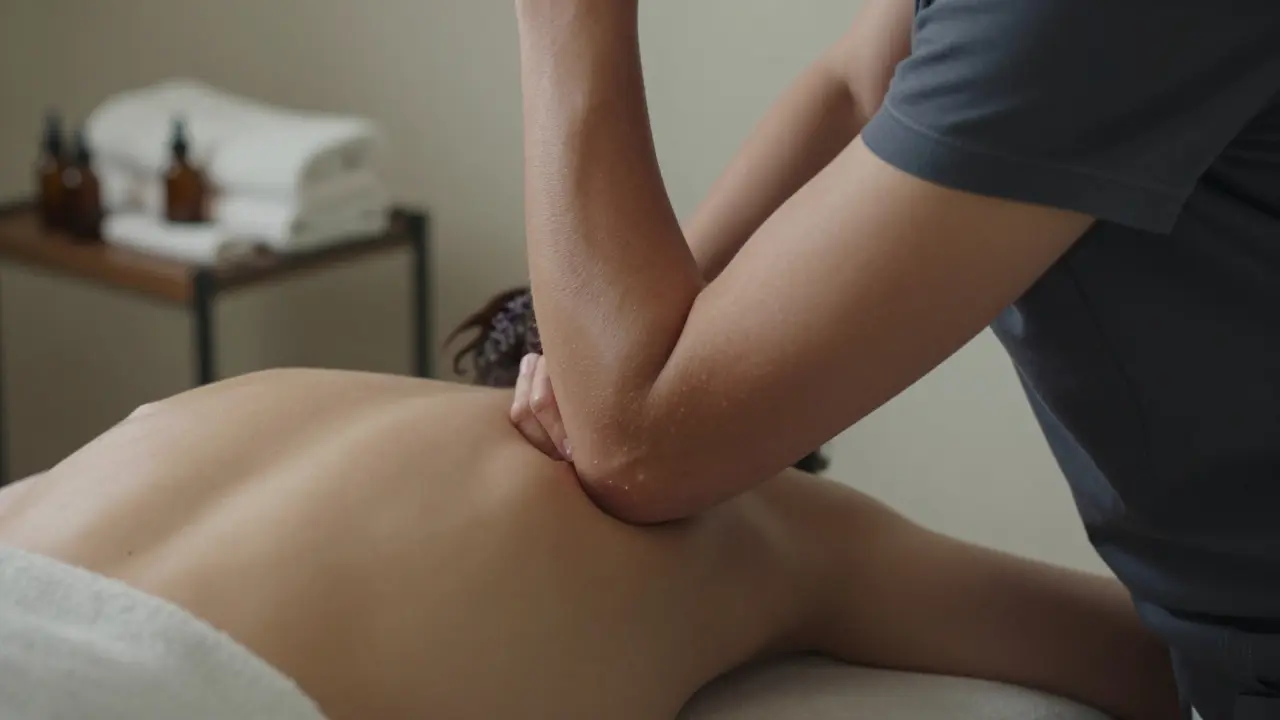
Deep tissue massage works on three key principles: pressure, direction, and timing. Unlike Swedish massage, which uses long, flowing strokes to relax, deep tissue uses slower, deliberate strokes - often with elbows, knuckles, or forearms - to penetrate past the top layer of muscle. The pressure isn’t just about being hard; it’s about being precise. Therapists follow the natural lines of muscle fibers, applying pressure where tension is trapped. Sessions typically last 60-90 minutes, and the goal isn’t to make you cry (though it might hurt a little), but to release long-standing patterns of tightness that regular massage can’t reach.
How It Differs from Related Practices
People often confuse deep tissue massage with sports massage, Swedish massage, or even chiropractic adjustments. Here’s how they stack up:
| Practice | Key Feature | Primary Benefit |
|---|---|---|
| Swedish Massage | Light to medium pressure, long flowing strokes | Relaxation, stress relief |
| Sports Massage | Focus on muscles used in athletic activity | Recovery, injury prevention |
| Deep Tissue Massage | Slow, focused pressure targeting deep muscle layers | Breaking chronic tension, correcting posture |
Think of it this way: Swedish massage is like smoothing out a crumpled piece of paper. Deep tissue is like carefully peeling off layers of duct tape that’s been stuck for years.
Who Can Benefit from Deep Tissue Massage?
You don’t have to be an athlete or someone with chronic pain to benefit. If you sit at a desk all day and feel your neck tighten up by 3 p.m., this could help. If you’ve had an old injury that never fully healed - say, a shoulder strain from lifting boxes years ago - deep tissue can help realign the tissue around it. Even people with arthritis, fibromyalgia, or lower back pain (under medical supervision) often find relief. But it’s not for everyone. If you’re sensitive to pressure, have open wounds, or are recovering from surgery, you’ll need to talk to your doctor first.
Benefits of Deep Tissue Massage for Your Body
Stress Reduction
It sounds counterintuitive - how can something that hurts help you relax? But here’s the science: chronic muscle tension keeps your nervous system stuck in "fight or flight" mode. When deep tissue breaks up those knots, your body gets the signal that it’s safe to calm down. Cortisol levels drop. Heart rate slows. Many clients report feeling lighter, calmer, even sleepier after a session - not because they were "massaged into submission," but because their nervous system finally got a break.
Enhanced Functionality
Think about how you move. If your hip flexors are tight from sitting, your stride changes. If your upper back is stiff, your shoulder rotation suffers. Deep tissue massage doesn’t just feel good - it helps you move better. By releasing adhesions in muscles and fascia, it restores natural range of motion. That means easier bending, reaching, walking, even sleeping on your side. For people with repetitive strain injuries - like carpal tunnel or tennis elbow - this can be a game-changer.
Emotional Well-Being
There’s a reason people cry during deep tissue sessions. Tension isn’t just physical. Emotions get stored in our bodies - stress, grief, anxiety - and over time, they tighten our muscles. Releasing that physical hold can trigger emotional release. It’s not therapy, but it can open the door to feeling more emotionally balanced. Many clients say they feel "lighter" emotionally after a session, even if they didn’t realize how heavy they’d been carrying.
Practical Applications
Here’s what this looks like in real life:
| Benefit | Description | Impact |
|---|---|---|
| Chronic pain relief | Targets persistent muscle tightness | Reduces reliance on painkillers |
| Improved posture | Releases muscles pulling body out of alignment | Less neck and lower back strain |
| Faster recovery | Increases blood flow to injured areas | Shortens healing time after workouts or injury |
| Reduced headaches | Relieves tension in neck and scalp muscles | Less frequent tension headaches |
What to Expect When Engaging with Deep Tissue Massage
Setting or Context
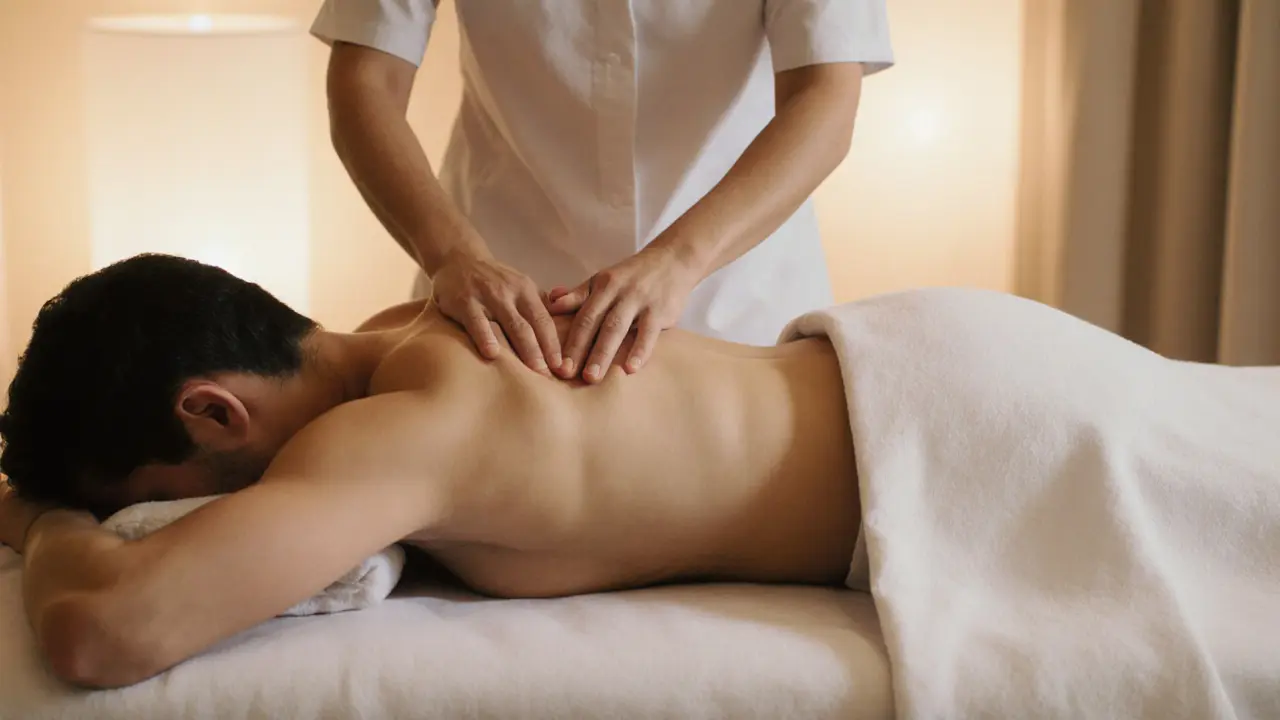
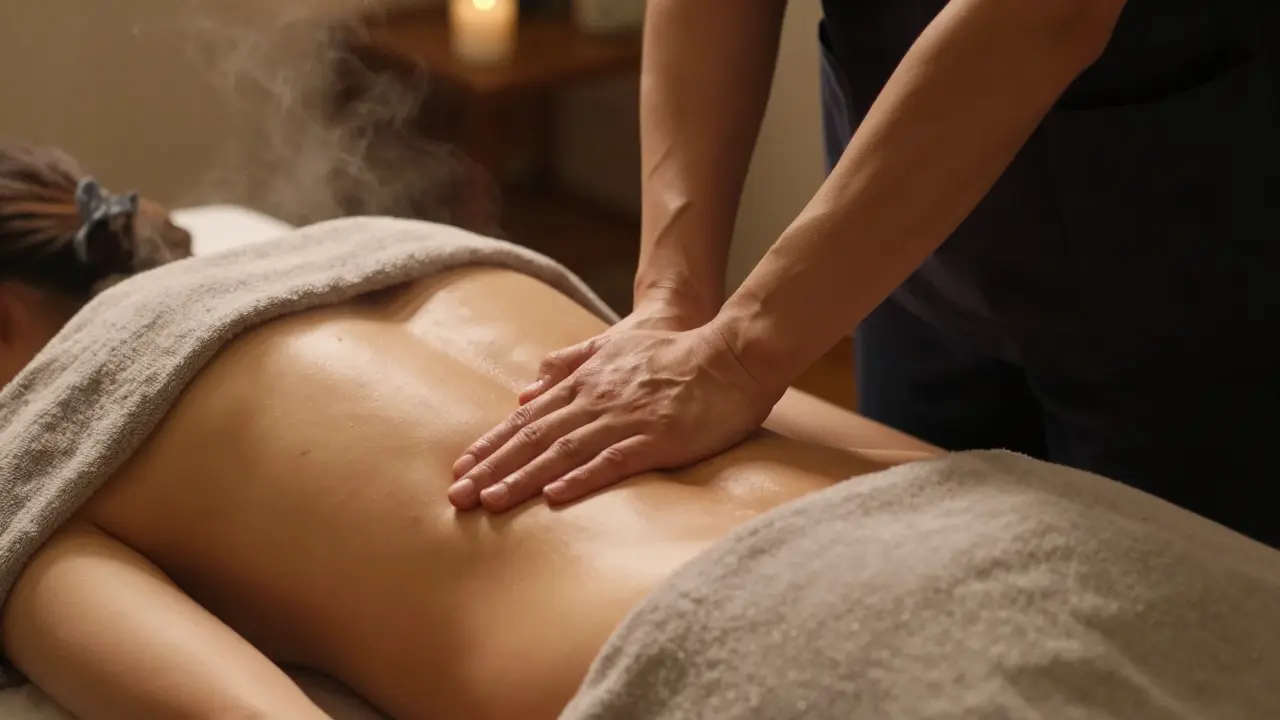
Most sessions happen in a quiet, warm room with soft lighting. You’ll lie on a padded table, covered with a sheet. The therapist will leave the room while you undress to your comfort level - most people keep underwear on. The room is usually heated slightly, because cold muscles resist deeper work. You’ll hear calming music or silence. It’s not a party. It’s a reset.
Key Processes or Steps
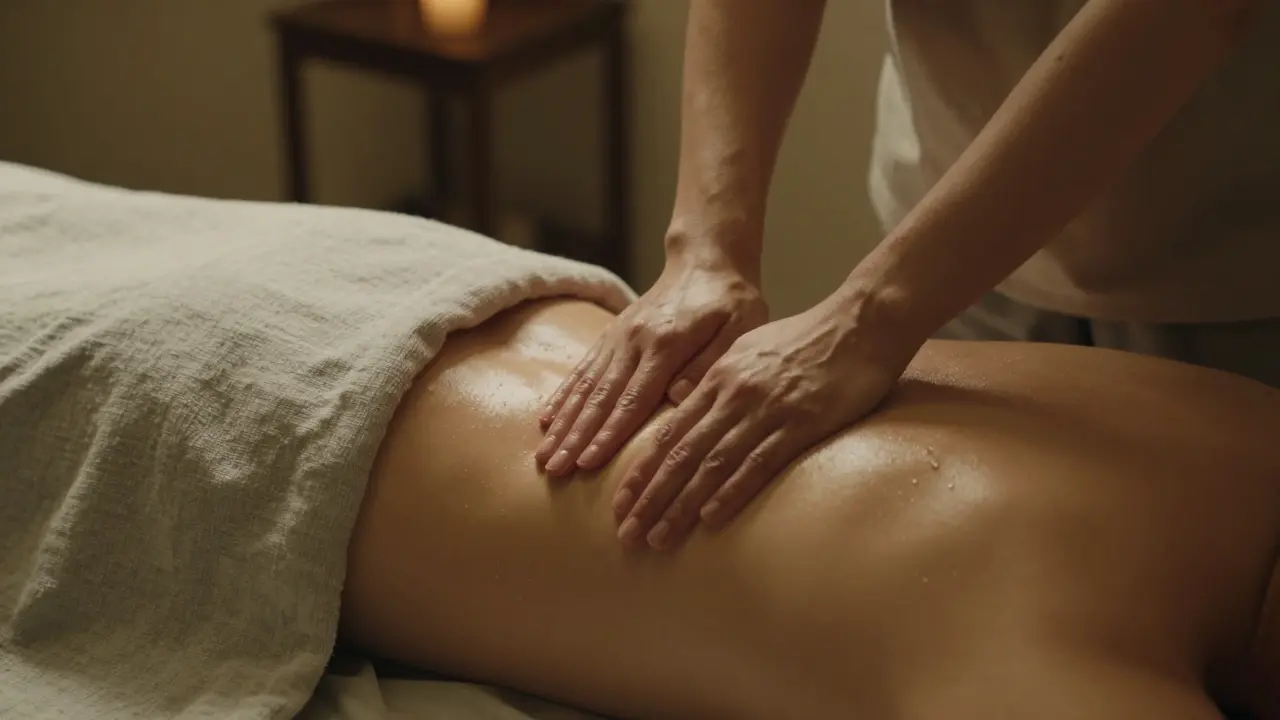
A typical session starts with light strokes to warm up the tissue. Then, the therapist shifts into deeper pressure. You might feel a burning or intense sensation - not sharp pain, but a "good hurt," like when you stretch a muscle you haven’t used in months. They’ll use slow, deliberate strokes, often holding pressure for 10-20 seconds at a time. You’ll be asked to breathe deeply. If you tense up, it makes the work harder. The therapist might use their forearm, elbow, or knuckles, depending on the area. Don’t be surprised if they ask you to shift position - they’re mapping your body’s tension like a detective.
Customization Options
Deep tissue isn’t one-size-fits-all. If you’re sensitive, the pressure can be adjusted. If you have a specific injury - say, a torn rotator cuff - the therapist will avoid that area entirely. Some sessions focus on one area (like lower back), others cover the whole body. You can also request more or less pressure at any time. Good therapists will check in: "Is this too much?" It’s your body. Your rules.
Communication and Preparation
Before the session, tell your therapist about any injuries, surgeries, or medical conditions. Mention if you’re pregnant, have osteoporosis, or are on blood thinners. Don’t be shy. The more they know, the safer the session. Also, drink water before and after. Deep tissue releases toxins stored in muscle tissue. Hydration helps flush them out. And skip heavy meals two hours before - your body needs to focus on healing, not digestion.

How to Practice or Apply Deep Tissue Massage
Setting Up for Success
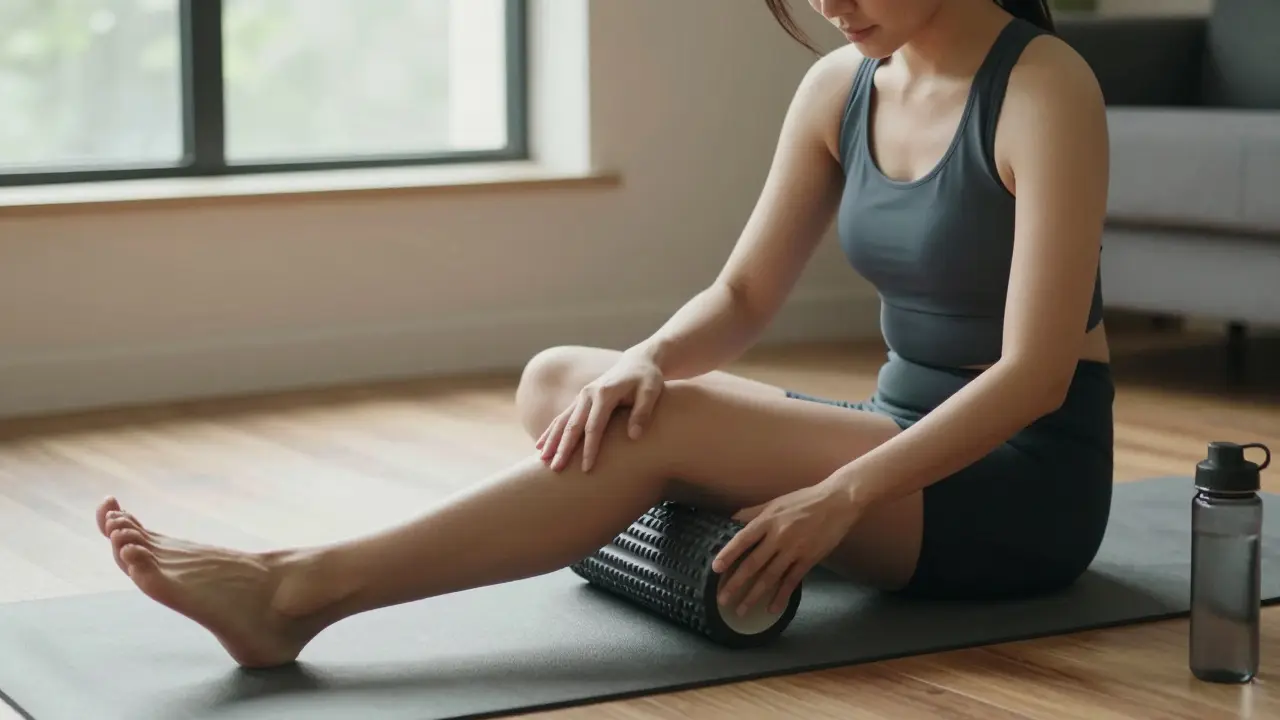
If you’re doing this at home - say, using a foam roller or massage gun - start slow. Don’t go straight for your lower back. Begin with your calves or thighs. Use gentle pressure. The goal isn’t to bruise yourself. Focus on one area for 30-60 seconds at a time. Breathe. If it hurts too much, back off. Consistency matters more than intensity.
Choosing the Right Tools or Professionals
For professional work, look for a licensed massage therapist (LMT) with training in deep tissue techniques. Check reviews. Ask if they’ve worked with clients who have your specific issue. Don’t go to someone who only does Swedish massage unless they’ve trained in deeper methods. For home tools, a high-quality foam roller or handheld massager with adjustable settings works best. Avoid cheap, low-vibration gadgets - they’re more for fun than function.
Step-by-Step Guide
Here’s a simple at-home routine:
- Warm up your body with 5 minutes of light movement - walking, jumping jacks.
- Use a foam roller on your quads, hamstrings, or back. Roll slowly, pausing on tight spots.
- Take deep breaths as you roll. Hold each tight spot for 15-20 seconds.
- Repeat 2-3 times per area, 3-4 times a week.
- Hydrate well after.
Tips for Beginners
First-time clients often panic when it hurts. Remember: discomfort ≠ damage. If you feel sharp pain, tell your therapist. If you’re nervous, ask for lighter pressure. You can always increase it next time. Most people feel sore the next day - like after a hard workout. That’s normal. Ice or a warm bath helps. And don’t skip the next session. The real magic happens after 3-5 visits.
Safety and Ethical Considerations
Choosing Qualified Practitioners
Always verify credentials. A licensed massage therapist has completed 500+ hours of training and passed a state exam. Look for certifications from organizations like the American Massage Therapy Association (AMTA). Avoid places that don’t list therapist qualifications. If it feels like a spa salon with no medical background, proceed with caution.
Safety Practices
Here’s what to expect from a safe session:
| Practice | Purpose | Example |
|---|---|---|
| Consent check-ins | Ensures comfort | "Is this pressure okay?" |
| Hygiene | Prevents infection | Therapist washes hands, uses clean linens |
| Pressure control | Prevents injury | Never pushes through sharp pain |
Setting Boundaries
You have the right to say "no" at any point. If a therapist touches you in a way that feels off, if they’re too chatty or pushy, stop. You can leave. A good therapist respects your boundaries - even if you say, "I’d prefer less pressure on my neck." Your comfort is non-negotiable.
Contraindications or Risks
Deep tissue isn’t safe for everyone. Avoid it if you have:
- Blood clots or are on blood thinners
- Recent surgery or fractures
- Severe osteoporosis
- Open wounds or infections
- Advanced cancer (unless approved by your oncologist)
If you’re pregnant, wait until after the first trimester and only go to a therapist trained in prenatal massage. Always consult your doctor if you’re unsure.
Enhancing Your Experience with Deep Tissue Massage
Adding Complementary Practices
Deep tissue works better with movement. Try yoga, stretching, or even walking after a session. Heat therapy - like a warm bath - helps muscles stay loose. Hydration is critical. Some people pair it with mindfulness: breathing deeply during the massage, focusing on letting go. You don’t need to do all of it. Just one extra habit can double the benefits.
Collaborative or Solo Engagement
Most people do this alone. But couples can book side-by-side sessions - it’s a great way to unwind together. Just don’t try to massage each other deeply at home. You’ll miss the technique. Leave that to the pros.
Using Tools or Props
For home use, a foam roller, massage ball, or handheld massager with adjustable speed helps. A heating pad before the session can prep tight muscles. Don’t overdo it - 10-15 minutes of heat is enough. Tools are helpers, not replacements.
Regular Engagement for Benefits
One session won’t fix years of tension. Most people need 3-6 sessions spaced 1-2 weeks apart to see lasting change. After that, monthly maintenance helps. Think of it like dental cleaning - you don’t wait until your tooth hurts.
Finding Resources or Experts for Deep Tissue Massage
Researching Qualified Practitioners
Check the American Massage Therapy Association’s directory. Read reviews on Google or Yelp. Look for mentions of "deep tissue," "chronic pain," or "sports injuries" in therapist profiles. Ask for references. If a place doesn’t list therapist bios, walk away.
Online Guides and Communities
Reputable sites like the Mayo Clinic and WebMD offer general guides. Reddit threads like r/Massage or r/PhysicalTherapy have real user experiences. Avoid TikTok "hacks" - they’re not science.
Legal or Cultural Considerations
In most places, massage therapy is regulated. Always choose licensed professionals. In some cultures, massage is seen as purely relaxing - not therapeutic. That’s fine. But don’t let cultural assumptions stop you from seeking real relief if you need it.
Resources for Continued Learning
Books like "The Anatomy of Movement" by Blandine Calais-Germain or "Tight Muscles, Loose Body" by Dr. David Scheff offer deep insight. YouTube channels like "The Art of Massage" have free technique demos. Stick to certified instructors.
FAQ: Common Questions About Deep Tissue Massage
What to expect from a deep tissue massage?
You’ll feel deep pressure - not light, but not painful. The therapist will work slowly, focusing on tight areas. You might feel sore afterward, like after a tough workout. Breathing deeply helps. Many people feel immediate relief, but full benefits take a few sessions. It’s not a spa experience - it’s a therapeutic one.
What happens during a deep tissue massage?
The session starts with light strokes to warm muscles. Then, the therapist uses slow, firm pressure - often with elbows or forearms - to reach deeper layers. They’ll pause on tight spots, asking you to breathe. You may be asked to shift positions. Communication is key: if it hurts too much, say so. The goal is release, not punishment.
How does deep tissue massage differ from Swedish massage?
Swedish massage uses long, flowing strokes with light-to-medium pressure to promote relaxation. Deep tissue uses slower, focused pressure to target chronic tension in deeper muscle layers. Swedish is for stress relief. Deep tissue is for fixing long-term pain, stiffness, or posture issues. One is a spa treat. The other is a repair job.
What is the method of deep tissue massage?
The method involves slow, deliberate strokes with firm pressure, applied along muscle fibers and fascia. Therapists use their hands, knuckles, or forearms to penetrate past superficial layers. They hold pressure on trigger points for 10-20 seconds, encouraging the tissue to release. Breathing and communication are central. It’s not about force - it’s about precision and timing.
Is deep tissue massage suitable for beginners?
Yes, but start gently. Tell your therapist you’re new. Ask for lighter pressure. The first session might feel intense, but it shouldn’t be unbearable. Most beginners find relief after 2-3 visits. Don’t expect instant results - your body needs time to adjust. It’s okay to feel sore the next day. That’s normal.
Conclusion: Why Deep Tissue Massage Is Worth Exploring
A Path to Better Movement
Deep tissue massage isn’t about luxury. It’s about reclaiming your body. If you’re stuck in pain, stiff from sitting, or just tired of feeling like your muscles are holding onto old trauma - this could be the tool you’ve been missing. It’s not a cure-all, but for many, it’s the missing piece.
Try It Mindfully
Start with one session. Talk to your therapist. Breathe. Let your body respond. Don’t rush. Healing takes time.
Share Your Journey
Tried deep tissue massage? Share your experience in the comments - what surprised you? What helped? Follow for more practical wellness tips.
Some links may be affiliate links, but all recommendations are based on research and quality.
Word count: 1,732
Suggested Visuals
- A licensed therapist using forearm pressure on a client’s lower back
- Close-up of hands applying deep pressure on a tense shoulder
- Person using a foam roller on their thigh at home
- Before-and-after posture comparison: slouched vs. aligned spine
- Therapist and client in a quiet, warm massage room with soft lighting
Suggested Tables
- Comparison of Massage Types (already included)
- Key Benefits of Deep Tissue Massage (already included)
- Safety Tips for Deep Tissue Massage (already included)