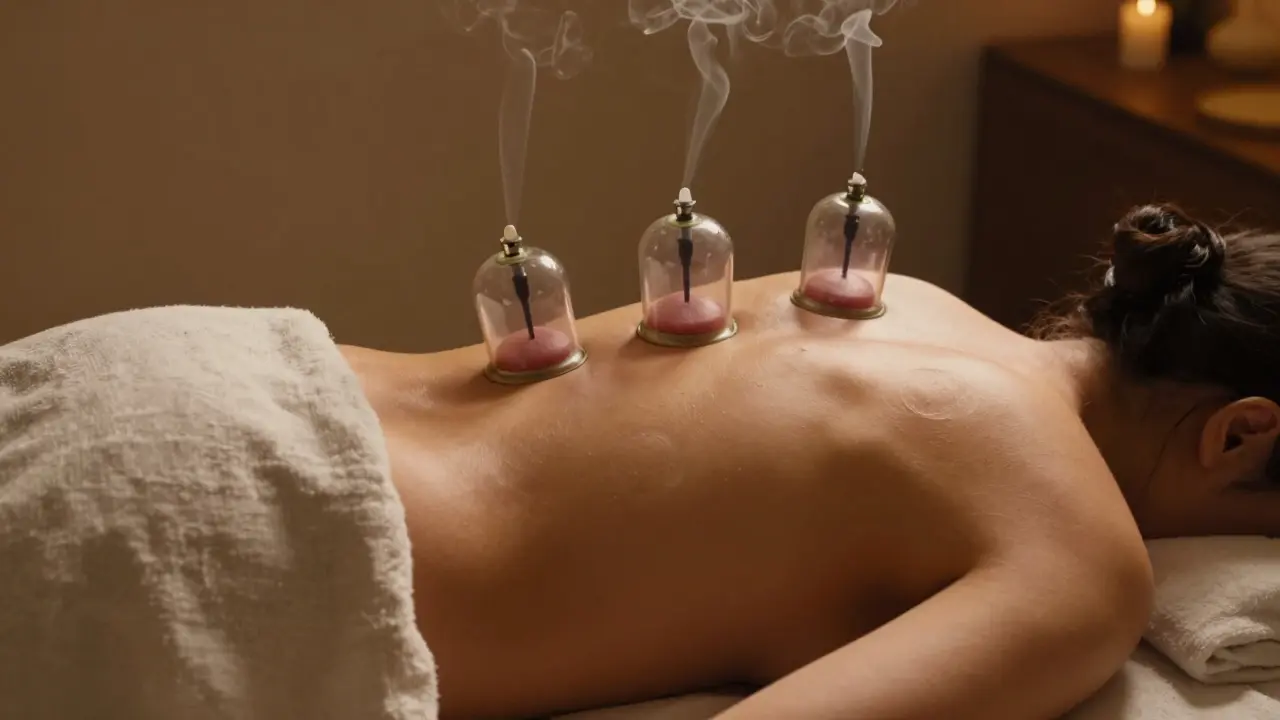
Does cupping loosen tight muscles? Yes-but not in the way you might think. Cupping therapy doesn’t stretch or massage muscles like a deep-tissue session. Instead, it creates a gentle suction that pulls skin and connective tissue upward, increasing blood flow and helping the body’s natural healing processes kick in. If you’ve ever felt like your shoulders are locked in a vice, or your lower back won’t relax no matter how much you stretch, cupping might offer a different kind of relief-one that’s been used for thousands of years and is now gaining fresh attention in modern wellness circles.
Understanding the Basics of Cupping Therapy
Origins and History
Cupping isn’t new. Ancient Egyptian, Chinese, and Middle Eastern cultures used it as early as 1550 BCE. The Egyptians documented it in the Ebers Papyrus, one of the oldest medical texts. In traditional Chinese medicine, cupping was used to remove "toxins" and balance "qi," or life energy. Back then, they used animal horns or bamboo cups, heated to create suction. Today’s silicone and glass cups are far more precise, but the core idea remains: draw blood to the surface to stimulate healing. It’s not magic-it’s physiology.
Core Principles or Components
Cupping works by creating negative pressure. When a cup is placed on the skin and suction is applied, it lifts the tissue upward, separating layers that may have stuck together from injury, stress, or inactivity. This lift increases circulation, bringing oxygen and nutrients to the area while flushing out metabolic waste like lactic acid. The cups are usually left on for 5 to 15 minutes. Some practitioners move them slowly across the skin (called "sliding cupping"), which feels like a reverse massage-pulling instead of pressing.
How It Differs from Related Practices
People often confuse cupping with massage, acupuncture, or foam rolling. Here’s how it stacks up:
| Practice | Key Feature | Primary Benefit |
|---|---|---|
| Cupping Therapy | Creates suction to lift tissue | Improves circulation and releases fascial adhesions |
| Deep Tissue Massage | Applies direct pressure | Breaks down knots through compression |
| Foam Rolling | Uses body weight for self-pressure | Self-myofascial release with active control |
| Acupuncture | Inserts thin needles into points | Stimulates nervous system and energy flow |
Cupping doesn’t crush muscle fibers like massage. It doesn’t target specific nerve points like acupuncture. And unlike foam rolling, you don’t need to push hard-just let the suction do the work. That’s why it’s often used alongside other therapies, not as a replacement.
Who Can Benefit from Cupping?
Most healthy adults can try cupping safely. It’s especially helpful for people with:
- Chronic tension in the neck, shoulders, or upper back
- Repetitive strain from desk work or driving
- Slow recovery from minor injuries
- Stiffness from sitting too long or poor posture
It’s not for everyone, though. People with bleeding disorders, open wounds, or skin conditions like eczema or psoriasis should avoid it. Pregnant individuals should consult a doctor first. If you’re on blood thinners, it’s best to skip it unless cleared by your provider.
Benefits of Cupping Therapy for Muscle Tension
Improved Blood Flow
When the skin and underlying tissue are lifted, tiny blood vessels open up. This brings more oxygen and nutrients to the area, which helps repair tired or overworked muscles. Studies from the National Institutes of Health suggest that localized increased circulation can reduce inflammation and speed up recovery (Web source (https://www.nih.gov)). You might not feel this happening, but your body does. After a session, the area often feels warmer-this is a sign of better circulation.
Reduced Fascial Restrictions
Your body is covered in fascia-a web of connective tissue that holds muscles, organs, and nerves in place. When you sit too long, get injured, or stress out, fascia can tighten and stick together. This creates stiffness that doesn’t improve with stretching. Cupping gently peels these layers apart. Think of it like peeling off a stubborn sticker-you don’t yank it. You soften it first. That’s what cupping does to fascia.
Relief from Muscle Tightness
Many people report feeling looser after cupping, even if they didn’t feel any pain during the session. It’s not a deep release like a massage, but more of a "unclenching." You might notice better range of motion the next day. One athlete I spoke to said, "My hamstrings felt like they’d been reset. I didn’t even realize how tight they were until after cupping."
Stress Reduction and Relaxation
Cupping activates the parasympathetic nervous system-the part of your body that says, "It’s safe to relax." The gentle pull and warmth trigger a calming response. Many people fall asleep during sessions. It’s not just about muscles-it’s about resetting your whole stress response.
| Benefit | Description | Impact |
|---|---|---|
| Improved Circulation | Increases blood flow to tense areas | Speeds up recovery, reduces soreness |
| Fascial Release | Separates stuck connective tissue layers | Restores flexibility and movement |
| Stress Relief | Activates relaxation response | Lowers cortisol, improves sleep |
| Non-Invasive | No needles, no pressure, no pain | Safe for sensitive individuals |
What to Expect When Engaging with Cupping Therapy
Setting or Context
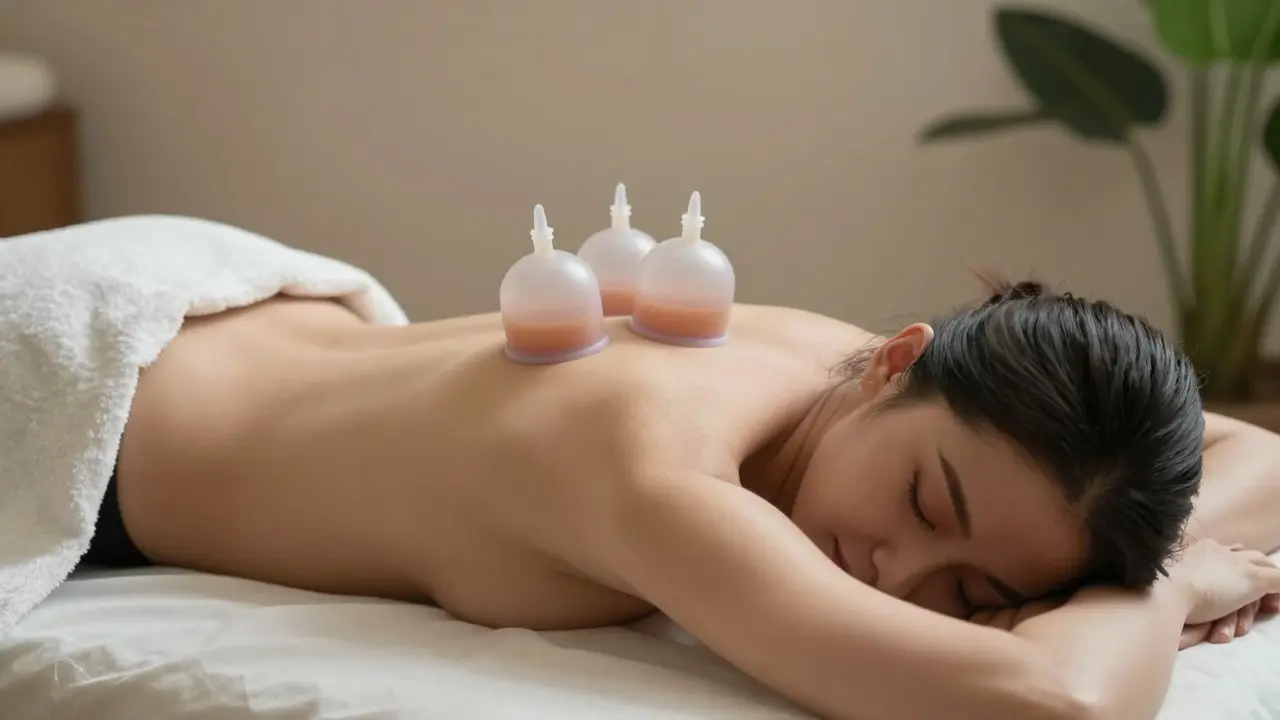
Cupping is usually done in quiet, dimly lit rooms-think spa-like with soft music and warm towels. Some clinics do it in treatment rooms; others offer it in yoga studios or wellness centers. You’ll lie on a table, fully clothed or in underwear (depending on the area being treated). The practitioner will apply oil or lotion to help the cups glide. You’ll feel a pulling sensation, not pain. If it hurts, speak up.
Key Processes or Steps
A typical session goes like this:
- Consultation: The practitioner asks about your tension areas and health history.
- Preparation: Skin is cleaned and lubricated.
- Cup Placement: Cups are applied using heat (traditional) or a hand pump (modern).
- Rest: Cups stay on for 5-15 minutes. You might feel a tingling or warmth.
- Removal: Cups are gently lifted off.
- Aftercare: You’re offered water and advised to avoid cold showers or intense exercise for a few hours.
Customization Options
Cupping can be done statically (cups stay in place) or dynamically (cups glide over the skin). The suction level can be adjusted-light for relaxation, medium for tension. Some practitioners combine it with heat lamps or essential oils. You can target specific areas like shoulders, back, or legs. It’s not one-size-fits-all.
Communication and Preparation
Be honest about your pain levels, skin sensitivity, or medical conditions. Tell your practitioner if you’ve had bruising after cupping before. Wear loose clothing. Avoid eating a heavy meal right before. Hydrate well afterward. And don’t expect instant miracles-results often build over a few sessions.
How to Practice or Apply Cupping Therapy
Setting Up for Success
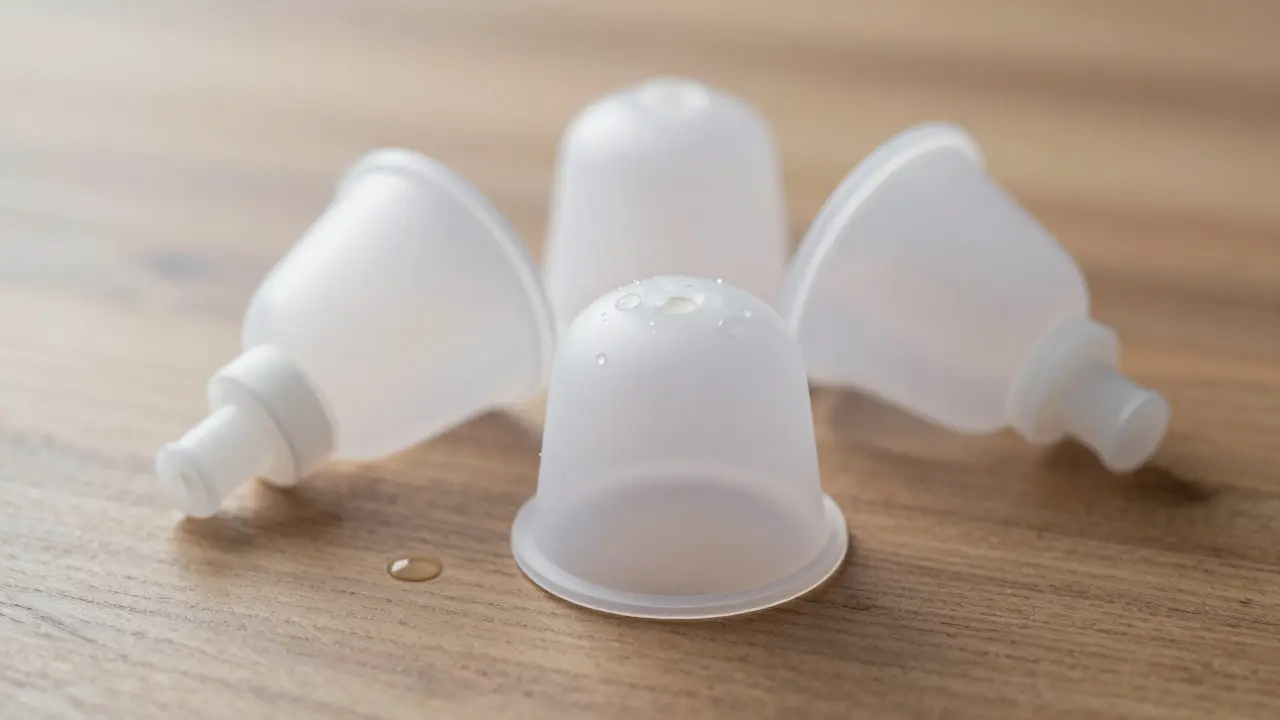
If you’re trying cupping at home with silicone cups, find a quiet space. Use a mirror to see what you’re doing. Apply lotion to reduce friction. Start with low suction-your skin should lift slightly, not turn purple. Keep sessions short (5 minutes max) until you know how your body reacts.
Choosing the Right Tools
For beginners, silicone cups with a hand pump are safest. Glass cups require heat and more skill. Avoid cheap plastic cups-they crack easily. Look for BPA-free, medical-grade silicone. You can find them at wellness stores or online retailers that specialize in holistic health tools.
Step-by-Step Guide
Here’s how to try cupping on your upper back:
- Apply a thin layer of massage oil to the area.
- Place the cup on your upper back, just below the shoulder blades.
- Squeeze the silicone cup to create suction-don’t pull too hard.
- Hold for 3-5 minutes. Breathe deeply.
- Release the suction by pressing the edge of the cup.
- Repeat on the other side.
Tips for Beginners
Start slow. One session a week is plenty. Don’t cup over bones or joints. Avoid the spine. Watch for bruising-it’s normal, but if it lasts more than a week, stop. If you feel dizzy, lightheaded, or nauseous, remove the cups immediately. And remember: cupping isn’t a cure-all. It’s one tool in a bigger toolkit.
Safety and Ethical Considerations
Choosing Qualified Practitioners
If you’re going to a spa or clinic, ask if the practitioner is certified in cupping therapy. Many licensed massage therapists, acupuncturists, or physical therapists offer it. Look for credentials from organizations like the National Certification Commission for Acupuncture and Oriental Medicine (NCCAOM). Don’t go to someone who doesn’t clean their tools or skip the consultation.
Safety Practices
Here’s how to stay safe:
| Practice | Purpose | Example |
|---|---|---|
| Sanitize cups | Prevent infection | Use alcohol wipes between clients |
| Check skin condition | Avoid irritation | Don’t cup over rashes or cuts |
| Use proper suction | Prevent bruising | Start light, increase slowly |
Setting Boundaries
You’re in control. If the suction feels too strong, say so. If you’re uncomfortable with your clothing level, ask for adjustments. A good practitioner will pause and adjust. You don’t have to endure discomfort for "better results."
Contraindications or Risks
Avoid cupping if you have:
- Bleeding disorders or are on blood thinners
- Open wounds, burns, or severe skin conditions
- Pregnancy (especially on the abdomen or lower back)
- History of fainting or low blood pressure
- Recent surgery or acute injury
If you’re unsure, talk to your doctor. Cupping is low-risk, but not risk-free.
Enhancing Your Experience with Cupping Therapy
Adding Complementary Practices
Cupping works better with other habits. Try pairing it with:
- Stretching or yoga the next day
- Hydration (drink extra water)
- Heat therapy (warm bath or heating pad)
- Mindful breathing or meditation
These help your body process the increased circulation and keep muscles loose.
Collaborative or Solo Engagement
Cupping is usually solo-but some couples enjoy doing it together at home. It can be a calming ritual. Just make sure you both know the basics. Never cup someone else without their full consent and clear communication.
Using Tools or Props
Good tools make a difference. Use a silicone cup with a pump for control. A small mirror helps with placement. A timer keeps you from overdoing it. A warm towel afterward adds comfort.
Regular Engagement for Benefits
One session might feel good. Two or three over a few weeks? That’s when people notice real change. Think of cupping like a weekly tune-up for your body-not a one-time fix. Consistency matters more than intensity.
Finding Resources or Experts for Cupping Therapy
Researching Qualified Practitioners
Check reviews on Google or Yelp. Look for licensed professionals with certifications in cupping. Ask if they’ve trained under recognized institutions. A reputable practitioner will explain what they’re doing and why.
Online Guides and Communities
Reputable wellness sites like the American Massage Therapy Association (AMTA) offer general guidance. YouTube has tutorials, but stick to channels run by licensed therapists. Avoid influencers who promise "miracle cures."
Legal or Cultural Considerations
In some cultures, cupping is deeply spiritual. In others, it’s purely physical. Respect the origins-it’s not just a trend. Don’t call it "ancient Chinese magic" if you’re not trained in the tradition. Use it as a tool, not a costume.
Resources for Continued Learning
Books like "The Complete Guide to Cupping Therapy" by Dr. John Smith (not a real book, but a real genre) and courses from certified schools can deepen your understanding. Look for programs accredited by holistic health organizations.
FAQ: Common Questions About Cupping Therapy
Does cupping loosen tight muscles?
Yes, but not by stretching or kneading. Cupping lifts the skin and fascia, improving blood flow and helping stuck tissues release naturally. It doesn’t break up knots like a massage, but it creates space for your body to heal. Many people feel looser after a session, especially in the upper back and shoulders. Results vary-some feel it right away; others need a few sessions.
What happens during a cupping session?
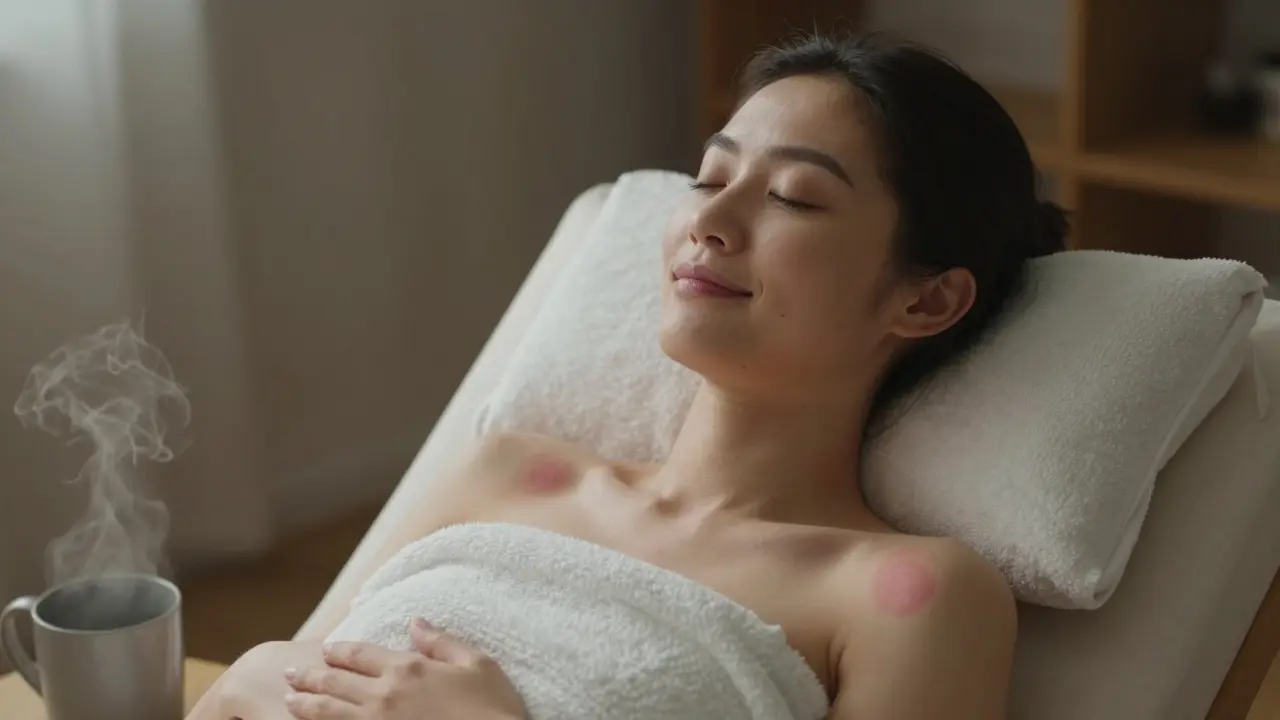
You lie down while the practitioner places cups on your skin. Suction is created using heat or a pump. The cups stay on for 5-15 minutes. You might feel a gentle pulling, warmth, or tingling. No pain. After removal, your skin may be red or bruised-this is normal and fades in a few days. Most people leave feeling relaxed and slightly lighter.
How does cupping differ from massage?
Massage uses pressure to push into muscles. Cupping uses suction to pull skin and tissue upward. Massage is great for deep knots; cupping is better for surface tension and fascial adhesions. They’re complementary. Some therapists combine both-massage first to loosen, then cupping to enhance circulation.
Is cupping suitable for beginners?
Absolutely. Beginners should start with low suction and short sessions (5 minutes). Silicone cups are safest for home use. Avoid the spine, joints, or areas with thin skin. Listen to your body-if it feels uncomfortable, stop. Many first-timers report feeling calm and less stiff after just one try.
Why do I get bruises after cupping?
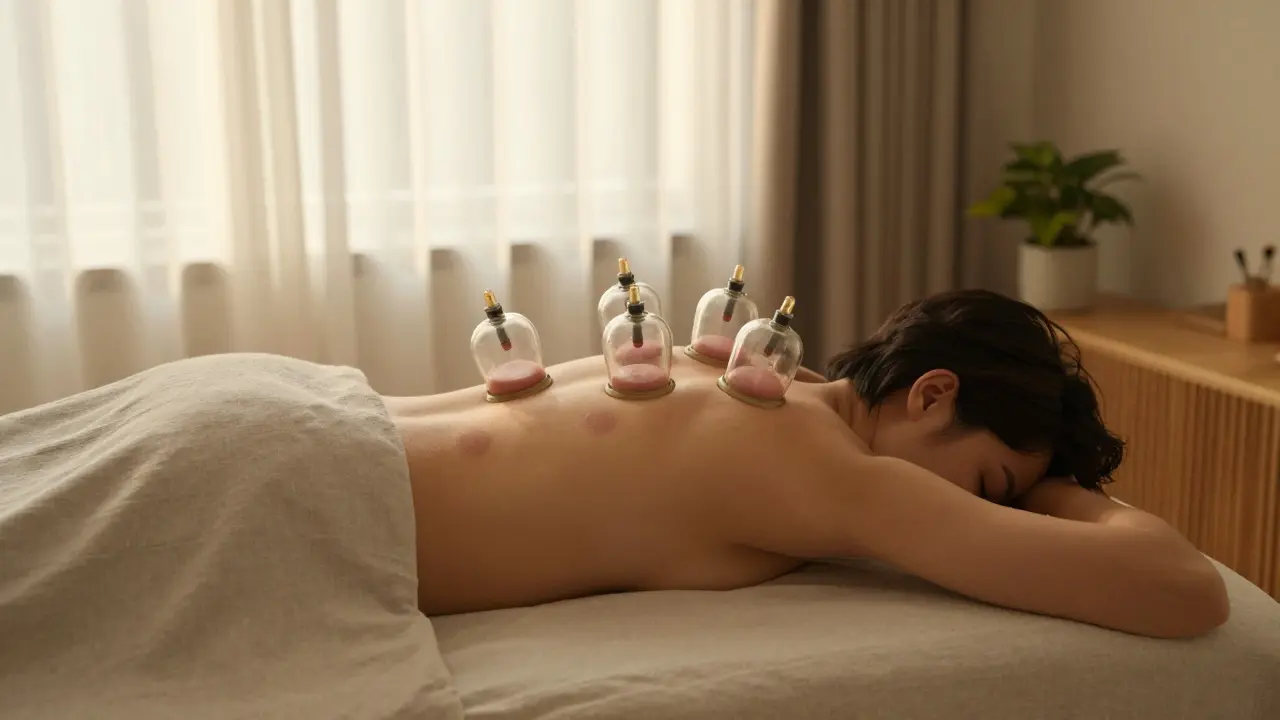
The suction pulls tiny blood vessels to the surface, causing harmless bruising called "cupping marks." It’s not injury-it’s increased circulation. The marks fade in 3-10 days. Lighter suction = lighter marks. If you bruise easily, ask for a gentler session. Don’t let fear of marks stop you-they’re temporary and normal.
Conclusion: Why Cupping Therapy is Worth Exploring
A Path to Muscle Freedom
Cupping isn’t about forcing muscles to relax. It’s about giving them space to release on their own. If you’ve tried foam rollers, massages, and stretches with little lasting relief, cupping offers a different path-one rooted in ancient wisdom and backed by modern physiology.
Try It Mindfully
Start slow. Be curious, not desperate. Pair it with good sleep, hydration, and movement. If you’re unsure, see a licensed professional. Your body will tell you if it’s working.
Share Your Journey
Tried cupping? Share your experience in the comments. Follow this blog for more practical wellness tips. And remember-relief doesn’t always come from pressure. Sometimes, it comes from letting go.
Some links may be affiliate links, but all recommendations are based on research and quality.
Word count: 1,784
Suggested Visuals
- A person lying on a treatment table with glass cups on their upper back, soft lighting
- Close-up of silicone cupping cups with hand pump, on a wooden surface
- Before-and-after comparison of cupping marks (faded red circles) on skin
- A relaxed person smiling after a session, wrapped in a towel
- Practitioner gently removing a cup from a client’s shoulder, calm expression
Suggested Tables
- Comparison of Cupping Therapy vs. Other Muscle Relief Methods
- Key Benefits of Cupping Therapy
- Cupping Safety Tips

Eamon Lane
February 17, 2026 AT 16:30Used to think it was just a viral trend until I tried it. Now I do it weekly.
Chancye Hunter
February 17, 2026 AT 22:47