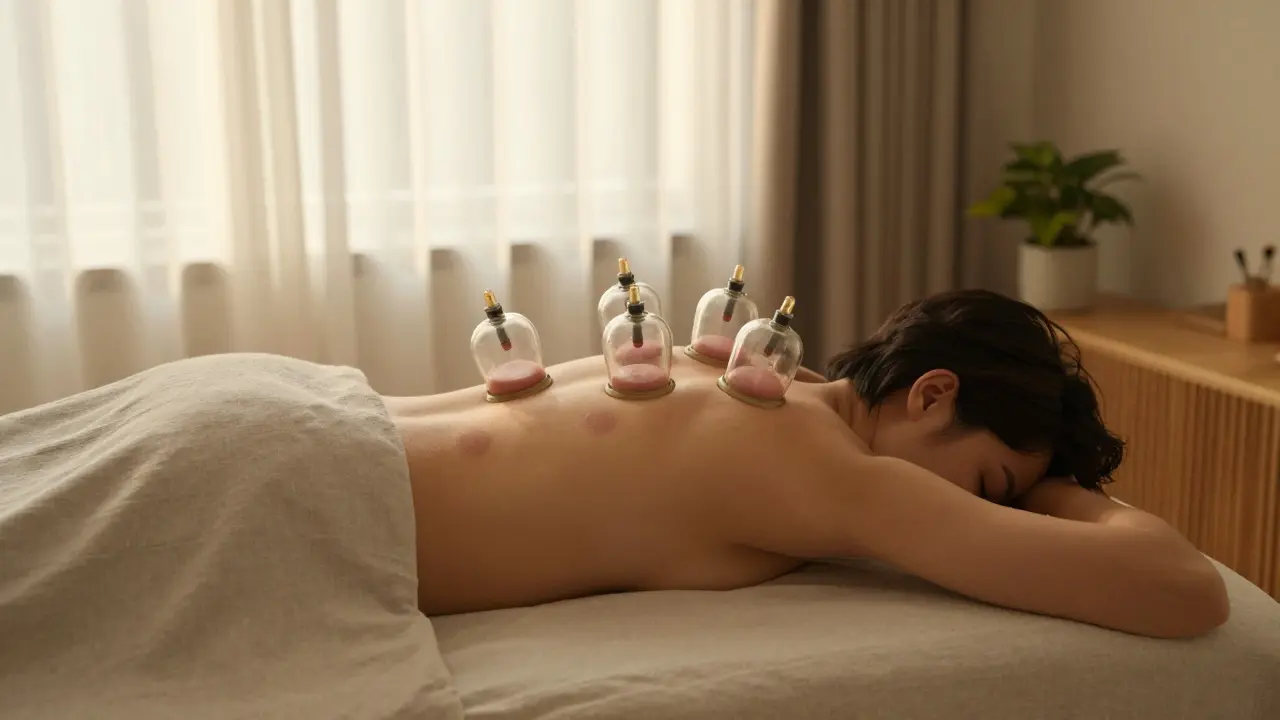
Why Can't You Shower After Cupping? The Science Behind Post-Cupping Care
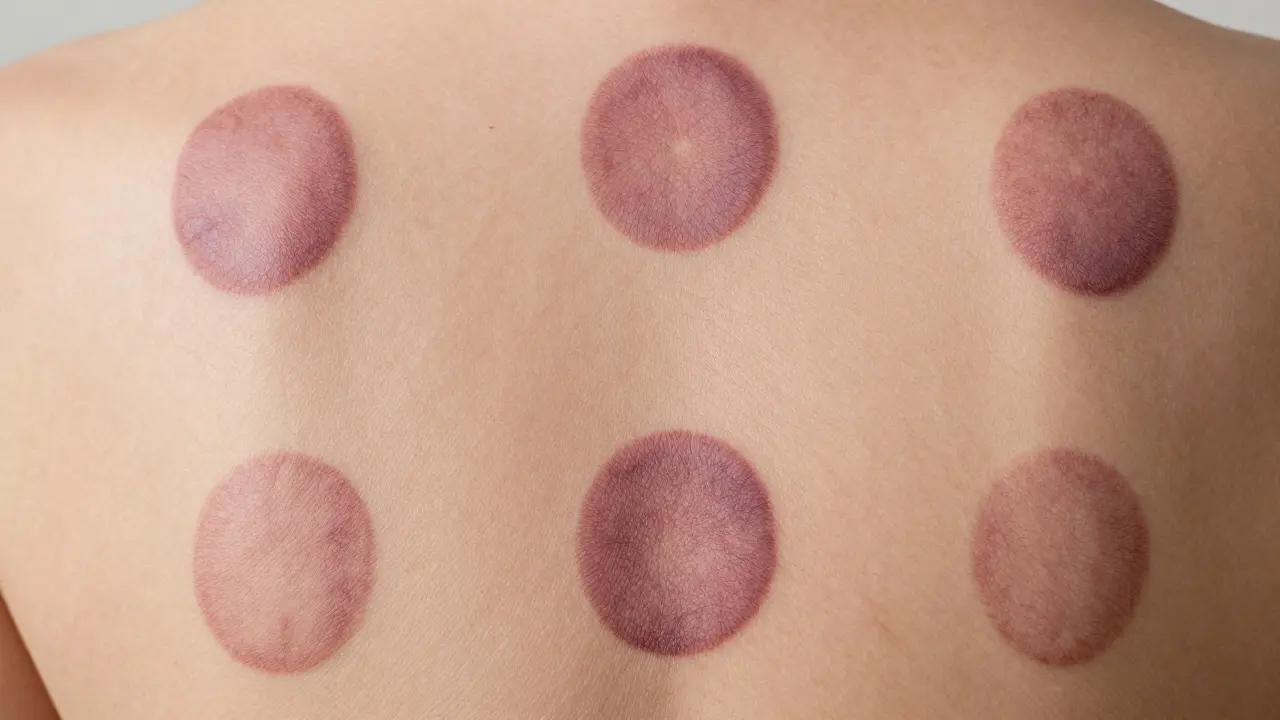
When you step out of a cupping session, your skin might look like you’ve been hugged by a very enthusiastic octopus-dark circles, red marks, maybe even some bruising. It’s startling, but normal. And if you’ve ever been told, shower after cupping is a bad idea, you’re not alone in wondering why. Is it superstition? A myth passed down from ancient practitioners? Or is there real science behind it?
The truth is, cupping isn’t just about pulling tension out of your muscles. It’s a delicate process that triggers your body’s natural healing response. And right after the cups come off, your skin and blood vessels are in a vulnerable state. Jumping into a hot shower too soon can undo the benefits-or even cause harm. Let’s break down exactly what happens during and after cupping, why timing matters, and what you should actually do instead.
Understanding the Basics of Cupping Therapy
Origins and History
Cupping therapy has roots stretching back thousands of years, with evidence found in ancient Egyptian, Chinese, and Middle Eastern texts. In Traditional Chinese Medicine (TCM), it was used to clear blockages in the body’s energy flow-called Qi-by drawing stagnant blood and toxins to the surface. The cups, originally made from bamboo or animal horns, created suction to pull blood into the skin, promoting circulation and reducing inflammation. Today, glass, silicone, and plastic cups are common, but the core idea remains: draw, release, heal.
Core Principles or Components
Cupping works by creating negative pressure on the skin. This pulls the skin and underlying tissues upward, separating layers that may have stuck together due to injury, stress, or inactivity. The suction increases local blood flow, bringing oxygen and nutrients to the area while helping flush out metabolic waste like lactic acid. It also stimulates the nervous system, triggering a relaxation response. The marks you see afterward? They’re not bruises in the traditional sense-they’re signs of capillaries releasing trapped fluids and toxins.
How It Differs from Related Practices
Cupping is often confused with massage, acupuncture, or even reflexology. But while massage applies pressure to push tissue, cupping pulls. Acupuncture uses needles to stimulate points along meridians; cupping works through suction on broader areas. Reflexology focuses on feet and hands; cupping targets muscles, fascia, and large muscle groups like the back and shoulders.
| Practice | Key Feature | Primary Benefit |
|---|---|---|
| Cupping | Creates suction to lift tissue | Improves circulation, reduces muscle tension |
| Massage | Applies pressure to compress tissue | Releases knots, improves flexibility |
| Acupuncture | Inserts needles into specific points | Regulates energy flow, pain relief |
| Reflexology | Applies pressure to feet/hands | Stimulates organ systems indirectly |
Who Can Benefit from Cupping?
Cupping helps people with chronic muscle tightness, athletes recovering from intense training, and those dealing with stress-related tension. It’s also used for respiratory issues like bronchitis and sinus congestion. If you’ve ever felt like your back is “locked up” or your shoulders are carrying the weight of the world, cupping can offer relief. But it’s not for everyone-people with bleeding disorders, open wounds, or pregnant women should avoid it unless cleared by a doctor.
Benefits of Cupping for Muscle Recovery and Circulation
Improved Blood Flow
One of the most documented effects of cupping is increased local circulation. When the cups are applied, blood rushes into the area. After removal, the body sends more oxygen-rich blood to repair the tissue. This process helps speed up recovery from soreness, stiffness, and minor injuries. Think of it like waking up a sleepy neighborhood-suddenly, all the delivery trucks (nutrients and immune cells) are rolling in.
Reduced Muscle Tension
When muscles stay tight for too long, fascia-the connective tissue surrounding them-gets sticky. Cupping gently peels those layers apart, reducing friction and restoring movement. Many athletes swear by it for preventing injuries and easing DOMS (delayed onset muscle soreness). A 2021 review of clinical studies found that cupping significantly reduced muscle pain in 85% of participants within 48 hours.
Detoxification Support
While the term “detox” gets thrown around a lot, cupping does help remove metabolic waste. The suction pulls lactic acid, inflammatory markers, and cellular debris toward the skin’s surface, where the lymphatic system can clear them out. It’s not a magic cleanse, but it supports your body’s natural cleanup crew.
Stress and Nervous System Relief
Cupping activates the parasympathetic nervous system-the part that says “relax.” The gentle pulling sensation mimics a deep, soothing touch, lowering cortisol levels and encouraging rest. Many people report feeling calm, even sleepy, after a session. That’s not just in their head-it’s measurable.
| Benefit | Description | Impact |
|---|---|---|
| Improved Circulation | Increases blood flow to treated areas | Faster healing, reduced stiffness |
| Reduced Muscle Tension | Releases fascial adhesions | Better range of motion |
| Stress Reduction | Calms the nervous system | Lower cortisol, better sleep |
| Detox Support | Helps clear metabolic waste | Less inflammation, clearer skin |
What Happens Right After Cupping?
Your Skin Is in a Sensitive State
After cupping, your skin is more permeable. The suction has temporarily opened capillaries and increased microcirculation. Your body is in repair mode-sending immune cells, healing proteins, and fluids to the area. If you jump into a hot shower, the heat dilates those same vessels even more. This can lead to excessive swelling, prolonged redness, or even minor burns if the water is too hot.
Temperature Shock Can Reverse the Effects
Hot water causes your blood vessels to expand rapidly. Cold water makes them contract. Both extremes can disrupt the delicate balance your body is trying to restore. A hot shower right after cupping can force blood away from the treated area, reducing the therapeutic benefit. It’s like turning on a fire hose right after a gardener has just planted seeds-you’re washing away the progress.
Open Pores and Toxin Release
Cupping opens your pores and encourages the release of trapped toxins. If you shower too soon, especially with harsh soaps or hot water, you risk reintroducing impurities or irritating the skin. Think of it like leaving a wound uncovered-it’s healing, and you don’t want to flood it with chemicals or bacteria.
Why You Should Wait Before Showering After Cupping
The 2-Hour Rule
Most licensed practitioners recommend waiting at least two hours before showering after cupping. This gives your body time to stabilize circulation, close the capillaries, and begin the healing process without interference. Some experts suggest waiting up to four hours, especially if you had deep tissue cupping or if the marks are dark.
What to Do Instead
Instead of rushing to the shower, do this:
- Drink plenty of water to help flush out toxins
- Rest for 30-60 minutes-avoid intense exercise or cold exposure
- Keep the area warm and covered (a light scarf or loose shirt helps)
- Apply a gentle, fragrance-free moisturizer if your skin feels dry
What If You Can’t Wait?
If you absolutely must shower, make it lukewarm-not hot. Keep it short (under five minutes). Skip the loofah or scrubbing. Avoid strong soaps, essential oils, or exfoliants on the cupped areas. Pat dry gently. No saunas, steam rooms, or ice baths for at least 12 hours.
Safety and Ethical Considerations
Choosing Qualified Practitioners
Not everyone who offers cupping is trained. Look for licensed acupuncturists, physical therapists, or certified wellness professionals with formal training in cupping therapy. Ask about their hygiene practices-single-use cups? Disinfected surfaces? Clean gloves? If they reuse cups without proper sterilization, walk away.
Safety Practices
| Practice | Purpose | Example |
|---|---|---|
| Use sterile equipment | Prevent infection | Single-use silicone cups or autoclaved glass |
| Avoid bony areas | Prevent bruising or nerve damage | Don’t cup directly over spine, ribs, or kneecaps |
| Check for skin sensitivity | Prevent irritation | Don’t cup over rashes, cuts, or sunburn |
Contraindications and Risks
Don’t get cupping if you:
- Have a bleeding disorder or take blood thinners
- Are pregnant (especially on the abdomen or lower back)
- Have severe skin conditions like eczema or psoriasis
- Have a fever or active infection
- Are undergoing chemotherapy or radiation
Enhancing Your Cupping Experience
Pair It With Hydration and Rest
Water is your best friend after cupping. Drink at least 2-3 glasses within the first few hours. Resting helps your body focus energy on healing, not running errands or scrolling through your phone. Try lying down with a warm compress on the treated area for 15 minutes.
Use Gentle Skincare
After 24 hours, if your skin feels dry or itchy, apply a light, unscented lotion. Avoid retinoids, acids, or anything that stings. Your skin is still recovering.
Track Your Results
Keep a simple journal: note how you felt before, during, and after. Did your back pain improve? Did you sleep better? Over time, you’ll see patterns. This helps you decide if cupping is right for your routine.
FAQ: Common Questions About Cupping
Why can’t you shower after cupping?
Showering too soon-especially with hot water-can interfere with your body’s healing response. Cupping opens capillaries and draws fluids to the surface. Hot water dilates those vessels further, potentially causing swelling, prolonged redness, or reduced therapeutic effect. Waiting at least two hours lets your body stabilize circulation and begin repair without disruption.
How long do cupping marks last?
Typically, cupping marks fade in 3 to 10 days, depending on your skin tone, circulation, and how intense the suction was. Lighter marks disappear faster; darker ones mean more stagnation was present. They’re not bruises, so they shouldn’t hurt. If they’re painful or don’t fade after two weeks, consult a professional.
Can you do cupping on yourself?
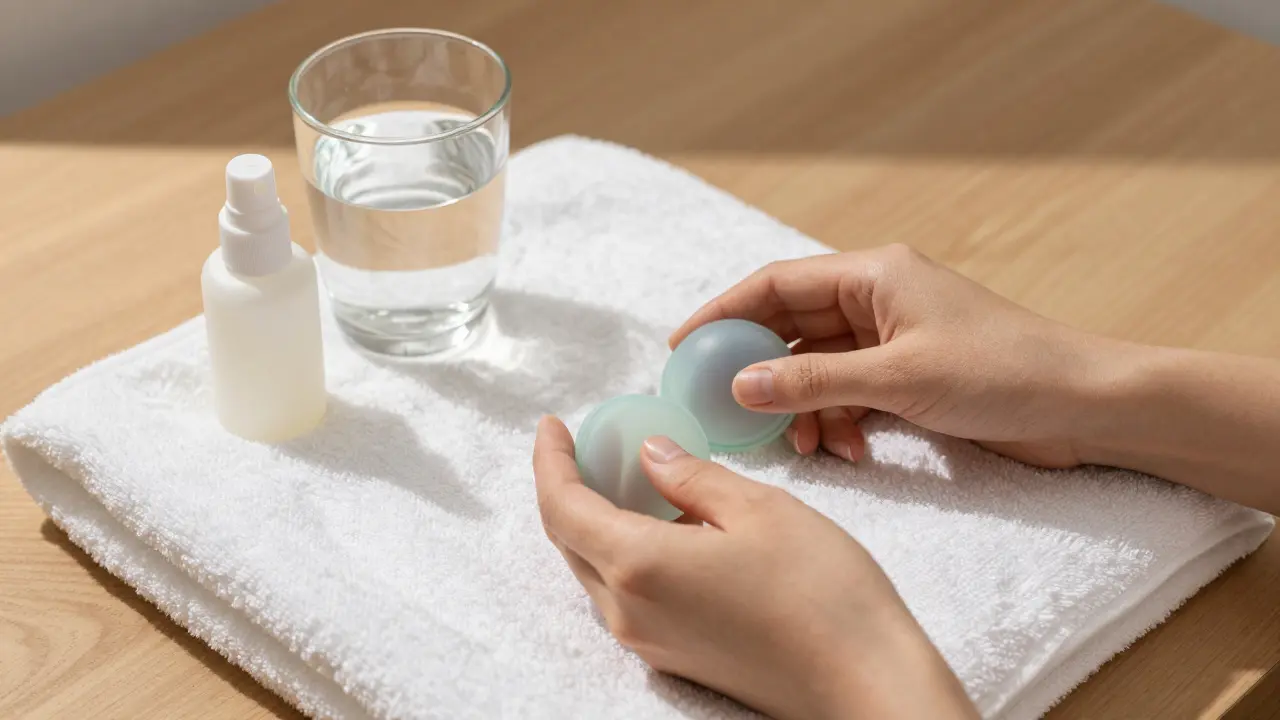
You can use silicone cups at home for light relaxation, especially on the back, shoulders, or thighs. But avoid deep tissue work, the spine, or sensitive areas without training. Improper use can cause bruising, nerve irritation, or skin damage. If you’re new, start with a professional session to understand how your body responds.
Is cupping safe for people with chronic pain?
Yes, many people with chronic back pain, fibromyalgia, or arthritis find relief with cupping. It helps reduce muscle tension and inflammation. But always talk to your doctor first, especially if you’re on medication or have a diagnosed condition. Cupping complements-not replaces-medical care.
Does cupping help with weight loss?
No. Cupping does not burn fat or cause weight loss. Some claim it “detoxes” the body, but there’s no scientific proof it affects metabolism or fat storage. Any temporary weight drop is likely water loss from increased circulation. Don’t use cupping as a weight loss tool-it’s for muscle recovery and relaxation.
Conclusion: Why Cupping Is Worth Trying-With Care
A Path to Deeper Recovery
Cupping isn’t magic. It’s a simple, powerful tool that taps into your body’s natural ability to heal. When done right, it eases tension, improves circulation, and helps you feel lighter-both physically and mentally. But like any therapy, its power depends on how you treat it afterward.
Try It Mindfully
Respect the process. Wait before you shower. Drink water. Rest. Listen to your body. These small steps make all the difference. Don’t rush the recovery-let it unfold.
Share Your Journey
Tried cupping? How did you feel afterward? Did you wait to shower? Share your experience in the comments-your story might help someone else avoid a mistake.
Some links may be affiliate links, but all recommendations are based on research and quality.
Word count: 1,678
Suggested Images
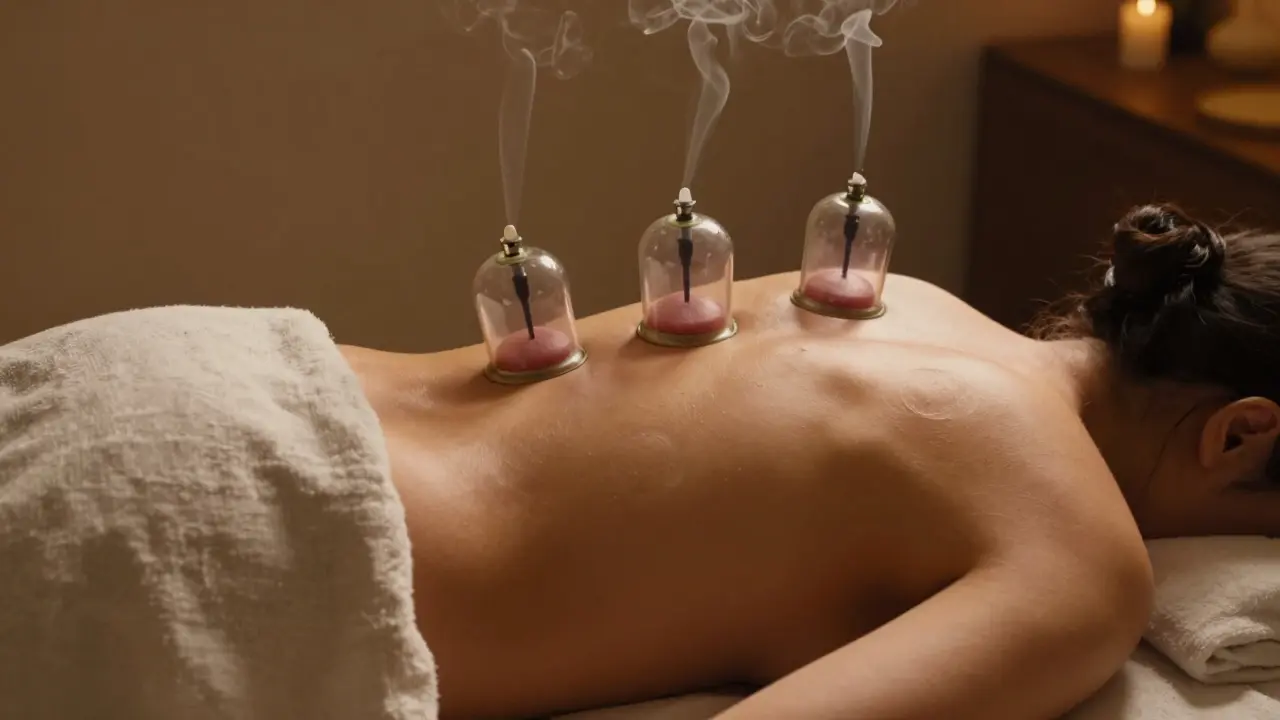
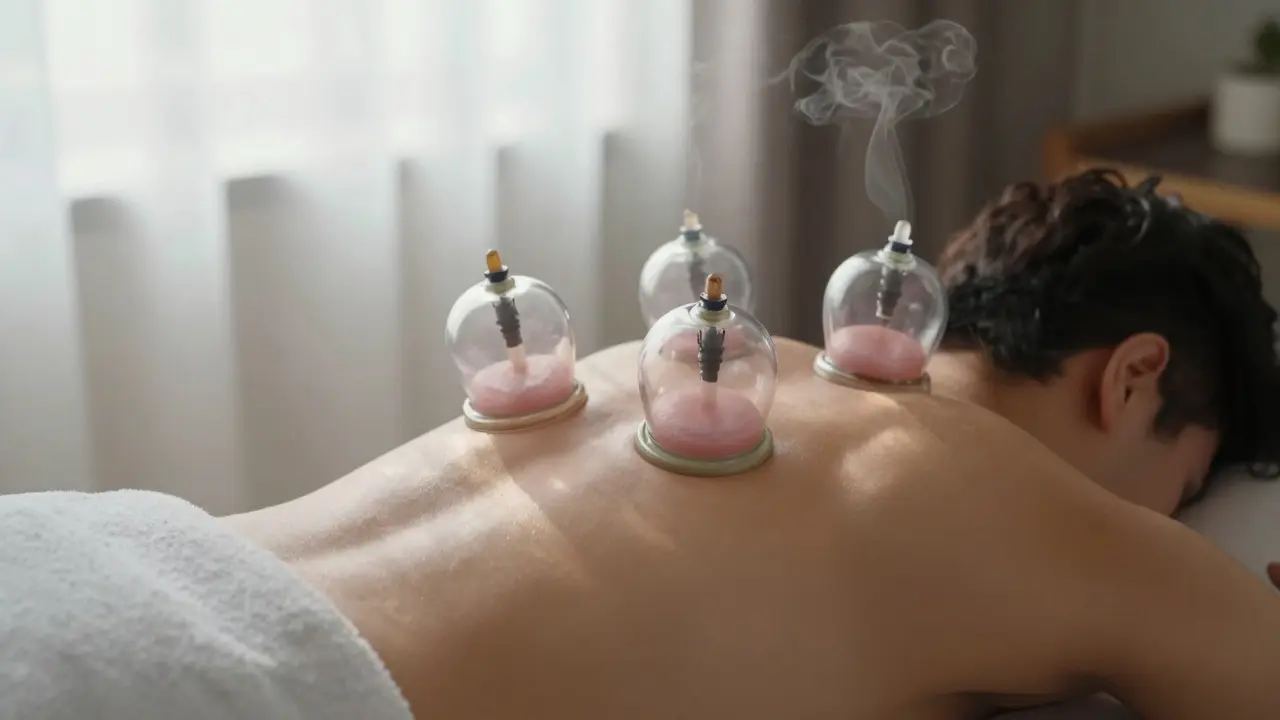
- A person lying on a massage table with glass cups on their back, soft lighting, calm expression
- Close-up of cupping marks on skin-dark circles, no open wounds, natural skin tone
- Hands holding silicone cupping sets with water bottle and towel nearby
- Before-and-after skin comparison: one side with marks, one side without
- Person drinking water and resting with a blanket after a session
Suggested Tables
- Comparison of Cupping vs. Other Therapies
- Key Benefits of Cupping
- Essential Cupping Safety Tips

Kate Cohen
December 24, 2025 AT 15:29Jumoke Enato
December 26, 2025 AT 04:40Marc Houge
December 27, 2025 AT 23:38Brice Maiurro
December 29, 2025 AT 02:41Diana Farrell
December 30, 2025 AT 02:19Emily Wetz
December 30, 2025 AT 18:15Jamie Williams
January 1, 2026 AT 12:45Jackie Brosio
January 1, 2026 AT 16:16