Does Sauna Clean You Out? The Real Science Behind Sweat and Detox
Let’s cut to the chase: does sauna clean you out? If you’ve ever stepped out of a steamy sauna feeling lighter, cleaner, or even euphoric, you’re not alone. Many believe the sweat pouring off your skin is toxins being flushed away-like a deep internal wash. But here’s the truth: while saunas feel like a reset button for your body, they don’t actually "clean out" toxins the way most people think. What they do offer? Real, measurable benefits that go far beyond myth.
Understanding the Basics of Sauna
Origins and History
Saunas trace back over 2,000 years to Finland, where they were more than just a place to get warm-they were sacred spaces for healing, childbirth, and even burial rituals. The word "sauna" itself comes from the Finnish language. In traditional Finnish homes, the sauna was the cleanest room, often the only place to bathe. Over time, this practice spread across Northern Europe, then the world. Today, saunas are found in luxury resorts in Dubai, gyms in New York, and cozy basements in Minnesota. Their endurance isn’t because of detox myths-it’s because they work for real reasons: relaxation, circulation, and recovery.
Core Principles or Components
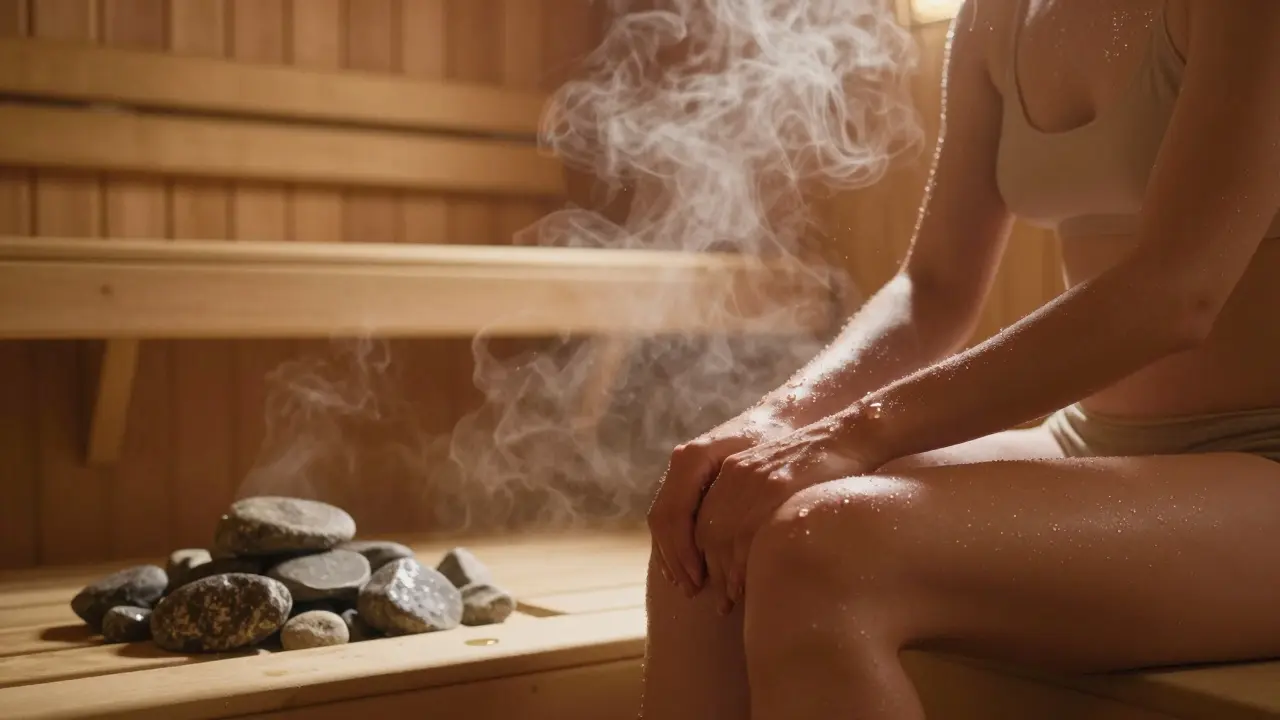
A sauna is simply a room heated to between 70°C and 100°C (160°F-212°F), with low humidity in traditional dry saunas, or higher humidity in steam rooms (though those aren’t technically saunas). The heat causes your core temperature to rise slightly, triggering your body’s natural cooling response: sweat. Your heart rate increases gently, blood vessels dilate, and circulation improves. That’s it. No magic. No chemical leaching. Just physics and biology working together to create a calming, restorative experience.
How It Differs from Related Practices
People often confuse saunas with steam rooms, hot yoga, or detox baths. Here’s how they stack up:
| Practice | Key Feature | Primary Benefit |
|---|---|---|
| Sauna (Dry) | Low humidity, high heat (70-100°C) | Deep muscle relaxation, improved circulation |
| Steam Room | High humidity, lower heat (40-50°C) | Respiratory relief, skin hydration |
| Hot Yoga | Heat + physical movement | Flexibility, mental focus |
Unlike steam rooms that soften mucus or hot yoga that builds strength, saunas are about passive heat exposure. You don’t move. You just breathe, relax, and let your body respond.
Who Can Benefit from Sauna?
Almost anyone can benefit-especially if you’re dealing with stress, muscle soreness, poor sleep, or chronic tension. Athletes use saunas for recovery. People in high-stress jobs use them to unwind. Older adults find relief from joint stiffness. Even those managing mild hypertension (under medical supervision) report improved vascular function. But if you’re pregnant, have heart conditions, or are prone to dizziness, talk to your doctor first. Saunas aren’t for everyone, but for many, they’re a simple, powerful tool.
Benefits of Sauna for Body and Mind
Stress Reduction
When your body heats up, it releases endorphins-the same chemicals that make you feel good after a run or a laugh with friends. In a sauna, you’re forced to slow down. No phone. No distractions. Just heat, quiet, and your breath. Studies from the Journal of Environmental and Public Health show regular sauna use lowers cortisol levels, the hormone tied to stress. Think of it as a mini-vacation for your nervous system. In Dubai’s fast-paced environment, where workdays stretch into nights, this kind of reset isn’t a luxury-it’s a necessity.
Enhanced Recovery and Muscle Relief
After a tough workout, your muscles are tight, inflamed, and full of lactic acid. Sauna heat helps by increasing blood flow to those areas, flushing out metabolic waste and bringing in oxygen and nutrients. A 2021 study in the Journal of Athletic Training found that athletes who used saunas after training recovered faster and reported less soreness. It’s not a replacement for stretching or foam rolling, but it’s a powerful addition. If you’re someone who trains hard or sits at a desk all day, a 15-minute sauna session can feel like a massage for your entire body.
Emotional Well-Being
There’s a reason so many people say they feel "clean" after a sauna-even if it’s not toxins leaving their body. It’s the mental clarity. The quiet. The feeling of being held by warmth. This isn’t placebo. Heat therapy has been linked to improved mood and reduced symptoms of mild depression. The rhythmic breathing, the slowing of thoughts, the physical comfort-it all combines to create a meditative state. In cultures where saunas are part of daily life, they’re often used as a space for reflection. You don’t need to be spiritual to feel it: just sit. Breathe. Let go.
Practical Applications
Here’s how sauna benefits show up in real life:
| Benefit | Description | Impact |
|---|---|---|
| Sleep Quality | Body cools down after sauna, signaling sleep mode | Faster sleep onset, deeper rest |
| Skin Health | Pores open, sweat clears debris | Clearer complexion, reduced congestion |
| Immune Support | Mild heat stress boosts white blood cell production | Reduced frequency of colds |
| Cardiovascular Health | Repeated heat exposure improves circulation | Lower blood pressure over time |
What to Expect When Engaging with Sauna
Setting or Context
Whether you’re in a luxury spa in Downtown Dubai or a small home sauna in your backyard, the setup matters. A good sauna space is clean, quiet, and cool outside the door. You’ll usually find wooden benches, a bucket of water and ladle (for pouring on hot stones to create steam), and a timer. Some places offer towels, robes, and chilled water. The key? Keep it simple. You don’t need candles or incense-just heat and space.
Key Processes or Steps
Here’s how a typical session goes:
- Shower first-remove lotions, sweat, or dirt.
- Enter the sauna naked or in a towel (no swimsuits-they trap heat and sweat).
- Sit or lie down. Start with 10-15 minutes.
- If it gets too hot, step out. Cool off. Drink water.
- Repeat 2-3 rounds if you’re comfortable.
- Finish with a cool shower or dip in cold water.
Customization Options
Not everyone likes it scorching. You can adjust heat by pouring water on the stones-this creates a burst of steam called "löyly" in Finnish. Some prefer dry heat. Others like it humid. You can also control duration: beginners start with 10 minutes; regular users go up to 30. And if you’re sensitive to heat, sit on the lower bench-it’s cooler.
Communication and Preparation
Always hydrate before and after. Avoid alcohol or heavy meals beforehand. If you’re new, tell the staff or your partner you’re inexperienced. No one expects you to last 45 minutes on day one. Listen to your body. Dizziness? Nausea? Step out. There’s no prize for enduring discomfort.
How to Practice or Apply Sauna
Setting Up for Success
If you’re installing a sauna at home, choose a well-ventilated space with proper insulation. Cedar or hemlock wood works best-it resists moisture and smells nice. Electric heaters are safest for home use. If you’re using a public sauna, go during off-hours to avoid crowds. Arrive early, bring a towel, and give yourself time to ease in.
Choosing the Right Tools/Resources
You don’t need fancy gear. A good towel, water bottle, and timer are enough. Some people like wooden benches with backrests, or a small bucket for water. Avoid plastic or synthetic materials-they melt or hold odor. For home users, look for saunas certified by UL or ETL for safety. In Dubai, many luxury hotels offer private sauna rooms-check with your concierge.
Step-by-Step Guide
Here’s a simple routine for beginners:
- Drink 1-2 glasses of water 30 minutes before entering.
- Take a quick shower to rinse off.
- Enter the sauna, sit on the lower bench.
- Stay for 10-15 minutes. Breathe slowly.
- Exit, cool down for 5 minutes (cold shower or air).
- Repeat once more if you feel good.
- Hydrate again. Rest for 15 minutes.
Tips for Beginners or Couples
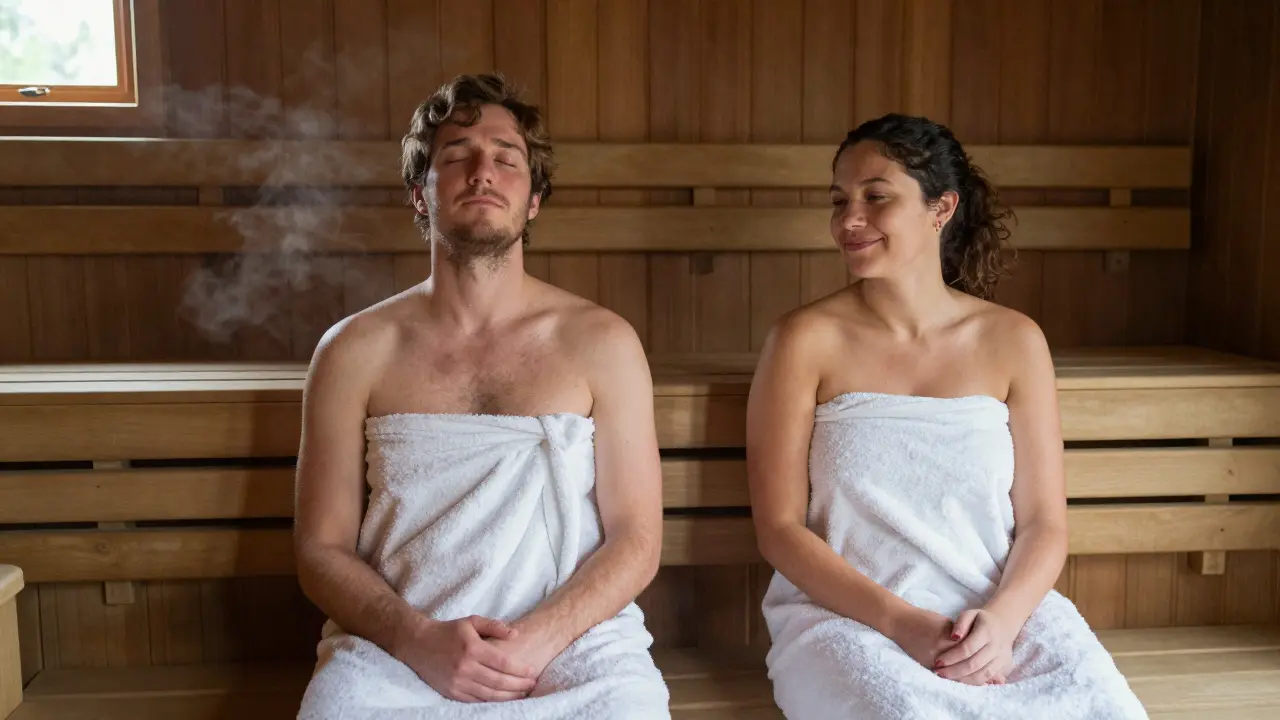
First-timers: don’t push it. Your body needs time to adapt. Couples can enjoy saunas together-it’s a quiet, intimate way to connect without talking. Just keep it respectful. No phones. No distractions. Just shared warmth.
Safety and Ethical Considerations
Choosing Qualified Practitioners/Resources
If you’re using a spa or wellness center, check reviews and ask about staff training. Look for places that maintain clean facilities and offer hydration stations. In Dubai, reputable spas follow strict hygiene codes. Avoid places that smell moldy or have dirty towels.
Safety Practices
Here’s how to stay safe:
| Practice | Purpose | Example |
|---|---|---|
| Hydrate before and after | Prevent dehydration | Drink 500ml water before session |
| Limit time to 15-20 minutes | Avoid overheating | Use a timer |
| Never use alone if you’re new | Ensure help is nearby | Bring a friend or use a monitored spa |
Setting Boundaries
Even in a public space, your comfort matters. If someone is too loud, too close, or making you uneasy, step out. You have every right to leave. Saunas are for peace-not social pressure.
Contraindications or Risks
Don’t use a sauna if you:
- Have uncontrolled high blood pressure
- Are pregnant
- Have a heart condition or pacemaker
- Are under the influence of alcohol or drugs
- Feel dizzy, nauseous, or faint
If you’re unsure, talk to your doctor. Saunas are safe for most-but not a one-size-fits-all solution.
Enhancing Your Experience with Sauna
Adding Complementary Practices
Pair your sauna with mindfulness. Try breathing exercises: inhale for 4 counts, hold for 4, exhale for 6. Or follow it with a short walk in the cool desert night-something many Dubai residents do after evening spa sessions. Cold plunges, if available, can boost circulation even more. But don’t overdo it. One ritual at a time is enough.
Collaborative or Solo Engagement
Saunas work beautifully alone or with others. Solo sessions help you tune inward. Group sessions build connection. In Finland, it’s common to sauna with family. In Dubai, many couples use it as a post-work unwind. Neither is better-just different.
Using Tools or Props
A wooden bench pillow helps if you have back pain. A small towel under your head is comforting. Some like to use essential oils on the stones-but only if the sauna allows it. Avoid strong scents. The natural wood and heat are enough.
Regular Engagement for Benefits
Like exercise, consistency matters. One sauna session won’t transform you. But 2-3 times a week for 6 weeks? That’s when you start noticing better sleep, less tension, and a calmer mind. Don’t aim for perfection. Aim for presence.

Finding Resources or Experts for Sauna
Researching Qualified Experts/Resources
Look for spas with certified therapists or wellness coaches. In Dubai, check if the spa is part of a luxury hotel chain with a good reputation. Read reviews that mention cleanliness, staff knowledge, and post-session care.
Online Guides and Communities
For reliable info, check websites like the International Sauna Association or wellness blogs backed by physiotherapists. Avoid TikTok "detox" trends. Real science doesn’t sell clicks.
Legal or Cultural Considerations
In Dubai, modesty matters. Many public saunas require towels. Some hotels have gender-segregated hours. Always follow local rules. Respect the culture-even in a steamy room.
Resources for Continued Learning
Books like The Finnish Way by Katja Pantzar explore sauna culture deeply. YouTube channels from Finnish wellness experts offer practical tips. Podcasts on stress recovery often feature sauna use as a tool.
FAQ: Common Questions About Sauna
What to expect from sauna?
You’ll feel warm, maybe a little flushed. Sweat will pour-sometimes a lot. That’s normal. You might feel light-headed at first, but that fades as your body adjusts. Most people feel deeply relaxed afterward. Some even feel a little euphoric. Don’t expect to sweat out toxins like a chemical cleanse. Instead, expect better circulation, looser muscles, and a calmer mind. It’s not magic-it’s biology.
What happens during sauna?
Your body temperature rises slightly. Your heart beats a bit faster. Blood flows more freely to your skin and muscles. Sweat glands activate to cool you down. You’re not detoxing in the way ads claim-you’re simply activating your body’s natural cooling system. You may feel a tingling sensation in your skin. That’s just increased blood flow. Stay calm, breathe slowly, and let your body do its job.
How does sauna differ from steam room?
Saunas use dry heat (70-100°C) with low humidity. Steam rooms use moist heat (40-50°C) with near 100% humidity. Saunas feel hotter and are better for deep muscle relaxation. Steam rooms are gentler and help with breathing, especially if you have congestion. Neither "detoxes" you-but they both help you relax. Choose based on what your body needs.
What is the method of sauna?
The method is simple: heat, rest, repeat. Enter the room. Sit or lie down. Let your body warm up. Breathe. Stay for 10-20 minutes. Exit. Cool down. Hydrate. Repeat if desired. No complicated steps. No special techniques. Just presence and patience. That’s the whole method.
Is sauna suitable for beginners?
Absolutely. Start with 10 minutes at a lower temperature. Sit on the bottom bench. Drink water before and after. Listen to your body. If you feel dizzy, step out. Most beginners find it easier than they expect. The key is not to rush. Sauna isn’t a competition. It’s a quiet gift you give yourself.
Conclusion: Why Sauna is Worth Exploring
A Path to Calm
Does sauna clean you out? Not in the way you’ve been told. But it does something better: it helps you feel grounded, relaxed, and more in tune with your body. In a world that never stops demanding your attention, the sauna offers a rare pause. It’s not about flushing toxins. It’s about restoring balance.
Try It Mindfully
Don’t chase detox. Chase calm. Start small. Be patient. Let the heat do its work. If you’re unsure, talk to a doctor. But don’t let myths keep you from trying something that’s been helping people for centuries.
Share Your Journey
Tried a sauna this week? Share your experience in the comments. Did you feel calmer? Sleep better? Just curious? We’d love to hear from you. Follow this blog for more simple, science-backed wellness tips from Dubai to your home.
Some links may be affiliate links, but all recommendations are based on research and quality.
Word count: 1,728
Suggested Visuals
- A person relaxing in a wooden sauna with soft lighting and steam rising from hot stones
- Close-up of sweat dripping from a forehead in a sauna, with blurred wooden walls in background
- Two people sitting quietly side-by-side in a sauna, one with eyes closed, the other smiling gently
- Outdoor sauna in Dubai desert at sunset, with cool pool nearby
- Hand pouring water on sauna stones, steam rising in a cloud
Suggested Tables
- Comparison of Sauna, Steam Room, and Hot Yoga
- Key Benefits of Regular Sauna Use
- Sauna Safety Tips

Rachel Neiman
December 16, 2025 AT 13:09Okay but let’s be real-saunas don’t detox. Your liver does. Your kidneys do. Sweat is 99% water and salt. If you think sweating out heavy metals is a thing, you’ve been scammed by wellness influencers selling $80 salt scrubs.
Still, I’ll take the relaxation. I’ve been sleeping better since I started 3x/week. No magic. Just heat. And honestly? After a 12-hour shift, it’s the only thing that untangles my spine.
Also-stop calling it a "detox." It’s not a cleanse. It’s a nap for your nervous system.
Andy Haigh
December 17, 2025 AT 02:42Look the system is rigged and you’re being lied to by Big Sauna and Big Pharma alike
They want you to believe sweat is just water because if you knew the truth-that your armpits are excreting glyphosate and microplastics from your Starbucks cup-you’d riot
Finns know this. They’ve been whispering it for centuries in pine smoke
They don’t call it sauna they call it purification chamber
And you think the government doesn’t censor the real studies
They do
They bury them under peer-reviewed nonsense
Ask yourself why the CDC never mentions heavy metal excretion via perspiration
It’s not an oversight
It’s a coverup
Patrick Wan
December 17, 2025 AT 09:38Lydia Huang
December 18, 2025 AT 08:23Cindy Pino
December 19, 2025 AT 18:32Of course sweat isn't a magic toxin vacuum but to reduce the entire physiological response to mere thermoregulation is to ignore the adaptive hormetic response
Heat shock proteins are real
Cellular autophagy is real
The parasympathetic shift is real
And yet here we are reducing centuries of embodied wisdom to a water-and-salt pamphlet
If you need to be told that heat is healing then you probably also believe in probiotic yogurt for gut health
Wake up
The body is not a plumbing system
It is an ecosystem
And you are not cleaning out
You are recalibrating
Nicholas Simbartl
December 19, 2025 AT 21:04So I’ve been going to the sauna three times a week for the past eight months now, and I think I’ve finally figured out what it’s really doing for me, and it’s not what anyone’s saying.
It’s not about detox. It’s not even really about relaxation, though that’s nice.
It’s about the silence.
You know, in this world where every second is filled with notifications, podcasts, ads, algorithms, TikTok dances, LinkedIn hustle porn, and your mom asking if you’ve eaten yet-there’s literally no space left for you to just… be.
And the sauna? It forces you into it.
There’s no phone. No music. No one talking. No one judging. Just you, the heat, and the faint smell of cedar and sweat.
And for the first time in years, I’m not thinking about my to-do list.
I’m not thinking about my ex.
I’m not thinking about whether I’m enough.
I’m just… there.
And that’s the real benefit.
Not the circulation.
Not the cortisol.
Not even the sleep.
It’s the fact that for 15 minutes, I’m not running from myself.
And I think that’s why so many people say they feel "clean."
Because they’re not washing out toxins.
They’re washing out the noise.
And maybe that’s the only detox that actually matters.