When you hear Thai massage, you might picture deep stretches, rhythmic pressure, and a full-body experience that leaves you feeling loose and reset. But one question keeps coming up - especially for first-timers in Dubai: Does Thai massage include buttocks? The answer isn’t yes or no. It’s about context, culture, and communication.
Understanding the Basics of Thai Massage
Origins and History
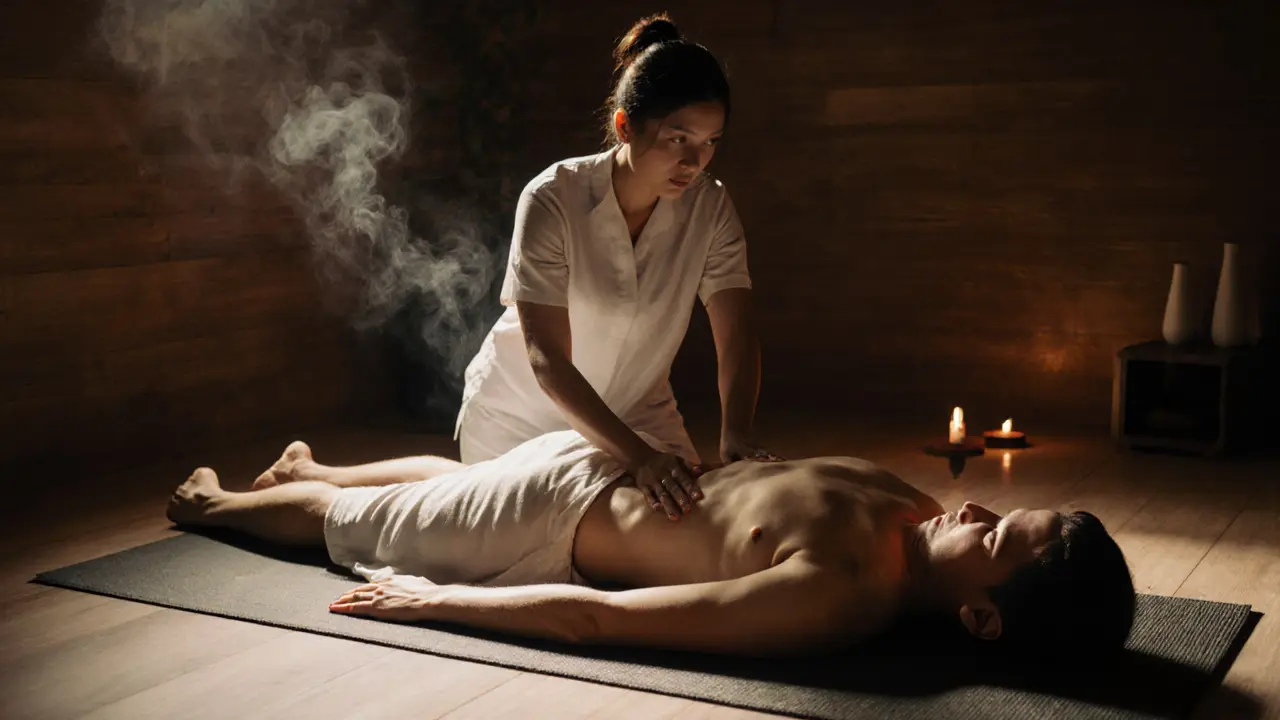
Thai massage didn’t start in a luxury spa. It began over 2,500 years ago in ancient Siam (modern-day Thailand), rooted in Ayurvedic medicine, Buddhist spiritual practices, and traditional Chinese energy lines. Monks developed it as a healing art - not just to relax, but to restore balance in the body’s energy flow, called sen lines. Unlike Swedish or deep tissue massage, Thai massage is done on a mat on the floor, fully clothed, and involves rocking, pulling, and compressing movements. It’s more like yoga than a typical massage - and that’s intentional.
Core Principles or Components
Thai massage works through four main elements: acupressure, assisted yoga postures, energy line work, and rhythmic compression. Practitioners use their hands, thumbs, elbows, knees, and even feet to apply pressure along 10 key energy lines running from head to toe. These lines connect to internal organs and emotional states. The goal isn’t just to loosen muscles - it’s to clear blockages, improve circulation, and restore harmony. That’s why movements often feel intense, deep, and sometimes surprising - like being gently pulled into a stretch you didn’t know you needed.
How It Differs from Related Practices
Many people confuse Thai massage with Swedish, deep tissue, or even Shiatsu. Here’s how they stack up:
| Practice | Key Feature | Primary Benefit |
|---|---|---|
| Thai Massage | Fully clothed, floor-based, active stretching | Improves flexibility and energy flow |
| Swedish Massage | Oil-based, skin-to-skin, light to medium pressure | Relaxes surface muscles |
| Deep Tissue | Targeted pressure on chronic tension | Breaks down adhesions and scar tissue |
| Shiatsu | Finger pressure on acupuncture points | Balances qi (energy) |
Thai massage stands out because it’s interactive. You’re not just lying there - you’re being guided through movements. That’s why the practitioner’s hands might move from your lower back to your glutes - not for stimulation, but to release tension along the bladder meridian, which runs from the head down the back of the legs and into the glutes.
Who Can Benefit from Thai Massage?
Thai massage isn’t just for athletes or yogis. It’s ideal for anyone who sits at a desk all day, carries stress in their shoulders or hips, or feels stiff after long flights - which, let’s be honest, is most people in Dubai. Travelers, office workers, dancers, and even new parents often report feeling taller, lighter, and more mobile after a session. It’s especially helpful if you’re dealing with tight hamstrings, lower back pain, or poor posture from hunching over screens.
Benefits of Thai Massage for Your Body
Stress Reduction
Thai massage triggers your parasympathetic nervous system - the part of your body that says, “It’s safe to relax.” The rhythmic pressure and deep stretches signal your brain to lower cortisol levels. Studies from the National Institutes of Health suggest that regular massage therapy can reduce stress markers by up to 30% over time. In Dubai’s fast-paced environment - where work, traffic, and heat pile up - this isn’t a luxury. It’s a reset button.
Enhanced Flexibility and Mobility
Unlike static stretching, Thai massage moves your body through natural ranges of motion. Practitioners use their body weight to gently guide you into positions you couldn’t reach alone. Over time, this helps lengthen connective tissue and improve joint mobility. Many clients say they can finally touch their toes again - or sit comfortably on the floor without wincing.
Emotional Well-Being
There’s a reason Thai massage is called “lazy man’s yoga.” It releases emotional tension stored in the body - especially in the hips and glutes. People often cry during or after a session, not because it hurts, but because something inside them finally lets go. This isn’t magic - it’s neuroscience. Tension in the gluteal muscles is linked to anxiety and repressed emotions. Releasing it can feel like unlocking a door you didn’t know was locked.
Practical Applications
Think of Thai massage as preventative care. If you commute for an hour daily, sit at a desk for 8 hours, and then scroll through your phone before bed, your body is screaming for attention. A weekly Thai massage can prevent chronic pain, reduce reliance on painkillers, and even improve sleep quality. It’s not a cure-all - but it’s a powerful tool to keep your body functioning like it should.
| Benefit | Description | Impact |
|---|---|---|
| Reduced Muscle Tension | Pressure on trigger points releases knots | Less stiffness, fewer headaches |
| Improved Circulation | Compression boosts blood flow | Faster recovery, better skin tone |
| Joint Lubrication | Movement encourages synovial fluid | Less creaky knees and hips |
| Energy Balance | Sen lines cleared, qi flows freely | More focus, less fatigue |
What to Expect When Engaging with Thai Massage
Setting or Context
In Dubai, you’ll find Thai massage in everything from luxury spa resorts in Palm Jumeirah to quiet studios in Al Quoz. Most places use low lighting, soft music, and clean cotton mats. You’ll be asked to wear loose, comfortable clothing - no need to undress. The room will feel calm, not clinical. Some places offer herbal steam or warm compresses before the session. Don’t expect candles or lavender oil - Thai massage is grounded, not perfumed.
Key Processes or Steps
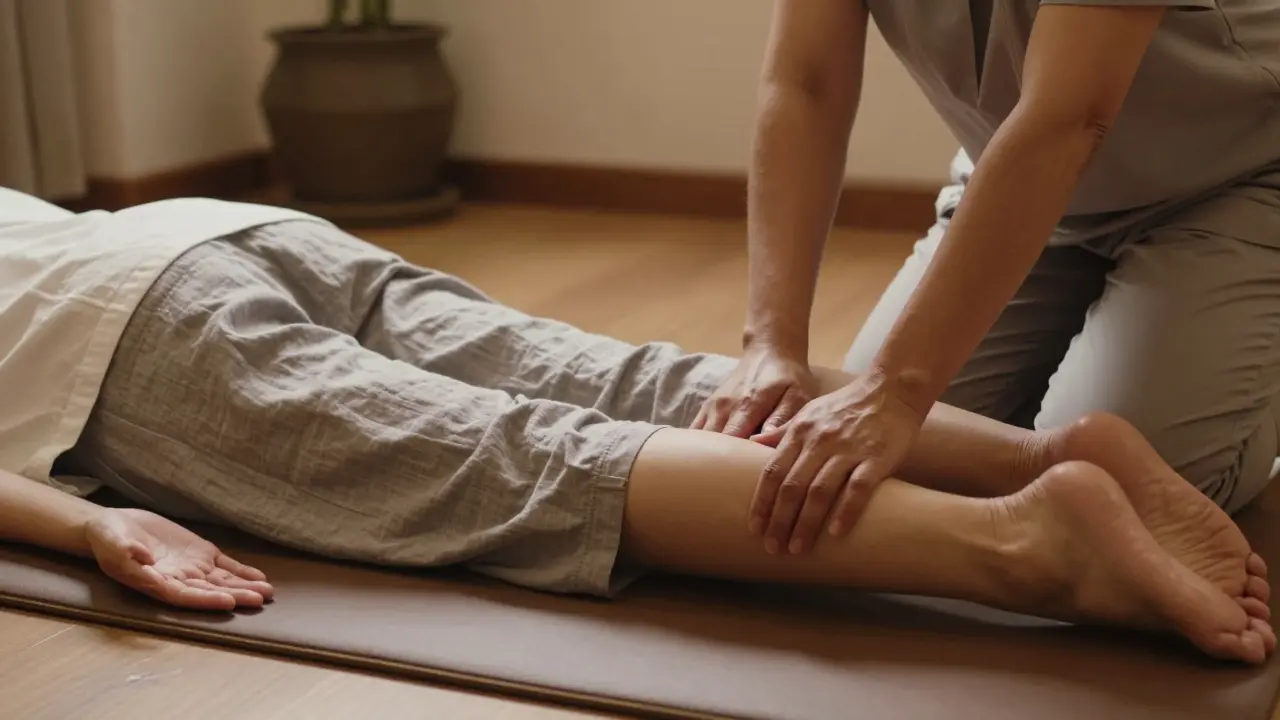
A typical 60-minute session starts with you lying on your back. The therapist begins at your feet, working up your legs, then moves to your hips, lower back, and shoulders. You’ll feel pulling, rocking, and deep pressure - sometimes surprising. You might be asked to bend your knee or lift your leg. It’s not passive. You’ll be gently guided into stretches that feel like a mix between yoga and a hug from a very strong friend. The session ends with you on your stomach, and yes - the glutes are often included.
Customization Options
Good Thai massage therapists don’t do a one-size-fits-all routine. If you have a bad knee, they’ll skip deep hip work. If you’re pregnant, they’ll adjust pressure and positioning. If you’re nervous about certain areas, you can say so - and they’ll respect it. Most studios in Dubai offer 60-, 90-, or 120-minute sessions, with options to focus on back, legs, or shoulders.
Communication and Preparation
Before your session, drink water. Don’t eat a heavy meal. Tell your therapist if you’re sore, injured, or have any medical conditions. If you’re unsure about something - like whether your glutes will be worked - ask. A good therapist will explain every move before they do it. You’re not just a customer. You’re a partner in your own healing.
Does Thai Massage Include Buttocks?
Yes - but not in the way you might think.
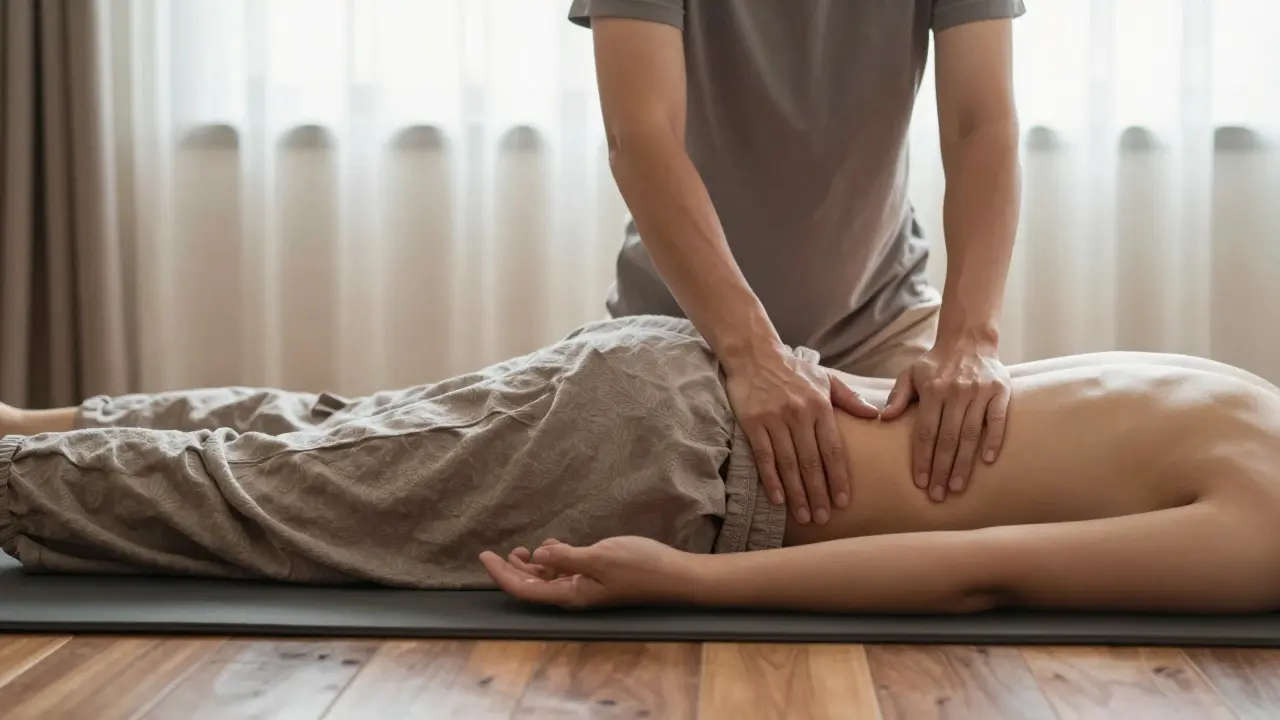
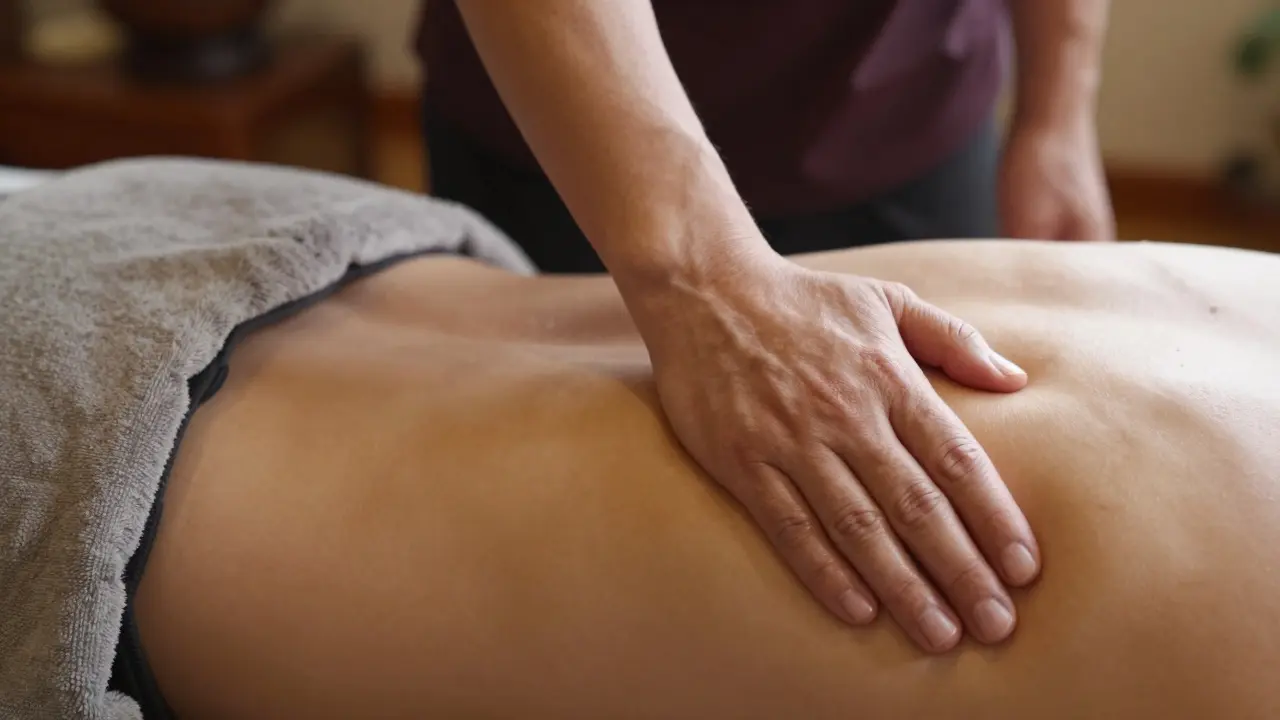
Thai massage includes the gluteal area because it’s part of the body’s main energy pathways. The bladder meridian runs from the head, down the back of the neck, spine, hamstrings, and into the glutes. Tension here affects your posture, lower back, and even your mood. A skilled therapist will use their thumb, elbow, or heel to apply pressure to the glutes - not to massage them like a spa treatment, but to release deep-held tension along that energy line.
It’s not about touching for touch’s sake. It’s about function. Think of it like adjusting a car’s alignment - you don’t just fix the tire. You check the whole frame. If your glutes are tight, your pelvis shifts. That pulls on your lower back. That’s why it’s included.
And here’s the key: you always have control. If you’re uncomfortable, say so. A professional therapist will immediately stop and adjust. In Dubai’s high-end spas, practitioners are trained in cultural sensitivity and boundaries. They’ve worked with clients from all over the world - including those who’ve never experienced this kind of touch before.
How to Practice or Apply Thai Massage
Setting Up for Success
If you’re trying Thai massage for the first time, choose a reputable studio. Look for places with certified Thai massage therapists - not just “massage therapists” who took a weekend course. Ask if they trained in Thailand or under a recognized school like the Wat Po Traditional Thai Massage School in Bangkok. Read reviews that mention “professional,” “respectful,” and “clear communication.”
Choosing the Right Tools or Resources
You don’t need tools for a Thai massage - but you do need the right environment. Wear loose, breathable clothing (cotton leggings or yoga pants). Avoid tight jeans or synthetic fabrics. Arrive 10 minutes early. Turn off your phone. Breathe. Let go of the idea that this is “just a massage.” It’s a body reset.
Step-by-Step Guide for First-Timers
- Book a 60-minute session - start simple.
- Wear comfortable clothes you can move in.
- Arrive hydrated and not full.
- Communicate: say if you’re nervous or have injuries.
- Relax - don’t fight the stretches.
- Afterward, drink water and rest. Avoid intense exercise.
Tips for Beginners or Couples
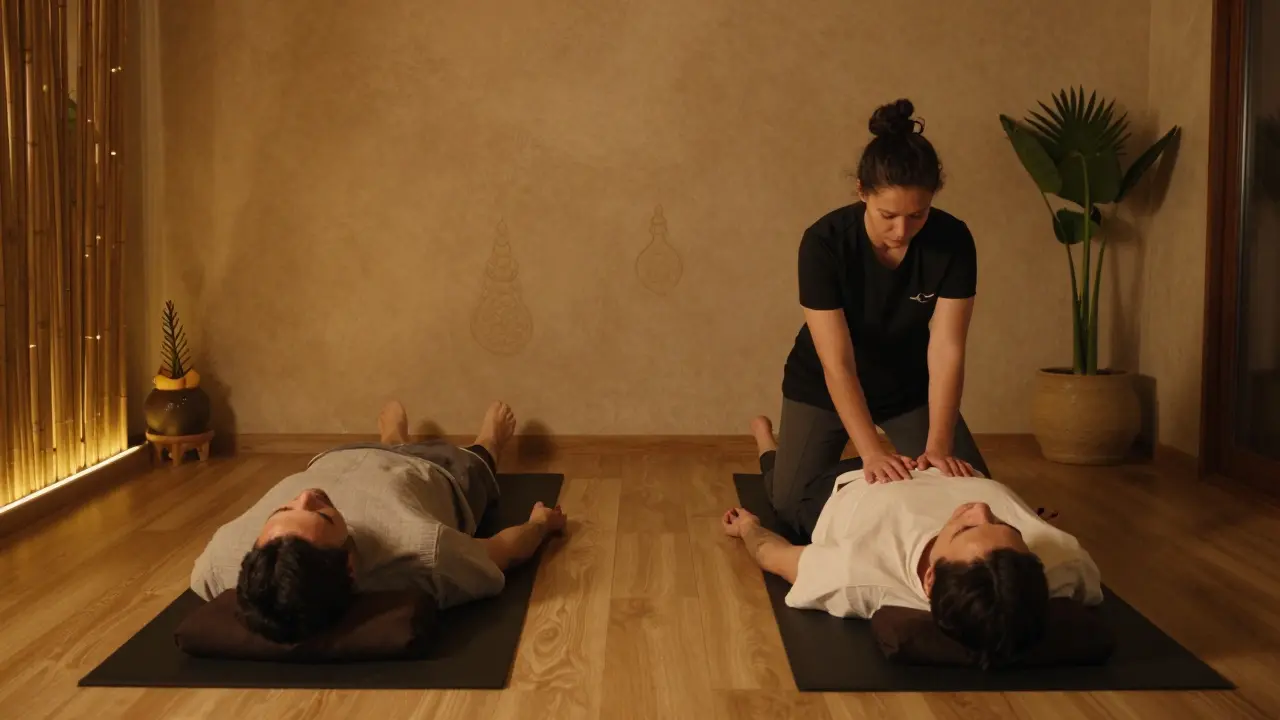
Many Dubai spas offer couple’s Thai massage - perfect for partners who want to unwind together. But don’t assume it’s romantic. It’s therapeutic. You’ll be side by side, both on mats, both being worked on. It’s quiet, calming, and surprisingly intimate - not in a sexy way, but in a “we’re both healing” way.
Safety and Ethical Considerations
Choosing Qualified Practitioners
Not everyone who says “Thai massage” knows what they’re doing. Look for certifications from recognized Thai institutions. In Dubai, the best therapists have trained at Wat Po, the International Thai Massage Association, or under licensed Thai masters. Ask to see their credentials. A good therapist won’t mind.
Safety Practices
Hygiene matters. The mat should be clean. The therapist should wash their hands. No oils should be used unless you request them (Thai massage is traditionally done without oil). You should never feel pain - only deep pressure. If it hurts, speak up.
| Practice | Purpose | Example |
|---|---|---|
| Wear clean, loose clothing | Allows movement and hygiene | Cotton pants, no underwear with lace edges |
| Communicate discomfort | Prevents injury | Say “too deep” or “stop” if needed |
| Avoid after surgery or fractures | Protects healing tissues | Wait 6-8 weeks after injury |
Setting Boundaries
Your body, your rules. You can say no to any movement. You can ask to skip the glutes. You can request no pressure on your lower back. A professional will respect that. There’s no shame in setting limits. In fact, it’s part of the process.
Contraindications or Risks
Thai massage isn’t for everyone. Avoid it if you have: recent fractures, blood clots, severe osteoporosis, open wounds, or are in the first trimester of pregnancy. If you have high blood pressure, diabetes, or heart issues, talk to your doctor first. Always disclose medical history.
Enhancing Your Experience with Thai Massage
Adding Complementary Practices
Pair Thai massage with mindfulness. Breathe deeply during the session. Afterward, try a short meditation or walk in the park. Avoid screens for an hour. Your body is still processing. Let it rest.
Collaborative or Solo Engagement
Thai massage is powerful alone - but doing it with a partner can deepen the experience. Some Dubai spas offer partner sessions. You don’t have to talk. Just be present. It’s a quiet way to connect.
Using Tools or Props
After your session, use a foam roller on your quads or hamstrings. It reinforces what the therapist did. Avoid heavy weights or intense stretching for 24 hours. Let your body integrate the changes.
Regular Engagement for Benefits
One session is nice. Two a month? That’s transformative. Many Dubai residents book every 2-4 weeks. It’s not a treat - it’s maintenance. Like oiling a car. Your body works harder than you think.
Finding Resources or Experts for Thai Massage in Dubai
Researching Qualified Practitioners
Check Google reviews for keywords like “professional,” “respectful,” and “clear boundaries.” Avoid places that advertise “sensual Thai massage” - that’s not real Thai massage. Look for therapists who mention Wat Po, traditional training, or Thai certification.
Online Guides and Communities
Join forums like Reddit’s r/ThaiMassage or Dubai-based wellness groups on Facebook. People share honest experiences - including where to find the best therapists in Jumeirah, Downtown, or Marina.
Legal or Cultural Considerations
In Dubai, all wellness services must comply with local health regulations. Licensed spas are registered with the Dubai Health Authority. Always choose a licensed provider. Avoid unregulated home services - they’re risky.
Resources for Continued Learning
Read Thai Massage: The Ancient Art of Energy Healing by P. S. T. K. Thong. Watch YouTube videos from Wat Po’s official channel. Take a beginner’s workshop - some Dubai studios offer 2-hour intro classes.
FAQ: Common Questions About Thai Massage
Does Thai massage include buttocks?
Yes - but not for the reasons you might think. Thai massage includes the glutes because they’re part of the body’s main energy lines, especially the bladder meridian that runs from the head down the back. The pressure applied here is meant to release deep tension, improve posture, and reduce lower back pain. It’s not sensual or sexual - it’s therapeutic. If you’re uncomfortable, you can always ask the therapist to skip it. A professional will respect your boundaries.
What should I wear for Thai massage in Dubai?
Wear loose, comfortable clothing you can move in - like cotton leggings, yoga pants, or shorts and a T-shirt. You stay fully clothed. Avoid tight fabrics, jeans, or underwear with lace edges that can dig in during stretches. Most studios provide clean, breathable attire if you forget - but bringing your own is best.
How is Thai massage different from a regular massage?
Unlike Swedish or deep tissue massage, Thai massage is done on a mat, fully clothed, and involves active stretching. The therapist uses their body weight to guide you into poses, applying pressure along energy lines. It’s more like yoga than a massage. No oils, no undressing, no lying still. It’s dynamic, immersive, and deeply functional.
Is Thai massage painful?
It can be intense - but it shouldn’t hurt. You’ll feel deep pressure, stretching, and maybe a little discomfort - especially if you’re tight. But pain means something’s wrong. Always speak up. A good therapist will adjust pressure instantly. Think of it as “good pain” - like the burn after a good workout - not sharp, stabbing, or burning pain.
Can I get Thai massage if I’m pregnant?
Yes - but only with a therapist trained in prenatal Thai massage. Standard Thai massage isn’t safe during the first trimester. After that, modifications are made: less pressure on the abdomen, no deep hip work, and no lying on your back. Always inform your therapist you’re pregnant. Choose a clinic that specializes in prenatal care.
Conclusion: Why Thai Massage is Worth Exploring
A Path to Better Movement
Thai massage isn’t just about relaxation. It’s about reclaiming your body’s natural movement. In a city like Dubai - where comfort often means sitting, scrolling, and sweating - Thai massage gives you back your mobility, your posture, and your peace.
Try It Mindfully
Don’t go in with expectations. Go in with curiosity. Let the therapist guide you. Speak up if something feels off. And if your glutes get worked? Don’t panic. It’s not personal - it’s anatomical.
Share Your Journey
Tried Thai massage in Dubai? Share your experience in the comments - especially if you were nervous about the glutes. You’re not alone. Follow this blog for more honest guides on wellness in the UAE.
Some links may be affiliate links, but all recommendations are based on research and quality.
Word count: 1,682
Suggested Images
- A serene Thai massage session on a wooden floor mat in a Dubai spa, client fully clothed in loose pants, therapist using hands and elbow for pressure.
- Close-up of hands applying pressure along the lower back and gluteal area during a Thai massage, no skin exposure.
- Two people side-by-side on mats in a quiet spa room, both receiving Thai massage, peaceful lighting.
- Thai massage therapist in traditional Thai attire, holding a wooden massage stick, standing beside a mat.
- Before-and-after comparison: person slouching at desk vs. standing tall after Thai massage, subtle but clear posture shift.
Suggested Tables
- Comparison of Thai Massage vs. Other Massage Types (already included)
- Key Benefits of Thai Massage (already included)
- Thai Massage Safety Tips (already included)