
How do I know if my lymphatic system is clogged? It’s a question more people are asking these days - especially in places like Dubai, where heat, stress, and long hours at a desk can leave your body feeling heavy, puffy, or just… off. You might not have heard much about your lymphatic system, but if you’ve ever woken up with puffy eyes, stiff joints, or legs that feel like they’re filled with sand, your lymph system might be trying to tell you something.
Understanding the Basics of Lymphatic Drainage
What Is the Lymphatic System?
Think of your lymphatic system as your body’s hidden plumbing. While your blood system delivers oxygen and nutrients, the lymphatic system cleans up the mess - dead cells, toxins, bacteria, and excess fluid. It’s a one-way drainage network made of vessels, nodes, and organs that move fluid (called lymph) toward your bloodstream. Unlike your heart, which pumps blood, your lymphatic system has no pump. It relies on movement - walking, stretching, breathing - to keep things flowing.
Origins and History
The lymphatic system was first mapped in the 17th century, but it took centuries for medicine to fully appreciate its role. Early researchers thought it was just a passive network for fat absorption. Today, we know better: it’s central to immunity, fluid balance, and even brain detox. Modern wellness practices like manual lymphatic drainage (MLD) trace their roots to early 20th-century European physiotherapy, especially in Germany and France, where therapists noticed that gentle, rhythmic touch could reduce swelling after surgery or injury.
How It Differs from Circulation
People often confuse lymphatic flow with blood circulation. Here’s the key difference:
| Feature | Blood Circulation | Lymphatic Flow |
|---|---|---|
| Pump | Heart | Muscle movement, breathing |
| Fluid Type | Blood (red cells, plasma) | Lymph (clear fluid with waste) |
| Direction | Circular | One-way to bloodstream |
| Primary Function | Oxygen delivery | Detox, immune response, fluid balance |
Who Can Benefit from Lymphatic Drainage?
Almost everyone can - especially if you sit all day, travel frequently, have chronic inflammation, or struggle with bloating. Athletes use it to recover faster. Post-surgery patients rely on it to reduce swelling. Even people in hot climates like Dubai benefit because heat slows lymph flow. If you’re tired of feeling sluggish without knowing why, your lymph system might be your missing piece.
Signs Your Lymphatic System Is Clogged
Swelling in Hands, Feet, or Ankles
Ever wake up with rings that won’t budge? Or notice your socks leave deep marks? That’s not just water retention - it’s lymphatic backup. When lymph fluid can’t move, it pools in tissues. This swelling doesn’t go away with drinking more water or cutting salt. It lingers. If you notice puffiness that doesn’t improve by midday, it’s a red flag.
Chronic Fatigue and Brain Fog
Feeling tired even after a full night’s sleep? Your brain has its own lymphatic system (discovered in 2015) that clears out metabolic waste. If it’s sluggish, toxins build up. This can lead to mental fog, difficulty focusing, or just a constant feeling of being “out of sync.” It’s not laziness - it’s biology.
Skin Changes and Breakouts
Acne that keeps coming back on your jawline or neck? It’s not just hormones. When lymph fluid stagnates near the skin, it can trigger inflammation. You might notice dull, dry skin, or rashes that don’t respond to creams. The body tries to expel toxins through the skin - and when it can’t, it gets backed up.
Recurrent Infections or Sore Throats
Your lymph nodes are your body’s filtration stations. If they’re constantly swollen or tender - especially under the jaw, armpits, or groin - your system is working overtime. Frequent colds, sinus infections, or sore throats mean your lymphatic system is overwhelmed and needs help clearing out the debris.
Feeling Heavy or Stiff
Do your limbs feel like they’re wrapped in lead? Or do you wake up with stiff shoulders and tight neck muscles that don’t loosen up? This heaviness isn’t just from poor posture. It’s fluid buildup. Movement helps - but if you’ve tried stretching and it doesn’t help, your lymph might be stuck.
What You Can Do About It
Move Your Body - Even a Little
Walking 20 minutes a day is the most effective lymphatic booster out there. Jumping on a mini trampoline (rebounding) works even better - the up-and-down motion gently squeezes lymph vessels. Yoga, swimming, and even dancing count. The key? Consistency. You don’t need to sweat. Just move.
Try Manual Lymphatic Drainage Massage
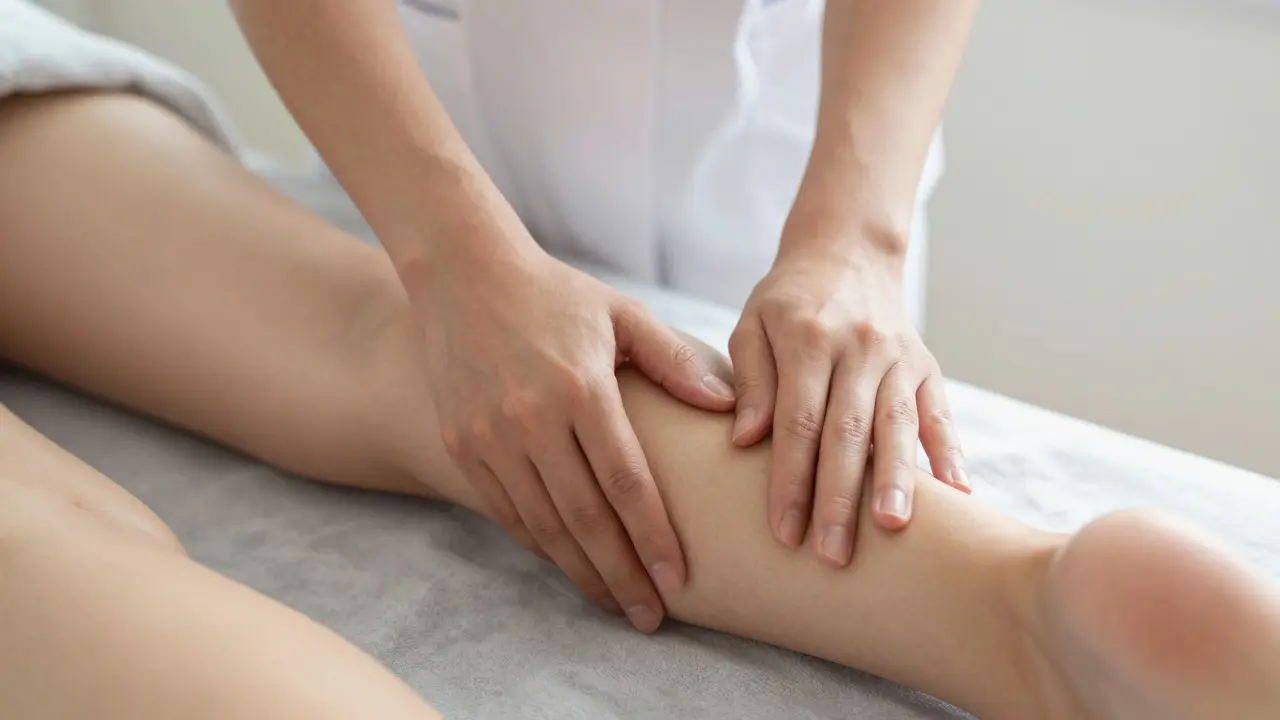
This isn’t your regular spa massage. It’s ultra-gentle, rhythmic, and directional - designed to encourage fluid movement without pushing or deep pressure. In Dubai, many licensed therapists offer MLD sessions, especially for post-surgery recovery or chronic swelling. A single session can make you feel lighter. After 3-5 sessions, many report reduced puffiness, better sleep, and clearer skin.
Hydrate Smartly
Drink water - but don’t chug it. Sip steadily throughout the day. Add lemon or a pinch of sea salt to help your body retain and move fluid. Dehydration makes lymph thicker and harder to move.
Use Dry Brushing
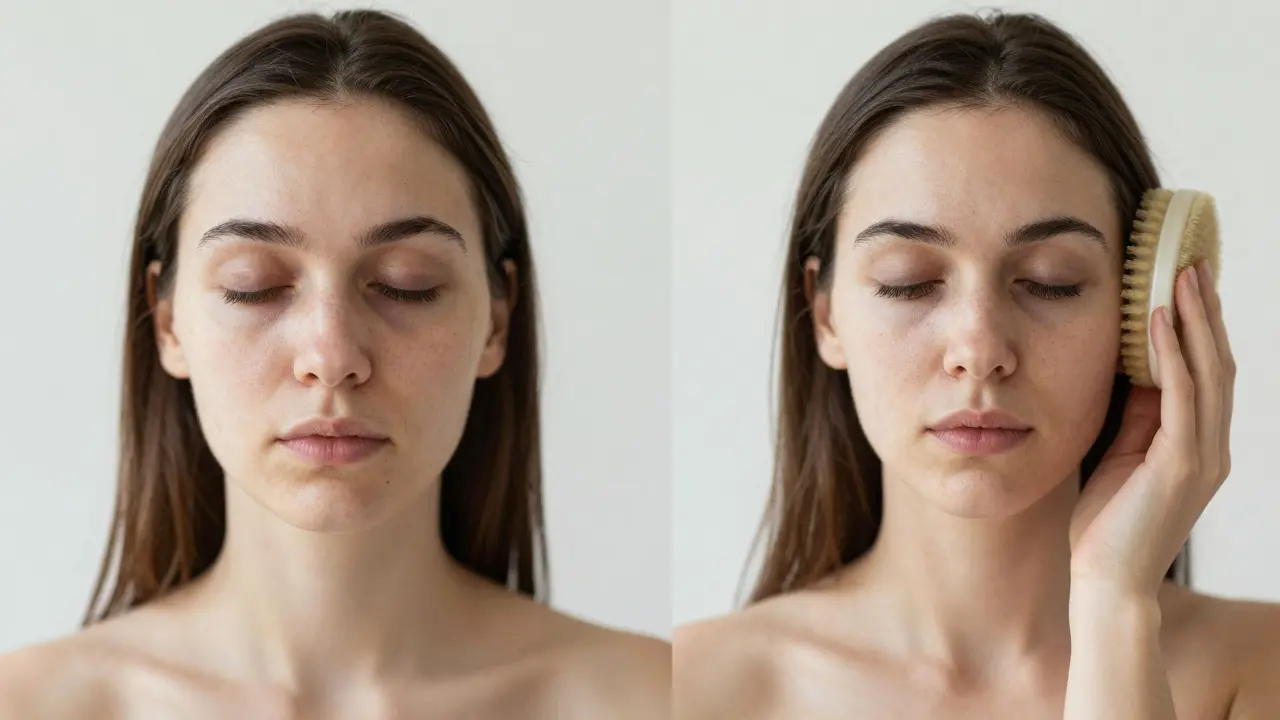
Before your shower, brush your skin with a natural bristle brush, always moving toward your heart. Start at your feet and work upward. It’s not about exfoliating - it’s about stimulating the lymphatic vessels just under the skin. Do it 5 minutes a day, 3-4 times a week.
Reduce Inflammation
Processed foods, sugar, and too much salt slow lymph flow. Try cutting back for a week. Replace them with leafy greens, cucumbers, ginger, and turmeric. These foods naturally support drainage.
Safety and What to Avoid
When to Skip Lymphatic Work
Don’t attempt drainage if you have:
- An active infection (fever, flu)
- Heart failure or uncontrolled high blood pressure
- Recent cancer treatment (unless cleared by your oncologist)
- Deep vein thrombosis (DVT)
If you’re unsure, check with your doctor. It’s always better to be safe.
Choosing the Right Practitioner
In Dubai, look for therapists certified in Complete Decongestive Therapy (CDT) or MLD by the Vodder School or Lymphology Association of North America. Ask about their training. A good therapist will use light pressure - like brushing silk - and never cause pain.
Enhancing Your Lymphatic Health
Pair It With Deep Breathing
Diaphragmatic breathing - slow, belly-focused breaths - acts like a pump for your lymph. Try this: inhale for 4 counts, hold for 2, exhale for 6. Do it for 5 minutes before bed. It’s simple, free, and powerful.
Use Compression Garments If Needed
For persistent swelling, especially after surgery or during long flights, compression socks or sleeves can help. They’re not just for athletes - they’re medical tools.
Keep a Lymphatic Journal
Track your energy, swelling, and skin changes for two weeks. Note what you ate, how much you moved, and how you slept. You’ll start seeing patterns. Maybe you feel better after a walk. Or maybe salt makes you puffier. Awareness is the first step to change.
FAQ: Common Questions About Lymphatic Drainage
What are the signs my lymphatic system is clogged?
Common signs include persistent swelling in hands or feet, unexplained fatigue, recurring sore throats, dull skin, and stiffness that doesn’t improve with stretching. If you notice these symptoms without an obvious cause - like injury or illness - your lymphatic system may be struggling to clear fluid and toxins. It’s not always visible, but your body gives clues.
How does lymphatic drainage massage differ from regular massage?
Regular massage uses deeper pressure to relax muscles and improve circulation. Lymphatic drainage massage is ultra-light - often described as the weight of a dollar bill on the skin. It follows specific pathways toward lymph nodes and doesn’t involve kneading or oil. The goal isn’t relaxation (though it helps), but to stimulate the flow of lymph fluid. It’s more like guiding water through a pipe than massaging a knot.
Can I do lymphatic drainage at home?
Yes - gently. Dry brushing, rebounding on a mini trampoline, deep breathing, and walking are all effective. You can also do light, circular strokes on your limbs, moving toward your heart. But don’t try deep pressure or complex techniques without training. Overdoing it can irritate the system. Start slow: 5 minutes a day, 3 times a week. If you feel worse, stop.
How long does it take to see results?
Some people feel lighter after one session. For lasting change, especially with chronic swelling or fatigue, it usually takes 3-5 sessions over 2 weeks. Consistency matters more than intensity. Think of it like watering a plant - small, regular care works better than a big splash once a month.
Is lymphatic drainage safe for everyone?
Most people benefit, but it’s not for everyone. Avoid it if you have an active infection, heart failure, deep vein thrombosis, or are undergoing cancer treatment without medical clearance. If you’re pregnant, consult your provider. Always start slow and listen to your body. If something feels off, stop and ask a professional.
Conclusion: Why This Matters More Than You Think
A Path to Feeling Lighter - Inside and Out
Your lymphatic system doesn’t make headlines. But it’s the quiet hero behind your energy, skin, immunity, and even your mood. When it’s clogged, you don’t just feel swollen - you feel stuck. Addressing it isn’t a luxury. It’s basic self-care.
Try It Mindfully
You don’t need expensive treatments or gadgets. Start with walking, drinking water, and breathing deeply. If you’re curious about massage, find a certified therapist. Give it 3 weeks. Notice how you feel. You might be surprised.
Share Your Journey
Tried lymphatic drainage? Share your experience in the comments - what worked, what didn’t. Follow for more simple, science-backed wellness tips tailored for life in Dubai.
Some links may be affiliate links, but all recommendations are based on research and quality.
Word count: 1,687
Suggested Images
- A woman gently brushing her arms with a dry brush, morning light streaming through a Dubai apartment window.
- A therapist performing lymphatic drainage on a client’s leg with ultra-light hand movements.
- A side-by-side photo: one person with puffy eyes in the morning, another with clear skin after 2 weeks of self-care.
- A person rebounding on a mini trampoline in a home gym.
- A simple infographic showing lymphatic pathways from feet to neck.
Suggested Tables
- Comparison of Blood Circulation vs. Lymphatic Flow
- Key Benefits of Lymphatic Drainage: Benefit, Description, Impact
- Safety Tips for Lymphatic Practices: Practice, Purpose, Example