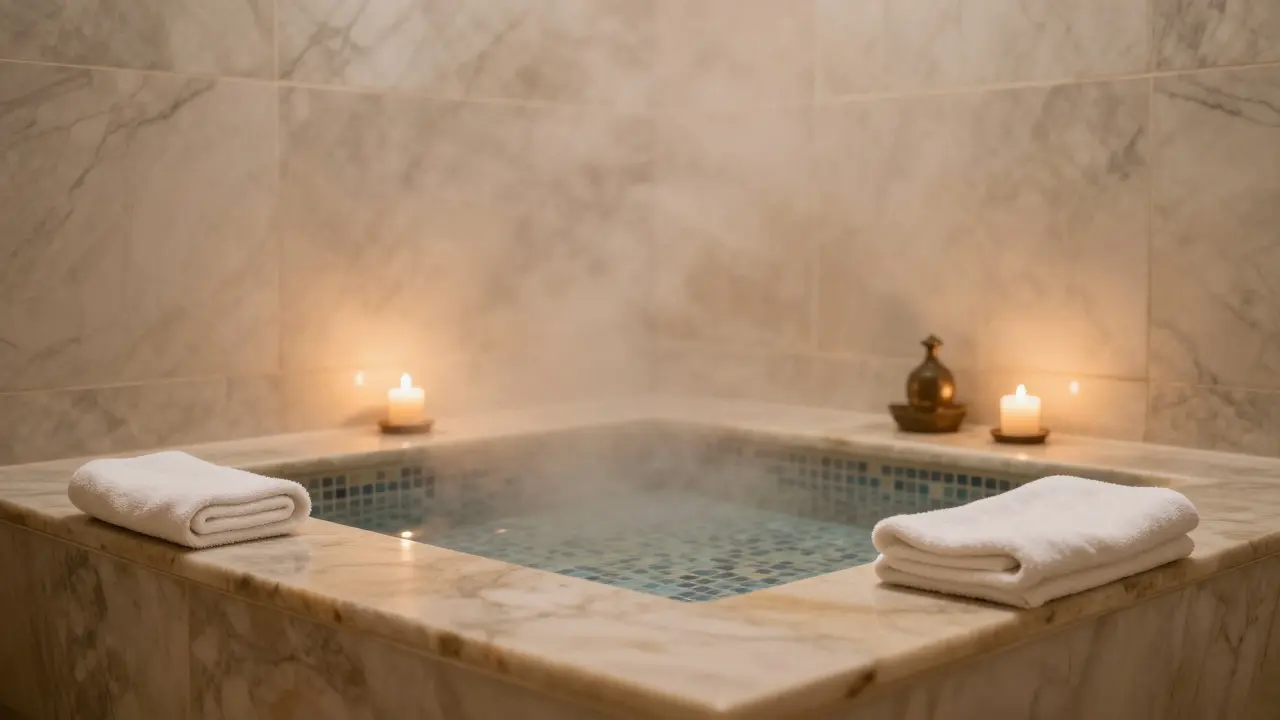
How long can you stay in a hammam? It’s a question many first-timers ask when stepping into the steamy, marble-lined rooms of a traditional Moroccan bath in Dubai. The answer isn’t one-size-fits-all - it depends on your body, your goals, and how well you listen to yourself. Most people stay between 20 and 40 minutes per session, but some linger for over an hour. The key isn’t to clock every minute - it’s to feel when it’s time to step out.
Understanding the Basics of Hammam
Origins and History
The hammam, or Turkish bath, traces its roots back over a thousand years to the Roman thermae and evolved through Islamic culture into the elaborate steam rituals we see today in Morocco, Turkey, and across the Middle East. In Dubai, these baths aren’t just about cleanliness - they’re a cultural ritual rooted in community, purification, and slow living. Traditional hammams were built with three progressively hotter rooms: the cold room for preparation, the warm room for sweating, and the hot room for deep cleansing. This layered design isn’t random - it’s science. Your body needs time to adjust, and the gradual heat helps open pores safely.
Core Principles or Components
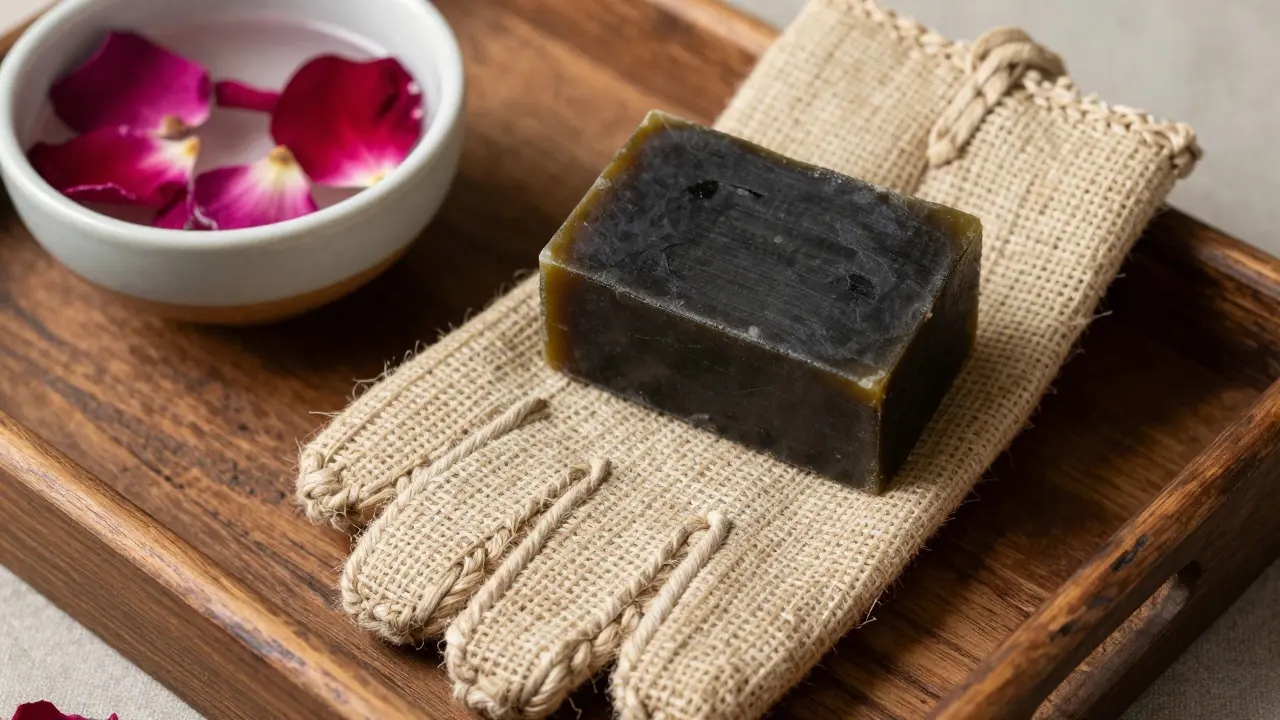
A true hammam experience has three pillars: heat, steam, and scrubbing. The heat opens your pores and relaxes your muscles. The steam flushes out toxins and hydrates your skin. And the exfoliation - usually with a kessa glove and black soap made from olive oil and eucalyptus - removes dead skin cells like a gentle sandblaster. Unlike a sauna, where you sit dry, a hammam is a wet, interactive process. You’re not just soaking; you’re being cared for. Many spas in Dubai now pair this with aromatherapy oils, rosewater sprays, or even honey masks, but the core remains unchanged: slow, intentional cleansing.
How It Differs from Related Practices
People often confuse hammams with saunas or hot yoga. Here’s how they stack up:
| Practice | Key Feature | Primary Benefit |
|---|---|---|
| Hammam | Humid heat, wet scrubbing, communal space | Deep skin detox and relaxation |
| Sauna | Dry heat, no water, solo experience | Cardiovascular stimulation |
| Hot Yoga | Dynamic movement in heated room | Flexibility and mental focus |
The hammam is the only one where you’re actively cleaned by another person. That’s the difference. You’re not just sweating - you’re being tended to.
Who Can Benefit from Hammam?
Almost everyone. Athletes use it to recover from muscle soreness. Busy professionals find it a reset button for stress. People with dry skin or eczema report smoother skin after regular sessions. Even those with arthritis say the heat eases joint stiffness. If you’re pregnant, have heart issues, or are feeling unwell, it’s best to check with a doctor first. But for most healthy adults, the hammam is a gentle, deeply restorative practice.
Benefits of Hammam for Body and Mind
Stress Reduction
When you’re wrapped in warm steam, your body shifts from fight-or-flight mode to rest-and-digest. Your heart rate slows, cortisol drops, and your nervous system calms down. Research from the National Institutes of Health suggests that prolonged exposure to mild heat can trigger the release of endorphins - your body’s natural feel-good chemicals. In Dubai’s fast-paced environment, a hammam session can be the closest thing to a digital detox you’ll find. No phone. No emails. Just steam and silence.
Enhanced Skin Health
Your skin is your largest organ, and it’s constantly shedding. A hammam accelerates that process. The combination of steam and the coarse kessa glove removes layers of dead skin, revealing softer, brighter skin underneath. Many users notice improved absorption of moisturizers after a session. That’s because your pores are wide open. For those with acne-prone skin, the deep cleanse can help reduce breakouts - as long as you don’t overdo it. Once a week is plenty for most people.
Emotional Well-Being
There’s something deeply grounding about being touched gently by a skilled attendant - the rhythmic scrubbing, the warm water poured over your back, the quiet hum of the steam room. It feels like being cared for in a way modern life rarely allows. Many visitors describe it as a form of moving meditation. One woman from Abu Dhabi told me, “I left feeling like someone had taken the weight off my shoulders - literally and emotionally.”
Practical Applications
Think of the hammam as your monthly reset. Use it after a long flight to ease jet lag. Schedule it before a big event to glow from within. Pair it with a massage for full-body recovery. In Dubai’s dry desert climate, your skin gets parched. A weekly hammam can be your secret weapon against dullness and flakiness.
| Benefit | Description | Impact |
|---|---|---|
| Detoxification | Steam opens pores, sweat carries out impurities | Clearer skin, reduced bloating |
| Relaxation | Warmth calms the nervous system | Lower stress, better sleep |
| Circulation | Heat boosts blood flow | Faster muscle recovery, glowing skin |
| Hydration | Steam adds moisture to skin | Reduced dryness, improved elasticity |
What to Expect When Engaging with Hammam
Setting or Context
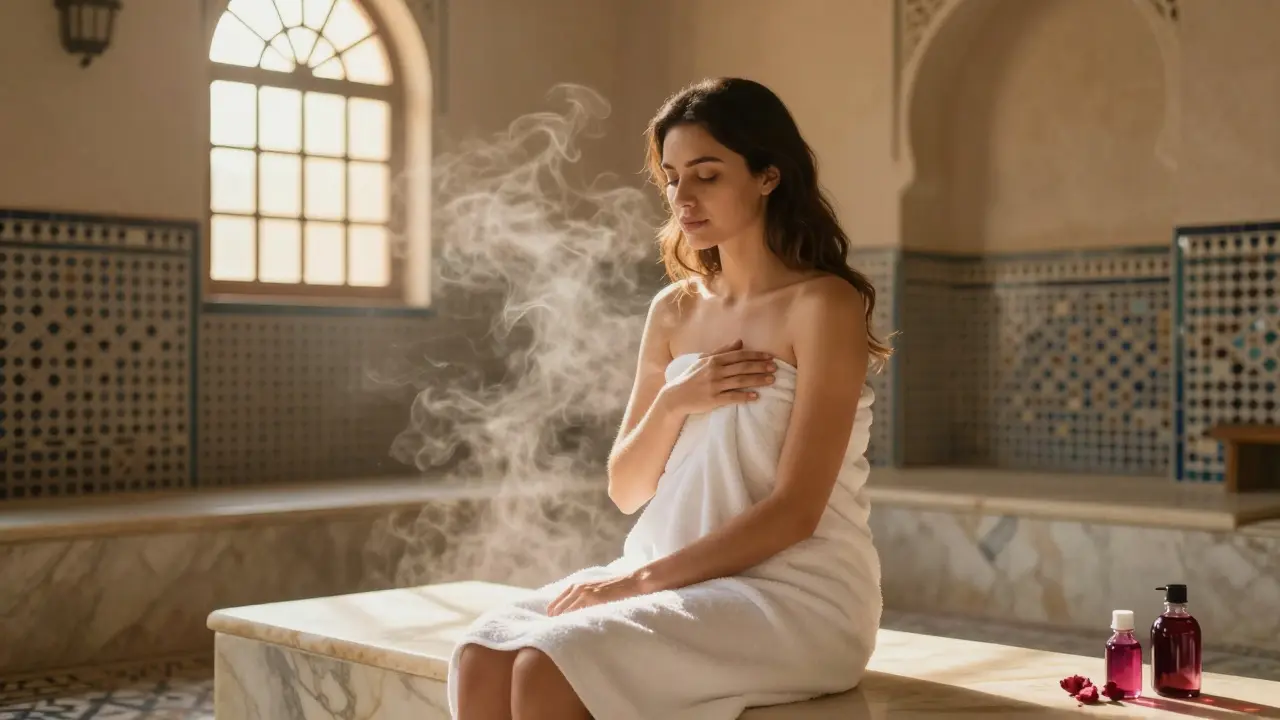
Most premium hammams in Dubai are housed in luxury spas - think marble floors, mosaic tiles, candlelight, and the scent of rosewater. You’ll be given a towel, slippers, and sometimes a robe. The space is designed to feel like a sanctuary. You’ll move through three rooms: cool (to change), warm (to acclimate), and hot (the main steam room). Some places have private rooms for couples or families. Others are gender-segregated, which is standard in traditional settings. Always confirm the policy before booking.
Key Processes or Steps
Here’s what typically happens:
- You arrive, change, and relax in the cool room for 5-10 minutes.
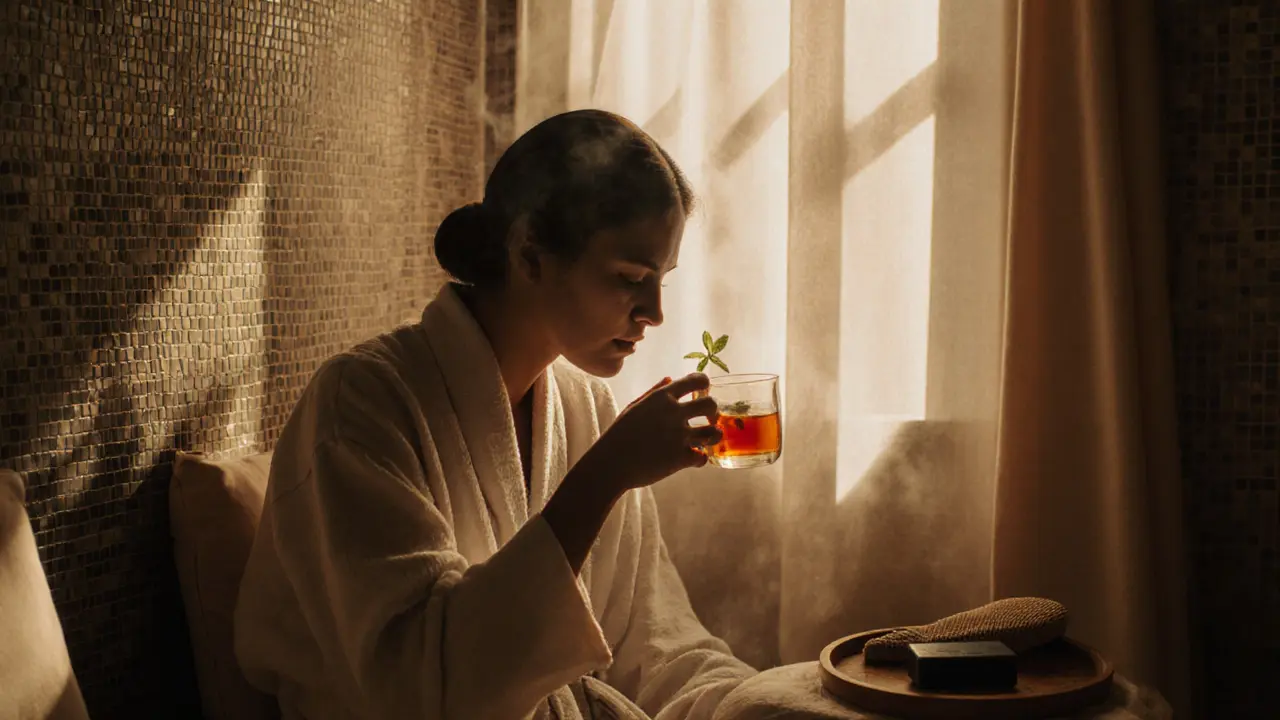
- You move to the warm room and sip mint tea while your body adjusts.
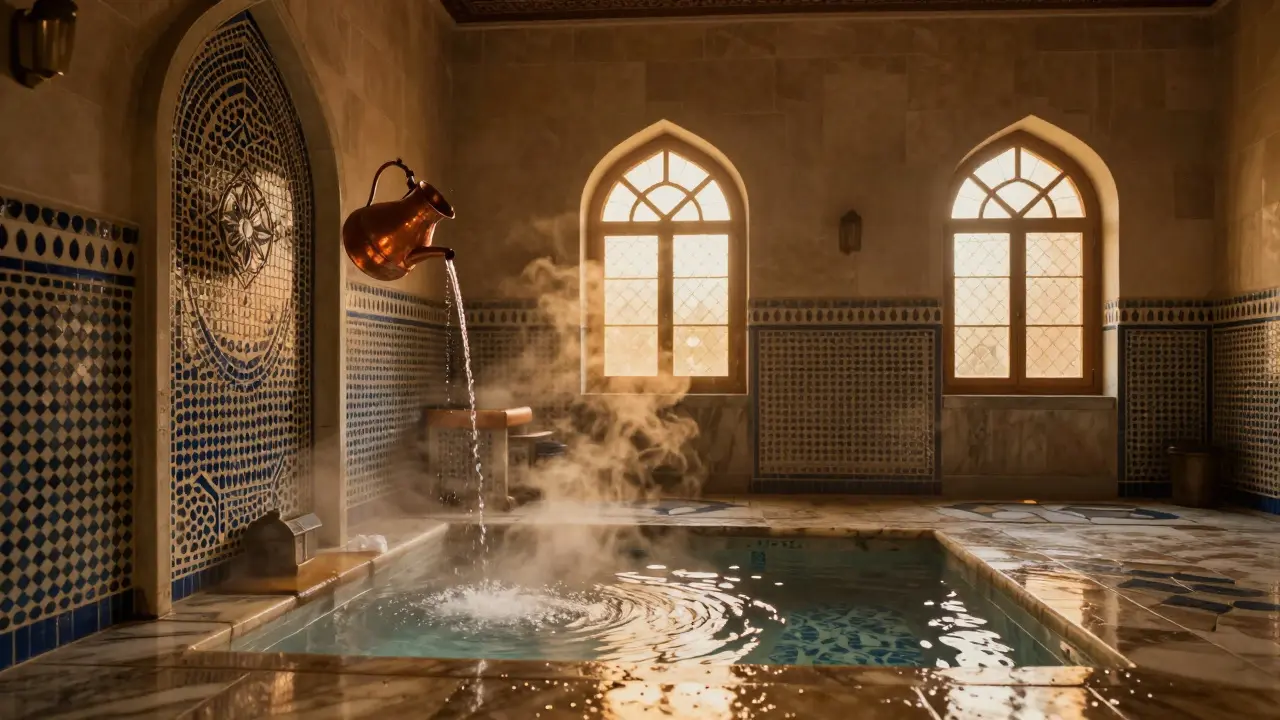
- In the hot room, you lie on a heated marble slab as an attendant pours warm water over you.
- They scrub you with a kessa glove - this part feels rough but isn’t painful.
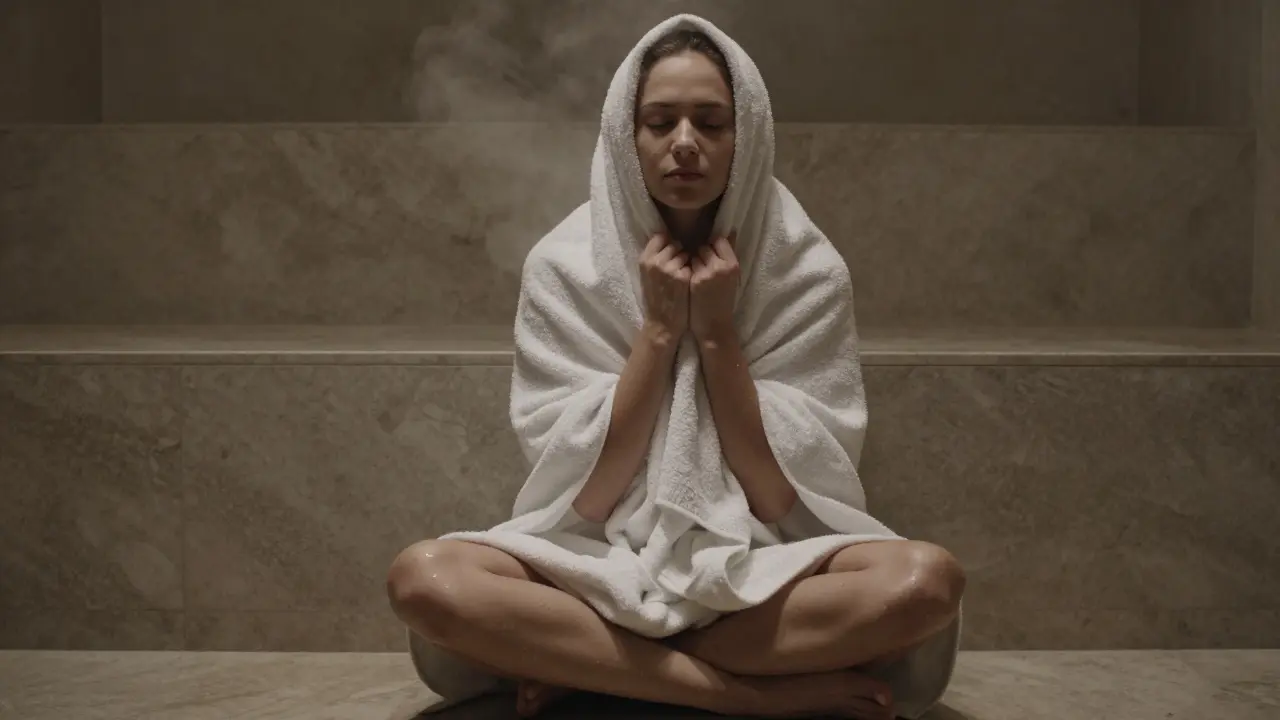
- You’re rinsed off, then wrapped in a towel.
- You return to the cool room to rest and hydrate.
The whole process takes about 60-90 minutes. Don’t rush. The magic is in the slowing down.
Customization Options
Many spas now offer upgrades: argan oil massage, honey scrub, clay mask, or aromatherapy. You can also request a gentler scrub if you have sensitive skin. Some places even do hair treatments. Tell your attendant what you need - they’re trained to adapt. If you’re not comfortable with the scrub, say so. You can still enjoy the steam without the exfoliation.
Communication and Preparation
Before your session, drink water. Don’t come hungry or on a full stomach. Avoid alcohol beforehand. If you have tattoos, ask if the scrub will affect them - some inks fade with heavy exfoliation. Bring a change of clothes. And leave your phone in the locker. This isn’t a place for selfies. It’s a place to be still.
How to Practice or Apply Hammam
Setting Up for Success
Choose a reputable spa. Look for places with clean facilities, trained staff, and positive reviews from locals. Avoid places that push you into a 15-minute “express” hammam - that’s not real. A proper session needs time. Book ahead, especially on weekends. Dubai’s top hammams fill up fast.
Choosing the Right Tools/Resources
If you want to recreate the experience at home, you’ll need black soap (available online or at Middle Eastern markets), a kessa glove, and a steamy bathroom. Turn on the shower, let the steam build, and scrub gently after 10 minutes. But don’t expect the same depth of relaxation without the ritual. The hammam is as much about the space as the process.
Step-by-Step Guide
1. Hydrate 30 minutes before.
2. Arrive 15 minutes early to settle in.
3. Change into your towel.
4. Spend 5-10 minutes in the cool room.
5. Move to the warm room. Sip tea. Breathe.
6. Enter the hot room. Lie down. Let the steam work.
7. When ready, signal your attendant.
8. Allow them to scrub and rinse you.
9. Rest in the cool room for 10-15 minutes.
10. Drink water. Put on fresh clothes. Go slow.
Tips for Beginners or Couples
First-timers often feel awkward. That’s normal. Just follow the lead of others. If you’re going with a partner, most places offer private rooms - perfect for shared relaxation. Don’t talk too much. Let the silence be part of the experience. And don’t worry about how you look - everyone’s wrapped in a towel. No one’s judging.
Safety and Ethical Considerations
Choosing Qualified Practitioners/Resources
Look for spas with certified attendants. Ask if they’ve trained in traditional hammam techniques. Avoid places where staff rush you or skip the cooling-down phase. A good spa will offer water, a quiet rest area, and time to recover. If you feel dizzy, ask to leave. Your comfort comes first.
Safety Practices
Here’s how to stay safe:
| Practice | Purpose | Example |
|---|---|---|
| Hydrate before and after | Prevent dehydration | Drink 1-2 glasses of water |
| Don’t stay longer than 40 minutes | Avoid overheating | Exit if you feel lightheaded |
| Use clean towels | Prevent infection | Check that towels are freshly laundered |
| Listen to your body | Respect personal limits | Leave if you feel nauseous or dizzy |
Setting Boundaries
You’re in control. If the scrub is too rough, say “azizy” (please) or “bass” (stop). If you don’t want to be touched, ask for a self-service option. Most places will accommodate you. Your boundaries matter.
Contraindications or Risks
Don’t use a hammam if you have: a fever, open wounds, recent surgery, uncontrolled high blood pressure, or heart disease. Pregnant women should avoid the hottest room after the first trimester. If you’re unsure, ask your doctor. The hammam is gentle - but not for everyone.
Enhancing Your Experience with Hammam
Adding Complementary Practices
Pair your hammam with a 10-minute meditation in the cool room. Or try a light yoga stretch after your session. Some spas offer herbal tea blends with chamomile or mint - sip slowly. These small rituals deepen the calm.
Collaborative or Solo Engagement
Going alone? Perfect. It’s your time to reconnect. Going with someone? Share the silence. Don’t feel pressured to talk. The best hammam moments are the quiet ones.
Using Tools or Props
Bring a reusable water bottle. Wear flip-flops. Carry a small towel for your head. Some people like to bring a book - but leave it in the locker. This isn’t a reading room. It’s a sensory pause.
Regular Engagement for Benefits
Once a week is ideal for skin and stress benefits. Twice a month works for maintenance. Overdoing it can dry out your skin. Think of it like watering a plant - not too much, not too little.
Finding Resources or Experts for Hammam
Researching Qualified Experts/Resources
Look for spas with positive reviews on Google or Tripadvisor that mention “authentic hammam” or “traditional scrub.” Ask for staff credentials. If they’ve trained in Marrakech or Istanbul, that’s a good sign. Avoid places that use the word “hammam” just to sound exotic.
Online Guides and Communities
Check out forums like Dubai Traveler or Reddit’s r/Dubai for real user tips. Many locals share their favorite spots. YouTube has short videos showing the process - useful if you’re nervous about what to expect.
Legal or Cultural Considerations
In Dubai, most hammams are gender-segregated. Respect this. It’s not about restriction - it’s about cultural comfort. Some places offer mixed-gender private rooms, but public areas follow local norms. Dress modestly in common areas. Cover up before leaving the steam room.
Resources for Continued Learning
Books like The Art of the Hammam by Moroccan wellness experts offer insight into the philosophy behind the ritual. You can also find workshops at luxury resorts in Dubai that teach traditional scrubbing techniques.
FAQ: Common Questions About Hammam
How long should I stay in a hammam?
Most people stay between 20 and 40 minutes in the hot room, with the full experience lasting 60-90 minutes. It’s not about timing - it’s about how you feel. If you start to feel dizzy, lightheaded, or overly hot, get up and cool down. Your body will tell you when it’s time. First-timers should start with 20 minutes and build up. No one is watching the clock - only you know when you’ve had enough.
What happens during a hammam session?
You begin in a cool room to relax. Then you move to a warm room to adjust to the heat. In the hot room, you lie on a heated marble slab while warm water is poured over you. A trained attendant scrubs your skin with a rough glove to remove dead cells, then rinses you off. Afterward, you rest in the cool room, drink water, and let your body return to normal. The whole process is slow, gentle, and deeply soothing. It’s not a quick cleanse - it’s a ritual.
How is a hammam different from a sauna?
A sauna uses dry heat and is usually a solo experience. A hammam uses humid, wet heat and involves active cleansing - you’re scrubbed, rinsed, and tended to. The humidity in a hammam is much higher, which helps open pores more effectively and hydrates your skin. You also get the human touch: the scrub, the massage, the care. A sauna is about sweating. A hammam is about being cared for.
Is a hammam suitable for beginners?
Absolutely. Most spas in Dubai are designed for newcomers. Staff are trained to guide you gently. You don’t need to know anything beforehand. Just show up, follow the flow, and speak up if something feels off. Many first-timers are surprised by how relaxing it is - not intimidating. Start with a basic session, skip the extra treatments, and see how your body responds. You’ll leave feeling lighter, cleaner, and calmer.
Can I go to a hammam if I have sensitive skin?
Yes, but be upfront. Tell your attendant you have sensitive skin - they’ll use a lighter scrub or skip the exfoliation entirely. Many places offer gentle alternatives like oatmeal or milk baths. Avoid harsh soaps or strong fragrances. The steam alone will still help open pores and hydrate your skin. You don’t need the scrub to benefit. The warmth and humidity are enough for a soothing reset.
Conclusion: Why Hammam is Worth Exploring
A Path to Calm in a Fast-Paced City
In a city that never sleeps, the hammam offers a rare pause. It’s not a luxury - it’s a necessity for anyone who wants to feel grounded. The heat, the steam, the quiet, the care - it all adds up to something deeper than a spa day. It’s a return to a slower, more intentional way of being.
Try It Mindfully
Don’t treat it like a checklist item. Go with curiosity. Let the steam wrap around you. Breathe. Listen. You might just find that the best part of your week isn’t on your phone - it’s in a steamy room with warm water on your back.
Share Your Journey
Tried a hammam in Dubai? Share your experience in the comments - what surprised you? What did you love? Follow this blog for more quiet escapes in the city’s hidden corners.
Some links may be affiliate links, but all recommendations are based on research and quality.
Word count: 1,672
Suggested Images
- A serene, dimly lit hammam room with marble walls, steam rising, and a towel draped over a heated slab.
- A close-up of a kessa glove and black soap on a wooden tray beside a bowl of rosewater.
- A person wrapped in a towel, eyes closed, resting in the cool room after a session.
- A traditional Moroccan-style hammam with mosaic tiles and candlelight.
- A smiling attendant gently pouring warm water over a client’s back.
Suggested Tables
- Comparison of Hammam vs. Sauna vs. Hot Yoga (as shown in article)
- Key Benefits of Hammam (as shown in article)
- Hammam Safety Tips (as shown in article)

Hallam Bailie
January 7, 2026 AT 06:32Just did my first hammam in Dubai last week and WOW. 😍 Like, I thought I was gonna die from the heat, but then the scrub? Pure magic. Felt like my skin was reborn. Also, the mint tea afterwards? Chef’s kiss. Now I’m addicted.
Shawn McGuire
January 7, 2026 AT 23:05While the article romanticizes the hammam experience, it glosses over the hygiene risks inherent in communal wet environments. Studies show that biofilm accumulation on marble slabs in high-traffic hammams can harbor Staphylococcus aureus and Pseudomonas aeruginosa. Without documented disinfection protocols, the ‘ritual’ becomes a potential vector for infection. The recommendation to ‘listen to your body’ is insufficient without data-backed safety thresholds.
Dipraj Ghosh
January 8, 2026 AT 13:28For anyone new to this - don’t overthink it. The hammam isn’t about perfection. It’s about presence. I’ve been going for years, even when I was stressed, tired, or just needed to feel human again. The scrub might feel rough at first, but the stillness afterward? That’s the gift. No phone. No noise. Just breath and warmth. You don’t need to understand the history to feel it.
Larry Zink
January 9, 2026 AT 01:06Correction: The article incorrectly states that hammams originated from ‘Roman thermae’ - technically, they evolved from Roman baths, but the Islamic adaptation introduced the layered heating system, not the Romans themselves. Also, ‘kessa glove’ should be hyphenated as ‘kessa-glove’ per Oxford style. And ‘azizy’ is Arabic, not Moroccan - the correct term in Moroccan Darija is ‘bass’ or ‘khalli.’ Minor, but accuracy matters.
Cindy Vo
January 10, 2026 AT 00:15Ugh, I went to this ‘luxury’ hammam in Jumeirah and the attendant smelled like cheap lavender oil and had nails that could’ve scratched glass. Honestly? It felt like a tourist trap masquerading as ‘authentic.’ The rosewater? Plastic bottle. The marble? Scratched. The whole thing screamed ‘cultural appropriation with a markup.’ If you’re gonna do it, go to the old-school places in Deira - no frills, just soul.
Lauren Gibson
January 10, 2026 AT 11:33There’s something sacred about letting someone else care for you - really care - without expecting anything back. In a world that tells us to hustle harder, the hammam says: rest. Not as a reward. Not as a luxury. As a right. I used to think I needed to earn peace. Now I know I just need to show up, lie down, and let the steam do the work.
Sydney Ferrell
January 12, 2026 AT 09:10Let’s be real - the ‘detox’ claims are pseudoscience. Your liver detoxes. Your kidneys detox. Sweat doesn’t carry out ‘toxins’ - it carries water and salt. The ‘glowing skin’ is just temporary hydration from steam. And the scrub? It’s just mechanical exfoliation. This article is just wellness marketing dressed in cultural aesthetics. The relaxation? Fine. The pseudoscience? Not okay.
mark roberts
January 14, 2026 AT 02:34Hey Sydney - I hear you on the detox myth. But even if it’s not ‘toxins,’ the heat still improves circulation, eases muscle tension, and gives your nervous system a break. That’s real. And honestly? Sometimes you don’t need science to know something feels healing. I’ve had panic attacks before a hammam. I’ve walked out calm. That’s not placebo - that’s biology meeting stillness. Don’t dismiss the quiet wins.