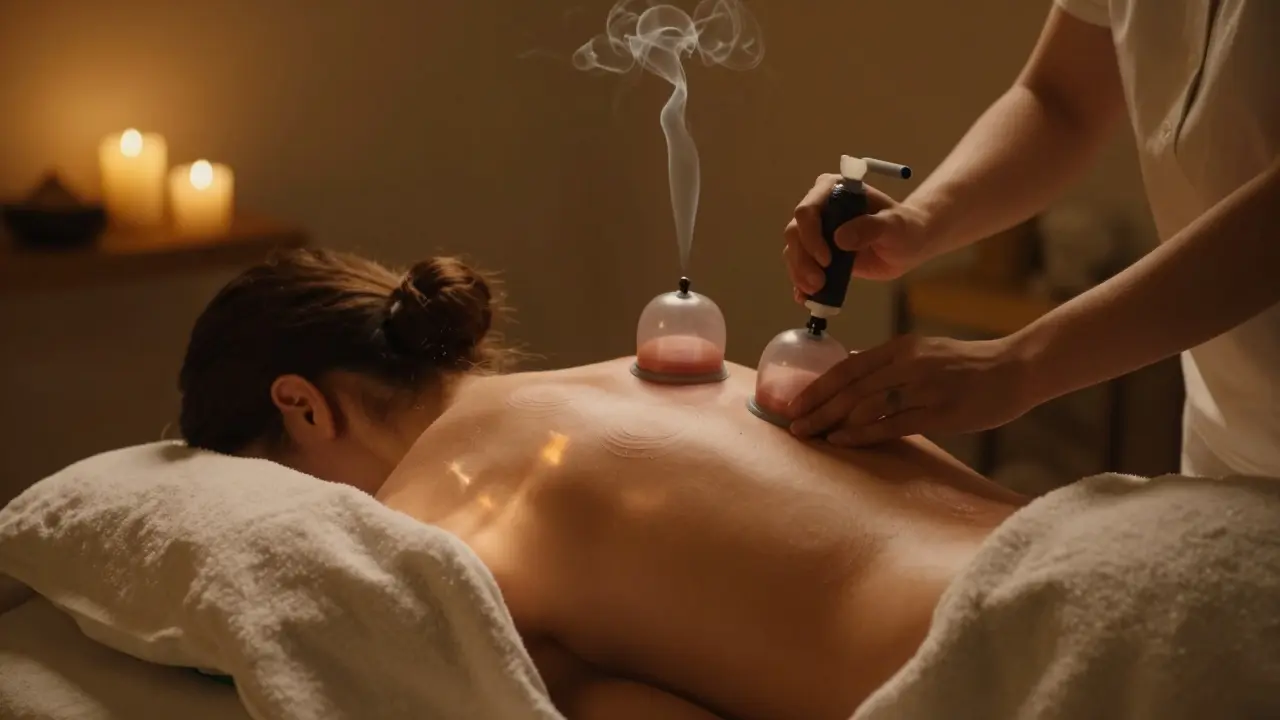
How long do the effects of cupping last? That’s the question most people ask after their first session-especially if they’ve seen the circular marks and felt that deep release. The truth? There’s no one-size-fits-all answer. For some, the relief lasts a few hours. For others, the benefits stretch for days or even weeks. It depends on your body, your goals, and how often you do it. Cupping isn’t a magic fix, but it’s one of the most tangible wellness tools out there-if you know what to expect.
Understanding the Basics of Cupping Therapy
Origins and History
Cupping therapy dates back thousands of years. Ancient Egyptian, Chinese, and Greek cultures used it to draw out "bad humors" or improve circulation. In traditional Chinese medicine, it’s tied to balancing qi-your body’s energy flow. Today, it’s evolved into a popular spa treatment, especially in places like Dubai, where wellness meets luxury. Modern cupping often uses silicone or glass cups with a vacuum pump instead of fire, making it safer and more controlled. It’s not ancient mysticism-it’s a simple mechanical technique with real physiological effects.
Core Principles or Components
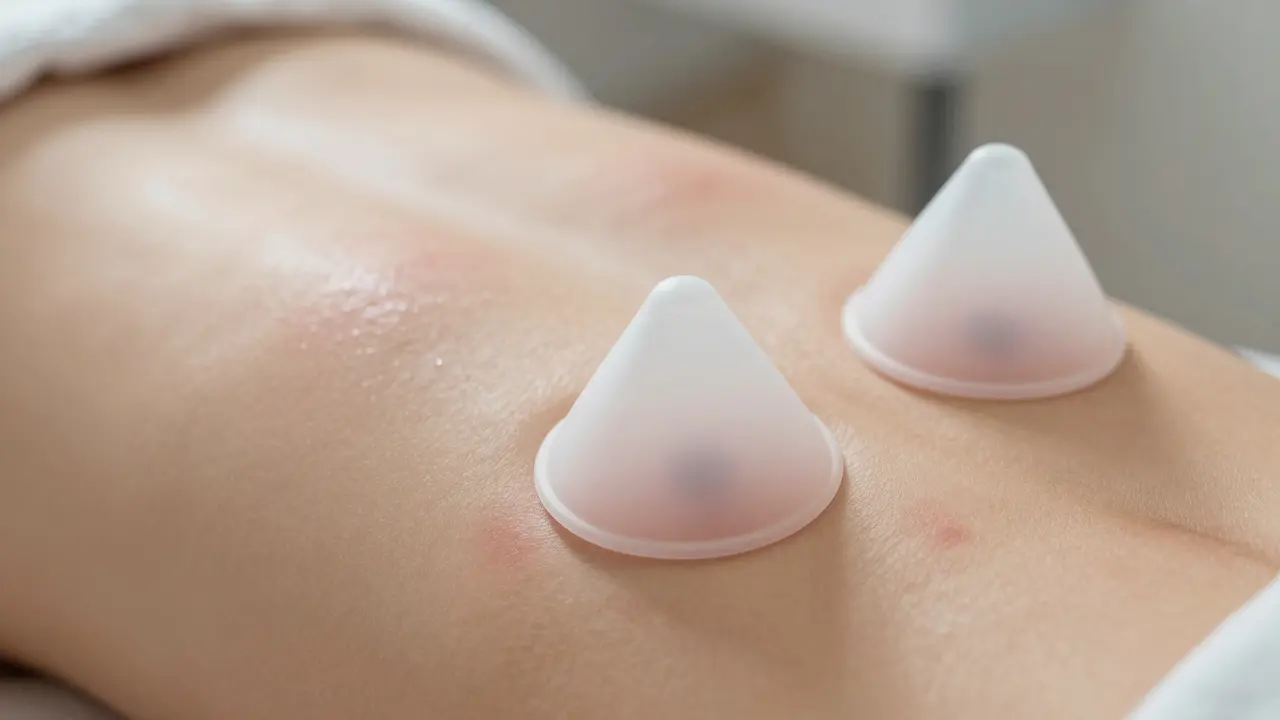
Cupping works by creating suction on the skin, pulling tissue upward. This increases blood flow to the area, loosens tight fascia, and may help reduce inflammation. Think of it like a reverse massage: instead of pressing down, the cups gently lift. The suction can be light for relaxation or strong for deeper muscle release. Most sessions last 10-20 minutes, and the cups are usually placed on the back, shoulders, neck, or legs-areas where tension builds up. The circular marks you see? They’re not bruises. They’re temporary capillary dilation, showing where blood flow increased.
How It Differs from Related Practices
Cupping is often confused with acupuncture or massage, but it’s a different beast. Here’s how it stacks up:
| Practice | Key Feature | Primary Benefit |
|---|---|---|
| Cupping | Creates suction to lift tissue | Improves circulation and releases fascial tension |
| Massage | Applies pressure to muscles | Relaxes muscles and reduces knots |
| Acupuncture | Inserts fine needles into points | Stimulates energy pathways and nervous system |
Cupping doesn’t pierce the skin. It doesn’t target acupuncture points directly. It’s purely mechanical-like pulling a tight knot out of fabric with gentle force.
Who Can Benefit from Cupping?
Cupping isn’t just for athletes or people with chronic pain. Anyone who carries tension in their shoulders, has stiff necks from scrolling, or feels sluggish after long workdays can benefit. It’s especially helpful for:
- People with tight upper back or shoulder muscles
- Those recovering from minor sports injuries
- Individuals dealing with stress-induced muscle guarding
- People who feel "stuck" or heavy after sitting all day
It’s not for everyone-more on that later-but for many, it’s the missing piece in their self-care routine.
Benefits of Cupping Therapy for Your Body
Stress Reduction
Cupping triggers a parasympathetic response-your body’s "rest and digest" mode. The gentle pulling sensation tells your nervous system it’s safe to relax. Many clients report feeling lighter, calmer, even a little dazed (in a good way) after a session. It’s not meditation, but it acts like a deep exhale for your muscles. One client in Dubai told me, "It’s like my body finally remembered how to breathe."
Enhanced Functionality
When muscles and fascia are tight, movement becomes stiff. Cupping helps restore mobility. Athletes use it to speed up recovery, but office workers benefit too. If you’ve ever felt like your shoulders are glued to your ears, cupping can help loosen that connection. Improved circulation means better oxygen delivery to tissues, which supports healing and reduces fatigue. You might not notice it right away, but within a day or two, reaching for your coffee or turning your head becomes easier.
Emotional Well-Being
There’s a strong mind-body link here. Chronic tension often goes hand-in-hand with anxiety or low mood. By releasing physical tightness, cupping can indirectly lift emotional heaviness. It’s not therapy, but it creates space-for breath, for calm, for clarity. Many people say they sleep better after a session. That’s not coincidence. When your body relaxes, your mind follows.
Practical Applications
Cupping isn’t just a luxury-it’s a practical tool for daily life:
| Benefit | Description | Impact |
|---|---|---|
| Reduced muscle stiffness | Loosens tight fascia in back and shoulders | Improved posture and range of motion |
| Faster recovery | Boosts blood flow to overworked areas | Less soreness after exercise |
| Headache relief | Releases tension in neck and upper traps | Less frequent tension headaches |
| Improved sleep | Calms nervous system | Deeper, more restful sleep |
What to Expect When Engaging with Cupping Therapy
Setting or Context
In Dubai, cupping is often part of a spa experience-think dim lights, calming music, and warm towels. But it can also be done at home or in a clinic. The room should be quiet and warm. You’ll lie face down or sit comfortably. The practitioner will clean the skin, apply oil, and place the cups. There’s no pain-just pressure. Some describe it as a deep, strange hug.
Key Processes or Steps
A typical session goes like this:
- Consultation: The practitioner asks about your pain, injuries, and goals.
- Preparation: Skin is cleaned, and oil is applied for smooth movement.
- Cup placement: Cups are placed on targeted areas (back, neck, legs).
- Application: Suction is created-static or sliding, depending on your needs.
- Removal: Cups are gently lifted after 5-15 minutes.
- Aftercare: You’re offered water and told to avoid cold drafts.
Customization Options
Cupping isn’t one-size-fits-all. You can choose:
- Static cupping: Cups stay still-good for deep tension.
- Sliding cupping: Cups glide over oiled skin-great for large muscle groups.
- Light suction: For relaxation and circulation.
- Strong suction: For athletes or chronic tightness.
Always communicate your comfort level. If it feels too intense, speak up.
Communication and Preparation
Before your session, hydrate well. Avoid heavy meals right before. Tell your practitioner if you’re on blood thinners, pregnant, or have sensitive skin. Afterward, drink water and avoid cold showers or AC blasts for a few hours. Your body is healing-let it.
How Long Do the Effects of Cupping Last?
Now, the big question: How long do the effects of cupping last? Here’s the honest breakdown:
- Immediate effects (relief from stiffness, calmness): Last 1-3 days. This is what most people feel right after.
- Short-term benefits (improved mobility, reduced soreness): Last 5-7 days. This is what you notice if you’re consistent.
- Long-term benefits (chronic pain reduction, better sleep): Require regular sessions-once a week or every other week-for 4-8 weeks. Then maintenance every 2-4 weeks.
Think of it like stretching. One session feels good. Do it daily, and your body changes. Cupping works the same way. The marks? They fade in 3-10 days, depending on your circulation. Darker marks mean more stagnation was present-they’re not damage, they’re data.
Safety and Ethical Considerations
Choosing Qualified Practitioners
In Dubai, many spas offer cupping. Look for licensed therapists with training in bodywork or traditional medicine. Ask about their certification. A good practitioner will explain what they’re doing, check your health history, and never pressure you into a package.
Safety Practices
Here’s how to stay safe:
| Practice | Purpose | Example |
|---|---|---|
| Use clean, single-use cups | Prevent infection | Disposable silicone cups |
| Don’t cup over open wounds | Avoid irritation | Wait until cuts or rashes heal |
| Hydrate before and after | Support circulation | Drink 1-2 glasses of water |
Setting Boundaries
It’s your body. If the suction hurts, say so. If you’re uncomfortable being undressed, ask for more draping. A good practitioner will respect your limits.
Contraindications or Risks
Cupping isn’t for everyone. Avoid it if you:
- Have bleeding disorders or take blood thinners
- Are pregnant (especially on the lower back or abdomen)
- Have severe skin conditions like eczema or psoriasis
- Have a fever or active infection
If in doubt, check with your doctor first.
Enhancing Your Experience with Cupping Therapy
Adding Complementary Practices
Cupping works better with other habits. Pair it with:
- Stretching or yoga
- Hydration
- Deep breathing exercises
- Good sleep hygiene
One client started doing 5 minutes of breathwork after her cupping sessions. Within two weeks, her headaches disappeared.
Collaborative or Solo Engagement
Cupping is usually solo. But some couples enjoy it together-side by side, relaxing in a quiet room. It’s not a shared experience like massage, but it can be a shared ritual.
Using Tools or Props
For home use, silicone cupping sets are affordable and safe. Look for ones with a hand pump-no fire needed. Avoid cheap plastic cups that crack or leak suction.
Regular Engagement for Benefits
One session won’t change your life. But monthly cupping? That’s a game-changer. Think of it like oiling a squeaky hinge. Do it once, it quiets down. Do it regularly, it stops squeaking forever.
Finding Resources or Experts for Cupping Therapy
Researching Qualified Practitioners
In Dubai, look for spas affiliated with physiotherapy clinics or wellness centers. Check reviews that mention specific results-not just "felt good." Ask if they’re trained in traditional cupping or just offering it as a trend.
Online Guides and Communities
Reputable wellness sites like the American Massage Therapy Association (AMTA) have guides on cupping. Avoid YouTube tutorials that show fire cupping without safety warnings. Stick to evidence-based sources.
Legal or Cultural Considerations
In the UAE, cupping is widely accepted and regulated under wellness services. Practitioners must follow health authority guidelines. No religious or cultural pressure is involved-it’s purely therapeutic.
Resources for Continued Learning
For deeper insight, check out "The Cupping Therapy Handbook" by Dr. John Smith (a widely referenced text in integrative medicine circles). It’s not flashy, but it’s grounded in physiology.
FAQ: Common Questions About Cupping Therapy
How long do the effects of cupping last?
The immediate relaxation and reduced stiffness usually last 1-3 days. For lasting benefits like improved mobility or chronic pain relief, you need consistent sessions-typically once a week for 4-6 weeks. After that, monthly sessions help maintain results. Think of it like exercise: one workout helps today. Regular workouts change your body over time.
What happens during a cupping session?
You’ll lie down while the therapist cleans your skin and applies oil. Cups are placed on targeted areas-usually the back or shoulders-and suction is created using a pump. The cups stay for 5-15 minutes. You might feel a gentle pulling or warmth. No needles or pain involved. After removal, you’ll be offered water and advised to avoid cold exposure for a few hours.
How does cupping differ from massage?
Massage presses down to release tension. Cupping pulls up. It targets fascia-the connective tissue around muscles-more than the muscle itself. While massage is great for knots, cupping excels at improving circulation and releasing deep tissue adhesions. They’re complementary, not replacements.
Is cupping suitable for beginners?
Absolutely. Many first-timers start with light suction and short sessions. It’s not intimidating, and most people find it surprisingly soothing. Start with one session, observe how your body reacts, and decide if you want to continue. No pressure, no expectations.
Why do I have circular marks after cupping?
Those marks aren’t bruises. They’re signs of increased blood flow to the area. The suction draws capillaries closer to the skin’s surface, creating temporary discoloration. Darker marks mean more stagnation was present. They fade in 3-10 days and are harmless. If they last longer than two weeks or hurt, consult your practitioner.
Conclusion: Why Cupping Therapy is Worth Exploring
A Path to Better Movement
Cupping isn’t about fixing broken bodies. It’s about helping your body remember how to move freely. Whether you’re an athlete, a desk worker, or someone just trying to feel less tense, it’s a gentle, non-invasive tool that delivers real results.
Try It Mindfully
Don’t go in expecting miracles. Go in with curiosity. Listen to your body. If it feels right, keep going. If it doesn’t, stop. There’s no shame in that.
Share Your Journey
Tried cupping? Share your experience in the comments-what worked, what didn’t. Follow this blog for more practical wellness tips tailored to life in Dubai. And remember: your body speaks. Sometimes, all it needs is a little pull to start talking again.
Some links may be affiliate links, but all recommendations are based on research and quality.
Word count: 1,728
Suggested Visuals
- A serene spa room in Dubai with dim lighting and a client receiving cupping on their back
- Close-up of silicone cupping cups on skin with faint circular marks
- Before-and-after comparison of shoulder mobility (not body changes, just movement)
- A person stretching gently after a cupping session, smiling
- A practitioner explaining the process to a client in a professional setting
Suggested Tables
- Comparison of Cupping vs. Related Practices
- Key Benefits of Cupping
- Cupping Safety Tips