How long should I sit in a steam room? It’s one of the most common questions people ask after stepping into that warm, hazy room for the first time. You’ve just turned up the heat, the air is thick with moisture, and your skin is already tingling. You’re wondering: how long should I sit in a steam room? Push too long and you risk dizziness. Get out too soon and you miss the real benefits. The truth? There’s no one-size-fits-all answer-but there are clear, science-backed guidelines that work for most people, especially in places like Dubai where the outside heat already tests your limits.
Understanding the Basics of Steam Rooms
Origins and History
Steam rooms aren’t new. Ancient Romans built caldariums-heated rooms filled with steam from hot water-to relax after baths. In Turkey, the hammam tradition turned steam into a ritual of cleansing and social connection. These practices weren’t just about comfort; they were about health. Steam opened pores, eased muscle tension, and helped the body detox naturally. Today, modern spas, especially in hot climates like Dubai, use steam rooms as part of holistic wellness routines. The technology has improved-precise temperature control, humidity sensors, and antimicrobial surfaces-but the core idea remains: gentle heat, moist air, and quiet time for your body to reset.
Core Principles or Components
A steam room works by raising your core temperature slightly, which triggers natural responses. Your heart rate increases a little, blood vessels dilate, and sweat pours out. Unlike a dry sauna (which uses hot air at 70-100°C), a steam room keeps humidity near 100% and temperature between 40-45°C. That moisture means your body doesn’t lose water as fast, so you can stay longer without feeling parched. The steam also helps loosen mucus, soothe irritated airways, and soften skin. It’s not about burning calories-it’s about inviting your body into a state of deep relaxation and gentle circulation.
How It Differs from Related Practices
People often confuse steam rooms with saunas or hot tubs. Here’s how they stack up:
| Practice | Key Feature | Primary Benefit |
|---|---|---|
| Steam Room | 100% humidity, 40-45°C | Respiratory relief, skin hydration |
| Dry Sauna | Low humidity, 70-100°C | Deep muscle relaxation, intense sweating |
| Hot Tub | Water immersion, 37-40°C | Joint relief, buoyancy support |
Steam rooms are gentler on the cardiovascular system than saunas and more soothing for the lungs than dry heat. Hot tubs offer physical support but don’t deliver the same respiratory benefits.
Who Can Benefit from Steam Rooms?
Most healthy adults can enjoy steam rooms, especially those who:
- Live or work in hot, dry climates (like Dubai) and need to rehydrate their skin and airways
- Struggle with occasional congestion, allergies, or sinus pressure
- Have tight muscles from sitting at a desk or working long hours
- Want to wind down after a long day without alcohol or screens
But if you have heart conditions, low blood pressure, or are pregnant, you should talk to your doctor first. Steam isn’t dangerous for most-but it’s not a one-size-fits-all treatment.
Benefits of Steam Rooms for Body and Mind
Stress Reduction
When you step into a steam room, your body shifts from fight-or-flight mode to rest-and-digest. The warmth signals your nervous system to slow down. Cortisol levels drop. Your breathing becomes deeper and slower. Many regular users describe it as a mental reset-like hitting pause on a busy day. In Dubai, where life moves fast and temperatures soar, this quiet, humid space becomes a sanctuary. You don’t need to meditate or chant. Just breathe, relax, and let the steam do the work.
Enhanced Functionality
The moist heat opens up your nasal passages and bronchial tubes. If you’ve ever had a stuffy nose or felt tightness in your chest after a long flight, a steam room can be a quick fix. The humidity helps thin mucus, making it easier to clear. Athletes use steam rooms after workouts to reduce muscle stiffness and speed up recovery. Even people with mild asthma or seasonal allergies report fewer flare-ups after regular steam sessions. It’s not a cure, but it’s a supportive tool.
Emotional Well-Being
There’s something deeply calming about being wrapped in warmth without any demands. No phone. No noise. Just you and the hiss of steam. This sensory quiet helps reduce anxiety and improve mood. Studies from the National Institutes of Health (Web source (https://www.nih.gov)) suggest that regular heat exposure can increase endorphin release-the same feel-good chemicals activated by exercise. In a city like Dubai, where mental health awareness is growing, steam rooms offer a low-cost, non-pharmaceutical way to support emotional balance.
Practical Applications
Here’s what steam rooms can do for everyday life:
| Benefit | Description | Impact |
|---|---|---|
| Hydrated Skin | Moisture opens pores and softens dead skin | Reduces dryness, improves glow |
| Improved Breathing | Loosens mucus in nasal passages | Clearer airways, less congestion |
| Muscle Recovery | Increases blood flow to tired muscles | Faster post-workout relief |
| Relaxation Response | Triggers parasympathetic nervous system | Lower stress, better sleep |
What to Expect When Engaging with a Steam Room
Setting or Context
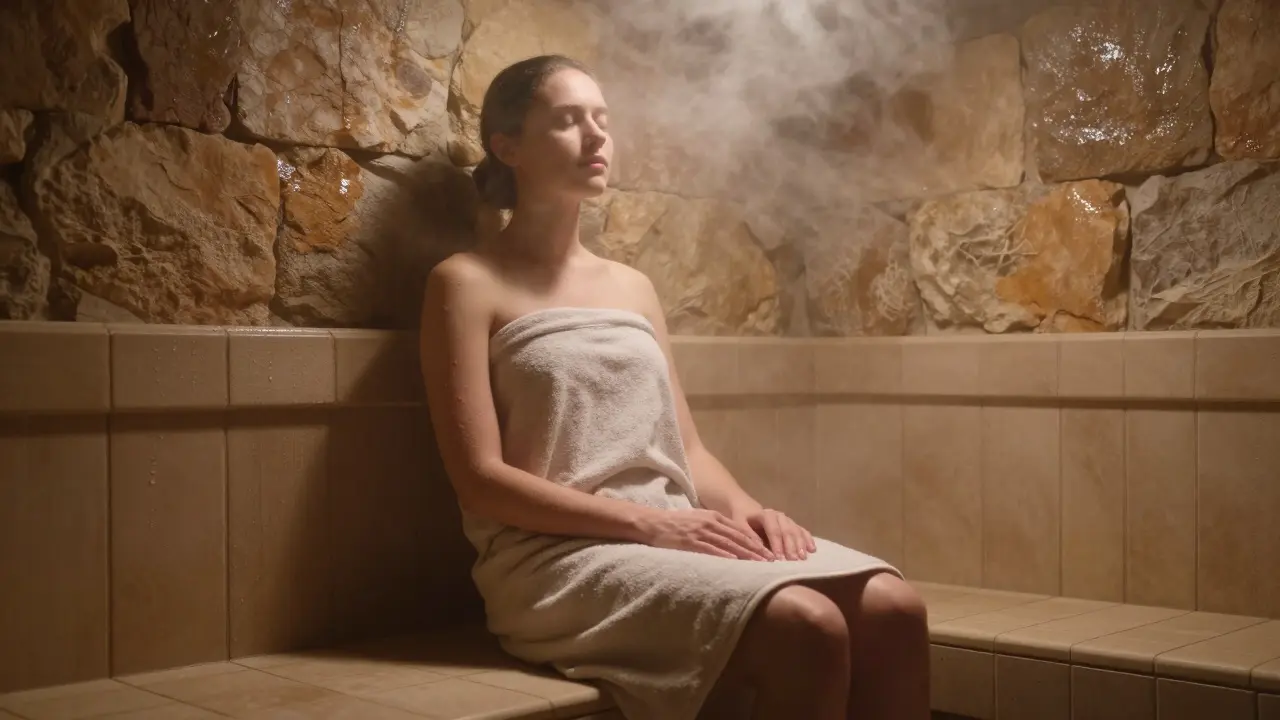
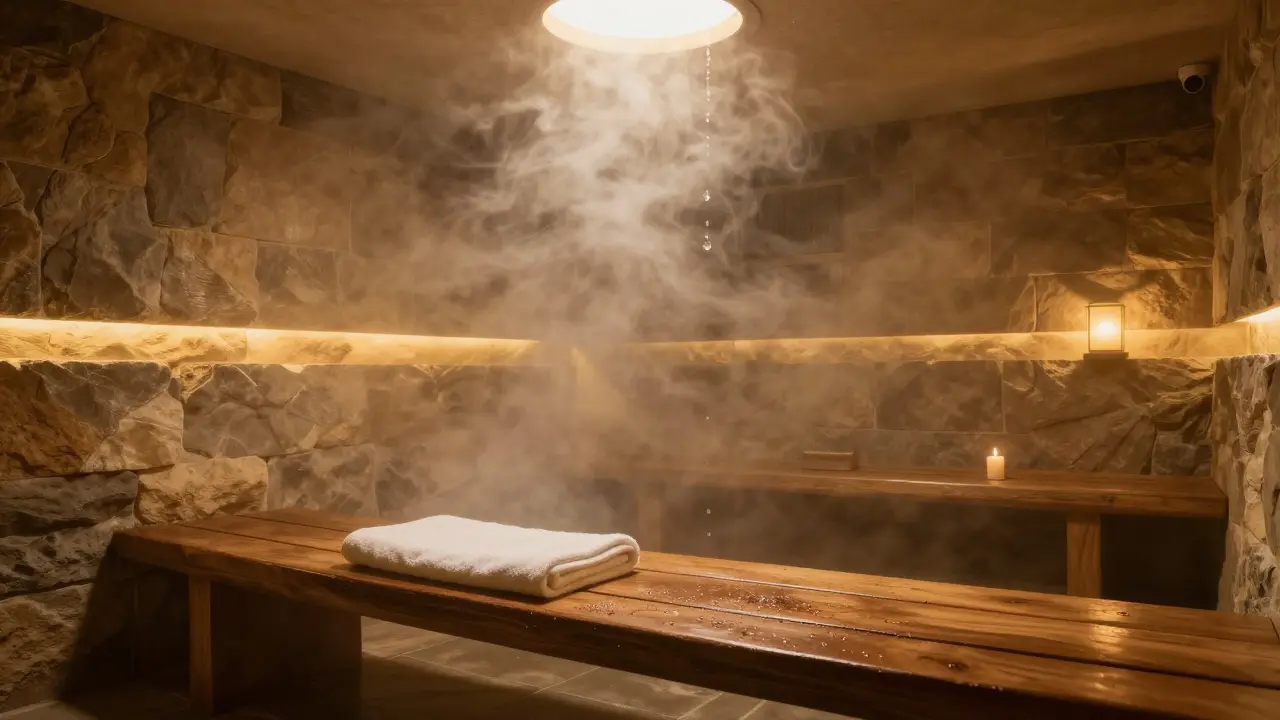
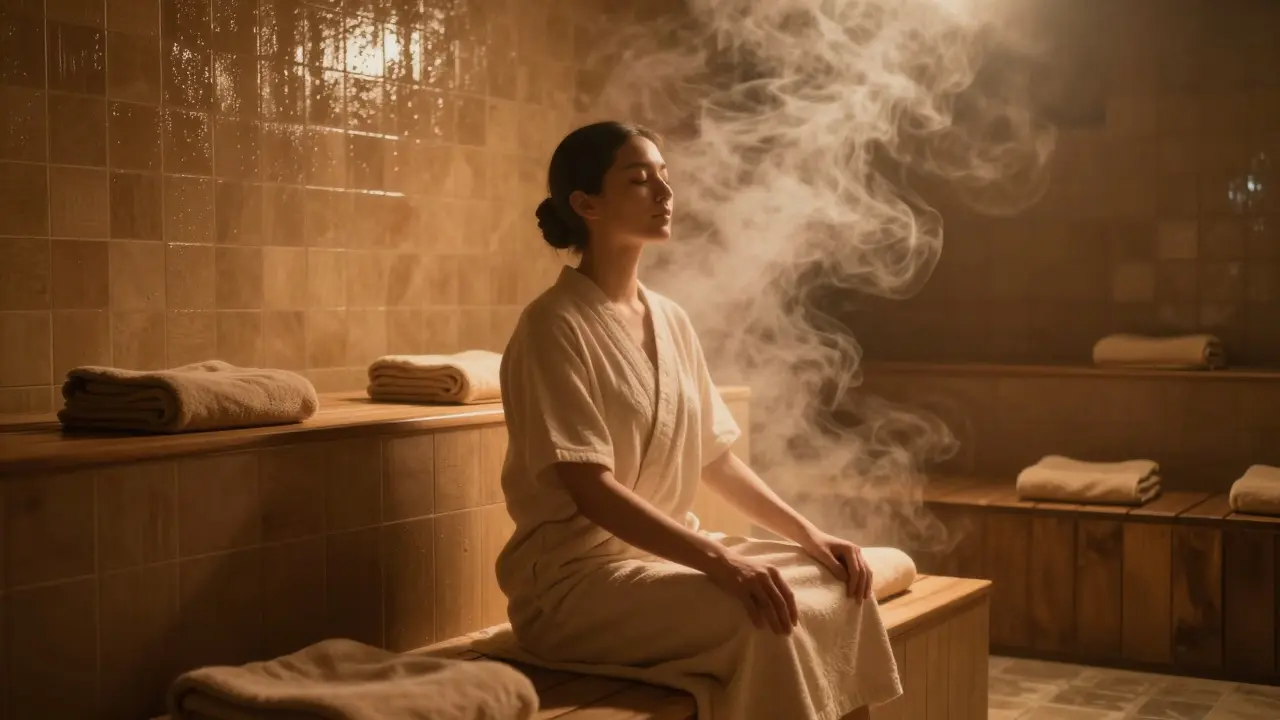
In Dubai, most steam rooms are found in luxury spas, hotel wellness centers, or high-end gyms. They’re usually dimly lit, with tiled walls, wooden benches, and soft lighting. You’ll find towels, water, and sometimes eucalyptus oil for added aroma. The air feels heavy-not stifling, but rich with warmth. You’ll hear a gentle hiss, see condensation on the walls, and feel your skin start to glow. There’s no rush. No clock. Just quiet.
Key Processes or Steps
There’s no complex routine. Just three simple steps:
- Shower first (to clean your skin and open pores)
- Enter the steam room and sit or lie down
- Stay until you feel comfortably warm, then exit slowly
Don’t splash water on the rocks-that’s for saunas. In a steam room, the humidity is already perfect. Just breathe, relax, and let the environment do its job.
Customization Options
You can adjust your experience. Try sitting on a lower bench if the heat feels too intense. Bring a small towel to wipe sweat. Add a few drops of essential oil to a bowl of water near the steam source (if allowed). Some people like to do light stretching or breathing exercises. Others just close their eyes and zone out. There’s no right way-only what feels right for you.
Communication and Preparation
Always tell the spa staff if you’re new to steam rooms or have health concerns. They’ll guide you on timing and safety. Drink water before and after. Don’t go in on an empty stomach or right after a heavy meal. And never rush-getting out too quickly can cause dizziness. Take your time. Let your body adjust.

How Long Should I Sit in a Steam Room?
This is the question you came for. Here’s the straightforward answer:
- Beginners: 10-15 minutes - Start here. Your body needs time to adjust. If you feel lightheaded, dizzy, or overly hot, get out immediately.
- Regular users: 15-20 minutes - Once you’re used to it, you can stretch to 20 minutes. This is the sweet spot for most people to get full benefits.
- Maximum: 25 minutes - Don’t go beyond this unless under professional supervision. Longer doesn’t mean better. Your body can’t sustain elevated heat indefinitely.
Listen to your body. If you start sweating heavily, feel nauseous, or notice your skin turning red or prickly, it’s time to leave. The goal isn’t to sweat buckets-it’s to relax and reset. In Dubai’s climate, where your body is already working hard to stay cool, 15 minutes is often enough to feel refreshed.
Safety and Ethical Considerations
Choosing Qualified Practitioners/Resources
Not all steam rooms are created equal. Look for spas that maintain clean, well-ventilated rooms with proper drainage and antimicrobial surfaces. Ask if they clean the room daily and use filtered water for steam generation. A reputable spa will have trained staff who can answer your questions and monitor guests.
Safety Practices
Here’s how to stay safe:
| Practice | Purpose | Example |
|---|---|---|
| Hydrate before and after | Prevents dehydration | Drink 1-2 glasses of water |
| Shower before entering | Keeps room clean, opens pores | Use mild soap, no oils |
| Exit slowly | d>Prevents dizziness | Sit on a bench for 2 minutes before leaving |
| Don’t use alone if unwell | Reduces risk | Wait until you feel 100% if you’re sick |
Setting Boundaries
It’s okay to leave early. If you’re uncomfortable, you don’t need to prove anything. Your comfort matters more than following a timer. If you’re with someone, check in with them. A simple nod or hand signal can say, “I need to go.”
Contraindications or Risks
Don’t use a steam room if you:
- Have uncontrolled high or low blood pressure
- Are pregnant (especially in the first trimester)
- Have a fever or active infection
- Have severe heart disease or pacemakers
- Are under the influence of alcohol or drugs
If you’re unsure, talk to your doctor. Better safe than sorry.
Enhancing Your Experience with Steam Rooms
Adding Complementary Practices
Pair your steam session with a cool shower afterward. Or try 5 minutes of deep breathing after you exit. Some people like to sip herbal tea or lemon water afterward. If you’re into mindfulness, try focusing on your breath while in the steam-notice how it feels to inhale warm, moist air. It turns a routine into a ritual.
Collaborative or Solo Engagement
Steam rooms are usually gender-segregated, so solo use is the norm. But if you’re with a partner, you can still share the experience-just not in the same room. Plan your sessions back-to-back. Talk about how you felt afterward. It’s a quiet way to connect.
Using Tools or Props
Bring a towel to sit on. A small bottle of water. Maybe a book or journal if the spa allows quiet reflection. Avoid scented lotions or oils-they can clog steam vents. Stick to essentials.
Regular Engagement for Benefits
Like any wellness habit, consistency matters. Once or twice a week is ideal. Don’t go daily-your body needs rest between sessions. In Dubai’s heat, even one session a week can help you feel more balanced and hydrated.

Finding Resources or Experts for Steam Rooms
Researching Qualified Practitioners/Resources
Look for spas with certified wellness staff. Check Google reviews for mentions of cleanliness, staff knowledge, and comfort. Avoid places that don’t answer questions about temperature or safety.
Online Guides and Communities
Reputable wellness blogs and Dubai-based spa directories offer honest reviews. Look for content from licensed physiotherapists or spa managers-not just influencers.
Legal or Cultural Considerations
In Dubai, steam rooms follow strict hygiene codes. Gender separation is mandatory. Public nudity is not allowed. Always respect local norms. Many spas offer private steam rooms for couples or families-ask if you need one.
Resources for Continued Learning
For deeper insight, explore books like The Art of the Hammam or visit websites like the National Institutes of Health (Web source (https://www.nih.gov)) for heat therapy research. Local spas often host free wellness talks-sign up.
FAQ: Common Questions About Steam Rooms
How long should I sit in a steam room?
For most people, 15 to 20 minutes is ideal. Beginners should start with 10-15 minutes. Never exceed 25 minutes. The key is to listen to your body-if you feel dizzy, nauseous, or overly hot, leave immediately. In Dubai’s climate, your body is already under heat stress, so shorter sessions are often more effective than longer ones.
What happens during a steam room session?
Your body temperature rises slightly, causing blood vessels to widen and sweat to form. This increases circulation and helps release toxins through the skin. The moist air soothes your respiratory system, clears nasal passages, and hydrates your skin. Mentally, the quiet, warm environment triggers relaxation, lowering stress hormones. You’ll likely feel lighter, calmer, and more relaxed afterward.
Is a steam room better than a sauna?
It depends on your goal. Steam rooms are better for respiratory relief, skin hydration, and gentle relaxation. Saunas offer deeper muscle relaxation and more intense sweating due to dry heat. If you have dry skin, allergies, or congestion, steam wins. If you want intense muscle recovery or detoxing, a sauna might be better. Many people use both for different benefits.
Can I use a steam room if I have asthma?
Many people with mild asthma find steam helpful-it loosens mucus and opens airways. But if your asthma is severe or triggered by heat and humidity, it could worsen symptoms. Always consult your doctor first. If you do try it, keep your inhaler nearby, start with short sessions (5-10 minutes), and leave immediately if you feel tightness in your chest.
Should I shower before or after a steam room?
Always shower before to remove sweat, oils, and lotions-this keeps the steam room clean and lets your skin absorb moisture better. Afterward, take a cool or lukewarm shower to close pores and rehydrate. Avoid hot showers right after steam-they can overheat you. Pat dry gently and drink water.
Conclusion: Why Steam Rooms Are Worth Exploring
A Path to Calm in a Hot City
In Dubai, where the sun beats down and life moves fast, steam rooms offer a rare kind of quiet. They’re not about burning calories or sweating out toxins. They’re about giving your body a gentle reset-hydrating your skin, clearing your lungs, and calming your mind. You don’t need to be an athlete or a wellness guru to benefit. Just show up, breathe, and let the steam do its work.
Try It Mindfully
Start with 15 minutes. Listen to your body. Stay hydrated. Don’t push past discomfort. If you feel better afterward, you’ve found something valuable. If not, try again another day. This isn’t a race. It’s a ritual.
Share Your Journey
Tried a steam room? Share your experience in the comments-how long did you stay? What did you feel? Follow this blog for more wellness tips tailored to life in Dubai.
Some links may be affiliate links, but all recommendations are based on research and quality.
Word count: 1,728
Suggested Visuals
- A serene, dimly lit steam room with wooden benches and condensation on tiled walls
- A person sitting calmly in a steam room, eyes closed, towel on lap
- Close-up of water droplets on a steam room wall, with soft lighting
- Before-and-after skin comparison: dry skin vs. hydrated glow after steam
- Hand holding a glass of water next to a towel in a spa changing area
Suggested Tables
- Comparison of Steam Room, Dry Sauna, and Hot Tub
- Key Benefits of Steam Room Use
- Steam Room Safety Tips