How many pounds can you lose in a steam room? The short answer: you won’t lose real fat - not even a pound of it - just water weight. And that water comes right back when you drink a glass of water. But that’s not the whole story. People walk out of steam rooms feeling lighter, refreshed, and sometimes shocked by the number on the scale. Let’s cut through the hype and show you what’s really happening inside that hot, humid room.
Understanding the Basics of Steam Rooms
Origins and History
Steam rooms aren’t new. Ancient Romans built bathhouses with hot, moist air to cleanse both body and mind. In Turkey, the hammam tradition turned steam into a ritual of relaxation and social connection. Even in Native American cultures, sweat lodges used heat and steam for spiritual purification. Today’s steam rooms are modern descendants of these traditions - stripped of ceremony, but still packed with physical effects. The science behind them is simple: high heat (usually 110-120°F) and near-100% humidity force your body to sweat. That’s it. No magic, no secret formulas.
Core Principles or Components
A steam room works by raising your core temperature. Your body responds by activating sweat glands to cool you down. This sweat isn’t fat - it’s water, salt, and tiny amounts of toxins your liver and kidneys already filter out daily. The heat also makes your heart beat faster, mimicking light cardio. Your blood vessels dilate, circulation improves, and muscles relax. But none of this burns fat. Fat loss requires a calorie deficit - eating less than you burn over time. Steam rooms don’t create that deficit.
How It Differs from Related Practices
People often confuse steam rooms with saunas, infrared cabins, or sweat suits. Here’s how they stack up:
| Practice | Temperature | Humidity | Primary Effect |
|---|---|---|---|
| Steam Room | 110-120°F | 100% | Deep hydration of skin, open pores |
| Dry Sauna | 150-195°F | 10-20% | Intense sweating, cardiovascular stress |
| Infrared Cabin | 120-140°F | Low | Deep tissue warmth, minimal sweating |
| Sweat Suit | Varies | Trapped moisture | Forced dehydration, risk of heat illness |
Steam rooms are gentler than dry saunas. They don’t push your heart as hard, but they hydrate your skin better. Infrared cabins warm you from the inside but don’t make you sweat as much. Sweat suits? Those are dangerous. They don’t burn fat - they just make you lose water dangerously fast.
Who Can Benefit from Steam Rooms?
Anyone looking to relax, soothe sore muscles, or clear congestion can benefit. People with arthritis, tight shoulders, or chronic stress often find relief. Athletes use steam rooms post-workout to ease muscle stiffness. Those with dry skin or mild respiratory issues like sinus congestion report feeling clearer afterward. But if you have heart problems, low blood pressure, or are pregnant, talk to your doctor first. Steam rooms aren’t for everyone - but for many, they’re a quiet, simple luxury.
Benefits of Steam Rooms for Your Body
Stress Reduction
Heat triggers your parasympathetic nervous system - the part that says, “It’s safe to relax.” After 15-20 minutes in a steam room, cortisol (your stress hormone) drops. Your muscles loosen. Your breathing slows. It’s not meditation, but it feels like it. Many users say it’s the only time they truly unplug. Think of it like a warm hug for your nervous system.
Improved Skin Health
Steam opens your pores and flushes out trapped dirt and oil. Regular use can reduce blackheads and improve skin texture. It also increases blood flow to the skin, giving it a natural glow. This isn’t a replacement for skincare - but it’s a nice complement. Dermatologists note that steam can help topical products absorb better, which is why many facials start with a steam session.
Respiratory Relief
The moist heat loosens mucus in your nasal passages and lungs. If you have seasonal allergies, a cold, or mild bronchitis, steam can make breathing easier. It’s not a cure - but it’s a natural decongestant. The American Lung Association notes that humidified air can help people with chronic respiratory conditions feel more comfortable. Just don’t stay too long - 15 minutes is enough.
Temporary Weight Loss (Water Weight)
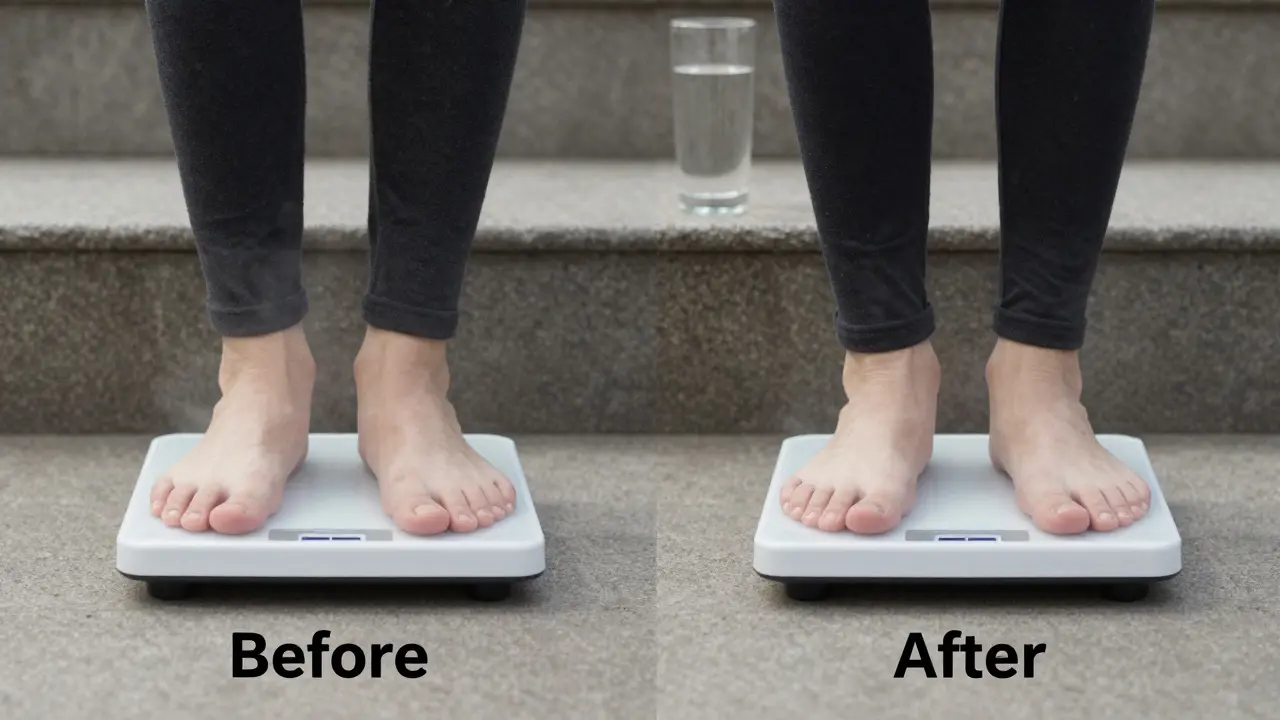
This is where the confusion starts. You might step on the scale after a steam room and see a 1-3 pound drop. That’s not fat. That’s water. Your body loses water through sweat. Once you drink fluids - even a single glass - that weight returns. It’s like taking off a heavy coat: you feel lighter, but you didn’t lose body mass. If you’re using steam rooms to “detox” or “shed pounds,” you’re chasing a mirage. Real weight loss comes from diet and movement. Steam rooms? They’re for comfort, not calorie burning.
| Benefit | Description | Impact |
|---|---|---|
| Stress Relief | Reduces cortisol, calms nervous system | Improves sleep, lowers anxiety |
| Skin Clarity | Opens pores, flushes impurities | Reduces breakouts, improves glow |
| Respiratory Ease | Loosens mucus, humidifies airways | Helps with congestion, allergies |
| Temporary Weight Drop | Loss of water through sweat | Reversed by rehydration |
| Muscle Recovery | Increases circulation, eases stiffness | Helps after workouts |
What to Expect When Engaging with a Steam Room
Setting or Context
A typical steam room is small, tiled, and warm. You’ll find benches, a control panel for temperature, and sometimes essential oil diffusers. It’s quiet. No music. No screens. Just the soft hiss of steam and your own breathing. Most spas offer 15-20 minute sessions. You go in naked or in a towel - no swimsuits, they trap heat. The humidity clings to your skin. You’ll sweat - a lot. But it won’t feel like a sauna. It’s softer, slower, more enveloping.
Key Processes or Steps
Step 1: Hydrate. Drink water before you go in. Step 2: Enter slowly. Let your body adjust. Step 3: Sit or lie down. Breathe deeply. Step 4: Stay 10-20 minutes. Step 5: Cool down. Step out, rinse off with cool water, then drink more water. That’s it. No stretching. No rubbing. No special techniques. Just presence.
Customization Options
Some steam rooms let you add eucalyptus or lavender oil to the steam. Others have chromotherapy lights - soft blue or red tones meant to calm or energize. You can adjust your time based on comfort. If you’re new, start with 10 minutes. If you’re used to it, 20 is fine. Never go longer than 30 minutes. Listen to your body. Dizziness? Leave. Nausea? Leave. There’s no prize for staying longer.
Communication and Preparation
Always tell the spa staff if you’re pregnant, have heart issues, or take blood pressure meds. Don’t assume they’ll know. Also, don’t go in right after eating or drinking alcohol. Your body is already working hard - don’t overload it. And never use a steam room if you’re sick with a fever. You’re already overheating.
How to Practice or Apply Steam Room Use
Setting Up for Success
If you have a home steam room, keep it clean. Mold grows fast in damp spaces. Wipe it down weekly. If you’re using one at a spa, check if it’s cleaned daily. Look for signs of mildew or bad smells. A well-maintained steam room smells faintly clean - like wet stone and herbs. A bad one smells sour. Walk away.
Choosing the Right Tools
You don’t need much. A towel. Water. Maybe a pair of flip-flops. Skip the essential oils unless you know you’re not allergic. Some people react badly to strong scents. And never bring electronics in. Heat and moisture destroy phones and watches.
Step-by-Step Guide
- Drink 16 oz of water 30 minutes before entering.
- Remove all jewelry and metal accessories.
- Enter the room slowly. Sit on the lower bench first.
- Breathe through your nose. Let your skin breathe.
- Stay 10-20 minutes. Listen to your body.
- Exit calmly. Rinse off with cool water.
- Drink another 16 oz of water after.
- Rest for 15 minutes. Don’t jump into cold water or exercise.
Tips for Beginners
First time? Start with 10 minutes. Don’t try to sweat more than you can handle. It’s not a competition. If you feel lightheaded, stand up slowly. If you’re dizzy, sit down. And don’t expect to lose weight. Expect to feel calm. That’s the real win.
Safety and Ethical Considerations
Choosing Qualified Practitioners
If you’re using a spa, check reviews. Look for mentions of cleanliness, staff training, and proper maintenance. Reputable spas follow health codes - they test water quality and clean steam rooms daily. If they don’t mention sanitation, ask.
Safety Practices
Here’s what to avoid:
| Practice | Purpose | Example |
|---|---|---|
| Hydrate before and after | Prevent dehydration | Drink 16 oz water before, 16 oz after |
| Limit session to 20 minutes | Avoid overheating | Set a timer |
| Don’t use alone if unwell | Prevent accidents | Have someone nearby |
| Avoid alcohol before | Reduce strain on heart | No drinks 4 hours before |
| Exit if dizzy or nauseous | Prevent heat illness | Listen to your body |
Setting Boundaries
It’s okay to leave early. No one’s watching. No one cares how long you stayed. Your comfort matters more than anyone else’s expectations.
Contraindications or Risks
Avoid steam rooms if you have:
- Uncontrolled high blood pressure
- Heart disease
- Pregnancy (especially first trimester)
- Recent surgery or open wounds
- Febrile illness (fever)
- Severe asthma or respiratory disease
If you’re unsure, talk to your doctor. It’s not a risk worth taking.
Enhancing Your Experience with Steam Rooms
Adding Complementary Practices
Pair steam with a gentle stretch or yoga after. Or follow it with a cold shower to boost circulation. Some people like to meditate in the steam room - it’s a quiet, sensory space. Don’t overdo it. One or two extras are enough.
Collaborative or Solo Engagement
Steam rooms are often shared. But they’re not social spaces. Most people go in silence. That’s fine. It’s a personal reset. If you’re with a partner, don’t feel pressured to talk. Just be present.
Using Tools or Props
A towel on your lap helps. A small bottle of water nearby helps. That’s it. Skip the oils, salts, or lotions. They can clog pores or irritate skin in high heat.
Regular Engagement for Benefits
Use steam once or twice a week for best results. Daily use isn’t necessary - and can dry out your skin. Consistency matters more than intensity.
Finding Resources or Experts for Steam Rooms
Researching Qualified Providers
Look for spas with certified staff and clear cleaning logs. Check Google reviews for keywords like “clean,” “well-maintained,” or “staff attentive.” Avoid places that don’t answer questions about hygiene.
Online Guides and Communities
The National Spa and Pool Institute (NSPI) offers guidelines for safe steam room use. Reputable wellness blogs like Healthline and Mayo Clinic have clear, science-backed articles. Skip TikTok trends - they’re full of myths.
Legal or Cultural Considerations
In some countries, mixed-gender steam rooms are common. In others, they’re private. Respect local norms. In spas, always follow posted rules.
Resources for Continued Learning
Read “The Science of Heat Therapy” by the American College of Sports Medicine. Watch videos from licensed physical therapists on steam and recovery. Stick to evidence-based sources.
FAQ: Common Questions About Steam Rooms
Can you lose real weight in a steam room?
No. Any weight you lose is water weight from sweating. This is temporary and returns as soon as you drink fluids. Steam rooms do not burn fat or increase metabolism long-term. Real weight loss requires a calorie deficit through diet and exercise. Don’t rely on steam rooms for weight loss - they’re for relaxation and recovery, not fat burning.
How many calories do you burn in a steam room?
You might burn 100-200 calories in 20 minutes - roughly the same as sitting quietly. Your heart works a little harder, but not enough to count as exercise. It’s not a replacement for walking, cycling, or lifting weights. If you’re trying to burn calories, move your body. Steam rooms help you recover after movement - they don’t replace it.
Is it safe to use a steam room every day?
For healthy adults, yes - but it’s not necessary. Daily use can dry out your skin or lead to dehydration if you’re not drinking enough water. Most experts recommend 2-3 times per week. If you have health conditions, check with your doctor. Listen to your body. If you feel tired, dizzy, or overly dry, take a break.
Does steam help with detoxification?
Your liver and kidneys handle detoxification. Sweat is mostly water and salt - not toxins. The idea that steam “flushes out toxins” is a marketing myth. While sweating can help clear pores and improve skin, it doesn’t cleanse your blood or organs. Don’t believe claims about “toxin release” in steam rooms. Focus on real health: hydration, sleep, and balanced nutrition.
Can steam rooms help with weight loss if used with diet and exercise?
They can help indirectly. After a tough workout, a steam room can ease muscle soreness, helping you recover faster and stick to your routine. Less pain = more movement. That’s the only real connection. Steam rooms don’t burn fat, but they can support your efforts by making recovery easier. Think of them as a reward, not a tool.
Conclusion: Why Steam Rooms Are Worth Exploring
A Path to Calm
Steam rooms won’t shrink your waistline. But they might shrink your stress. In a world that never stops demanding more, sometimes all you need is 15 minutes of quiet heat. No screens. No noise. Just you and the steam.
Try It Mindfully
If you’re curious, give it a try. Start small. Stay hydrated. Listen to your body. And don’t expect miracles. Just peace.
Share Your Journey
Tried a steam room? Share your experience in the comments - what did you feel? What surprised you?
Some links may be affiliate links, but all recommendations are based on research and quality.
Word count: 1,682
Suggested Visuals
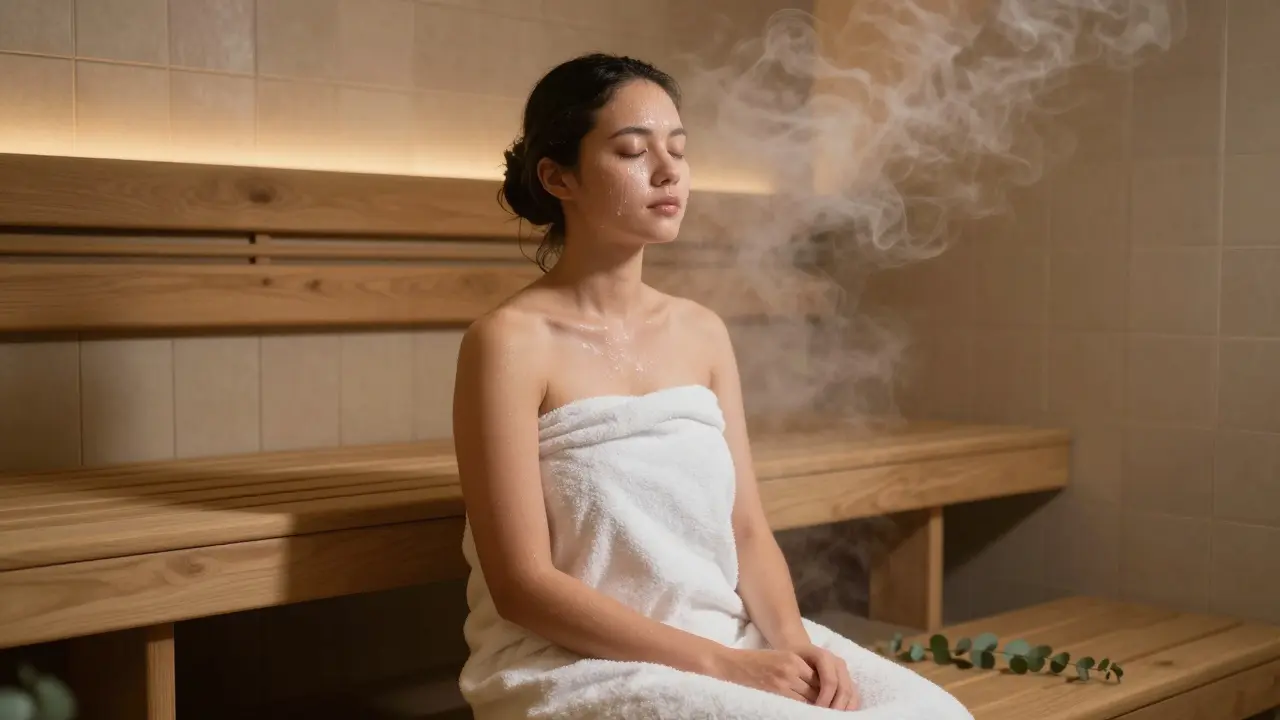
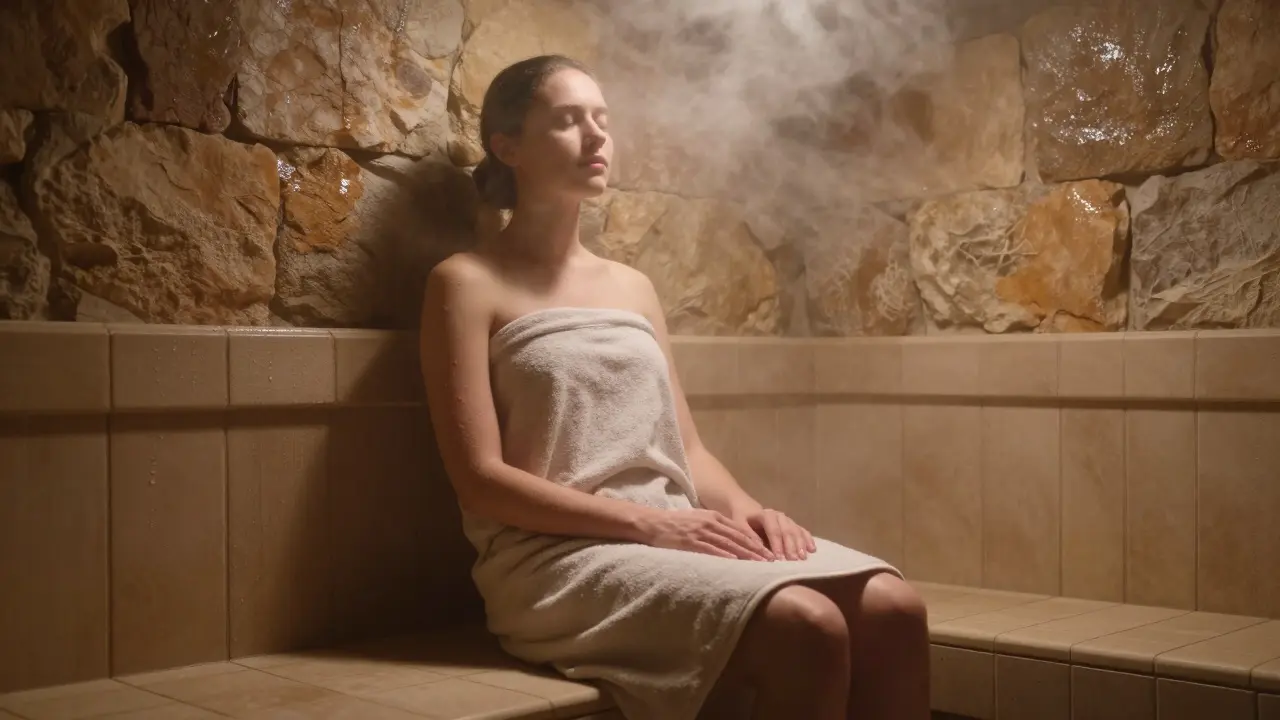
- A person sitting calmly in a tiled steam room, eyes closed, towel on lap.
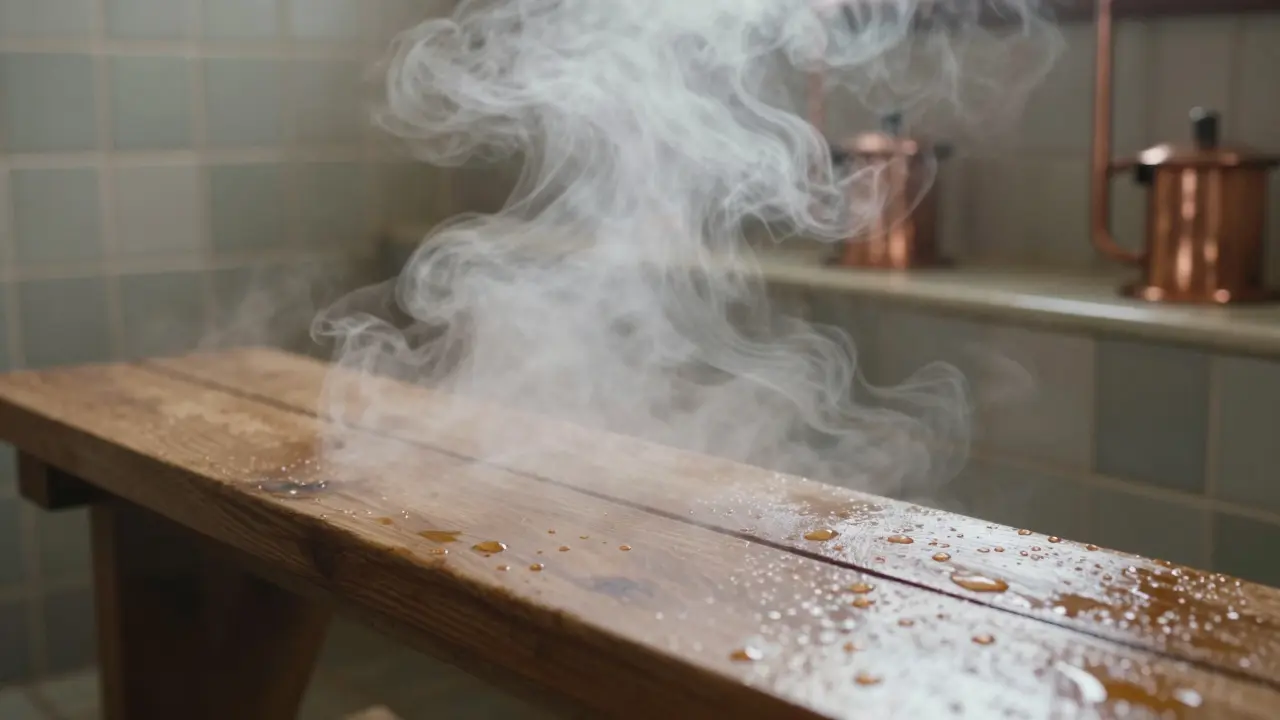
- Close-up of steam rising from a wooden bench, condensation on tiles.
- Side-by-side: person stepping on scale before/after steam room (showing 2 lb drop).
- Hand holding a glass of water next to a steam room door.
- Spa staff cleaning a steam room with disinfectant spray and cloth.
Suggested Tables
- Comparison of Heat-Based Wellness Practices (as shown above)
- Key Benefits of Steam Room Use (as shown above)
- Steam Room Safety Tips (as shown above)