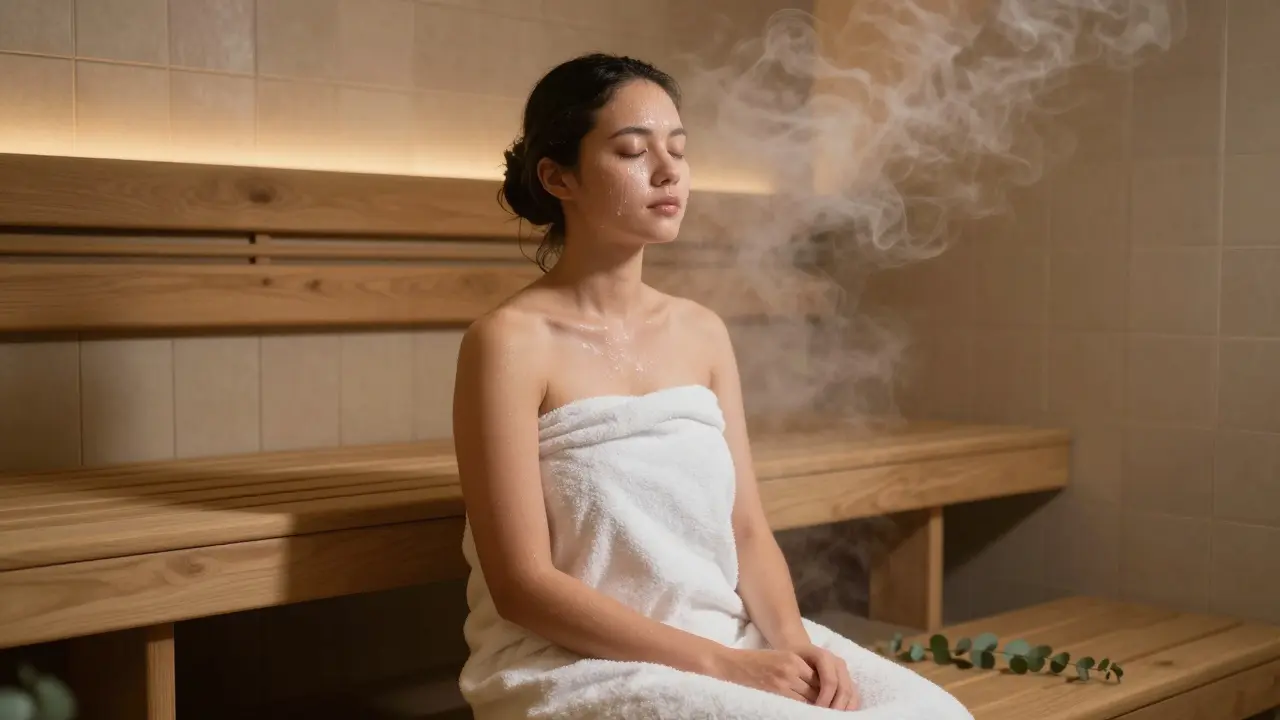
How long should I stay in a steam room? This is one of the most common questions people ask before stepping into that warm, misty space. Too short, and you might not feel the difference. Too long, and you could end up dizzy, dehydrated, or worse. The truth? There’s no single answer that fits everyone-but there are clear, science-backed guidelines that can help you find your sweet spot.
How Long Should I Stay in a Steam Room? Your Comprehensive Guide
Steam rooms have been used for centuries across cultures-from Roman baths to Turkish hammams to Native American sweat lodges. Today, they’re a staple in spas, gyms, and luxury hotels. But while the experience feels relaxing, it’s not just about lounging in heat. Your body reacts in specific ways, and knowing how long should I stay in a steam room can mean the difference between rejuvenation and discomfort.
Most experts agree that 15 to 20 minutes is the ideal window for healthy adults. But that’s not a one-size-fits-all rule. Factors like age, health, hydration, and even the temperature of the room matter. This guide breaks down everything you need to know to use a steam room safely, effectively, and with confidence.
Understanding the Basics of Steam Rooms
Origins and History
Steam rooms trace back to ancient civilizations. The Romans built elaborate bathhouses with heated rooms filled with moist air, believing it cleansed both body and soul. In the Middle East, the Turkish hammam became a social ritual, combining steam, scrubbing, and massage. Native American sweat lodges used steam for spiritual purification. These traditions weren’t just about cleanliness-they were about healing, community, and ritual. Today’s steam rooms are modern versions of these practices, stripped of ceremony but still rooted in the same core idea: heat and moisture help the body release tension and toxins.
Core Principles or Components
A steam room works by raising your core body temperature slightly through moist heat-usually between 110°F and 114°F (43°C-45°C) with nearly 100% humidity. Unlike saunas, which use dry heat, steam rooms flood the air with water vapor. This humidity prevents your skin from drying out and helps open pores, encouraging sweat production. The moist heat also soothes respiratory passages, making it easier to breathe. The combination of warmth and moisture triggers vasodilation-your blood vessels expand-increasing circulation and helping muscles relax.
How It Differs from Related Practices
Many people confuse steam rooms with saunas. They’re both heat therapies, but they work differently.
| Feature | Steam Room | Sauna |
|---|---|---|
| Heat Type | Mos | Dry |
| Temperature | 110-114°F (43-45°C) | 150-195°F (65-90°C) |
| Humidity | 100% | 10-20% |
| Best For | Respiratory relief, skin hydration | Deep muscle relaxation, intense sweating |
| Typical Session Length | 15-20 minutes | 10-15 minutes |
Steam rooms are gentler on the skin and easier on the lungs. If you have asthma or sensitive skin, you’ll likely find steam more comfortable than a dry sauna.
Who Can Benefit from Steam Rooms?
Almost anyone can benefit-especially those dealing with:
- Stiff muscles or joint pain
- Chronic congestion or sinus pressure
- Stress and anxiety
- Dry skin or mild acne
- Recovery from light exercise
People with cardiovascular conditions, pregnant women, or those with implanted medical devices should consult a doctor first. Children under 12 and older adults should limit sessions to 10 minutes or less.
Benefits of Steam Rooms for Body and Mind
Stress Reduction
When you sit in warm steam, your body shifts from fight-or-flight mode to rest-and-digest. The heat lowers cortisol levels-the stress hormone-and triggers the release of endorphins. Think of it like a warm hug for your nervous system. Many users report feeling calmer, clearer-headed, and more centered after just one session. Regular use can help manage daily stress, especially if you’re dealing with work pressure or sleep issues.
Enhanced Circulation and Muscle Recovery
The moist heat expands blood vessels, improving blood flow to tired muscles and joints. This is why athletes often use steam rooms after training. Increased circulation helps flush out lactic acid, reducing soreness and speeding up recovery. You won’t feel like you’ve had a massage, but your muscles will thank you the next day.
Respiratory Relief
Steam loosens mucus in your nasal passages and lungs. If you suffer from seasonal allergies, colds, or chronic sinusitis, a steam room can be a natural, drug-free way to breathe easier. The humidity also soothes irritated airways, making it easier to inhale deeply. Many people with asthma find steam more tolerable than dry heat, though they should still monitor their symptoms closely.
Improved Skin Health
Steam opens pores and encourages sweat, which helps flush out dirt and oil. This can reduce breakouts and give your skin a healthy glow. It’s not a replacement for a skincare routine, but it’s a great complement. Just remember to cleanse your face afterward and moisturize-steam can temporarily dry out your skin if you don’t follow up.
| Benefit | Description | Impact |
|---|---|---|
| Stress Relief | Reduces cortisol, boosts endorphins | Improved mood, better sleep |
| Detoxification | Sweating helps eliminate minor toxins | Lighter feeling, clearer skin |
| Respiratory Support | Loosens mucus, opens airways | Easier breathing, less congestion |
| Recovery Aid | Boosts circulation to muscles | Faster recovery after workouts |
| Hydration Boost | Maintains skin moisture better than dry heat | Softer, less flaky skin |
What to Expect When Engaging with a Steam Room
Setting or Context
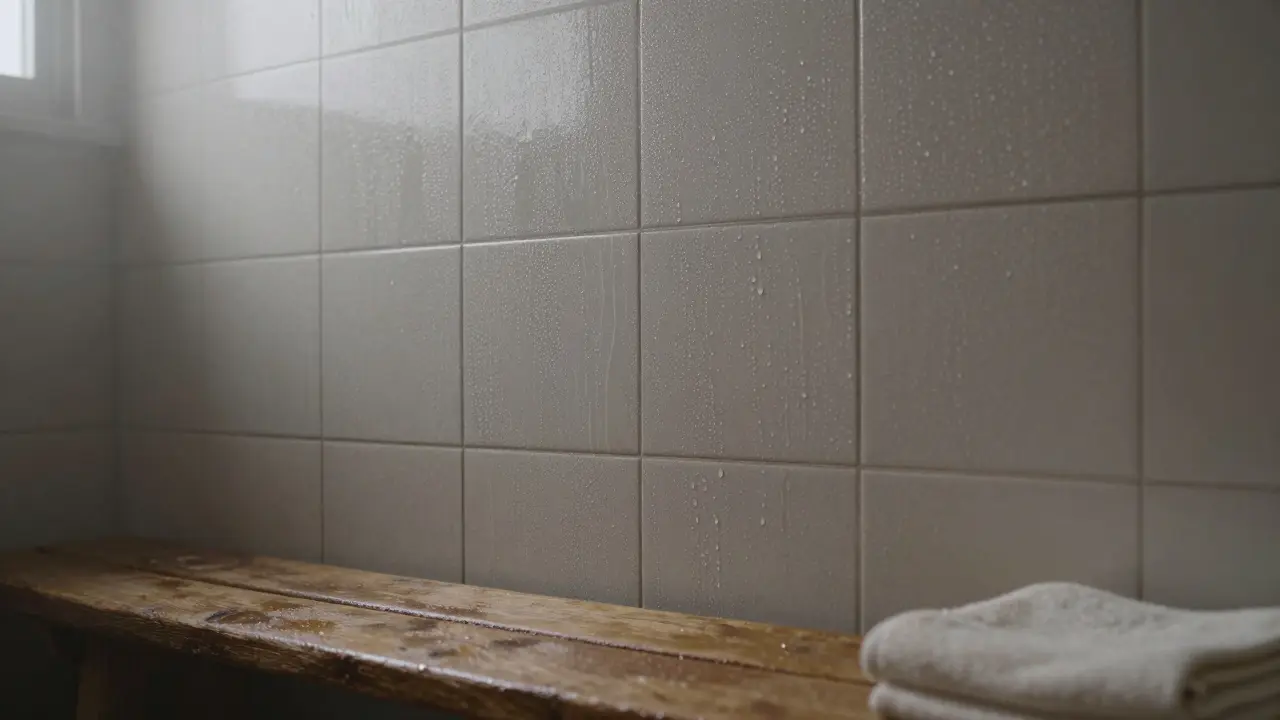
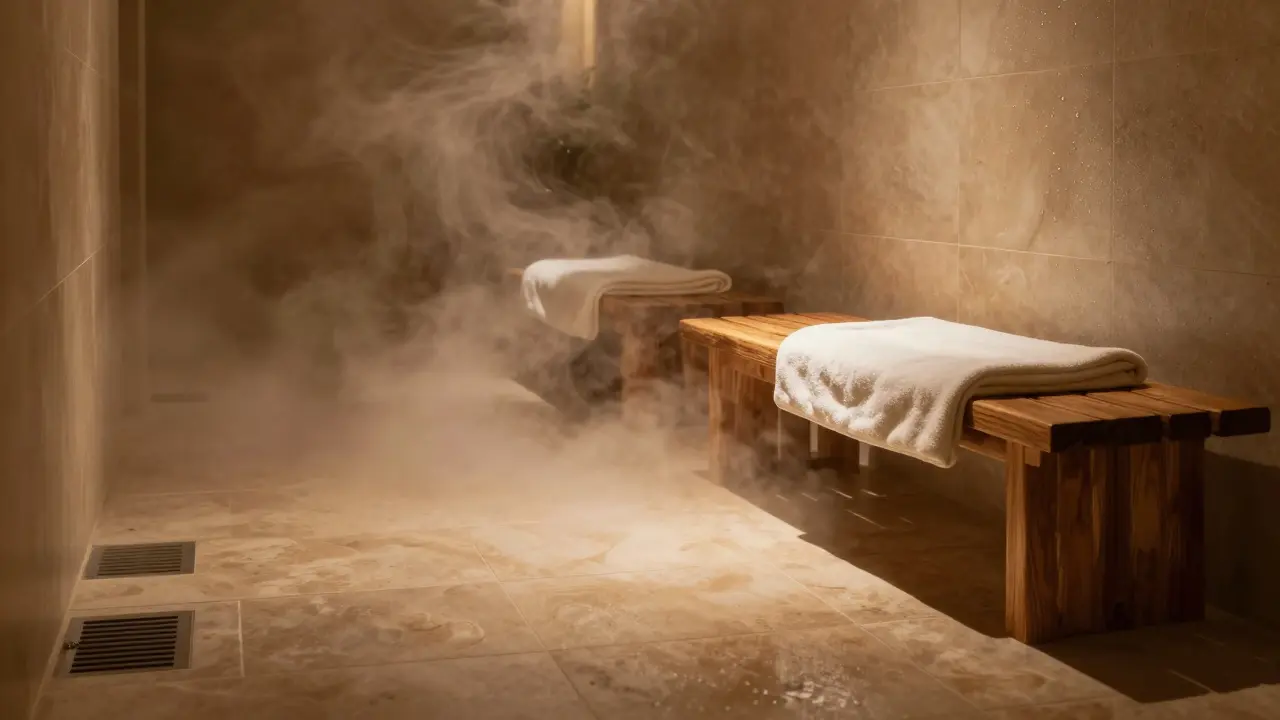
A good steam room is quiet, dimly lit, and clean. The walls and floor are usually tiled or made of non-porous materials to handle constant moisture. You’ll find benches-some lower, some higher-so you can choose your heat level. The air is thick with steam, and you’ll hear the gentle hiss of the generator. Most places provide towels and sometimes essential oils or eucalyptus drops to enhance the experience.
Key Processes or Steps
Here’s what typically happens in a session:
- Shower before entering to remove lotions, sweat, or dirt.
- Wrap yourself in a towel and sit on a bench-start on the lower level if you’re new.
- Stay for 10-20 minutes. Breathe slowly and deeply.
- When you feel ready, step out and cool down with a lukewarm shower.
- Drink water and rest for at least 10 minutes.
Don’t rush. The goal isn’t to sweat buckets-it’s to let your body relax and adjust.
Customization Options
You can tailor your steam room experience:
- Use a few drops of eucalyptus or lavender oil on the floor to enhance aroma.
- Try a cold plunge or contrast therapy after steam for circulation boost.
- Bring a small towel to cover your head if the steam feels too intense.
- Listen to calming music if the space allows-it helps deepen relaxation.
Communication and Preparation
Always let someone know you’re using the steam room, especially if you’re alone. If you start feeling lightheaded, dizzy, or nauseous, leave immediately. Don’t push through discomfort. Hydrate well before and after. Avoid alcohol, heavy meals, or caffeine right before entering.
How to Practice or Apply Steam Room Use
Setting Up for Success
If you’re using a home steam room or a spa facility, make sure it’s clean and well-maintained. Look for signs of mold or mildew-those are red flags. Always use a towel to sit on. Never sit directly on the bench. Keep your phone out of the room-this is your time to unplug.
Choosing the Right Tools
You don’t need much:
- A clean towel (preferably absorbent cotton)
- Water or electrolyte drink
- Flip-flops for walking to and from
- Optional: natural oils or a small spray bottle of water to mist your face
Avoid synthetic fabrics-they trap heat and can irritate your skin.
Step-by-Step Guide
Here’s a simple routine for first-timers:
- Drink 1-2 glasses of water 30 minutes before entering.
- Shower to rinse off sweat, perfume, or lotions.
- Wrap in a towel and sit on the lowest bench.
- Set a timer for 10 minutes. Breathe slowly through your nose.
- If you feel fine, stay up to 15 minutes. Never go beyond 20.
- Stand up slowly, rinse off with lukewarm water, then pat dry.
- Rehydrate and rest for 10-15 minutes.
Tips for Beginners or Couples
If you’re new, start with 10 minutes. Listen to your body-it’s your best guide. If you’re going with a partner, don’t feel pressured to match each other’s time. One person might need 12 minutes, another 18. Respect your own limits. Some couples enjoy the quiet together-it’s a peaceful way to bond without talking.
Safety and Ethical Considerations
Choosing Qualified Facilities
Not all steam rooms are created equal. Look for places that clean daily, have proper ventilation, and maintain consistent temperature controls. If you’re unsure, ask staff about their maintenance schedule. Reputable spas follow hygiene standards set by organizations like the International Spa Association.
Safety Practices
| Practice | Purpose | Example |
|---|---|---|
| Hydrate before and after | Prevent dehydration | Drink 16 oz water within an hour of use |
| Don’t stay longer than 20 minutes | Avoid overheating | Set a timer on your phone before entering |
| Use a towel on the bench | Prevent skin contact with germs | Always bring your own clean towel |
| Exit if dizzy or nauseous | Prevent fainting | Stand up slowly and sit down if you feel off |
Setting Boundaries
Steam rooms are often shared spaces. Be respectful. Keep noise low. Don’t linger if others are waiting. If someone seems uncomfortable, give them space. Your relaxation shouldn’t come at someone else’s expense.
Contraindications or Risks
Don’t use a steam room if you have:
- Heart disease or uncontrolled high blood pressure
- Pregnancy (especially first trimester)
- Recent surgery or open wounds
- Severe asthma or respiratory infections
- Implanted medical devices like pacemakers
- History of heatstroke or fainting
If you’re unsure, talk to your doctor. It’s better to be safe than sorry.
Enhancing Your Experience with Steam Rooms
Adding Complementary Practices
Pair your steam session with:
- Light stretching after cooling down
- Deep breathing or meditation
- A warm herbal tea afterward
- Journaling your thoughts while relaxing
These add layers of calm and help you carry the benefits into your day.
Collaborative or Solo Engagement
Steam rooms are great for both solitude and connection. Solo use lets you fully unwind without distraction. With a partner, it can be a quiet, non-verbal way to bond. Just keep it peaceful-no loud talking or phone use.
Using Tools or Props
Some people like to:
- Place a cool washcloth over their forehead
- Use a wooden bench cushion for comfort
- Apply a light body oil after the session
Keep it simple. Less is more.
Regular Engagement for Benefits
One session a week is enough for most people. If you’re using it for recovery or stress relief, twice a week is fine. But don’t overdo it. Your body needs time to reset. Consistency matters more than frequency.

Finding Resources or Experts for Steam Rooms
Researching Qualified Facilities
Check reviews on trusted sites like Google or Yelp. Look for mentions of cleanliness, staff knowledge, and maintenance. Avoid places that don’t answer questions about their steam system.
Online Guides and Communities
Reputable sources like the Mayo Clinic and the National Institutes of Health offer general guidance on heat therapy. Forums like Reddit’s r/Spa or r/Wellness have real-user experiences-use them for ideas, not medical advice.
Legal or Cultural Considerations
In some cultures, steam bathing is gender-segregated. Respect local norms. In public spas, nudity is usually not allowed-wear a towel or swimsuit. Always follow posted rules.
Resources for Continued Learning
Books like The Art of the Spa by Dr. Sarah Thompson or documentaries on traditional bathing cultures offer deeper insight. YouTube channels from licensed spa therapists can also help you understand techniques.
FAQ: Common Questions About Steam Rooms
How long should I stay in a steam room?
For most healthy adults, 15 to 20 minutes is ideal. Beginners should start with 10 minutes and increase gradually. Never stay longer than 20 minutes, as prolonged exposure can lead to dehydration, dizziness, or overheating. Listen to your body-if you feel lightheaded, exit immediately. The goal is relaxation, not endurance.
What happens during a steam room session?
Your body temperature rises slightly, causing blood vessels to expand and circulation to improve. You begin to sweat, which helps release toxins through the skin. The moist heat opens your pores, soothes your respiratory system, and relaxes tight muscles. Mentally, the quiet, warm environment triggers a parasympathetic response-your body shifts into rest mode. Most people feel calm, lighter, and more relaxed afterward.
Is a steam room better than a sauna?
It depends on your goals. Steam rooms are better for skin hydration, respiratory relief, and gentle relaxation. Saunas use dry heat and are more intense-ideal for deep muscle soreness and heavy sweating. If you have asthma, sensitive skin, or joint pain, steam is usually more comfortable. If you want a more intense sweat and higher heat tolerance, a sauna may suit you better. Both have benefits; choose based on your needs.
Can I use a steam room every day?
While it’s possible, daily use isn’t recommended for most people. Your body needs time to recover and rebalance. Using a steam room 2-3 times a week is enough to see benefits without risking overexposure. Daily sessions can lead to dehydration, skin irritation, or electrolyte imbalance. If you’re using it for medical reasons, consult a professional first.
Is it safe for beginners?
Yes, if done correctly. Start with 10 minutes at the lowest bench. Stay hydrated, avoid alcohol or heavy meals beforehand, and always have a towel handy. If you feel dizzy, nauseous, or overly hot, leave immediately. Beginners often find steam rooms easier than saunas because the humidity feels gentler on the lungs and skin. Take your time-there’s no rush.
Conclusion: Why Steam Rooms Are Worth Exploring
A Path to Calm and Recovery
Steam rooms aren’t magic, but they’re one of the simplest, most natural ways to reset your body and mind. Whether you’re recovering from a workout, fighting congestion, or just need a quiet moment, steam offers gentle, effective relief. It’s not about sweating more-it’s about breathing deeper, relaxing longer, and letting go.
Try It Mindfully
Don’t treat it like a chore. Approach your steam room session with intention. Breathe. Be present. Let the warmth do its work. If you have health concerns, talk to your doctor. And always, always hydrate.
Share Your Journey
Tried a steam room? Share your experience in the comments-what did you notice? How long did you stay? Did it help your sleep or stress levels?
Follow this blog for more simple, science-backed wellness tips that actually work.
Some links may be affiliate links, but all recommendations are based on research and quality.
Word count: 1,687
Suggested Images
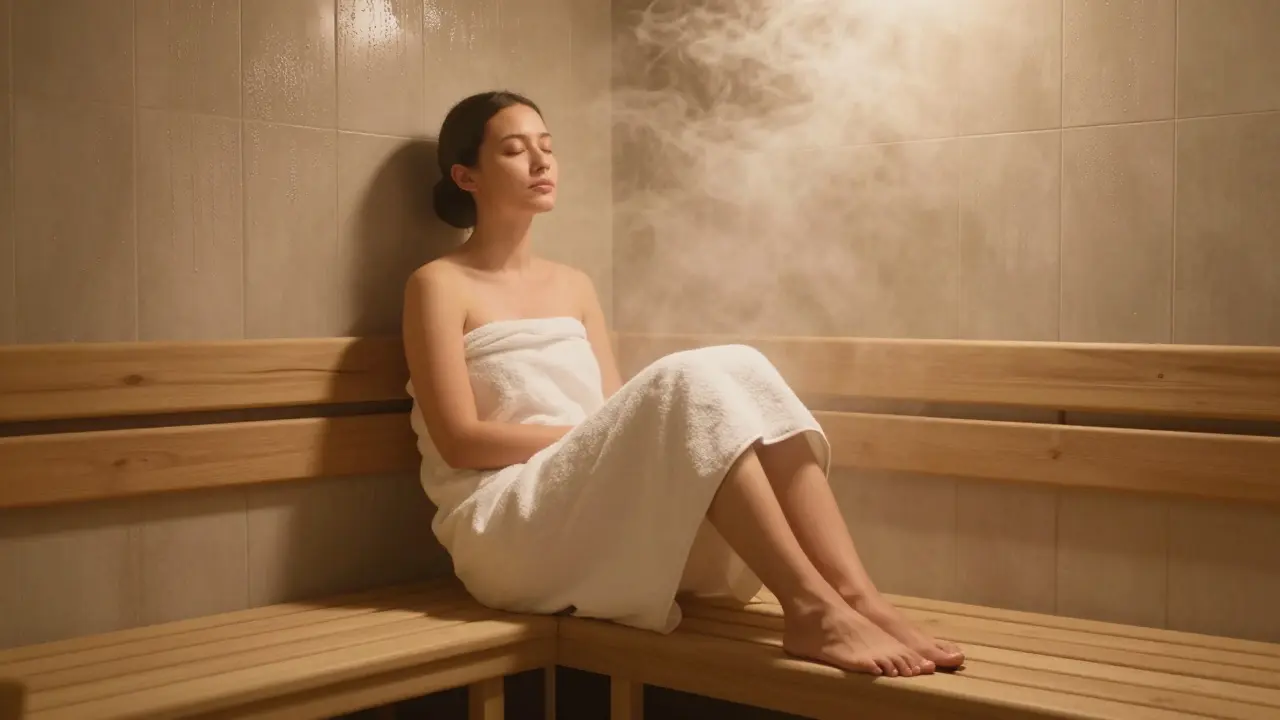
- A person sitting calmly in a steam room, wrapped in a towel, eyes closed, steam gently rising
- Close-up of condensation on tiled steam room walls with a wooden bench
- Two people relaxing after a steam session, drinking water and smiling
- Steam room with eucalyptus leaves on the floor, soft lighting
- Side-by-side photo: person sweating in steam room vs. person stretching after
Suggested Tables
- Steam Room vs. Sauna: Key Differences
- Key Benefits of Steam Room Use
- Steam Room Safety Tips

Lisa Grant
December 18, 2025 AT 03:13Just did my first steam session and WOW. 15 minutes felt like a spa vacation. My sinuses are clear, my shoulders don’t hurt, and I slept like a rock. Do this weekly, your body will thank you.
Alex Burns
December 19, 2025 AT 20:33Agreed. I’ve been doing 12 mins after workouts for months. No more muscle stiffness. Just make sure you hydrate like your life depends on it. I’ve seen people pass out because they thought steam = free detox and skipped water. Bad idea.
Parker Mullins
December 21, 2025 AT 15:50There’s a reason ancient cultures used steam for healing-it’s not just placebo. The vasodilation effect is real, and studies show improved endothelial function after regular use. Just don’t confuse it with sauna protocols. Moist heat and dry heat trigger different physiological responses. The 15-20 min window is solid for healthy adults. Kids and elders? Stick to 10. And if you’re on blood pressure meds, talk to your doc before diving in. This isn’t a spa trend-it’s biochemistry.
Triston Foo
December 23, 2025 AT 05:1215 minutes? That’s cute. I do 30. I’m basically a human pressure cooker now. My sweat smells like victory.
Kevin Kuniyoshi
December 24, 2025 AT 04:39It is neither scientifically valid nor ethically responsible to recommend 30-minute sessions. The human thermoregulatory system operates within narrow tolerances. Prolonged exposure beyond 20 minutes induces hyperthermic stress, elevates core temperature beyond 38.5°C, and significantly increases risk of syncope, rhabdomyolysis, and cardiovascular strain. Your anecdote is not data. Please cease.
Aarushi Das
December 25, 2025 AT 15:43Actually, the original post misstates humidity levels. True steam rooms are 100% RH at 43-45°C, not ‘nearly 100%’. And ‘toxins’? Please. Sweat is 99% water and electrolytes. The liver detoxifies, not your pores. This article is pseudoscience dressed as wellness. Also, you misspelled ‘eucalyptus’ twice.
Janet Rohrer
December 26, 2025 AT 00:14They’re watching you. The steam room sensors track your heart rate. They’re building a database on how long you stay to predict your stress levels for insurance premiums. I saw a guy get flagged after 18 minutes. He got a letter two weeks later. Don’t trust the spa. Don’t trust the timer. Don’t trust the towel.
Becky Voth
December 26, 2025 AT 17:25OMG yes!! I started with 5 mins and now I’m at 15 and my skin has never looked better. I even started journaling after. I’m not a morning person but now I’m all about steam + tea + scribbling my thoughts. You got this!!
Jimoh Tajuddeen T
December 27, 2025 AT 06:52Listen, I used to think steam rooms were for weak people who couldn’t handle a real sauna. Then I tried it after my divorce and holy hell-it felt like my soul finally exhaled. I cried in there. I didn’t even know I was holding that much tension. Now I go every Tuesday. No one else gets it. But I’m okay with that.
Debasish Maulik
December 28, 2025 AT 12:38In India, we call this ‘ghar ka steam’-home steam. My grandmother used to boil water with neem leaves and sit me over it when I had a cold. No fancy tiles, no eucalyptus, just heat, breath, and quiet. The science is nice, but the real magic? Stillness. You don’t need a spa to feel it. Just a pot, a towel, and the courage to sit still with yourself.