How much does a Moroccan bath cost in Dubai? If you’ve ever walked past a steamy, candlelit doorway in Jumeirah or Downtown and wondered what’s inside, you’re not alone. The Moroccan bath - or hammam - isn’t just a luxury treat; it’s a full-body reset that’s been used for centuries across North Africa and the Middle East. In Dubai, where wellness is woven into daily life, this ancient ritual has become a go-to for locals and visitors alike. But the price? It varies wildly. From AED 80 to over AED 600, you could pay less than a coffee or more than a massage. So what’s the real difference? And is it worth it?
Understanding the Basics of Moroccan Bath
Origins and History
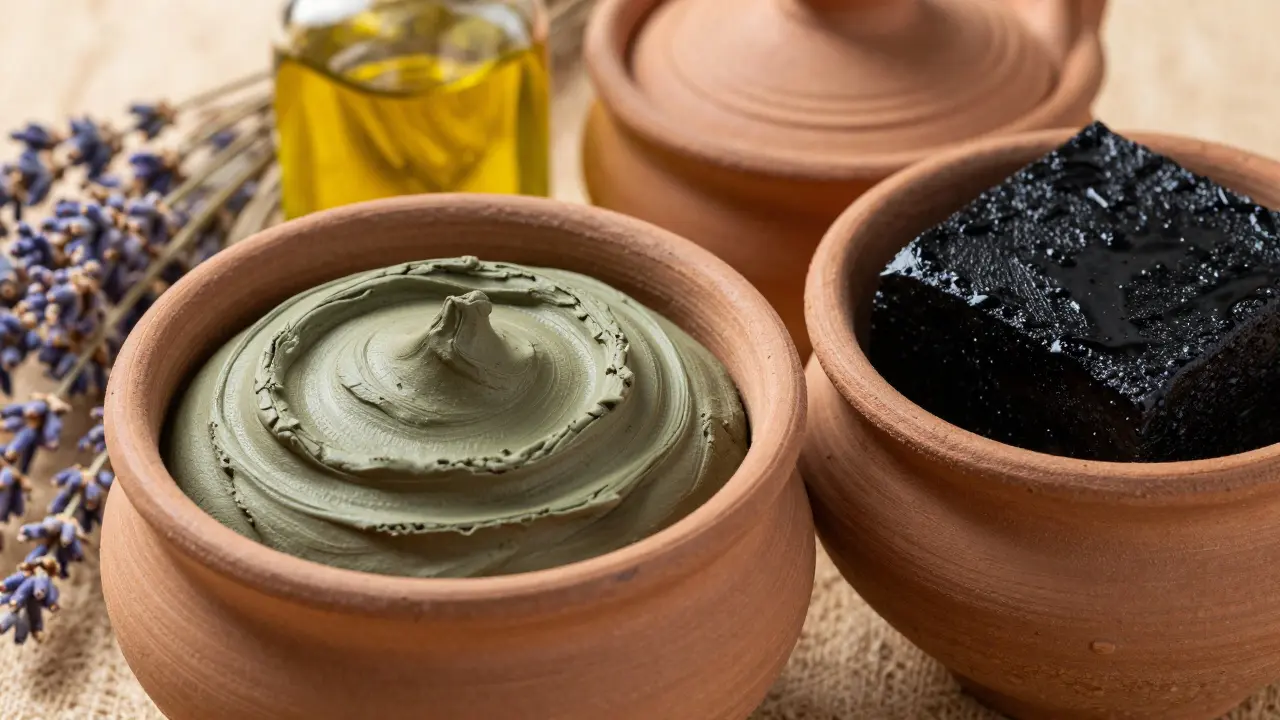
The Moroccan bath, or hammam, traces back over a thousand years to Roman bathhouses, adapted by Arab and Berber cultures with local ingredients like black soap, argan oil, and volcanic clay. In Morocco, it wasn’t just about cleanliness - it was social. Women gathered to scrub, bond, and celebrate life events. Today in Dubai, the tradition is preserved but reimagined. Luxury spas blend Moroccan rituals with modern spa comforts, while traditional hammams stay true to their roots: no frills, just steam, scrub, and soul.
Core Principles or Components
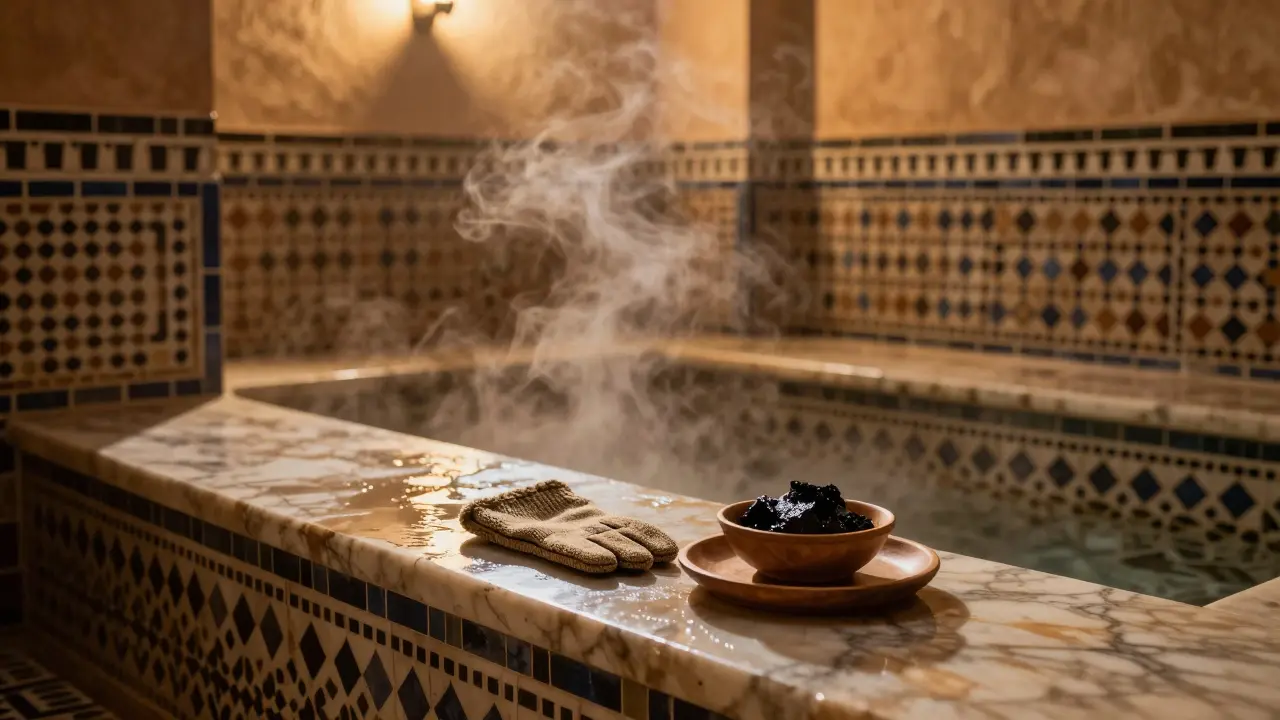
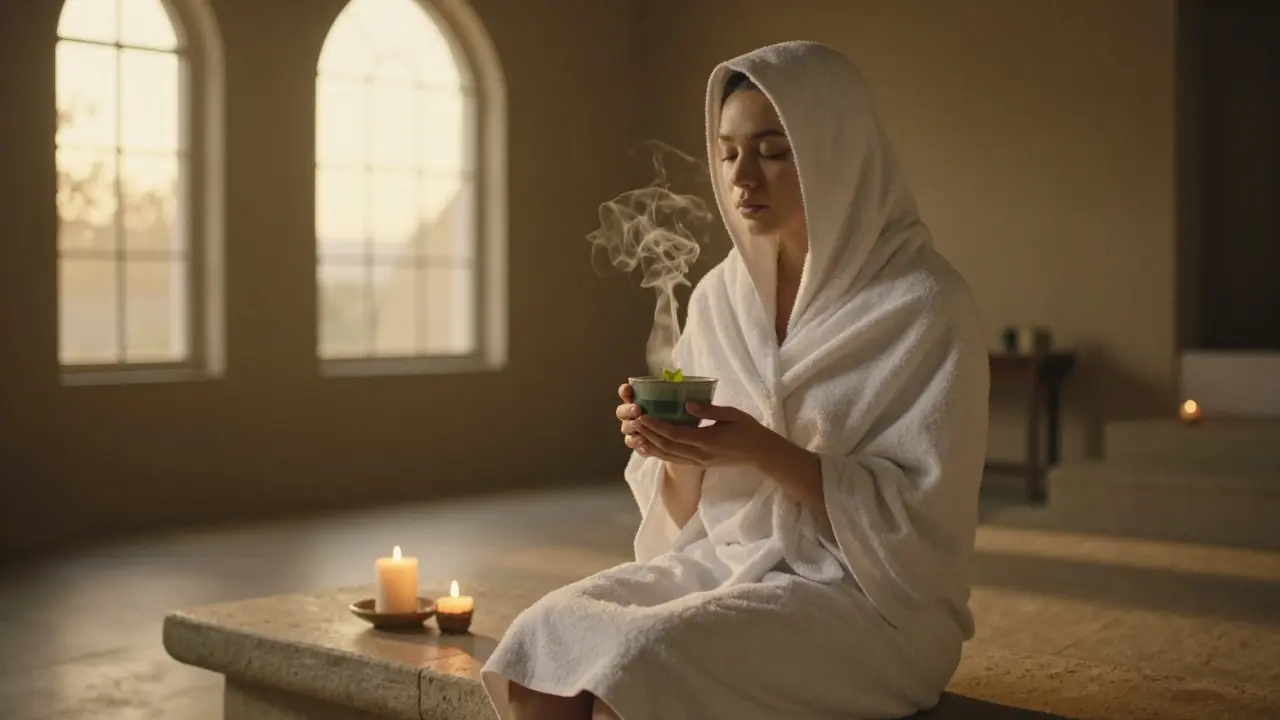
A true Moroccan bath follows three core steps: steam, scrub, and rinse. You start in a hot, humid room to open pores. Then, an attendant - often called a gommage - scrubs your skin with a coarse kessa glove and black soap made from olive paste. Afterward, you’re rinsed with warm water, then slathered in a thick, fragrant clay mask (usually green or white) to draw out impurities. Finally, you’re wrapped in a towel and given a drink - mint tea, usually - while your skin cools and rehydrates. The whole thing takes 45 to 90 minutes. It’s not a massage. It’s a deep cleanse that leaves your skin feeling like it’s been reborn.
How It Differs from Related Practices
People often confuse Moroccan baths with Turkish baths or regular spa steam rooms. But they’re not the same. A Turkish hammam is more about ritual and less about exfoliation. A regular steam room? Just heat and sweat. The Moroccan bath is aggressive in the best way - it removes dead skin, unclogs pores, and boosts circulation. Here’s how they stack up:
| Practice | Key Feature | Primary Benefit |
|---|---|---|
| Moroccan Bath | Exfoliation with kessa glove + clay mask | Deep skin renewal, glow, reduced ingrown hairs |
| Turkish Hammam | Slow steam, gentle cleansing | Relaxation, mild detox |
| Steam Room | Only heat and humidity | Slight muscle relief |
| Regular Massage | Pressure on muscles | Tension release, not skin renewal |
Who Can Benefit from Moroccan Bath?
Almost everyone. If you live in Dubai’s dry heat, your skin gets clogged with sweat, dust, and sunscreen. Athletes use it to flush lactic acid. People with acne or eczema find relief from the natural ingredients. Pregnant women (with doctor’s approval) enjoy the gentle detox. Even if you’re not into spa culture, the ritual of slowing down - no phone, no rush, just steam and silence - is healing. It’s not just for tourists. Many Dubai residents book monthly sessions like clockwork.
Benefits of Moroccan Bath for Skin and Well-Being
Stress Reduction
The heat alone triggers your body’s relaxation response. Combined with the rhythmic scrubbing and quiet atmosphere, it lowers cortisol levels. Studies from the National Institutes of Health suggest that consistent heat exposure can reduce anxiety and improve sleep quality Web source (https://www.nih.gov). In Dubai, where stress is part of daily life, the hammam offers a rare moment of stillness. No one talks. No one checks their phone. You just breathe.
Enhanced Skin Function
Dead skin cells build up faster in hot, dry climates. The kessa glove removes up to 80% of surface debris in one session. That’s why your skin looks brighter after - not because of makeup, but because it’s actually renewed. The clay mask pulls out toxins and balances oil production. Many users report fewer breakouts and smoother texture after just one visit.
Emotional Well-Being
There’s something deeply grounding about being touched by a stranger in a sacred, quiet space. The ritual feels ceremonial. It’s not just cleaning your body - it’s resetting your mind. People often leave feeling lighter, calmer, even euphoric. It’s not magic. It’s neuroscience: heat + touch + silence = dopamine boost.
Practical Applications
Want to look better in a swimsuit? Get a Moroccan bath before beach season. Prepping for a wedding? Book it two days before to avoid redness. Athletes swear by it for recovery. Even if you’re not doing anything special, it’s a powerful way to start your week. Think of it as a monthly reboot for your skin and soul.
| Benefit | Description | Impact |
|---|---|---|
| Deep Exfoliation | Removes dead skin with kessa glove | Smother, brighter skin in one session |
| Toxin Removal | Clay mask draws out impurities | Reduced breakouts, clearer pores |
| Improved Circulation | Heat opens blood vessels | Warmer skin, faster healing |
| Stress Relief | Quiet, warm environment | Lower anxiety, better sleep |
What to Expect When Engaging with Moroccan Bath
Setting or Context
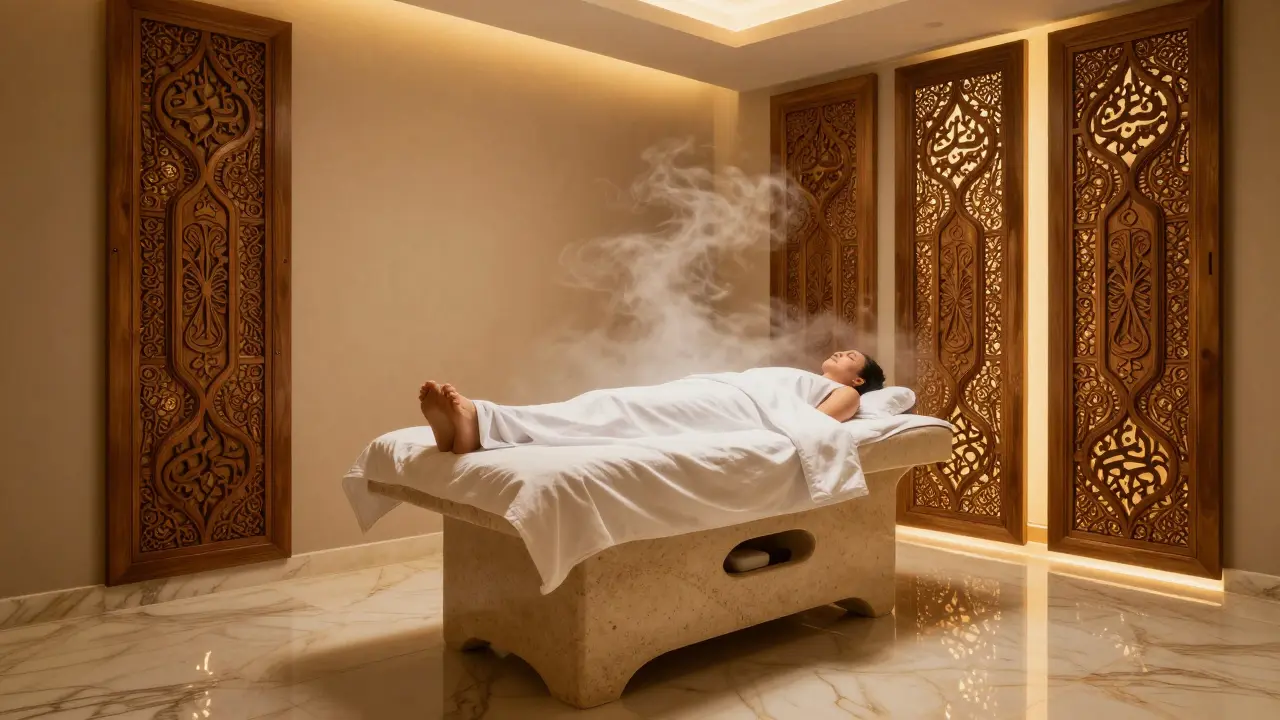
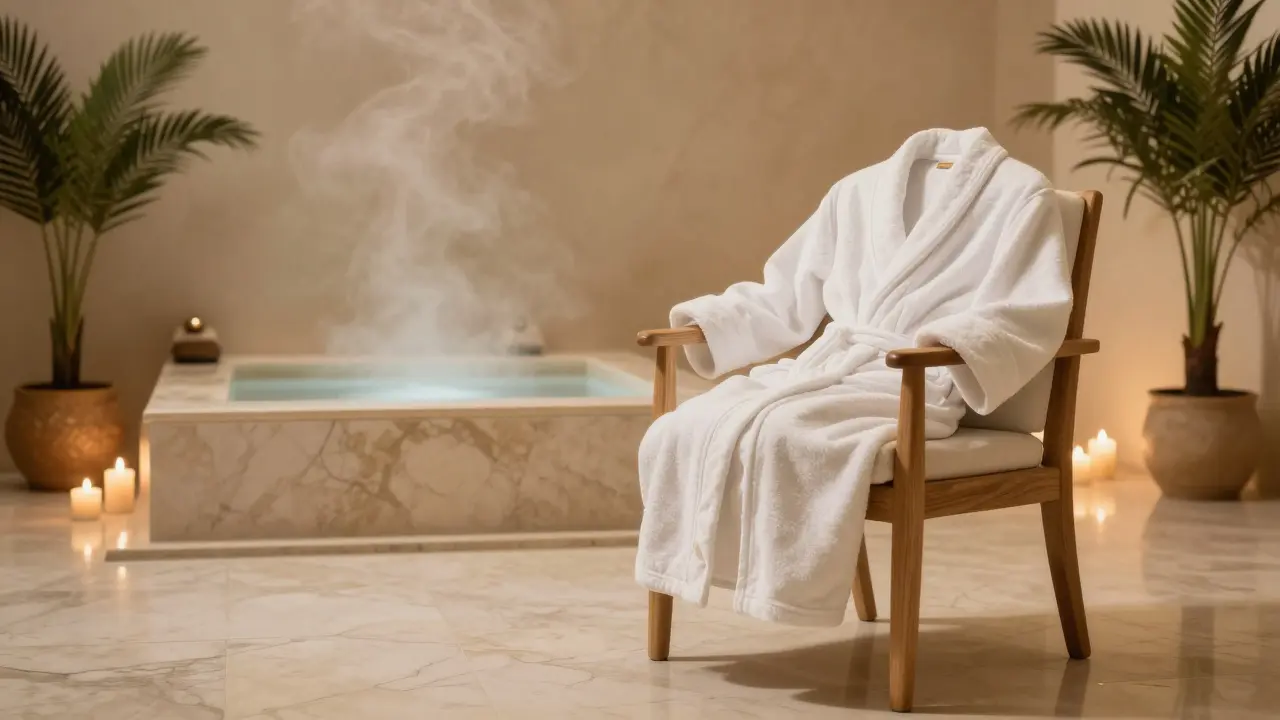
Traditional hammams are dim, tiled, and steamy - think marble floors, low benches, and the scent of eucalyptus. Luxury spas add mood lighting, rose petals, and private changing rooms. In Dubai, you’ll find both. The Al Manara Hammam in Al Fahidi is rustic and authentic. The Hammam at One&Only The Palm feels like a temple. Both deliver the same core experience. Just know: no swimsuits. You’ll be given a towel and a robe. Modesty is respected - attendants are same-gender unless you request otherwise.
Key Processes or Steps
Step 1: Steam for 10-15 minutes. Let your skin sweat. Step 2: Scrub. The attendant uses a rough glove and black soap to scrub every inch - back, legs, feet, even between toes. It’s intense but not painful. Step 3: Clay mask. You lie down while it’s applied. It dries in 10 minutes. Step 4: Rinse with warm water. Step 5: Rest. Sip mint tea, relax, and let your skin absorb the moisture. Don’t rush. The magic happens in the quiet afterward.
Customization Options
Yes, you can tailor it. Want extra argan oil? Add it. Prefer a lavender mask instead of green clay? Many spas offer upgrades. Some include a light massage. Others add aromatherapy. Basic packages stick to the classic three steps. Premium ones add hair washing, foot scrub, or even a body wrap. Decide what you need - not what’s flashy.
Communication and Preparation
Speak up. Tell your attendant if you’re sensitive to heat, have cuts, or are pregnant. Arrive 15 minutes early. Don’t eat right before. Drink water. And don’t wear makeup - it’ll just clog your pores again. The best experience starts before you even step in.
How Much Does a Moroccan Bath Cost in Dubai?
Basic Hammam: AED 80-150
These are local, no-frills spots - think neighborhood hammams in Deira or Bur Dubai. You get steam, scrub, rinse, and a towel. No tea, no robe, no extras. It’s the real deal. Locals love these. You’ll share the space with others, but the service is authentic. Perfect if you want the ritual without the price tag.
Mid-Range Spa: AED 200-350
This is where most tourists go. Think Zabeel Saray, Talise, or The Ritz-Carlton. You get a private room, robe, towel, mint tea, and a professional attendant. The scrub is thorough. The clay is high-quality. The atmosphere is calm. You’ll leave glowing. This range offers the best balance of value and comfort.
Luxury Experience: AED 400-600+
At places like One&Only or Armani Spa, you’re paying for ambiance, exclusivity, and extended time. Private suites, heated lounges, premium oils, and sometimes even a facial or scalp massage are included. These are experiences, not treatments. You’re not just getting clean - you’re being pampered like royalty.
What You’re Actually Paying For
It’s not just the scrub. You’re paying for: clean, heated space; trained staff; high-quality products; privacy; and time. A basic hammam costs AED 80 because it’s run by locals with minimal overhead. A luxury spa charges AED 500 because they use imported argan oil, employ certified therapists, and maintain five-star hygiene standards. You get what you pay for - and sometimes, you pay for peace of mind.
Safety and Ethical Considerations
Choosing Qualified Practitioners
Look for places with clear hygiene standards. Ask if attendants are trained. Check reviews for mentions of cleanliness. Avoid places that don’t change towels between guests. Reputable spas display certifications. If it feels sketchy - walk out.
Safety Practices
| Practice | Purpose | Example |
|---|---|---|
| Hygiene | Prevent infection | Single-use kessa gloves, fresh towels |
| Temperature | Avoid overheating | Don’t stay in steam longer than 15 mins |
| Consent | Respect boundaries | Request same-gender attendant if preferred |
Setting Boundaries
You’re in control. If the scrub is too rough, say so. If you feel dizzy, get up. No one will judge you. This is your body, your time.
Contraindications or Risks
Avoid if you have open wounds, severe eczema, or recent surgery. Pregnant women should skip the hottest rooms. People with heart conditions should consult a doctor first. Don’t go if you’re hungover - the heat will make it worse.
Enhancing Your Experience with Moroccan Bath
Adding Complementary Practices
Pair your hammam with a post-session meditation or a walk along the Dubai Creek. Drink herbal tea. Avoid alcohol or caffeine for a few hours. Your skin will thank you.
Collaborative or Solo Engagement
Go alone for deep reset. Go with a friend for bonding. Many couples book side-by-side sessions. It’s a rare chance to connect without talking.
Using Tools or Props
After your bath, use a light moisturizer. Argan oil works wonders. Avoid heavy creams - your skin is too fresh. Keep it simple.
Regular Engagement for Benefits
Once a month is ideal. Twice a month if you’re active or live in a dusty area. More than that? You risk over-exfoliating. Listen to your skin.
Finding Resources or Experts for Moroccan Bath
Researching Qualified Experts
Check Google reviews for keywords like “clean,” “professional,” “no pressure.” Avoid places with complaints about aggressive scrubbing. Look for spas with licensed staff.
Online Guides and Communities
Instagram has great visuals - search #MoroccanBathDubai. YouTube has real session videos. Join Dubai wellness Facebook groups for honest recommendations.
Legal or Cultural Considerations
Dubai respects cultural traditions. Hammams are gender-segregated by default. Respect that. No photos in treatment areas. It’s not just a rule - it’s part of the experience.
Resources for Continued Learning
Books like The Art of the Hammam by Fatima Zohra offer cultural context. YouTube channels like “Dubai Wellness Guide” show real sessions. Try a workshop at the Dubai Culture Center.
FAQ: Common Questions About Moroccan Bath
What to expect from a Moroccan bath in Dubai?
You’ll enter a steamy, tiled room, stripped down to a towel. An attendant will scrub you with a rough glove and black soap, then apply a clay mask. You’ll rinse off, rest, and sip mint tea. The whole thing takes about an hour. Your skin will feel baby-soft. You might feel a little dizzy at first - that’s normal. Most people leave feeling calm, clean, and oddly happy.
What happens during a Moroccan bath?
It’s a three-step process: steam, scrub, mask. First, you sit in a hot room for 10-15 minutes to open pores. Then, your attendant uses a kessa glove to scrub every inch of your body - this removes dead skin. After rinsing, a clay mask is applied to detoxify. You lie still for 10 minutes while it dries. Finally, you’re rinsed again and wrapped in a towel. No massage, no oils at first - just deep cleansing.
How does a Moroccan bath differ from a Turkish hammam?
Turkish hammams are gentler and slower. They focus on steam and light cleansing with a soft sponge. Moroccan baths are more intense - the scrub is aggressive, the clay is thicker, and the goal is skin renewal, not just relaxation. If you want glow, go Moroccan. If you want calm, go Turkish.
What is the method of a Moroccan bath?
The method is simple: heat, scrub, mask, rest. You start in a steam room, then get exfoliated with a coarse glove soaked in black soap. After rinsing, a natural clay mask is applied to your skin. You wait while it dries, then rinse again. The whole process relies on natural ingredients - no chemicals. It’s a physical cleanse, not a beauty treatment.
Is a Moroccan bath suitable for beginners?
Absolutely. Most spas offer beginner packages with lighter scrubbing. Tell your attendant you’re new - they’ll adjust pressure. Start with a mid-range spa (AED 200-300). Don’t go to the cheapest spot on your first try - you want a good experience. If you feel too hot or uncomfortable, speak up. It’s your body.
Conclusion: Why Moroccan Bath is Worth Exploring
A Path to Radiant Skin and Calm
In a city that moves fast, the Moroccan bath is a slow gift. It doesn’t promise miracles - but it delivers something rarer: real renewal. Your skin glows. Your mind quiets. You leave lighter.
Try It Mindfully
Book a session. Pick a reputable place. Go without expectations. Let yourself be touched, cleaned, and cared for. It’s not just a treatment - it’s a reset.
Share Your Journey
Tried a Moroccan bath in Dubai? Share your experience in the comments. Follow this blog for more honest guides to wellness in the city. And if you’re thinking about booking one - do it. Your skin will thank you.
Some links may be affiliate links, but all recommendations are based on research and quality.
Word count: 1,687
Suggested Images
- A dimly lit, tiled hammam room with steam rising and a kessa glove on a wooden tray
- A person wrapped in a white towel, sipping mint tea after a session, eyes closed
- Close-up of black soap and green clay mask in traditional Moroccan pottery
- Side-by-side photo: dull skin vs. glowing skin after a hammam
- A quiet, private hammam suite with candles and a robe draped over a bench
Suggested Tables
- Comparison of Moroccan Bath vs. Other Spa Treatments
- Key Benefits of Moroccan Bath
- Moroccan Bath Safety Tips