Is a foot massage good for you? Yes - and it’s more than just a luxury treat. Whether you’ve been on your feet all day, stressed out from work, or just curious about wellness practices, a foot massage can deliver real, measurable benefits. In Dubai, where the pace of life is fast and the heat is relentless, taking time to care for your feet isn’t optional - it’s essential. Let’s break down what actually happens when you relax into a foot massage, why it works, and how you can make the most of it.
Understanding the Basics of Foot Massage
Origins and History
Foot massage didn’t start in a luxury spa. Its roots go back thousands of years to ancient China and Egypt, where pressure points on the feet were believed to connect to organs and systems throughout the body. Traditional Chinese Medicine called this practice acupressure, while Ayurveda in India developed its own version called Padabhyanga. These weren’t just relaxation techniques - they were part of a holistic healing system. Today, modern foot massage blends these ancient methods with Western massage therapy, creating a practice that’s both culturally rich and scientifically supported.
Core Principles or Components
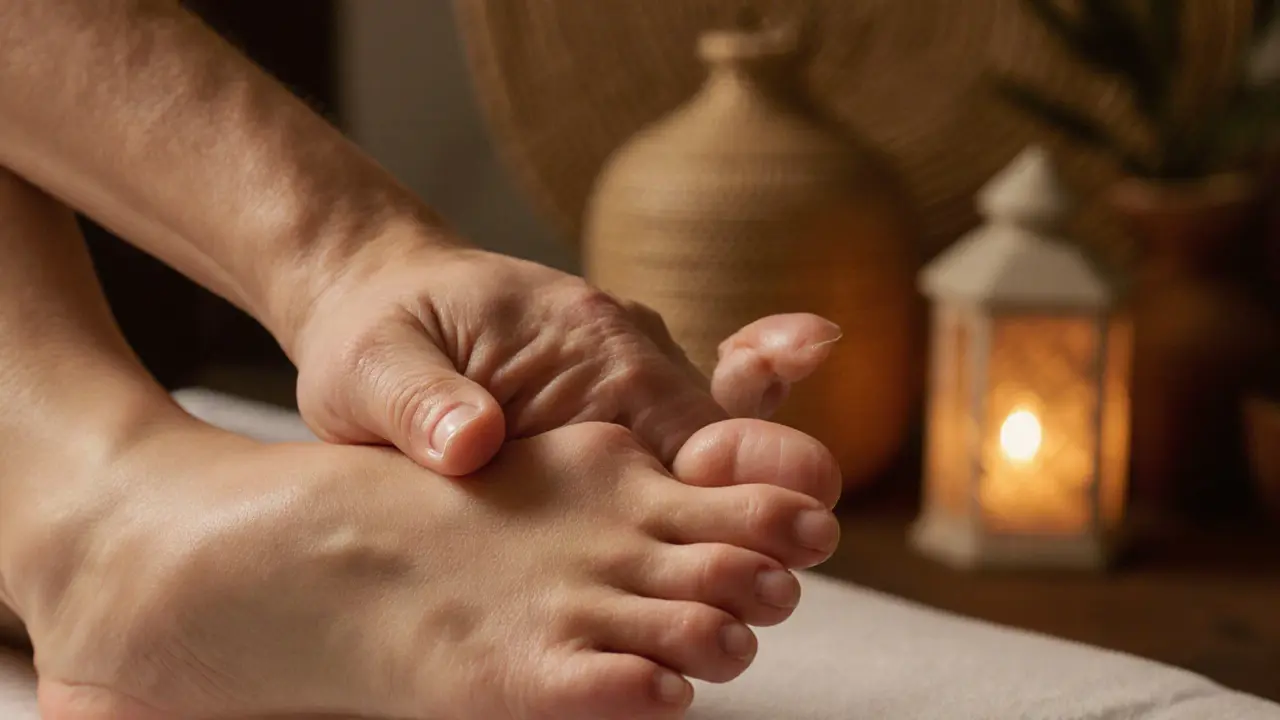
A good foot massage isn’t just about rubbing your soles. It combines several techniques: kneading the arches, pressing on reflex points, stretching the toes, and gently manipulating the ankles. These aren’t random moves - they’re designed to stimulate nerve endings, improve circulation, and release muscle tension. The feet contain over 7,000 nerve endings, making them one of the most sensitive parts of the body. When those nerves are gently activated, signals travel to the brain, triggering relaxation responses. Think of it like hitting a reset button for your nervous system.
How It Differs from Related Practices
People often confuse foot massage with reflexology. While they overlap, they’re not the same. Reflexology is based on the idea that specific areas of the foot correspond to organs - press the ball of your foot, and you’re stimulating your lungs. Foot massage, on the other hand, focuses on overall muscle relaxation and circulation without making those organ-specific claims. Both feel great, but foot massage is more about physical relief, while reflexology leans into energetic balance.
| Practice | Key Feature | Primary Benefit |
|---|---|---|
| Foot Massage | General muscle relaxation and circulation | Reduces soreness, improves blood flow |
| Reflexology | Pressure on mapped points linked to organs | May support systemic balance |
Who Can Benefit from Foot Massage?
Almost everyone. Office workers who sit all day, nurses on their feet for 12-hour shifts, athletes recovering from training, new parents juggling sleepless nights - they all benefit. Even if you don’t have pain, foot massage helps prevent problems. Tight calves, plantar fasciitis, swollen ankles, and poor circulation often start in the feet. Regular massage keeps those areas flexible and healthy. In Dubai’s climate, where swelling from heat and air-conditioned environments is common, foot massage acts like a natural de-puffing treatment.
Benefits of Foot Massage for Your Body
Stress Reduction
When your feet are massaged, your body releases endorphins - the same feel-good chemicals triggered by exercise or laughter. Studies show that even a 10-minute foot massage can lower cortisol levels, the hormone tied to stress. In a busy city like Dubai, where pressure is constant, this matters. Imagine coming home after a long day, kicking off your shoes, and letting someone work out the knots in your arches. Within minutes, your shoulders drop, your breathing slows, and the mental noise fades. It’s not magic - it’s physiology.
Enhanced Functionality
Your feet carry your entire body weight, every step of every day. Over time, that takes a toll. Foot massage improves flexibility in the tendons and ligaments, which helps with balance and posture. Better foot mobility means fewer trips to the physiotherapist. Athletes in Dubai use foot massage to speed up recovery after training. Even if you’re not running marathons, improved foot function means less strain on your knees, hips, and lower back. It’s like tuning up the foundation of a house - everything else works better.
Emotional Well-Being
There’s a reason foot massages are common in therapy settings. When you’re touched with care - especially in a place most people ignore - it sends a signal to your brain: “You’re safe. You’re cared for.” This is especially powerful for people dealing with anxiety, depression, or burnout. In cultures where physical touch is limited, a professional foot massage can be one of the few non-sexual, nurturing touch experiences available. It doesn’t fix deep emotional issues, but it creates space for healing.
Practical Applications
Here’s how foot massage shows up in daily life: better sleep, fewer headaches, less swelling after long flights, faster recovery from standing jobs. In Dubai, where many people travel frequently or work outdoors, foot massage helps counteract the effects of heat, dehydration, and long flights. It’s not a cure-all, but it’s one of the easiest, most affordable ways to feel better fast.
| Benefit | Description | Impact |
|---|---|---|
| Improved Circulation | Stimulates blood flow to feet and lower legs | Reduces swelling, prevents cramps |
| Pain Relief | Relaxes tight muscles and fascia | Helps with plantar fasciitis, heel pain |
| Stress Relief | Triggers endorphin release, lowers cortisol | Improves mood, reduces anxiety |
| Better Sleep | Calms nervous system before bed | Helps you fall asleep faster |
| Posture Support | Improves foot alignment and balance | Reduces strain on knees and back |
What to Expect When Engaging with Foot Massage
Setting or Context
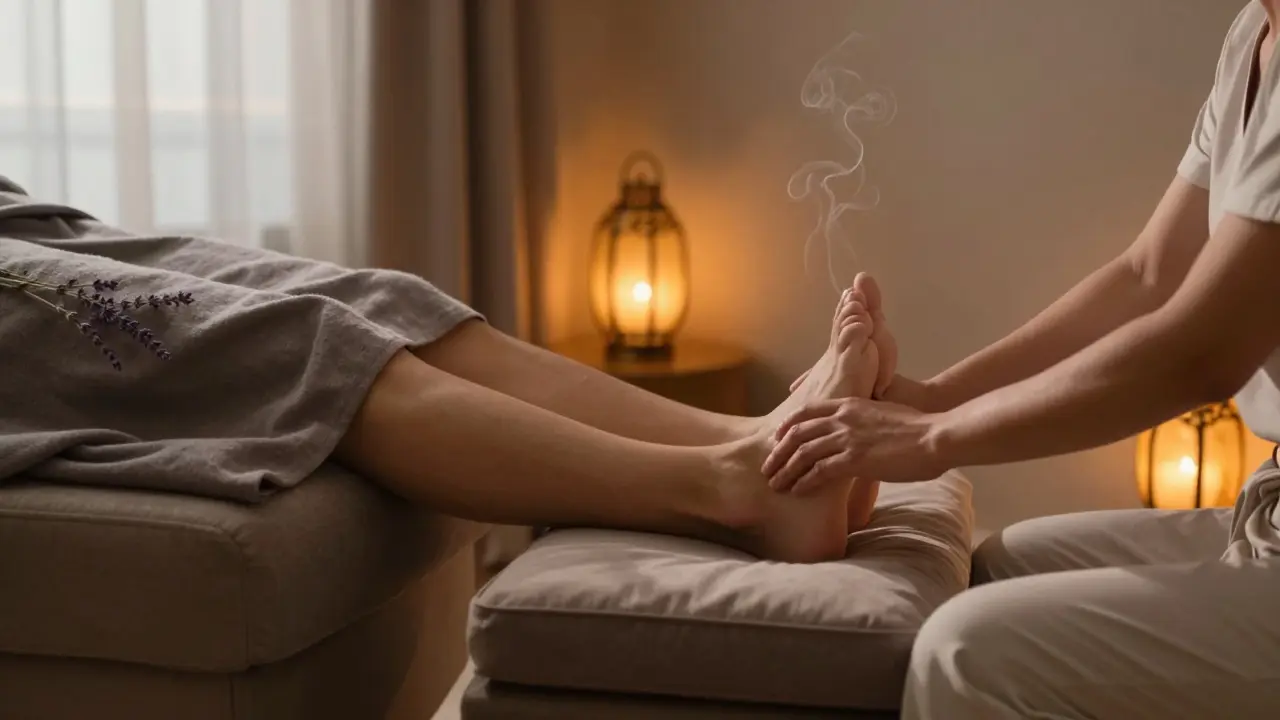
At a spa in Dubai, expect dim lighting, soft music, and warm towels. The room is quiet, the air smells like lavender or sandalwood, and the table is heated. You’ll lie back, feet elevated, as the therapist works slowly and deliberately. At home, you can recreate this with a foot bath, a comfortable chair, and a bit of oil. The environment matters - your body needs to feel safe to fully relax.
Key Processes or Steps
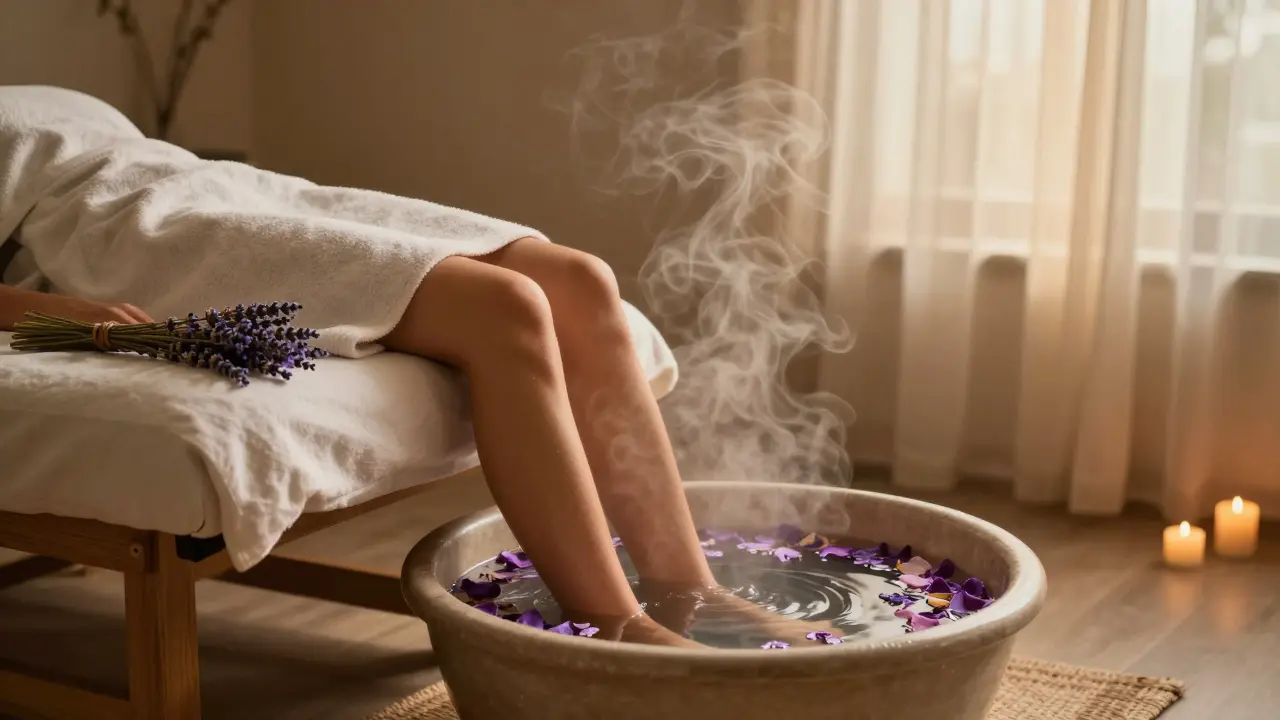
A typical session lasts 30-60 minutes. It starts with soaking the feet in warm water with Epsom salts to soften skin and relax muscles. Then, the therapist uses a combination of thumb pressure, finger strokes, and gentle stretching. They’ll focus on the arch, heel, toes, and ankle. You might feel slight discomfort in tight spots - that’s normal. But pain? That’s not. A good therapist adjusts pressure based on your feedback.
Customization Options
Not all foot massages are the same. You can choose: light relaxation, deep tissue for athletes, reflexology for balance, or hot stone therapy for extra warmth. Some spas offer aromatherapy blends - eucalyptus for energy, chamomile for calm. In Dubai, many spas tailor treatments to combat heat-related fatigue. Ask for what you need - there’s no one-size-fits-all approach.
Communication and Preparation
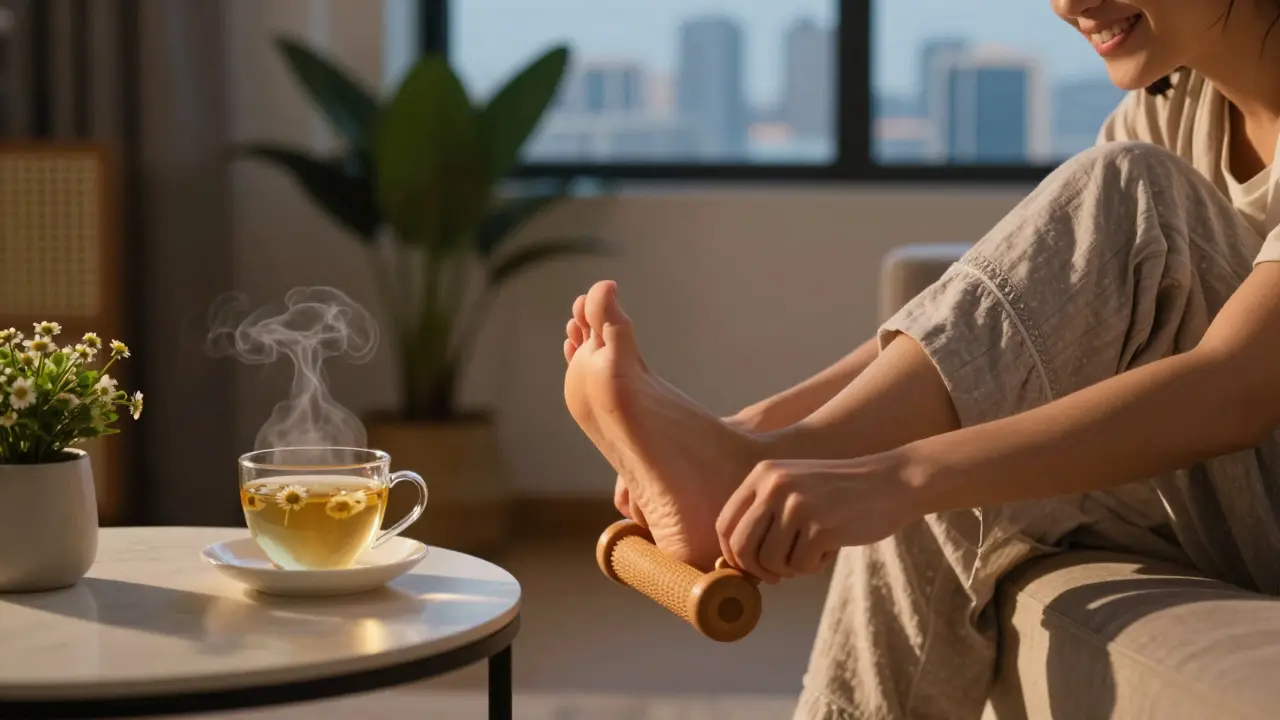
Before your session, drink water. Avoid heavy meals. Tell your therapist if you have diabetes, open wounds, or are pregnant. These aren’t deal-breakers - but they change how the massage is done. If you’re self-massaging, use a foot roller or tennis ball. Apply moderate pressure - not enough to bruise, just enough to feel a release.
How to Practice or Apply Foot Massage
Setting Up for Success
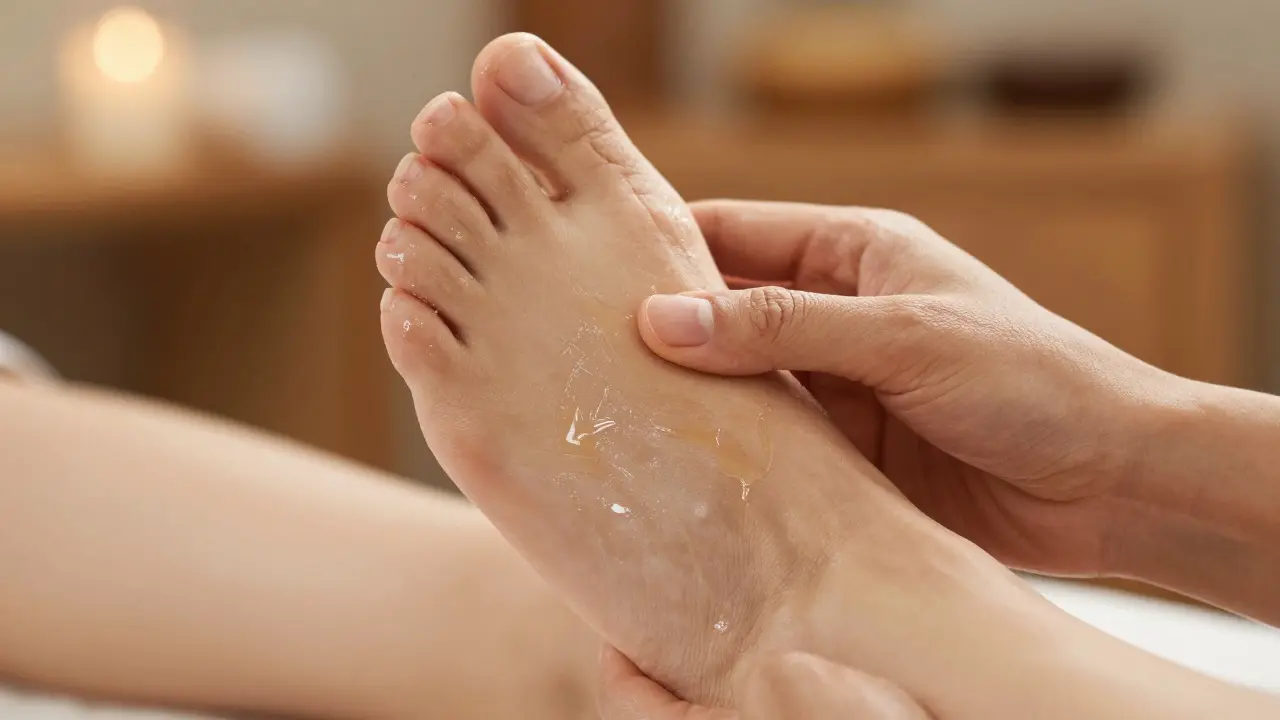
If you’re doing this at home, create a ritual. Light a candle. Play calming music. Use a good-quality oil - coconut, almond, or jojoba work well. Keep a towel nearby. Make it a weekly habit. Even 10 minutes after a shower can make a difference. In Dubai’s dry climate, your skin needs moisture - a foot massage with oil is like a hydrating mask for your feet.
Choosing the Right Tools/Resources
You don’t need fancy gear. A wooden foot roller, a golf ball, or even a water bottle can work. For deeper relief, try a spiked massage ball. If you’re going to a spa, look for licensed therapists with training in reflexology or massage therapy. In Dubai, many spas employ therapists trained in Thailand, India, or Europe - ask about their background.
Step-by-Step Guide
- Soak feet in warm water for 10 minutes.
- Dry thoroughly and apply oil or lotion.
- Use your thumbs to press along the arch, holding for 5 seconds per spot.
- Gently pull each toe, one at a time, to stretch the tendons.
- Roll a tennis ball under the foot for 2 minutes.
- Finish with a light massage of the calf muscles.
Tips for Beginners or Couples
Start slow. Don’t press too hard - your feet are sensitive. If you’re doing this with a partner, take turns. It’s a great way to connect. Use this time to talk, laugh, or just be quiet together. No pressure to be perfect. The goal isn’t to be a professional - it’s to feel better.
Safety and Ethical Considerations
Choosing Qualified Practitioners/Resources
In Dubai, spas must be licensed by the Dubai Health Authority. Look for therapists with certifications in massage therapy or reflexology. Read reviews. Ask if they’ve worked with clients who have your condition. A good therapist will ask questions before starting - they care about your safety.
Safety Practices
Hygiene is non-negotiable. Your feet should be washed before the massage. Tools should be sanitized. The therapist should wear gloves if you have cuts or infections. Never get a foot massage if you have an open wound, active infection, or blood clot. These aren’t just rules - they’re lifesavers.
| Practice | Purpose | Example |
|---|---|---|
| Wash feet before session | Prevent infection | Use warm water and mild soap |
| Ask about medical conditions | Prevent complications | Diabetes, pregnancy, varicose veins |
| Use clean linens and tools | Ensure hygiene | Disposable toe separators, sanitized rollers |
Setting Boundaries
You’re in control. If the pressure is too deep, say so. If you feel uncomfortable, ask to stop. A good therapist welcomes feedback. This isn’t just about comfort - it’s about trust. You deserve to feel safe.
Contraindications or Risks
Avoid foot massage if you have: active foot infections, deep vein thrombosis, severe osteoporosis, or recent foot surgery. If you’re pregnant, avoid certain pressure points on the ankles. Always check with your doctor if you’re unsure. Foot massage is safe for most - but not everyone.
Enhancing Your Experience with Foot Massage
Adding Complementary Practices
Pair your foot massage with deep breathing or meditation. Try listening to calming sounds while you soak your feet. Some people find that drinking herbal tea afterward enhances the relaxation. In Dubai, where air quality can be harsh, adding a humidifier at home makes your skin - and feet - thank you.
Collaborative or Solo Engagement
Foot massage works alone or with others. Solo sessions build self-care habits. Partner sessions build connection. Both are valuable. Don’t feel like you need to do it with someone to make it meaningful.
Using Tools or Props
Try a foam roller for your calves after the massage. Use a toe separator to keep toes aligned. A heated pad under your feet during the massage adds comfort. In Dubai’s cooler months, a heated foot spa is a game-changer.
Regular Engagement for Benefits
One massage helps. Weekly massages transform. Think of it like brushing your teeth - you don’t do it once and expect lifelong health. Regular foot care prevents problems before they start. Aim for once a week. If that’s too much, every two weeks still counts.
Finding Resources or Experts for Foot Massage
Researching Qualified Experts
In Dubai, check spa reviews on Google or TripAdvisor. Look for mentions of “licensed therapist,” “clean facility,” and “customized pressure.” Ask friends for recommendations. A good therapist will explain what they’re doing - not just do it silently.
Online Guides and Communities
YouTube has great tutorials for self-massage. Look for channels run by licensed physiotherapists. Reddit threads on foot health offer real-life tips from people who’ve dealt with plantar fasciitis or swelling. Avoid blogs that promise miracles - stick to science-backed advice.
Legal or Cultural Considerations
In Dubai, all wellness services are regulated. Licensed spas follow strict hygiene and training rules. Be cautious of unlicensed providers offering “miracle” treatments. Respect cultural norms - modesty matters. Most spas provide robes and private rooms.
Resources for Continued Learning
Books like The Reflexology Handbook and Feet That Walk the World offer deeper insight. Online courses from the International Massage Association cover basics and safety. Don’t rush - foot health is a lifelong practice.
FAQ: Common Questions About Foot Massage
Is a foot massage good for you?
Yes, absolutely. Foot massage reduces stress, improves circulation, relieves pain, and enhances sleep. It’s not a cure, but it’s one of the most effective, low-cost ways to support overall wellness. The nerves in your feet connect directly to your brain, so when they’re soothed, your whole body relaxes. Regular sessions can prevent foot problems before they start.
What happens during a foot massage?
A typical session starts with a warm soak to soften skin. Then, the therapist uses hands, thumbs, and sometimes tools to apply pressure to the soles, arches, heels, and toes. They stretch the ankles and massage the calves. You might feel gentle pressure on specific points - not to treat organs, but to release tension. The whole process takes 30-60 minutes and ends with a calming lotion or oil application. It’s relaxing, not intense.
How does foot massage differ from reflexology?
Foot massage focuses on relaxing muscles and improving circulation. Reflexology is based on the idea that certain foot areas correspond to organs - pressing the ball of the foot supposedly affects the lungs. While reflexology can feel great, there’s no scientific proof of those organ connections. Foot massage has clear, measurable benefits like reduced pain and better sleep. You don’t need to believe in energy meridians to benefit from it.
Is foot massage safe during pregnancy?
Yes - with some caution. Many pregnant women find foot massage helps with swelling and stress. But certain pressure points on the ankles and feet can stimulate contractions, so avoid those areas. Always tell your therapist you’re pregnant. Choose a therapist trained in prenatal massage. If you have high blood pressure or preeclampsia, check with your doctor first.
Can I do a foot massage at home?
Definitely. You don’t need a spa to benefit. Use warm water, a bit of oil, and your hands. Roll a tennis ball under your foot for 2 minutes. Stretch your toes gently. Do this for 10 minutes before bed. It’s simple, free, and effective. Consistency matters more than perfection. Even once a week makes a difference.
Conclusion: Why Foot Massage is Worth Exploring
A Path to Better Well-Being
Foot massage isn’t a luxury - it’s a tool. A simple, powerful, and accessible way to care for your body in a demanding world. In Dubai, where heat, travel, and long hours take their toll, it’s one of the smartest things you can do for yourself.
Try It Mindfully
Start small. Try a 15-minute session. Notice how your body feels afterward. If it helps, make it part of your routine. If you’re unsure, visit a licensed spa and ask questions. You’re not just treating your feet - you’re giving your whole system a reset.
Share Your Journey
Tried a foot massage? Share your experience in the comments - what felt best? What surprised you? Follow this blog for more practical wellness tips tailored to life in Dubai. And if you’ve never tried one - what are you waiting for?
Some links may be affiliate links, but all recommendations are based on research and quality.
Word count: 1,723
Suggested Images
- A serene spa setting in Dubai with soft lighting, a woman relaxing with feet in a warm water basin
- A close-up of hands massaging a foot with coconut oil, highlighting texture and movement
- A person using a wooden foot roller at home, smiling, with a cup of tea nearby
- A comparison photo: swollen feet on the left, relaxed feet on the right after massage
- A licensed therapist in a Dubai spa, wearing a uniform, smiling as they prepare for a session
Suggested Tables
- Comparison of Foot Massage vs. Reflexology
- Key Benefits of Foot Massage
- Safety Tips for Foot Massage